
Last updated November 25, 2026
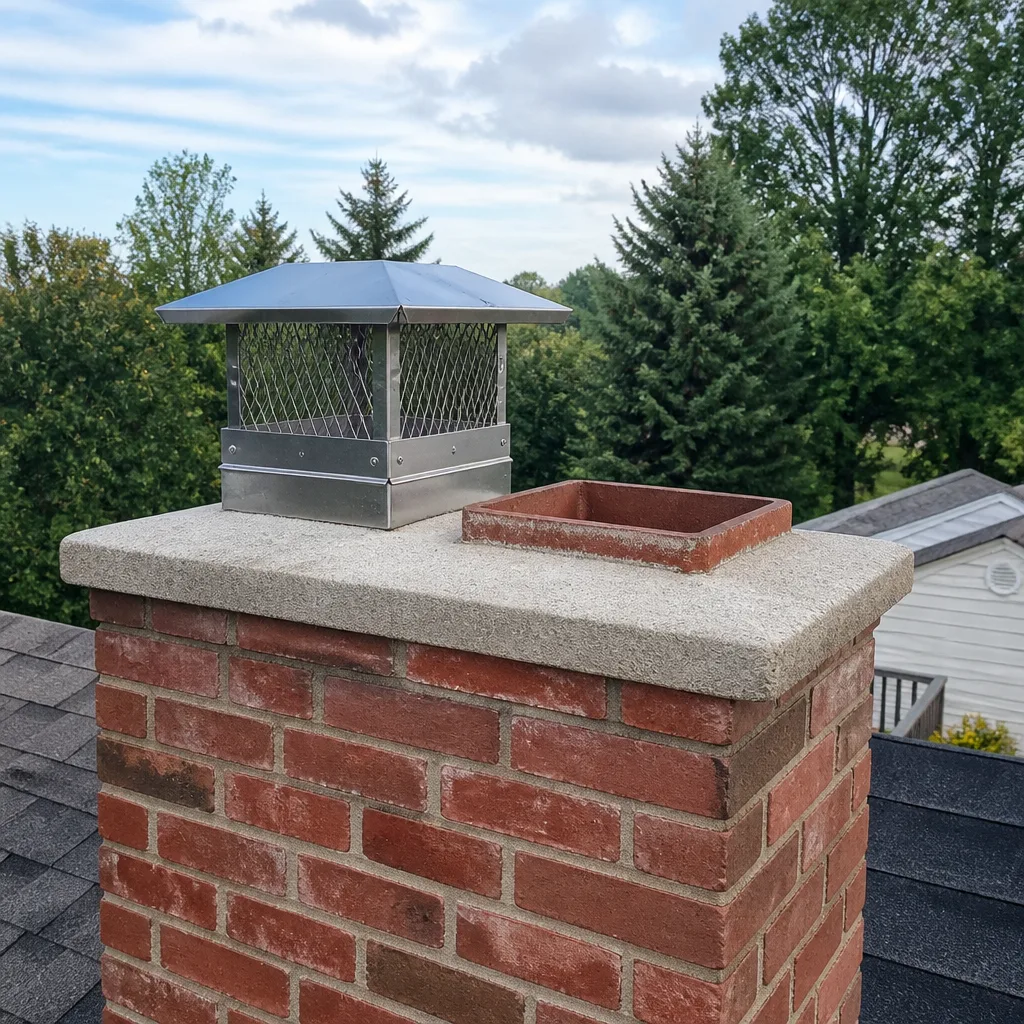 Sweep & inspection
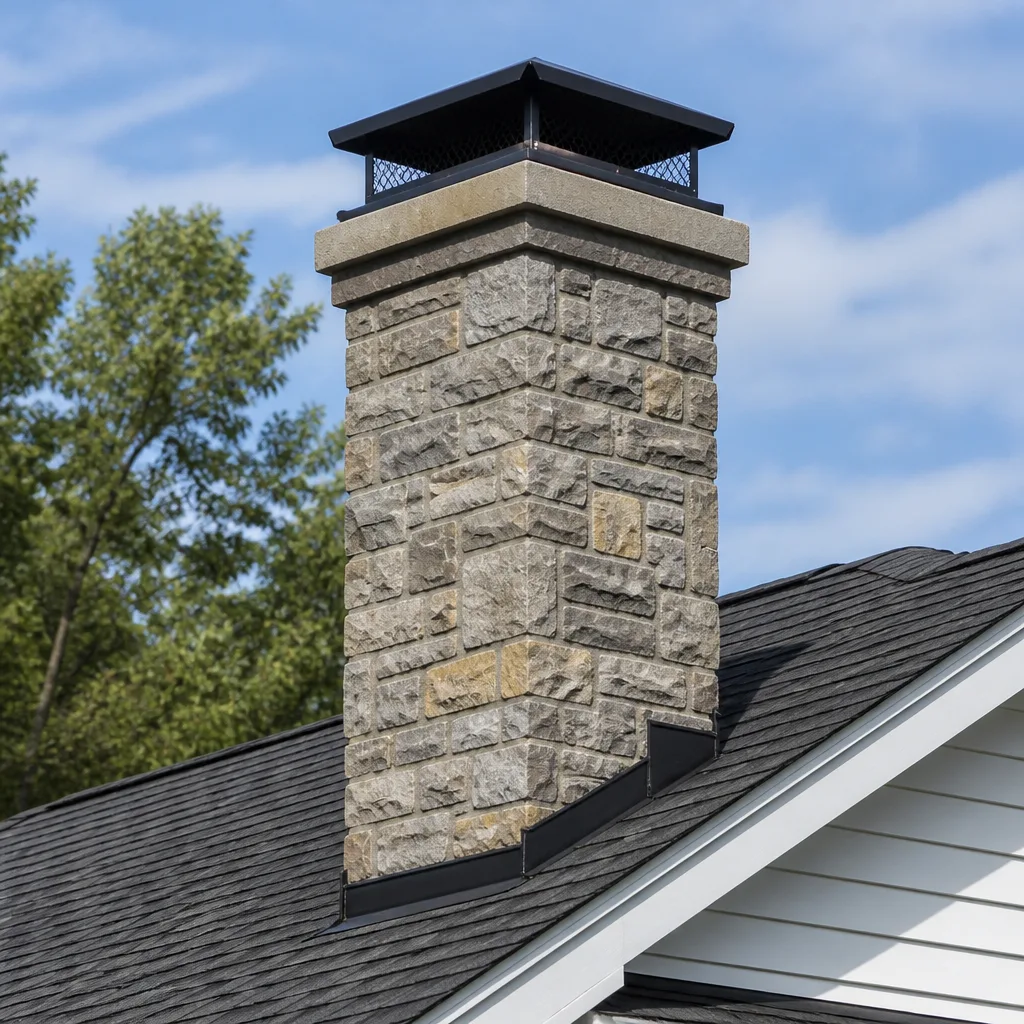 Caps & crowns
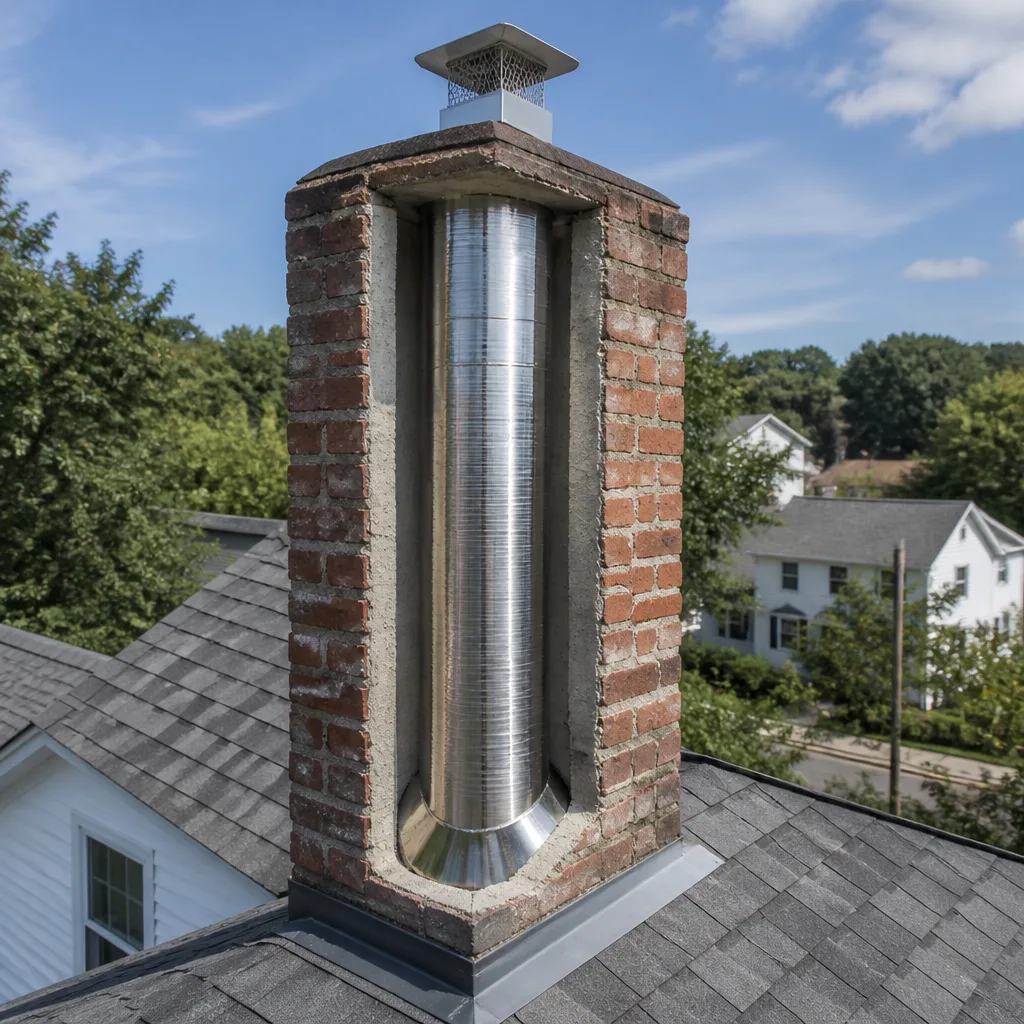 Flue relining
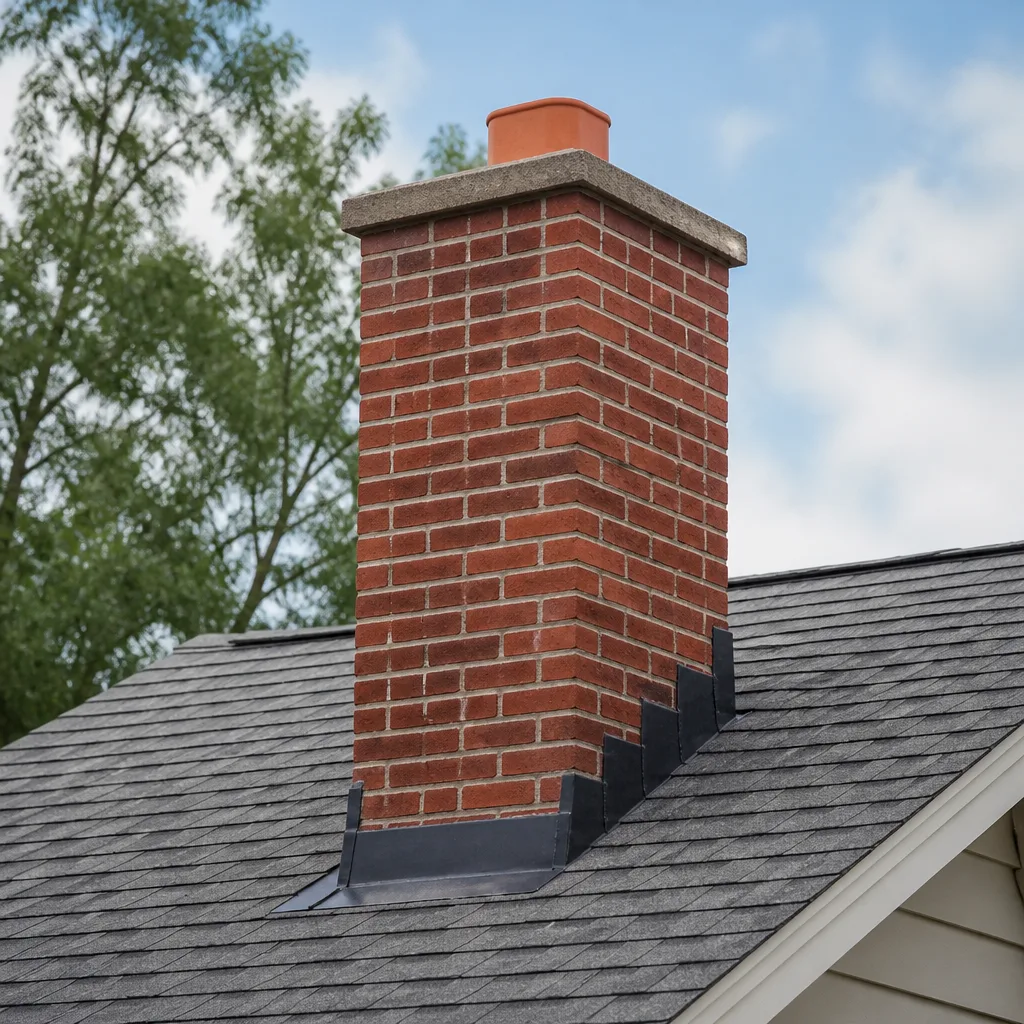 Masonry repair
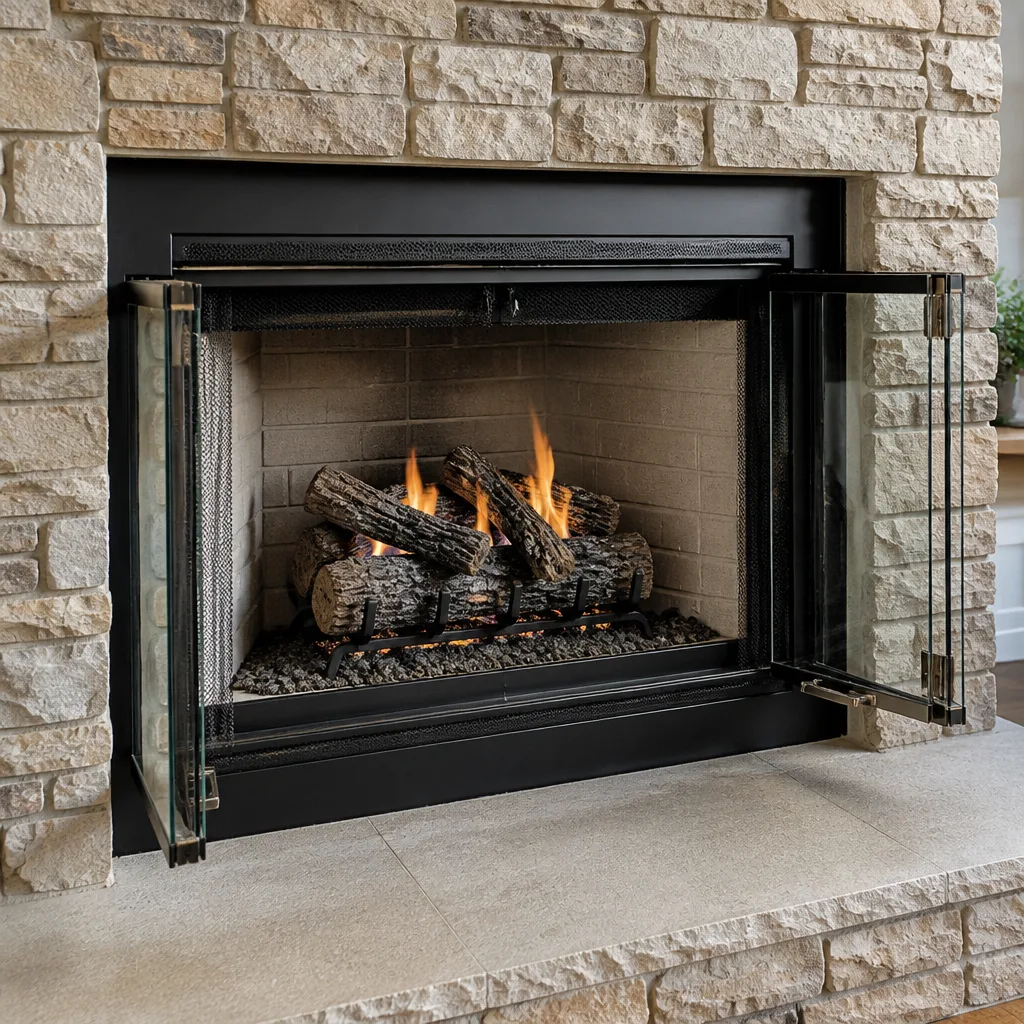 Gas fireplace service
Level 1 sweep and inspection to the NFPA 211 annual standard - flue, crown, cap, and flashing checked and photographed
Chimney sweep logs do not sweep chimneys. They loosen some creosote - which then falls where a brush and vacuum still have to collect it.
The Complete Guide to Chimney Cleaning in Ridgewood
Most homeowners assume a cleaned chimney is a clean chimney. The paperwork says so, the price looked reasonable, and nobody found anything wrong. But our trade’s own numbers tell a different story: the CSIA estimates that 25% of chimney fires are directly attributable to incomplete cleanings. Not skipped cleanings. Cleanings that looked thorough on the invoice and weren’t. In a Ridgewood housing stock full of pre-1960 masonry chimneys, that gap between “swept” and “actually clean” is where real risk lives. This guide walks the whole system, firebox to crown, and shows you what a complete cleaning covers and what budget work quietly leaves behind.
Quick Answer
Chimney cleaning in Ridgewood is a full-system diagnosis, not a brush down the flue. A complete cleaning runs from the firebox through the smoke chamber, damper, smoke shelf and liner to the cap and crown, and it ends with a written report you can hand to your insurer. If a sweep quotes you a price before looking at the top of the chimney and the smoke chamber, you’re being sold a partial service.
Styles & brands we work with
- Sweep & inspection
- Caps & crowns
- Flue relining
- Masonry repair
- Gas fireplace service
Table of Contents
- What does chimney cleaning actually cover?
- The exact sequence a certified sweep follows, and why order matters
- The three stages of creosote and what each one demands
- How Ridgewood’s older masonry creates liner problems cleaning exposes
- Cleaning receipt vs. CSIA-compliant report
- Components a standard quote often excludes
- How often should a Ridgewood chimney be cleaned?
- What does chimney cleaning cost in Ridgewood?
What does chimney cleaning actually cover?
A complete chimney cleaning covers seven components of a working flue system: the firebox, the damper, the smoke shelf, the smoke chamber, the flue liner, the cap, and the crown. Each one has its own failure mode. Skip any of them and the system as a whole stays compromised even if the flue itself looks spotless from the top.
Here’s what each component does and why it belongs on the cleaning list:
- Firebox. The masonry chamber where fuel burns. Creosote glazes the walls and joints, and cracked firebox brick lets heat reach framing.
- Damper. The metal door above the firebox. It needs to open fully, close snugly, and not be rusted shut. A damper that won’t seat lets conditioned air escape all year.
- Smoke shelf. The ledge behind the damper that turns smoke upward. Soot and debris collect here, and a clogged shelf is a common cause of smoky fires.
- Smoke chamber. The tapered zone above the shelf where smoke compresses before entering the flue. Its corbelled masonry is difficult to brush and is where budget cleanings stop short.
- Flue liner. The clay tile or stainless flue that carries smoke out of the house. Cracks, gaps and spalling are the precursors to heat reaching combustible material.
- Cap. The lid and spark screen on top. A missing or rusted cap lets rain, birds and squirrels in, and the screen needs to be clear of soot.
- Crown. The concrete cap at the top of the masonry stack. Hairline cracks in the crown let water into the chimney body, which is where slow structural damage begins.
In our experience the smoke chamber and crown are the two items most often left off a low-cost quote, and they’re also the two that fail quietly. Ridgewood chimneys aren’t immune to any of this, and the older housing stock in the neighborhoods around Forest Avenue and Myrtle Avenue tends to show it first in the crown and the liner joints.
The exact sequence a certified sweep follows, and why order matters
The sequence of a cleaning isn’t arbitrary. Each step prepares the next, and doing them out of order spreads soot into rooms you’d rather keep clean or obscures the evidence the inspection depends on. A certified sweep works top-down for setup and bottom-up for cleaning, and every piece of the sequence exists for a reason.
Here’s the order we follow, and why:
- Protect the room first. Drop cloths, a sealed work zone and a running vacuum with HEPA filtration. This has to happen before anything is disturbed, or the fine soot that makes up most of a chimney’s contents ends up on furniture and in upholstery.
- Inspect from the top down. The sweep goes onto the roof or accesses the top of the flue to see the cap, crown, top of the liner and the condition of the masonry before any cleaning begins. This establishes what’s there and what shape it’s in.
- Look at the firebox and damper. Open the damper, check its operation, and look at the firebox walls and the smoke shelf. The sweep now knows what kind of creosote load is present before a brush goes up.
- Run the flue brush bottom-up. The brush is sized to the flue and pulled up through the smoke chamber and liner. Bottom-up brushing lets the vacuum capture debris at the firebox as it falls, which a top-down brush can’t do as efficiently.
- Clean the smoke chamber and smoke shelf specifically. These get a separate pass with the appropriate tool, because the smoke chamber’s tapered walls don’t clean with a flue brush.
- Clear the cap screen and inspect the crown. Birds’ nests, soot load and torn screens are handled here, and the crown is checked for cracks while the sweep is already up there.
- Document what was found. The sweep writes the post-cleaning report: photos of the flue, the smoke chamber, the crown, and notes on anything that needs attention. This report is the deliverable that matters.
The order matters because cleaning before inspecting erases evidence, and inspecting before setting up the room makes a mess. Both mistakes are common in a low-cost sweep.
The three stages of creosote and what each one demands
Creosote is the residue of incomplete combustion, and the National Fire Protection Association classifies it in three stages because each stage calls for different tools and, sometimes, different repairs. A standard brush cleaning handles the first two. The third stage requires more, and this is where the difference between a complete job and a partial one starts to matter.
Here’s how the three stages break down:
First-degree creosote
A light, flaky dust that brushes off easily. It’s what you see after a season of normal burns with dry wood and adequate draft. A standard flue brush removes it completely, and there’s no secondary treatment needed.
Second-degree creosote
A crusty, flaky layer that clings to the flue tile and sometimes accumulates in ridges at the joints. It comes from cooler fires, damp wood or a flue that isn’t drafting hard enough. It brushes off with effort but is thicker and takes longer, and the sweep usually has to check the flue again after brushing to confirm it’s all gone.
Third-degree creosote
A hard, glazed coating that fuses to the flue tile like varnish. A brush alone won’t remove it. This stage is the real hazard because it burns hot if it ignites, and it can reduce the flue’s cross-sectional area enough to restrict draft. Third-degree creosote either comes off with a specialized rotary chemical method, or the flue is relined. Based on our experience, third-degree creosote is where we recommend a closer look at the liner itself, because a glazed flue has usually run hot enough at some point to stress the tile.
Ridgewood’s cold winters push people to burn longer and slower, which is exactly how second- and third-degree creosote builds up. Burning properly seasoned wood is the single best way to keep the flue in the first two stages.
How Ridgewood’s older masonry creates liner problems cleaning exposes
Ridgewood has a substantial stock of pre-1960 masonry chimneys, and that matters because the clay tile liners installed in that era don’t behave the way modern liner systems do. They’re rigid, jointed tiles held together with mortar, and the mortar is the vulnerable point. Decades of heating and cooling cycles, plus the moisture that comes with the seasons, open up hairline gaps at the joints. Cleaning is what exposes them.
The common patterns we find in Ridgewood’s older chimneys are consistent:
- Mortar joint erosion. The mortar between clay tiles wears away, and the gaps allow heat to reach the masonry around the flue. This is a fire-containment issue, not a cosmetic one.
- Tile spalling. The inner face of the tile flakes away, leaving a rough surface that catches creosote faster than a smooth flue.
- Cracked tiles from settling. Ridgewood’s freeze-thaw cycles put stress on the chimney stack, and hairline cracks in the crown let water in, which then freezes and expands inside the masonry.
- Oversized flues for modern appliances. Many pre-1960 flues were sized for a full-time wood fire. A modern appliance running intermittently doesn’t heat the flue enough to draft well, and slow draft is a creosote factory.
When we find a cracked or gap-jointed liner, we usually recommend relining rather than a rebuild. Our chimney repair work covers this, and DuraFlex flexible liners let us restore a structurally sound flue without tearing into the chimney body. HeatShield ceramic resurfacing is the other option when the existing flue is sound but the surface needs rebuilding – it repairs the liner from the inside without full demolition. Both are professional-grade systems, and both cost far less than a rebuild when the masonry itself is intact.
Cleaning receipt vs. CSIA-compliant report
A cleaning receipt proves you paid someone. A CSIA-compliant post-cleaning report proves what they found and what they did. The difference matters at claim time, and it’s one of the most common things we’re asked about during chimney sweep visits.
Here’s what separates the two:
- A receipt usually lists the service performed, the date and the amount. That’s it. It tells your insurer nothing about the condition of the flue.
- A compliant report documents the type of cleaning performed, the condition of the flue before and after, photographs of the accessible components, and any observed defect that needs monitoring or repair. It’s a diagnostic document, not a sales artifact.
If a chimney fire ever happens, your insurance claim is going to hinge on whether the work was done correctly, not whether it was done at all. A receipt from a sweep who skipped the smoke chamber won’t help you. A report with photos and a written assessment of the flue, damper, crown and cap will. That’s why we treat chimney inspections as a core service at Chimney Sweep Ridgewood, not an add-on. The report is part of the job.
Components a standard quote often excludes
The low-cost chimney clean you see advertised is usually a flue-only service. It brushes the straight section of the flue and stops. That looks thorough because the flue is the part everyone thinks of, but the components left off the quote are the ones most likely to be the actual problem.
Here’s what a standard cheap quote often skips, and what the omission costs you later:
- Damper operation. Rushed cleanings don’t test the damper. A damper that won’t close wastes heated air all winter and lets cold air in; a damper that won’t open fully is a smoke problem waiting to happen.
- Smoke shelf and smoke chamber. These are the hardest parts of the flue to clean and the easiest to skip. Soot accumulated on the smoke shelf is a fire risk, and it restricts draft.
- Cap and crown inspection. A cracked crown is invisible from the ground, and by the time you notice water damage inside the house, the masonry is already compromised. Our chimney cap & crown service exists because this is the most common slow-failure point in the whole system.
- The liner itself. A brush removes creosote but doesn’t assess the tile. Without a look at the liner, you won’t know you have cracks until heat is already getting through them.
- Written report. The cheap quote usually ends with a paid invoice, not a documentation package.
Every one of these omissions looks minor at the quote. Each one represents a decision about how much of the system you want diagnosed. We’ve seen what happens when only the flue gets cleaned: the parts that fail are the parts that got skipped.
How often should a Ridgewood chimney be cleaned?
Most chimneys need cleaning once a year, and the CSIA recommends an annual inspection regardless of how often you burn. If you burn daily through the winter in Ridgewood, you may need cleaning more than once a season, especially if you’re burning wood that wasn’t fully seasoned.
The signals that say it’s time to schedule a cleaning:
- You’ve burned roughly a cord of wood since the last cleaning.
- You see soot falling into the firebox, or a glaze on the flue tiles.
- Smoke backs up into the room when you light a fire, which can mean the smoke shelf or flue is partially blocked.
- You smell a strong creosote odor in warm weather, which usually means the flue hasn’t been cleaned in a while.
- You’re starting the first heating season in a home, and you don’t have documentation from the previous owner.
Wood burners with a pre-1960 clay tile flue should be particularly diligent. Ridgewood’s cool-season fires push creosote faster, and clay tile chimneys build up a glazed layer more readily than modern liners.
What does chimney cleaning cost in Ridgewood?
Chimney cleaning in Ridgewood typically runs about $150 to $300 for a standard single-flue residential cleaning, with the final price set by the written estimate for your specific chimney. Cost goes up when the flue has third-degree creosote, when the smoke chamber requires extra work, or when the chimney is hard to access. Because we quote the price per job in writing before booking, you know what the cleaning costs before anyone touches the chimney.
The line items that make up a full cleaning estimate:
| Component | Typical range | Notes |
|---|---|---|
| Standard single-flue cleaning | $150 – $300 | Firebox, damper, flue, smoke shelf |
| Smoke chamber cleaning | Included in full-service quote | Often excluded from budget quotes |
| Cap and crown inspection | Included in full-service quote | Photo documentation in the report |
| Third-degree creosote removal | Higher than standard | Rotary or chemical method required |
| Chimney inspection (standalone) | Quoted separately | Available without cleaning |
Budget services quote lower because they cover less. The gap between a $150 flue-only cleaning and a $250 full-system cleaning isn’t profit; it’s the smoke chamber and crown inspection. On a Ridgewood chimney that hasn’t been cleaned in years, that gap is the difference between knowing the liner is sound and hoping it is.
Common Mistakes to Avoid
- Assuming the invoice equals a complete job. The invoice proves you paid, not that the smoke chamber and crown were cleaned. Ask for the post-cleaning report, every time.
- Hiring a general handyman for chimney work. Chimneys need specialist tools, product access and a diagnostic eye. A generalist can sweep the flue and miss the liner crack that matters.
- Waiting for a smoke problem before scheduling cleaning. Smoke backing up usually means the problem is already established. Annual cleaning is cheaper than the liner repair it prevents.
- Burning unseasoned wood to save money. Wet wood burns cooler, which is exactly how second- and third-degree creosote builds up. It’s the leading cause of the expensive cleaning.
- Skipping the annual inspection when the fire still works. A chimney can vent fine while the crown is cracking and the liner is deteriorating. The fire working is not evidence the system is sound.
- Accepting a quote sight-unseen. If nobody has been up on the roof to look at the cap and crown, the price is a guess, not an estimate.
- Ignoring proof of a credentialed sweep. Ask whether the sweep carries the training the trade recognizes, and whether the report documents what was found with photos. If the answer is vague, keep looking.
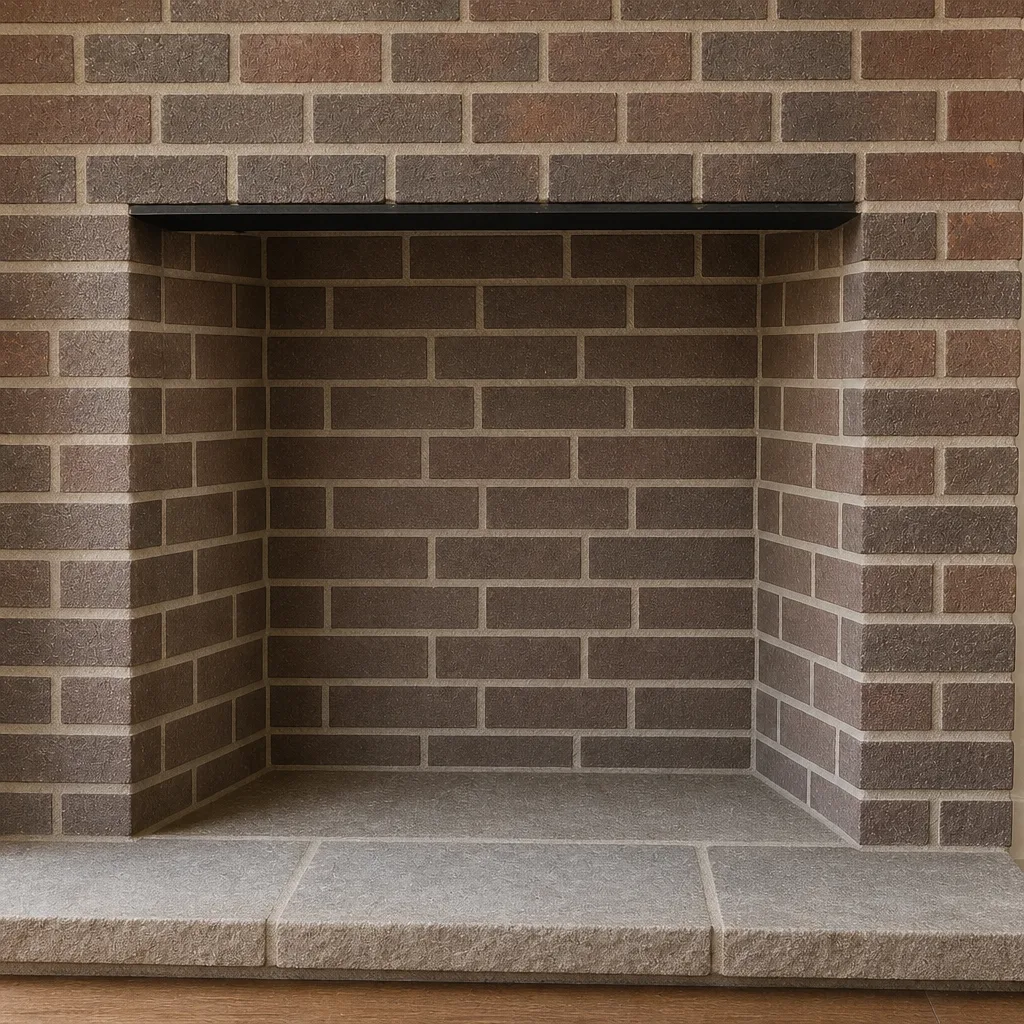
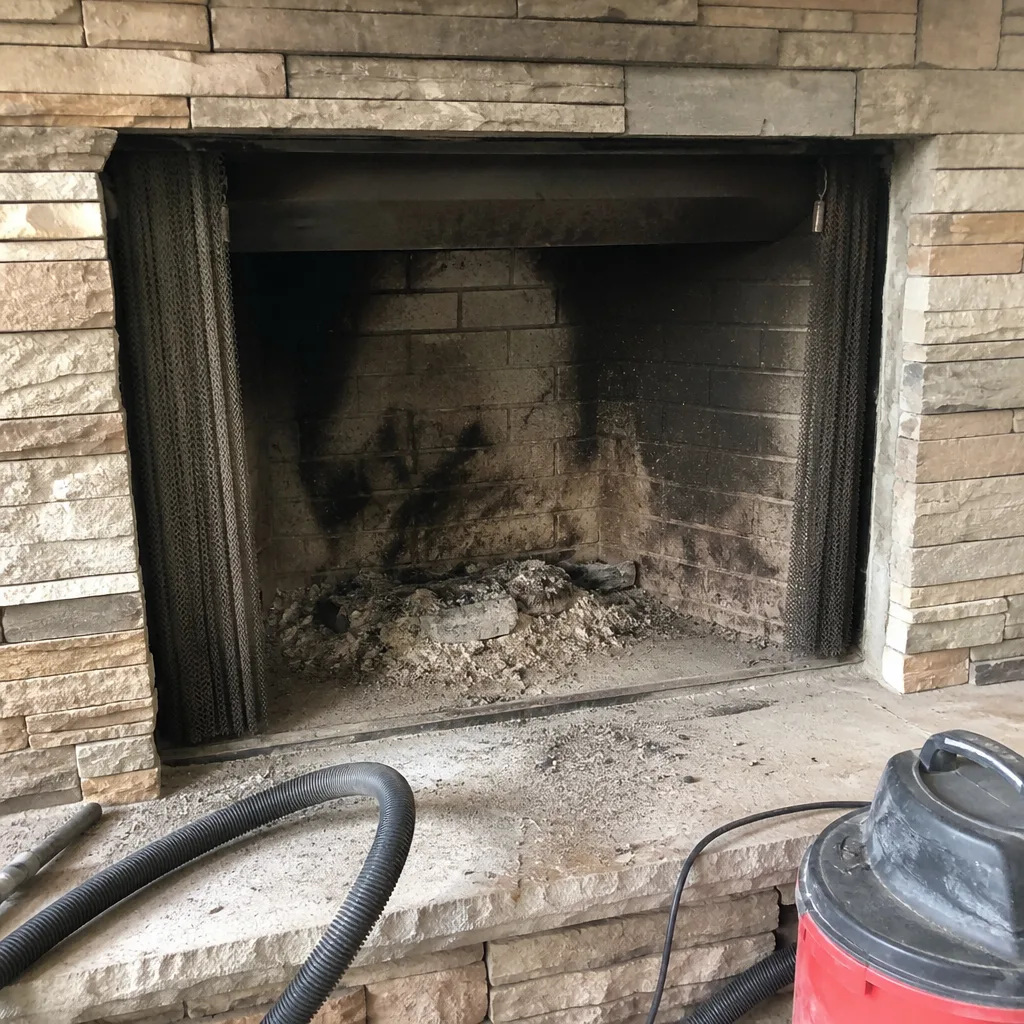
See the difference
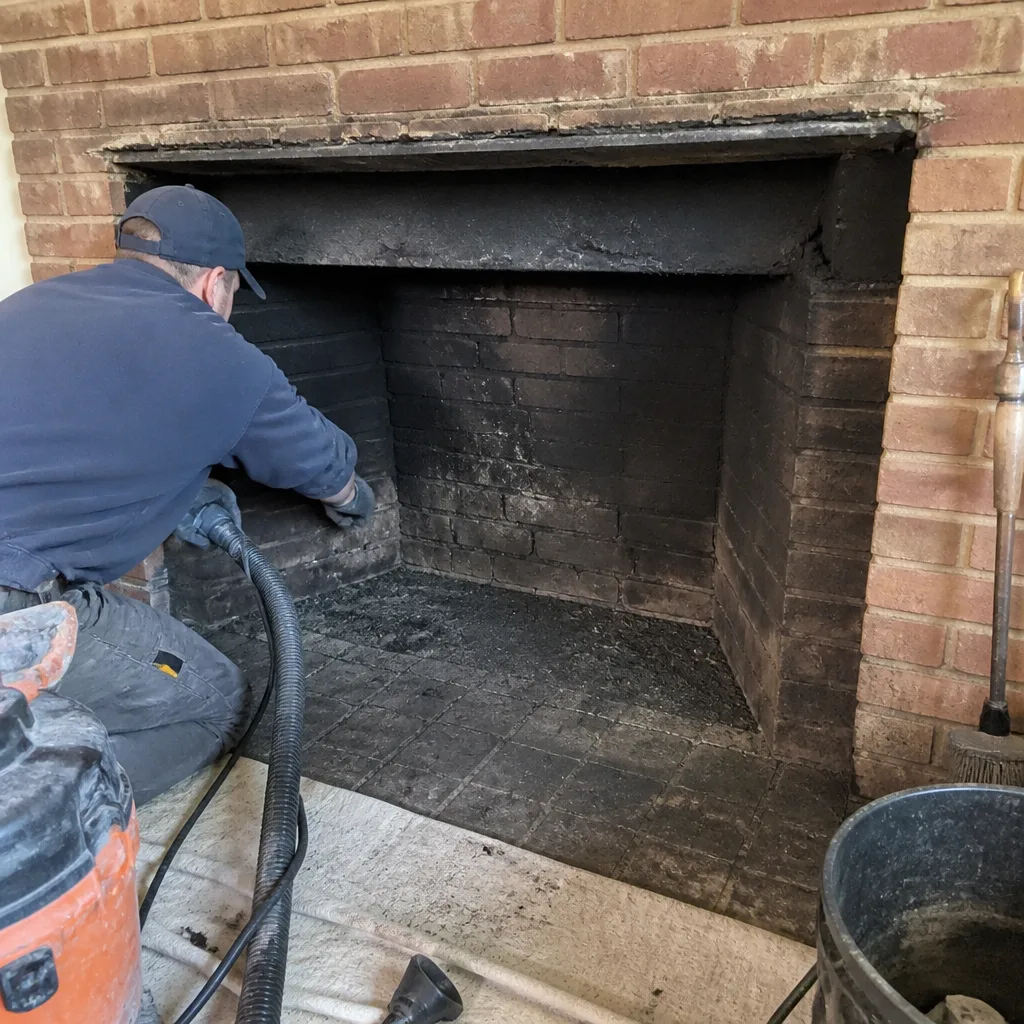 Before
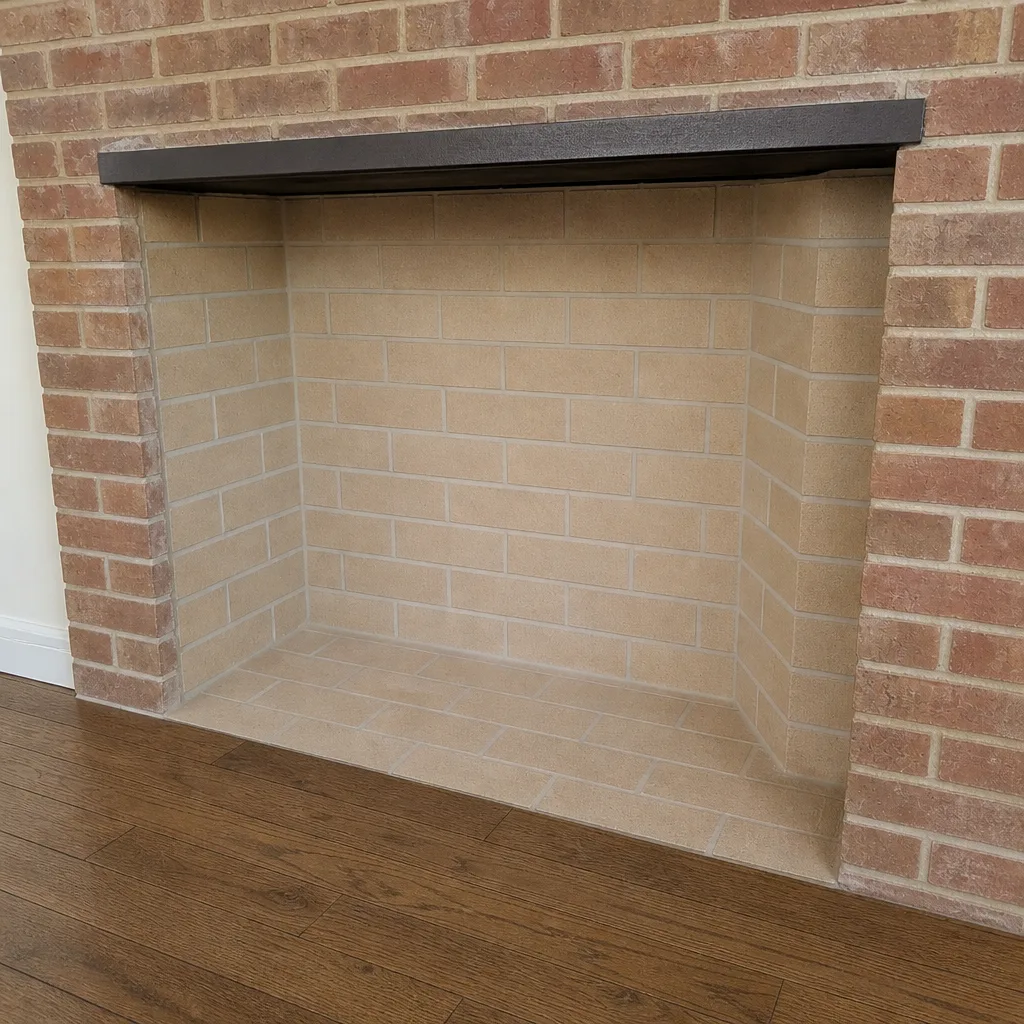 After
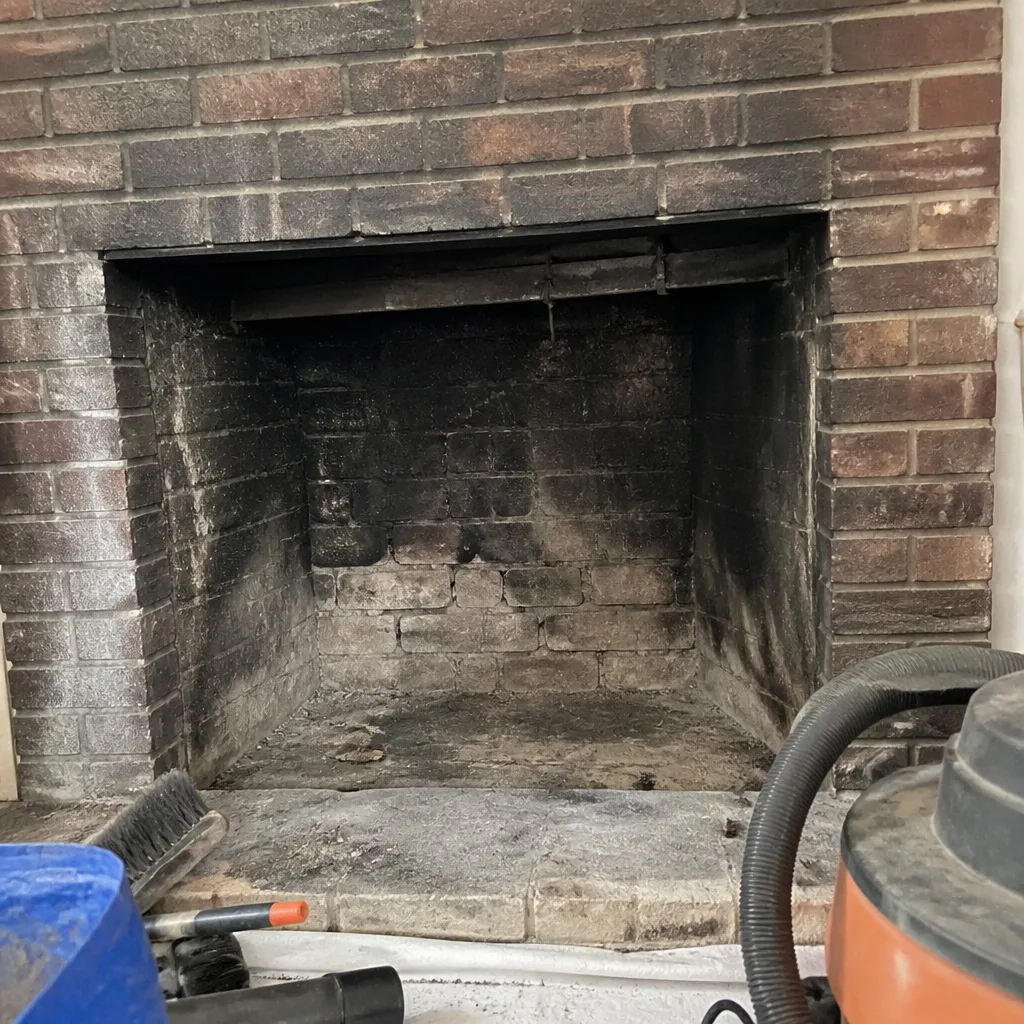 Before
 After
 Before
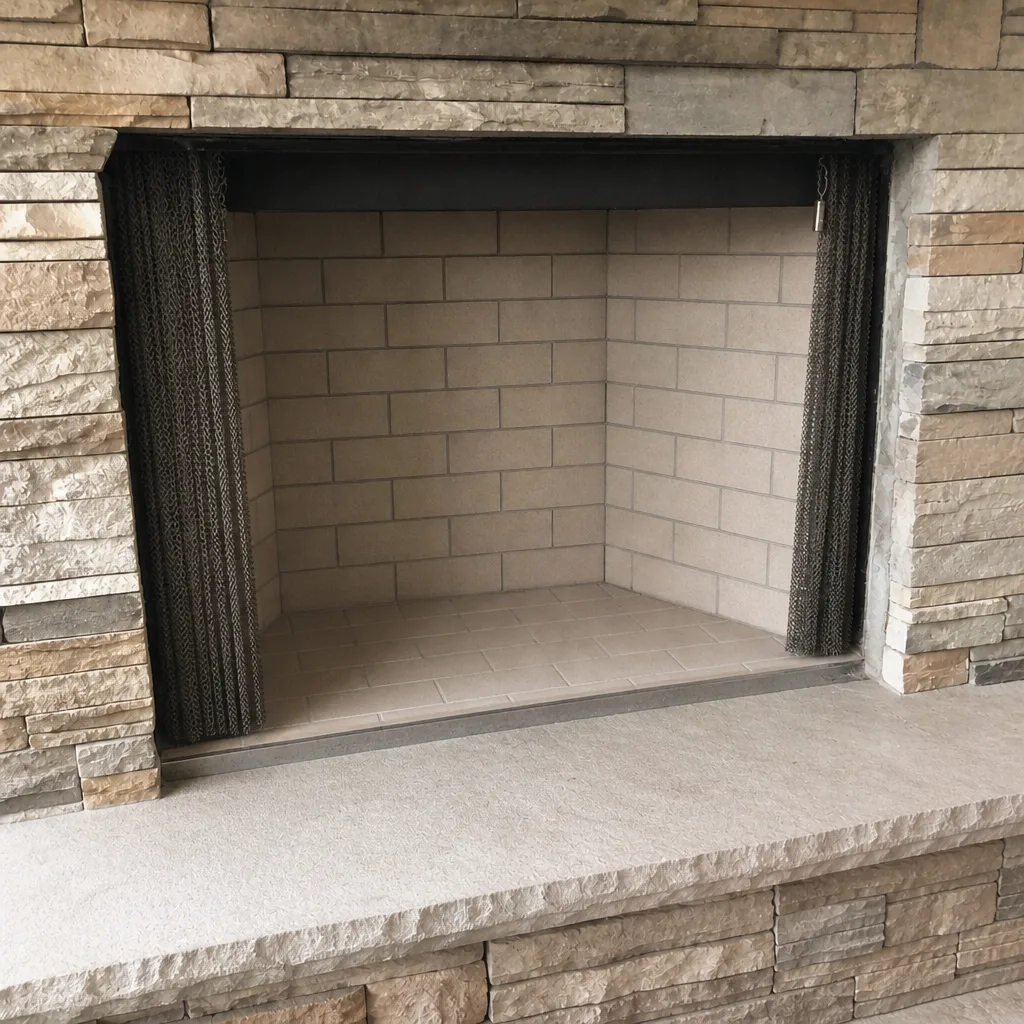 After
When to Call a Professional
Some chimney work is clearly a professional job: any cleaning that involves a firebox, flue or chimney top, anything involving a glazed flue, anything with a suspected crack in the liner, and any cap or crown work on a roof. The rule is simple. If the work puts you on a roof, in a flue or into the combustion system, it belongs with a trained specialist.
The situations that call for a visit sooner rather than later: smoke coming back into the room, a strong creosote smell in summer, water staining on the chimney breast, a flue that hasn’t been inspected in more than a year, or a home you’ve just purchased without paperwork on the chimney. Also, if a budget sweep has cleaned your flue and left you without a report, it’s worth having the full system assessed.
Chimney Sweep Ridgewood offers free estimates in Ridgewood – call (877) 492-3239. Estimates are free, the price is set per job by the written estimate, and you’ll know exactly what the cleaning covers before we book. We answer 24/7. Fast dispatch from 7am to 7pm, Sunday through Friday.
Frequently Asked Questions
A standard single-flue chimney cleaning in Ridgewood typically runs about $150 to $300, and the exact price is set by the written estimate for your chimney. Extra work like third-degree creosote removal or full smoke chamber cleaning adds to that range, and the estimate itemizes what’s included so there are no surprises. Call (877) 492-3239 for an exact quote – estimates are free.
You need a new liner if the existing clay tile flue has cracked tiles, eroded mortar joints, or spalling on the inner face. Not every older flue needs relining – a sound tile flue with minor surface wear can often be restored with HeatShield ceramic resurfacing rather than torn out. The call comes down to what the camera sees. We don’t recommend a liner replacement without showing you the evidence. Call (877) 492-3239 and we’ll walk you through what your chimney actually needs.
Once a year for most households, and more often if you burn wood daily through the heating season. The CSIA recommends an annual inspection even when cleaning isn’t needed, because the crown and liner can deteriorate between cleanings. If it’s been more than a year or you’ve burned roughly a cord since the last sweep, book a cleaning. Call (877) 492-3239 to schedule.
Skipped cleanings let creosote build to the point where it can ignite, and a chimney fire is often the first sign that anything was wrong. Carbon monoxide risk rises when a flue is blocked or a liner has failed, because exhaust has somewhere other than outside to go. The other cost is slower damage: a cracked crown lets water into the masonry, and by the time you notice it inside, the repair is bigger. Call (877) 492-3239 to get on the schedule before the heating season.
Sometimes yes and often no. A budget quote routinely covers the straight flue only and skips the smoke chamber, smoke shelf, damper and crown, which are the parts most likely to fail. Our point isn’t that cheap cleanings are dishonest; it’s that they cover a narrower scope than the invoice implies. The fix is to ask what’s covered before you book.
It can, but the report is the part that protects you, and skipping it only saves a few minutes. Our cleaning includes a written assessment of the flue, crown and cap with photo documentation, so you have something concrete if you ever need it for an insurance claim. A standalone chimney inspection is also available if you want a full assessment without cleaning. Call (877) 492-3239 to ask what fits your situation.
The Bottom Line
Chimney cleaning in Ridgewood works best when it’s treated as a system diagnosis rather than a flue brush-down. A complete cleaning runs firebox to crown, covers the smoke chamber and crown that budget services skip, and ends with a written report you can actually use. The three creosote stages demand different work. Pre-1960 masonry chimneys fail in specific patterns that cleaning exposes. And the components left off a cheap quote are the components that cost the most later.
If you take one thing from this guide, make it the report. A cleaning receipt protects the sweep. A post-cleaning report protects your chimney. Chimney Sweep Ridgewood covers the full system in one visit, and our technicians have up to 15 years of experience.
For chimney cleaning, cap and crown work, repair, inspection or fireplace service, call (877) 492-3239 for a free estimate. We answer 24/7. Fast dispatch from 7am to 7pm, Sunday through Friday.
Written by the team at Chimney Sweep Ridgewood.