
Last updated November 25, 2026
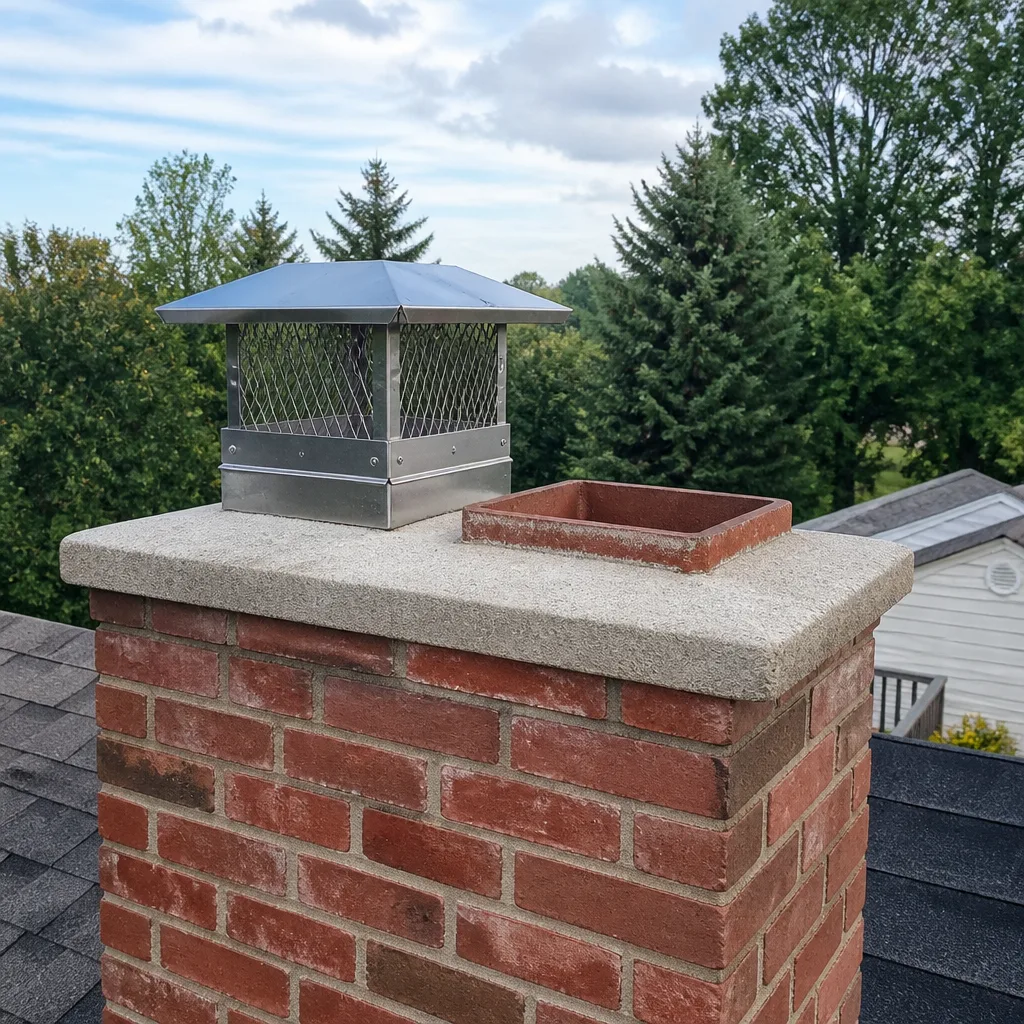 Sweep & inspection
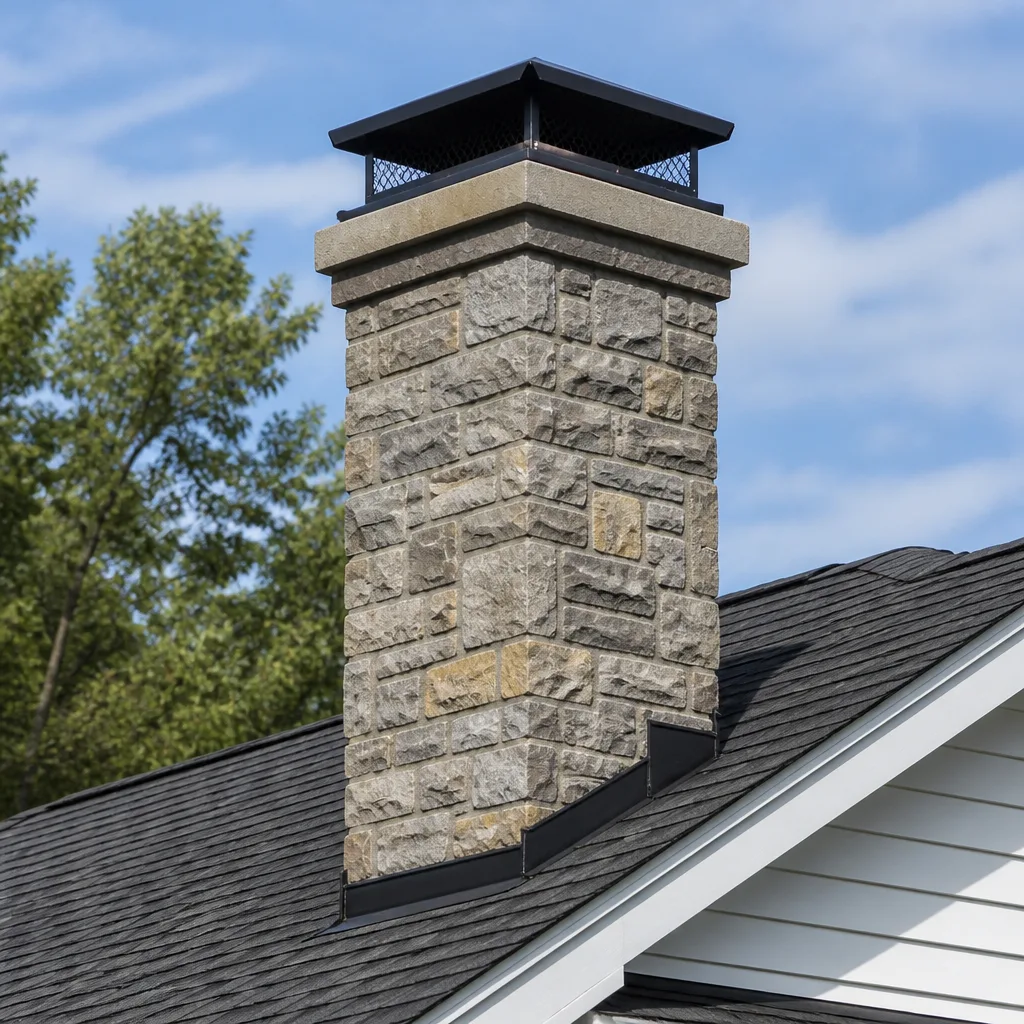 Caps & crowns
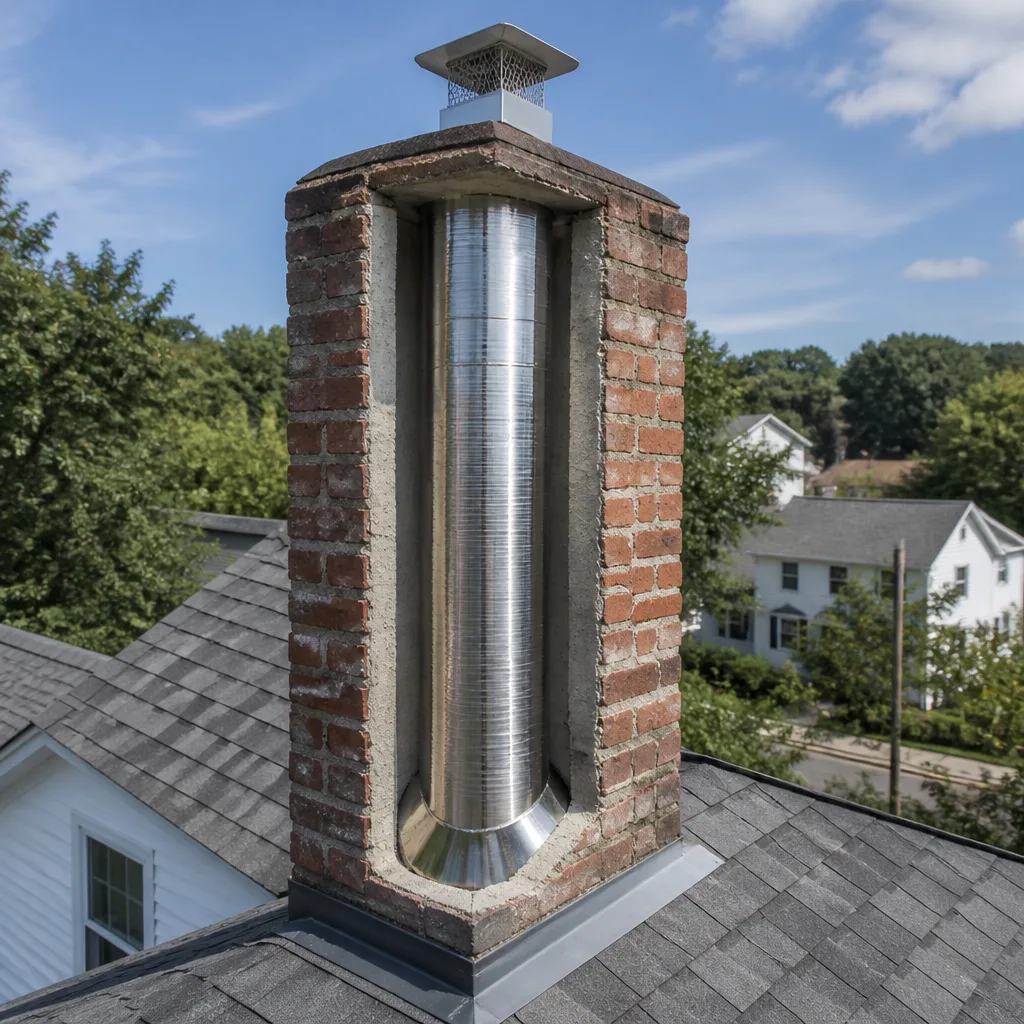 Flue relining
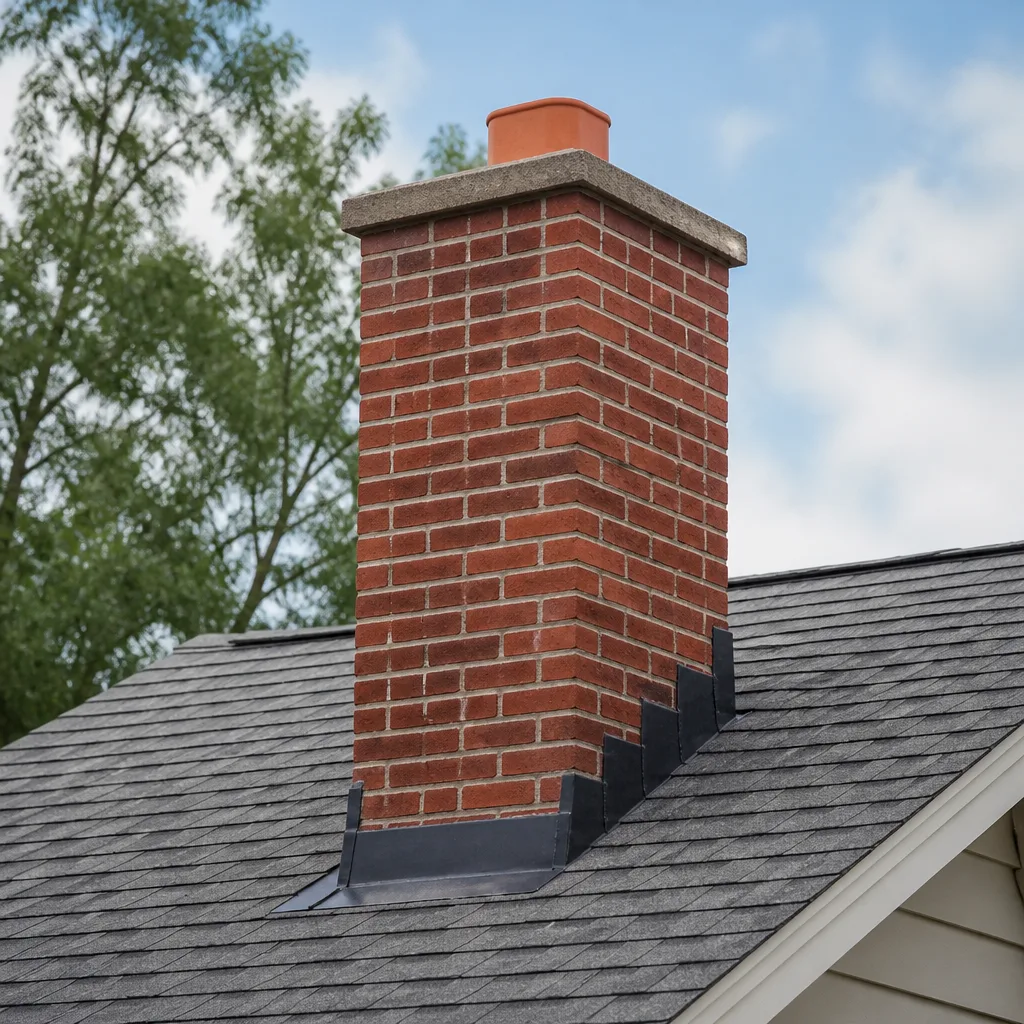 Masonry repair
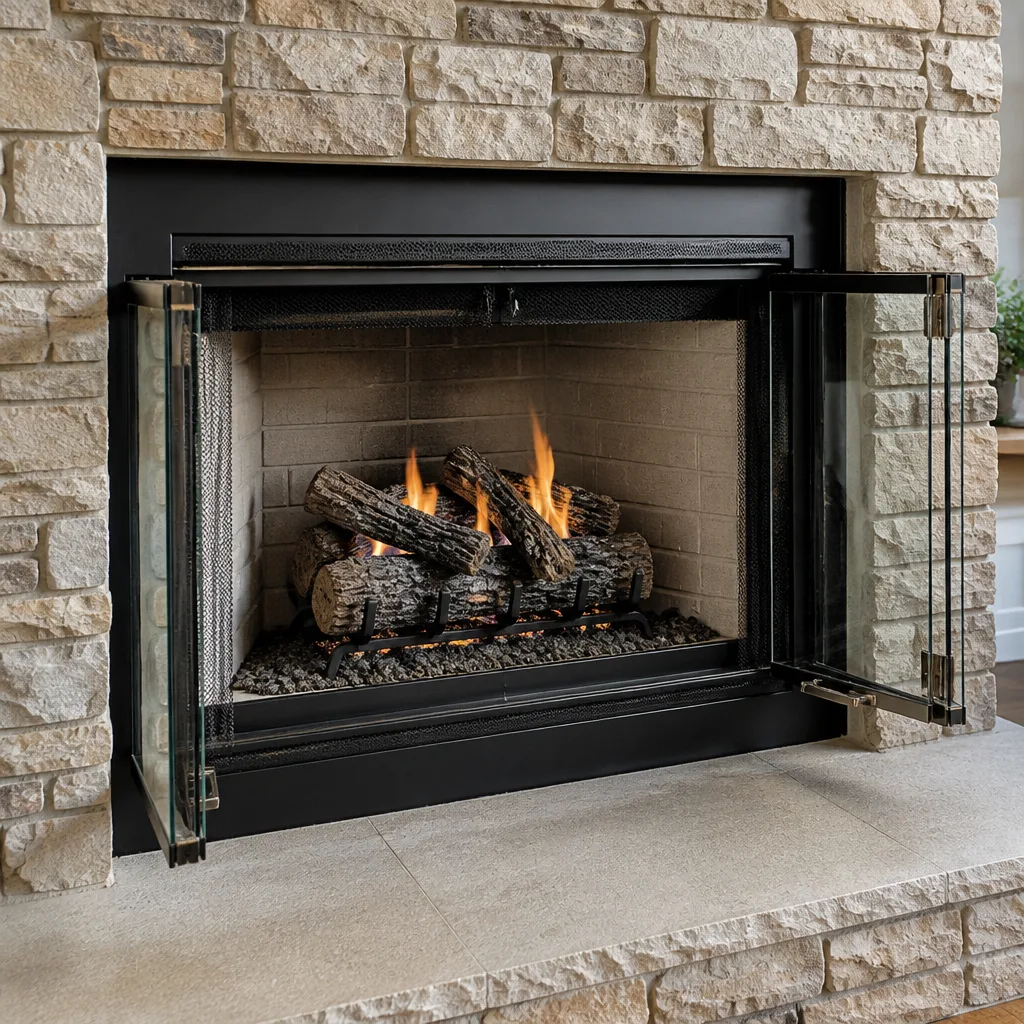 Gas fireplace service
Level 1 sweep and inspection to the NFPA 211 annual standard - flue, crown, cap, and flashing checked and photographed
Chimney sweep logs do not sweep chimneys. They loosen some creosote - which then falls where a brush and vacuum still have to collect it.
DIY vs Professional Chimney Cleaning: The Ridgewood Homeowner’s Decision Guide
Chimney brush kits sit on hardware store shelves with no warning label, and technically any Ridgewood homeowner can buy one. That’s the misconception worth clearing up first: the question isn’t whether you’re legally allowed to clean your own flue, it’s whether a cleaning done inside a party-wall rowhouse can stay contained. In attached housing, an improperly sealed firebox before brushing can push creosote particulate through shared flue gaps into a neighbor’s living space. This guide walks through the tools and protective gear a safe DIY cleaning actually requires, the honest skill assessment to run before you buy anything, what you can legitimately handle yourself, and what a certified sweep is the only person able to certify. We’ll also cover the cost math and what an insurance adjuster looks for after a chimney fire in Ridgewood.
Quick Answer
Professional chimney cleaning is the right choice for most Ridgewood homeowners, especially anyone in an attached rowhouse, a multi-unit building, or a home with a shared flue chase. DIY cleaning is reasonable for a detached single-family house when the firebox can be sealed properly, the flue is straight and accessible from the roof, and the homeowner has the right brushes, a working shop vacuum rated for fine ash, and fall protection. Even then, a DIY cleaning cannot substitute for the Level 1 inspection that a certified sweep performs and documents as part of a professional sweep.
Styles & brands we work with
- Sweep & inspection
- Caps & crowns
- Flue relining
- Masonry repair
- Gas fireplace service
Table of Contents
- What tools and protective gear does a safe DIY cleaning require?
- The honest skill assessment to run before you buy a brush kit
- What you can legitimately DIY (and what you can’t)
- The Ridgewood party-wall problem: why attached housing changes the math
- What a botched DIY cleaning looks like to an insurance adjuster
- The cost-benefit math: DIY kit vs professional sweep
- Why a Level 1 inspection only counts when a certified sweep performs it
- Common Mistakes to Avoid
- When to Call a Professional
- Frequently Asked Questions
- The Bottom Line
What tools and protective gear does a safe DIY cleaning require?
A proper DIY chimney cleaning needs more than the brush and rods that come in a starter kit. The full loadout covers rod extensions long enough to reach the top of the flue, a poly brush sized to the flue’s interior dimensions, drop cloths heavy enough to stay put on a hearth, a HEPA-rated shop vacuum for fine ash, a respirator rated for fine particulate, sealed goggles, and gloves. A headlamp helps in the firebox and smoke chamber. If you’re working from the roof to brush down, you also need a properly anchored ladder and fall protection rated for the pitch you’re standing on.
The tools tend to cost more than homeowners expect when they add up the pieces individually. A kit that includes the essentials rarely includes the respirator, drop cloths, or shop vacuum, and those three items alone bring the total close to the price of a professional sweep. That math matters, and we’ll come back to it further down.
The gear checklist
- Poly chimney brush sized to the flue interior (not the flue exterior)
- Rods with enough sections to reach the top of a typical Ridgewood rowhouse flue
- Heavy canvas drop cloths to seal off the firebox opening
- HEPA-rated shop vacuum
- Fine-particulate respirator, sealed goggles, gloves, headlamp
- Fall protection and a roof anchor if you plan to brush from the top
- Containment plastic and painter’s tape to seal door cracks between rooms
That last item matters most in Ridgewood homes. In attached housing, the goal isn’t just keeping dust off your own floor, it’s keeping creosote particulate inside your unit and out of any shared chase or gap.
The honest skill assessment to run before you buy a brush kit
Before spending money on equipment, run through a short self-assessment. The point isn’t to talk anyone out of trying, it’s to make sure the job is a realistic match for the house and the person holding the brush. Answer these five questions honestly, in order:
- Is your home detached, or is it an attached rowhouse with a shared flue chase? If it’s attached, the containment challenge goes way up and the risk isn’t only yours to manage.
- Can you seal the firebox opening completely? A tight seal is what keeps airborne soot inside your unit while you brush.
- Is the flue straight, or does it have offsets and elbows? Angled flues make brush control and debris retrieval harder for anyone who hasn’t done it before.
- Are you comfortable and steady on your roof, and do you own rated fall protection? If not, brush from the firebox up rather than the roof down.
- Are you trying to clean a fireplace that also functions as your main heating appliance, or one you use occasionally? An appliance you depend on daily runs more creosote and needs the frequency checked more closely.
If you answer no to question one, two, or four, the DIY route is the wrong fit for your situation. If you answer yes to all five, a DIY cleaning is workable as an interim measure, with the understanding that it still won’t include a certified inspection.
Our technicians have up to 15 years of experience, and the consistent pattern they see is homeowners who buy the kit, start the job, and stop halfway because the containment isn’t holding. Calling us for a chimney sweep before you buy equipment avoids that stall.
What you can legitimately DIY (and what you can’t)
Some chimney maintenance is well within reach for a careful homeowner. Other parts are off-limits for good reason, either because the code requires a certified inspection, or because the work carries real injury risk. Here’s the honest split.
DIY-friendly
- Cap inspection: Get on a ladder with binoculars or a phone camera to look at the cap and crown from a safe standing height. Note whether the cap is intact, rusted, or missing a screen.
- Basic smoke chamber visual: Shine a strong flashlight up into the smoke chamber from the firebox to check for heavy soot buildup, cracked refractory, or visible damage. You’re looking, not reaching in.
- Ash removal: Empty the ash pan when the fire is fully cold. That’s simple housekeeping and it’s safe.
- Damper and flue operation: Open and close the damper to confirm it moves freely. Note any sticking or gaps.
Requires a certified sweep
- Brush cleaning of the flue: Doable by a homeowner in a detached home when properly sealed, but a certified sweep brings the containment and the inspection that goes with it.
- Any inspection required by code: A Level 1 inspection has to be performed and documented by a certified sweep. A homeowner doing their own sweep can’t certify anything.
- Liner inspection or repair: Cracked or deteriorated liners need a professional assessment, and in many cases a relining approach like HeatShield ceramic resurfacing, which repairs the flue without a full demolition.
- Chimney cap or crown installation: Crown work involves masonry and proper flashing, and even cap installation has to be done so the cap doesn’t trap moisture. Our chimney cap & crown work is the kind of fabrication and fitting a certified sweep handles.
- Fireplace repair: Firebox, damper, and hearth repair is skilled masonry and should be handled by someone who does it regularly.
If you want a clear picture of what your system needs before deciding, a standalone chimney inspection is the right starting point. That’s a service in its own right, not a version of an upsell.
The Ridgewood party-wall problem: why attached housing changes the math
Most of Ridgewood’s housing stock is attached: rowhouses, semi-detached homes, and two- and three-family buildings that share walls. That changes the DIY calculation in ways that plans drawn up for a detached house don’t capture. When two units share a wall and each has its own flue in a stacked or side-by-side chase, the chases are often not fully sealed. Small gaps around the flue liner are common, and pressure changes can move air between the units. If you seal your firebox poorly and then brush the flue, you can push airborne creosote particles into that shared gap and from there into a neighbor’s living space.
What that means in practice
- Containment matters more than brushing efficiency. A completely sealed firebox opening keeps the dust on your side.
- Debris needs to travel down and out, not sideways into a chase. The right vacuum and drop cloth placement directs that flow.
- If your rowhouse shares a single flue or a chimney stack with a neighbor, a brush run that dislodges debris on your side can settle in a shared area neither of you can easily reach.
- A chimney stack shared between two roofs needs both sides assessed before anyone sweeps. A homeowner can only see their half.
Ridgewood’s full range of housing types, from semi-detached buildings on the quieter blocks to multi-unit structures closer to the main corridors, means the party-wall challenge shows up across the whole neighborhood. We’re called to plenty of these homes, and the shared-chase configuration is consistent: containment is the whole ballgame.
If your chimney can’t be sealed well enough to keep dust inside your unit, the DIY option is off the table until it can. That’s the honest boundary. If you want a professional assessment of what you’re working with, we handle chimney repair as well, so any gaps in the chase that turn up during the sweep can be addressed in the same visit.
What a botched DIY cleaning looks like to an insurance adjuster
Here’s the part homeowners don’t think about until it matters: an insurance adjuster looking at a fire claim asks who inspected and maintained the system. If the most recent cleaning was DIY, there’s no inspection report to show, no certified documentation of the system’s condition, and no paper trail of what the flue looked like before the incident. That gap is what becomes a problem in a claim, not the DIY cleaning itself.
What that looks like on the adjuster’s desk
Adjusters are trained to look for neglect. If a claim follows a chimney fire and there’s no evidence the system was ever inspected by a certified sweep, that absence can be read as neglected maintenance. Some policies treat that differently than a properly maintained system. The policy language varies by carrier, and we’re not insurance people, so we can’t tell you what your specific policy will do. But the pattern is real: the more documentation you have, the more clearly the claim proceeds.
What counts as documentation
- A written sweep and inspection record, signed by a certified technician
- Photos of the flue interior taken as part of a Level 1 inspection
- Any prior repair receipts or liner installation records
- Notes on the last time the cap and crown were checked
A DIY cleaning produces none of these. Even a competent brush-down with no damage done leaves the record just as blank.
Whether your insurer attaches specific conditions to a DIY-maintained chimney is something to ask your agent directly. What we can say is that our inspections produce a written record you can hand to your carrier, and a lot of Ridgewood homeowners end up getting a professional sweep specifically for that documentation. Call (877) 492-3239 for an estimate if that’s the reason you’re considering it.
The cost-benefit math: DIY kit vs professional sweep
The honest math on DIY versus professional chimney cleaning comes down to total cost, not the sticker price of a brush kit. A basic DIY brush kit is cheaper than a professional sweep, but it doesn’t include the tools that make a cleaning safe, and it doesn’t include the inspection. Factor those in and the gap narrows significantly. The variable that tips the scale further is documentation: an inspection report is only valuable when a certified sweep signs it.
| Line item | DIY route (detached home only) | Professional sweep |
|---|---|---|
| Brush kit or service | Kit and rods | Flat-price sweep and Level 1 inspection, agreed before booking |
| Shop vacuum (HEPA-rated) | Purchase or borrow | Included |
| Respirator, goggles, gloves | Purchase | Included |
| Drop cloths, containment plastic | Purchase | Included |
| Fall protection and anchor | Purchase, or brush from the firebox | Included |
| Level 1 inspection | Not possible | Included, with photo report |
| Written documentation | None | Included |
Once you add the respirator, HEPA vacuum, drop cloths, and fall protection, the DIY total often reads as competitive on paper. But the two columns aren’t doing the same job. The professional sweep comes with an inspection and a written record the DIY route can’t provide. Add a second cleaning in a year and a half and the kit cost can repeat, whereas the professional sweep is priced per job.
The final price for either path is set by the written estimate, so the honest move is to get the estimate and compare it against the full DIY gear list, not the starter kit alone. Call (877) 492-3239 for an exact quote; estimates are free.
Why a Level 1 inspection only counts when a certified sweep performs it
A Level 1 inspection is the basic annual condition check that a certified chimney sweep performs and documents. It includes a visual review of the accessible portions of the chimney and flue, the firebox, the smoke chamber, the damper, and the cap, and it produces a written record of what was found. The reason a homeowner can’t certify their own inspection isn’t that the act of looking is difficult. It’s that an inspection’s value comes from the certified technician’s signature on the record. Without that certification, there’s no documentation.
What a Level 1 inspection covers
- Exterior and interior visual check of the accessible chimney structure
- Flue interior review via camera where accessible
- Firebox and smoke chamber condition
- Damper operation
- Cap and crown condition
- Written report with photos, including anything requiring attention
For most Ridgewood homeowners, a Level 1 accompanies the annual sweep rather than standing alone. When a sweep reveals signs that the system needs deeper review, the next step might be a more thorough inspection, but that’s a conversation for after the sweep, not before. Our inspections are standalone services, which means you’re not pushed into a wider inspection you didn’t ask for. You get a clear picture of system health and a recommendation that’s tied to what the photos show.
Common Mistakes to Avoid
- Buying a brush kit without the containment tools. The kit is the cheapest part of a DIY cleaning. The drop cloths, sealing plastic, and HEPA vacuum are what make it safe in a real home, and they’re what most starter kits leave out.
- Brushing without sealing the firebox opening. In any home this puts soot into the room; in a Ridgewood rowhouse it can push particulate into a shared chase and from there into a neighbor’s unit. Sealing the opening first is not optional.
- Working from the roof without fall protection. Chimney work is height work. If you don’t have a rated anchor and fall protection for the roof pitch, brush from the firebox up instead of the roof down.
- Treating a DIY sweep as an inspection. A brush-down doesn’t produce documentation a certified sweep can sign, and no insurance adjuster will treat it as an inspection record. It’s a cleaning, full stop.
- Assuming every brush fits every flue. Flue dimensions vary, and an oversized brush binds while an undersized brush doesn’t clean. Check the flue’s interior dimensions before you buy.
- Skipping the shared-stack question in a semi-detached home. If your chimney stack is shared with a neighbor, a sweep on your side can dislodge debris that settles on theirs. Both sides need an assessment before either is swept.
- Cleaning a gas appliance flue with wood-burning tools. A gas appliance needs specific attention, and the tools for a wood-burning flue aren’t automatically the right tools for a gas appliance. Any gas-related work belongs with a specialist.
When to Call a Professional
Call a professional sweep if any of these describe your home: you’re in an attached rowhouse or a multi-unit building; the chimney stack is shared with a neighbor; your flue has offsets or elbows; you’re brushing a gas appliance; the system has never been inspected; you’re preparing to sell; or you need documentation for an insurer. Also call if the cap or crown looks damaged, if you’ve noticed staining on the chimney’s exterior, or if the firebox or damper is failing. None of these are things a homeowner should be trying to handle alone. Chimney Sweep Ridgewood offers free estimates in Ridgewood – call (877) 492-3239. We answer 24/7, and our technicians have up to 15 years of experience. Fast dispatch from 7am to 7pm, Sunday through Friday.
Frequently Asked Questions
Cleaning your own chimney is safe in a detached single-family home when you have the right tools, seal the firebox opening properly, and either use fall protection on the roof or brush from the firebox up. It’s not safe in a Ridgewood rowhouse with a shared chase, because the containment is incomplete and dust can migrate into a neighbor’s unit. Also say no to a DIY cleaning if you’re brushing a gas appliance flue, working around a failing flue liner, or can’t safely access the roof. Call (877) 492-3239 if you want us to look at the system first.
Most chimneys should be swept once a year, and more often when the fireplace is used heavily or when you’re burning unseasoned wood. Ridgewood’s rowhouses and older housing stock tend to run a bit more creosote than a newer detached home, so an annual sweep is the safe default. The right interval depends on your burning habits and the condition of the flue. A Level 1 inspection at the annual sweep will tell you whether the frequency needs adjusting. Call (877) 492-3239 to book a sweep and inspection together.
Skipping cleanings lets creosote build up on the flue walls, and creosote is what fuels a chimney fire once it reaches a certain thickness. A blocked or narrowed flue also causes smoke and carbon monoxide to back up into the living space instead of venting properly. Carbon monoxide has no smell, which is why the risk tends to go unnoticed until there’s a problem. The safe move is the annual sweep, which is also the cheapest way to know the flue is functioning. Call (877) 492-3239 for an estimate.
A sweep removes creosote and debris from the flue, while an inspection assesses and documents the system’s condition. They’re usually performed together, but they’re distinct services with distinct value. A homeowner can occasionally perform a sweep; only a certified technician can perform and certify a Level 1 inspection. In Ridgewood rowhouses, most homeowners book both together. Call (877) 492-3239 if you’d like to book a sweep and a standalone inspection.
Whether a claim is covered depends on your policy language and the specifics of the incident, so the honest answer is to ask your agent directly. What we can say is that documented maintenance makes any claim smoother. A written sweep and inspection record from a certified sweep gives the adjuster something to work with. A DIY cleaning produces no record at all. Call (877) 492-3239 if you’d like an inspection report for your records.
Use a HEPA-rated shop vacuum, not a standard one. Fine ash and creosote dust pass straight through the filters of a conventional shop vac and end up back in the air, which defeats the containment. HEPA filtration captures that finer material. A standard shop vacuum can also be a fire hazard if any embers are still in the ash, so make sure the fire is completely cold before you start. Call (877) 492-3239 if you’d rather not deal with the equipment at all.
The Bottom Line
DIY chimney cleaning isn’t inherently dangerous. In a detached home with the right tools and proper containment, it’s a workable interim measure. But in a Ridgewood rowhouse, the party-wall configuration means a poorly contained cleaning can affect neighbors, and that liability isn’t something a solo homeowner is set up to manage. The other piece worth weighing is documentation. Even a clean DIY job leaves you without the inspection record that matters most when you need it: for code, for resale, or for an insurance claim. A professional sweep comes with a Level 1 inspection, a written record, and a containment standard that a homeowner can’t easily match. Ridgewood’s mix of housing types makes that accountability especially important. Chimney Sweep Ridgewood handles the sweep, the inspection, cap and crown work, liner installation with DuraFlex, and HeatShield ceramic resurfacing as a single source, so nothing gets handed off between crews. If you want to see what your system actually needs, call us. Call (877) 492-3239 for a free estimate. We answer 24/7, and fast dispatch runs 7am to 7pm, Sunday through Friday.
Set Up Your Ridgewood Sweep
Take the guesswork out of chimney care. Call (877) 492-3239 for a free estimate from Chimney Sweep Ridgewood, or visit our main page to review how we handle Chimney Sweep Ridgewood service across sweep, inspection, cap and crown, repair, and fireplace work. Estimates are free and the final price is set by the written estimate.
Written by the team at Chimney Sweep Ridgewood.
See the difference
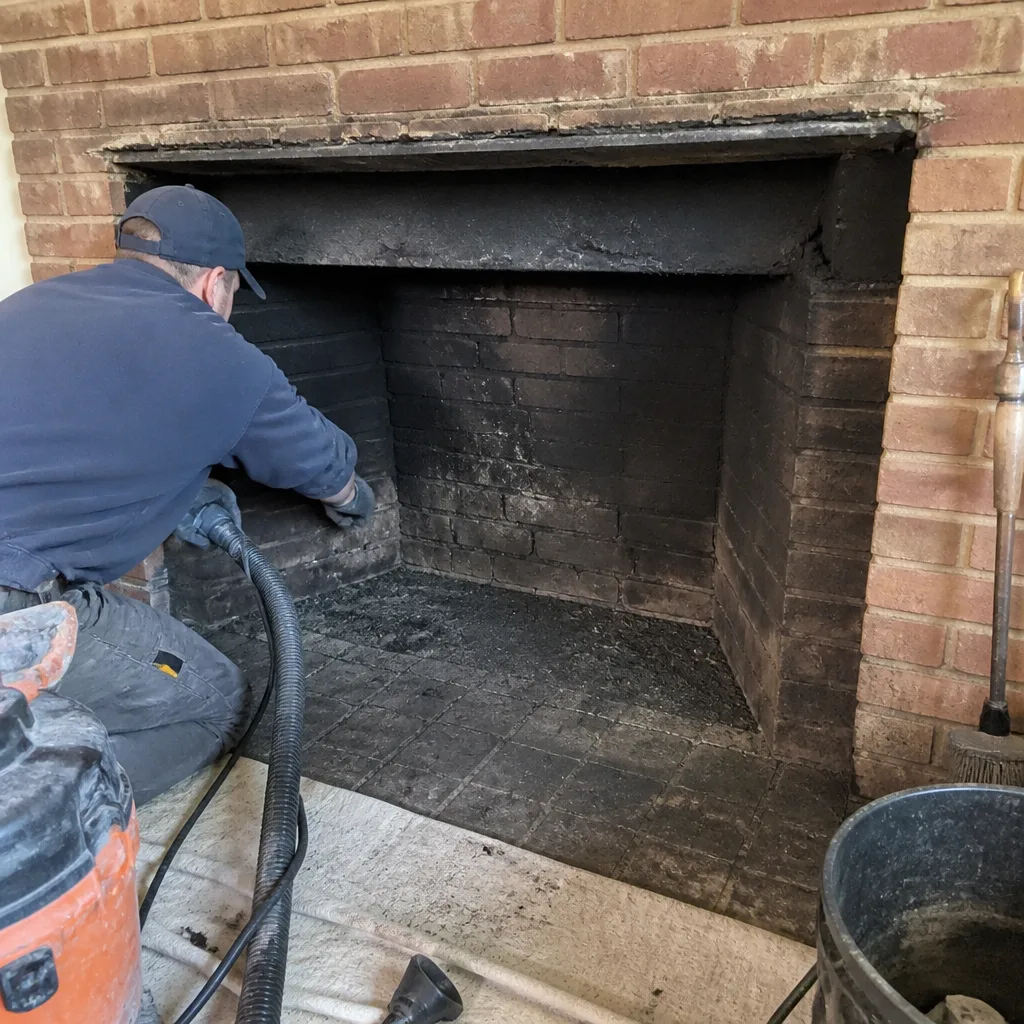 Before
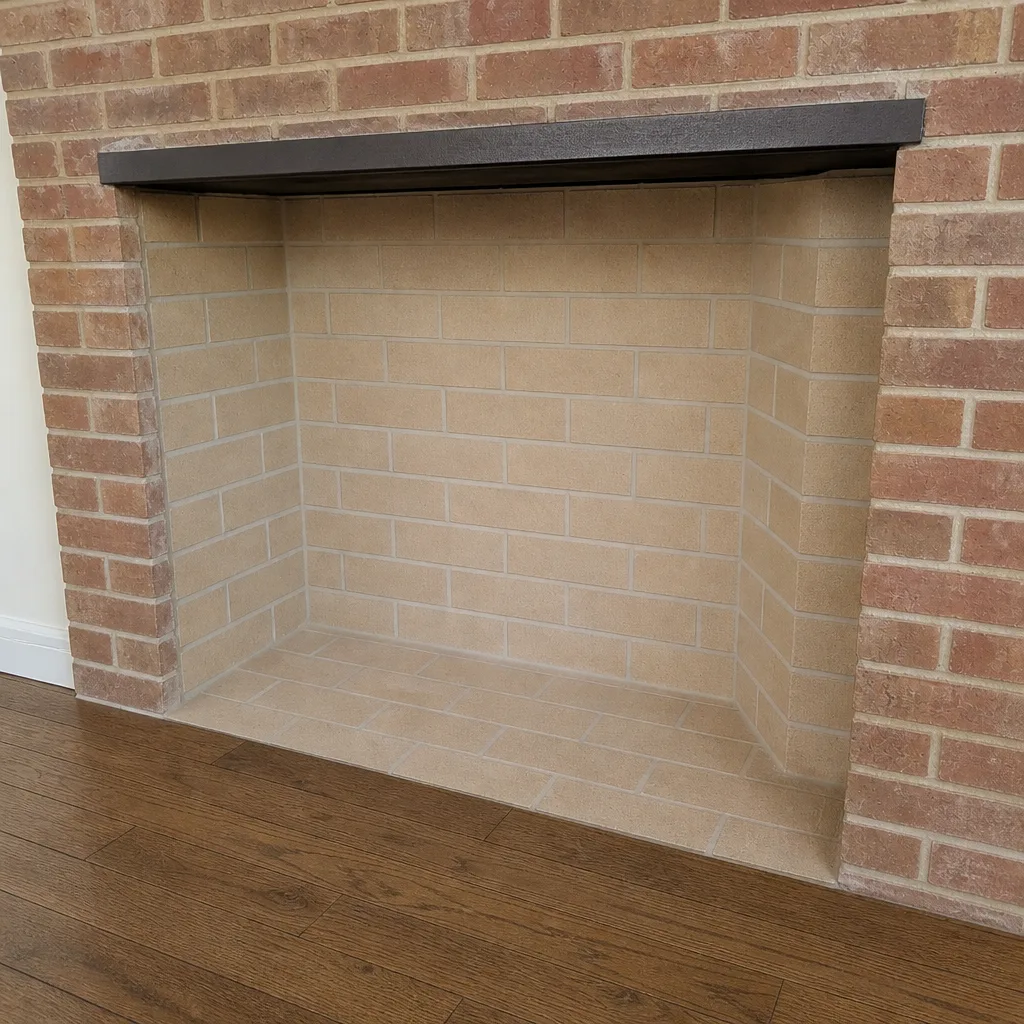 After
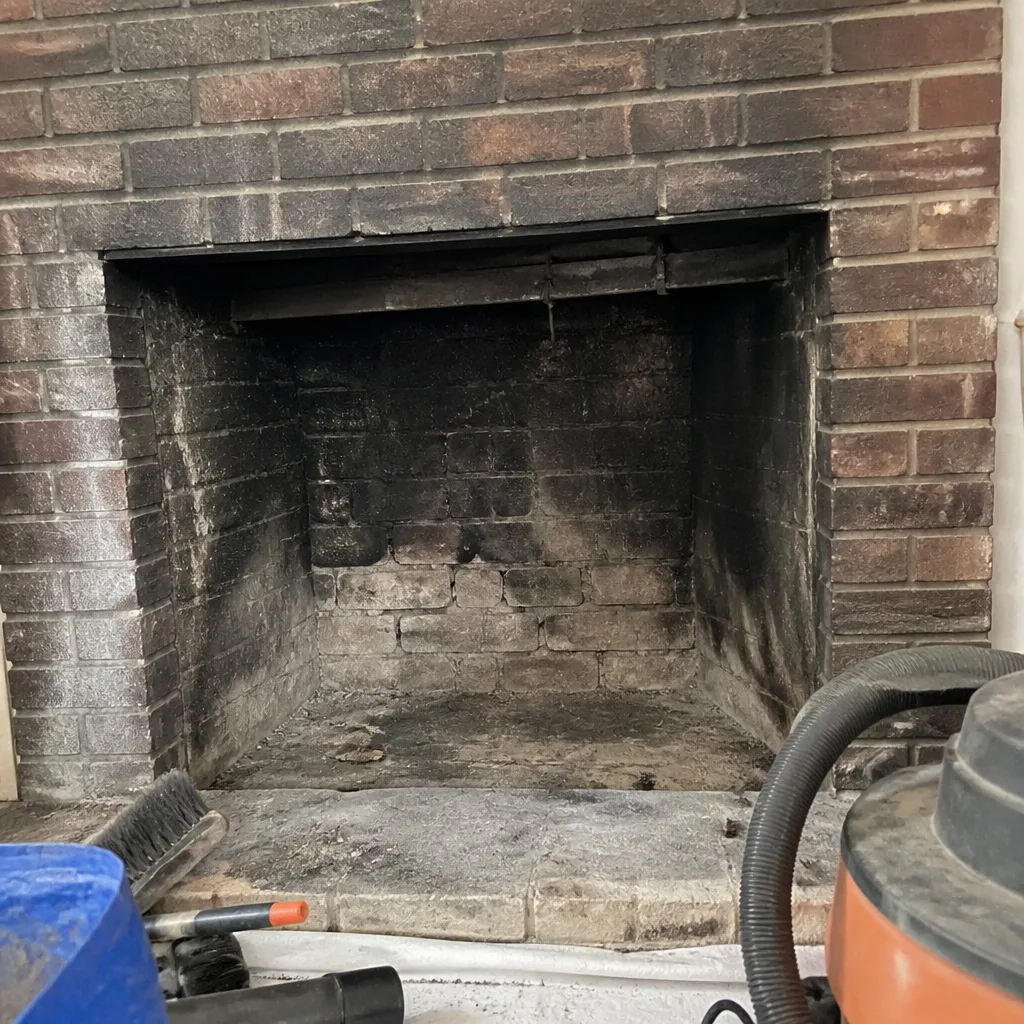 Before
 After
 Before
 After