
Last updated November 25, 2026
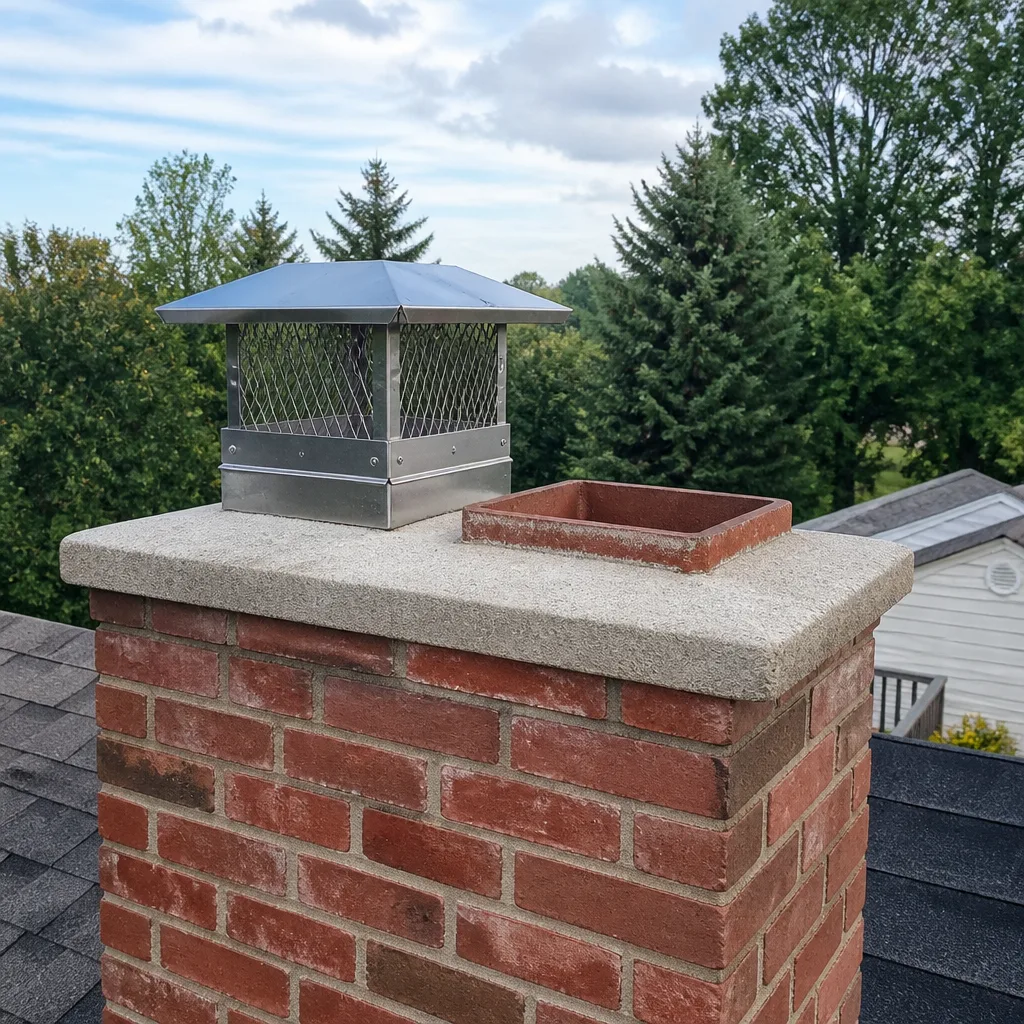 Sweep & inspection
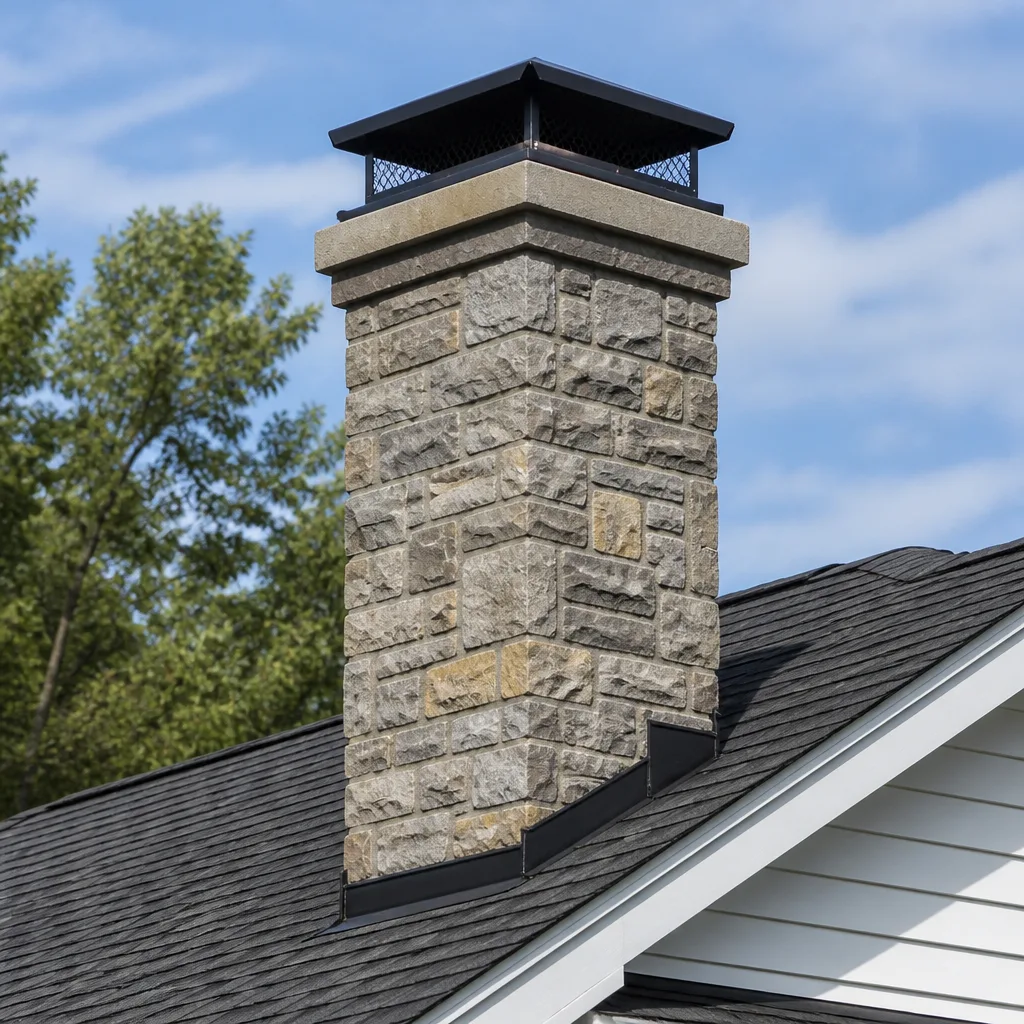 Caps & crowns
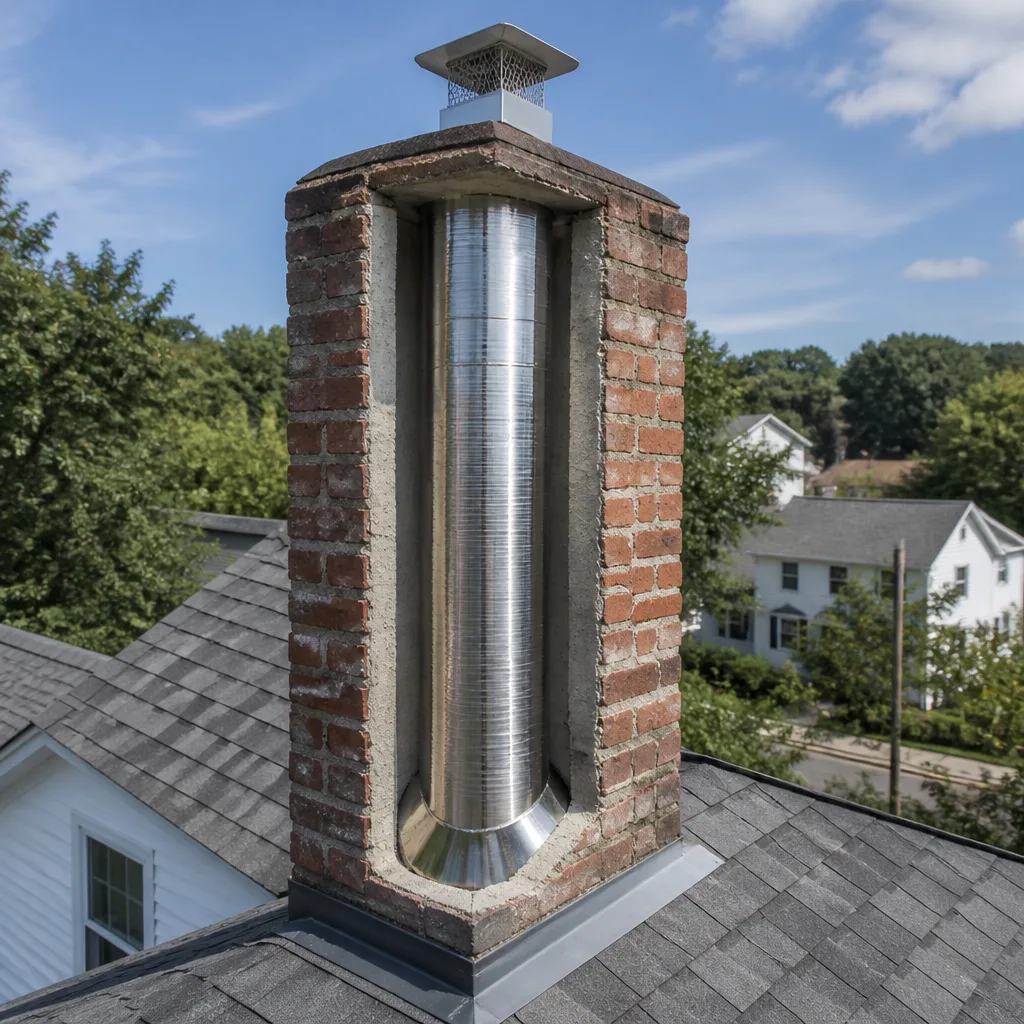 Flue relining
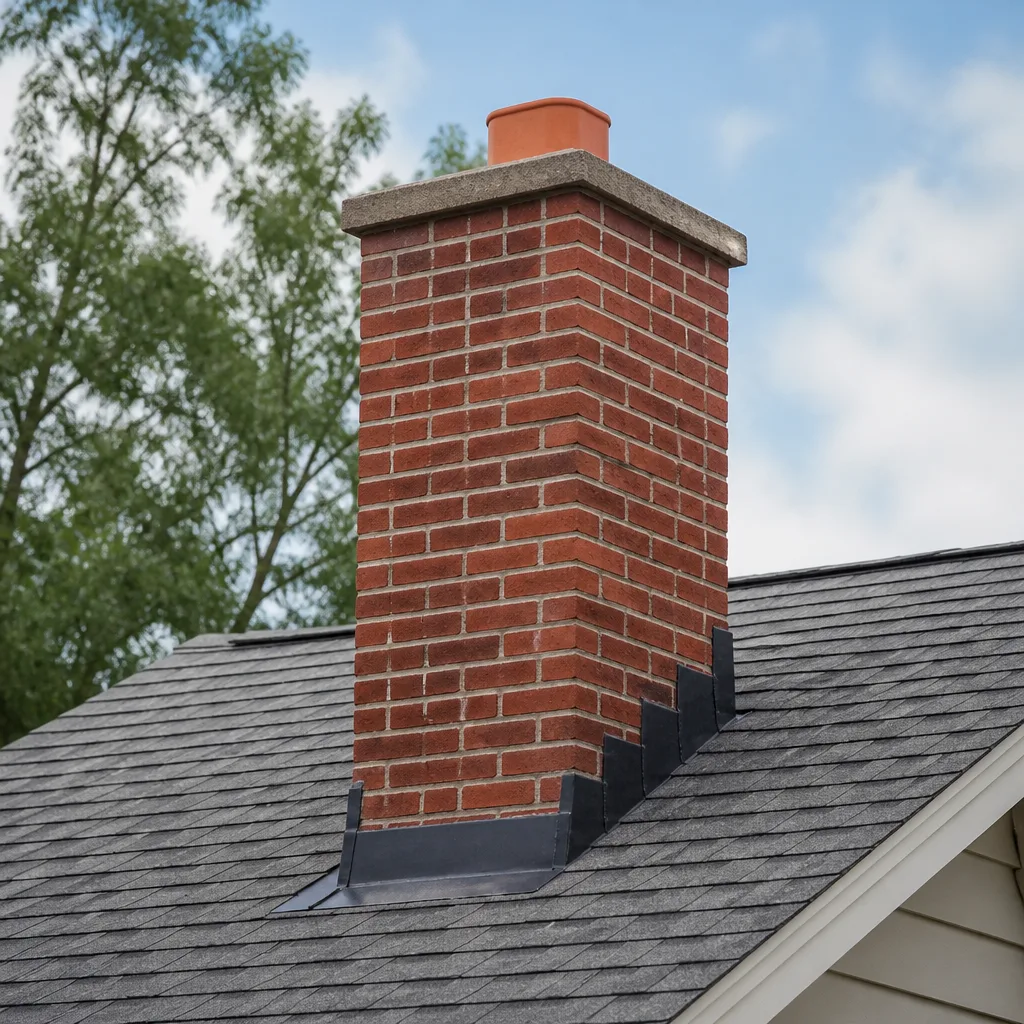 Masonry repair
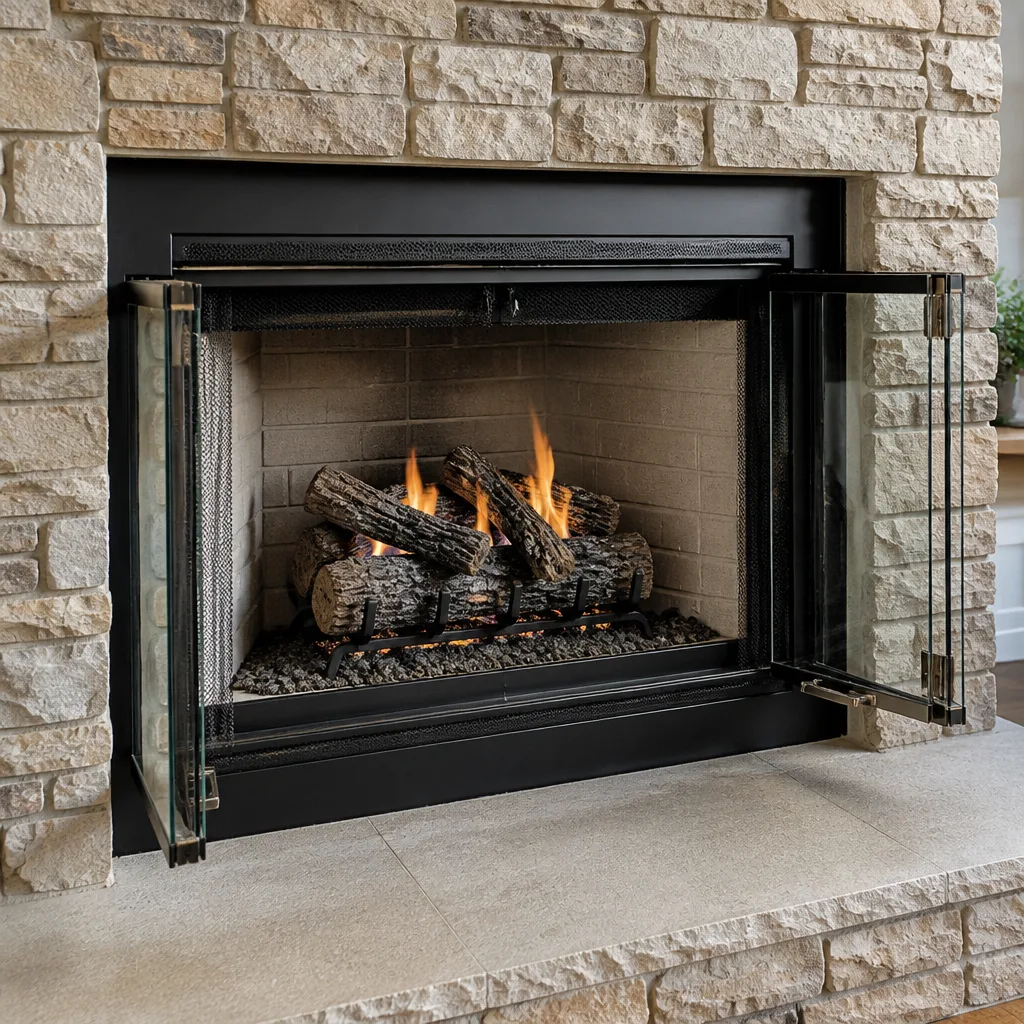 Gas fireplace service
Level 1 sweep and inspection to the NFPA 211 annual standard - flue, crown, cap, and flashing checked and photographed
Chimney sweep logs do not sweep chimneys. They loosen some creosote - which then falls where a brush and vacuum still have to collect it.
Chimney Cleaning Cost Breakdown: The Ridgewood Homeowner’s Reference for 2026
A low cleaning quote is often the most expensive document a homeowner can sign. The number in bold on the postcard or the phone estimate covers the least labor-intensive part of the job: a brush run down one flue. What it doesn’t cover – the inspection that tells you whether the flue is safe to use, the smoke chamber that’s caked in third-degree creosote, the disposal of the debris – is where the final bill grows. Two quotes for a “chimney cleaning” in Ridgewood can differ by hundreds of dollars and still describe the same physical chimney. This guide breaks down every line item you should expect to see on a 2026 Ridgewood quote, what drives the price up or down in the rowhouses and older attached homes of this neighborhood, and how to read a bid the way a specialist reads it.
Quick Answer
A standard chimney sweep in Ridgewood for a single open flue typically runs $180-$320 in 2026. A Level 1 inspection, when paired with the sweep, usually adds $75-$150; a Level 2 inspection with camera work adds $200-$450. Creosote treatment, debris disposal, and multi-flue work are separate line items. The final price is set per job by the written estimate.
Styles & brands we work with
- Sweep & inspection
- Caps & crowns
- Flue relining
- Masonry repair
- Gas fireplace service
Table of Contents
- What each chimney service actually costs in Ridgewood in 2026
- What drives price variation in Ridgewood rowhouses and attached homes
- How to read a low-bid quote: the five line items that should always appear
- Cleaning only vs. cleaning plus inspection: which one do you need?
- Creosote stages and why treatment is a separate charge
- Liner inspection with camera: when it saves you thousands
- NYC energy incentives and homeowner’s insurance: what chimney work may qualify for
- Questions to ask before you sign any chimney cleaning estimate
What each chimney service actually costs in Ridgewood in 2026
Chimney work is priced line by line, not bundled like an oil change. Understanding the discrete services first is the only way to tell whether a quote is thorough or padded. These are the ranges we typically see for a Ridgewood chimney, broken out the way they should appear on a real estimate.
| Service | Typical 2026 range (Ridgewood) | What it covers |
|---|---|---|
| Standard sweep, single flue | $180-$320 | Brush cleaning of one flue, firebox vacuuming |
| Additional flue sweep | $75-$150 per flue | Same brush and vacuum work on a second or third flue |
| Level 1 inspection | $75-$150 | Visual check of accessible components, often bundled with a sweep |
| Level 2 inspection (camera) | $200-$450 | Video scan of the flue interior, smoke chamber and connections |
| Level 3 inspection | Quoted per job | Investigation that requires opening walls or removing components; always a custom written estimate |
| Creosote treatment (sweepable) | $150-$350 | Chemical or rotary treatment of stage 2 deposits before re-sweeping |
| Debris disposal | $25-$75 | Bags of soot, creosote and nesting material removed from the property |
| Cap, crown and structural repair | Quoted per job | Varies entirely with condition; see chimney cap & crown |
Nothing on that list is optional padding if the technician can point to a reason for it. Debris disposal, for example, isn’t a fee-grab – a sweep that leaves a bag of soot on your curb hasn’t finished the job. And the ranges matter: a quote far below the floor on standard sweeping is not a bargain, it’s an indication that something on the list above is missing from the work order. Our technicians have up to 15 years of experience, and the pattern is consistent – the cheapest quote is almost never the one with the fewest surprises.
What drives price variation in Ridgewood rowhouses and attached homes
Ridgewood is full of rowhouses and older attached homes, and that building stock shapes chimney pricing in ways a suburban homeowner would never encounter. Five factors do most of the work.
1. Flue height and pitch
A taller chimney stack means more ladder work, more rope, and more time. Two chimneys on the same block can differ by six feet of vertical run, and the price reflects the extra setup. Roof pitch matters too – a steep roofline on a Ridgewood rowhouse sometimes means the technician works from a more careful angle than on a flat roof, which adds time.
2. Accessibility constraints
Shared walls, tight side yards, fences, and parked cars along the block all affect setup. When a Ridgewood chimney can only be reached from one side, the technician has to plan the entire job around that single access point. That’s not a surcharge – it’s why the price is quoted per job in the first place rather than per square foot.
3. Multi-flue systems in older attached homes
An older attached Ridgewood home may have two or three flues serving separate fireplaces or appliances. Each flue gets swept, inspected, and disposed of separately. A quote that names only “one chimney” without clarifying how many flues it covers is a quote with a landmine in it.
4. Appliance type
A wood-burning fireplace produces different creosote residue than a gas insert or a wood stove. Gas appliance flues need different cleaning tools and inspection protocols. If your quote doesn’t ask what appliance you’re burning, it isn’t tailored to your system.
5. Condition of the smoke chamber and damper
The smoke chamber – the sloped space just above your firebox – is where the worst creosote accumulates and where many cheap quotes stop short. Cleaning it properly takes separate tools and separate time. That’s why the number matters: a $99 special often cleans the flue and leaves the smoke chamber as-is.
How to read a low-bid quote: the five line items that should always appear
Read a chimney quote like a specialist and the low-bid trick stops working. Every thorough Ridgewood estimate should show these five line items explicitly:
- The sweep itself. Which flue, which appliance, and how much time is allotted. If the quote doesn’t name the flue, ask.
- The inspection level. Level 1, 2, or 3 should be stated. Silence means no inspection is planned.
- Smoke chamber and damper cleaning. These are separate work areas from the flue. If they’re not listed, they’re not happening.
- Debris removal and disposal. A bagged, spelled-out charge. If it isn’t on the quote, expect it on the invoice.
- Findings summary. A sweep should end with a written record of what was found, even if no repair is needed. This is what a real chimney sweep delivers.
When any of those five items is absent, the quote isn’t cheaper – it’s incomplete. The technician will either add the missing work later or skip it entirely. Both outcomes cost you more than a complete quote would have. We’ve seen this play out in Ridgewood repeatedly: a homeowner pays $99 in the fall, then $400 in January when the missing diagnostic work catches up.
Cleaning only vs. cleaning plus inspection: which one do you need?
This is the single most consequential decision in the pricing discussion. Cleaning removes deposits. Inspection establishes the condition of the system. They are different jobs with different tools, and you often need both – but not always.
When cleaning only is appropriate
- Your system was cleaned and inspected within the last year
- You burn a small amount of seasoned hardwood, and there’s no history of trouble
- No smoke problems, no odors, no drafting issues
When cleaning plus inspection is appropriate
- New to you – you just bought or moved into the Ridgewood home and don’t know its service history
- You’ve changed appliance type (added a gas insert, converted to a wood stove)
- You’ve noticed smoke rollback, an unusual smell, or draft problems
- You’ve had a chimney fire, even a small one, or a hailstorm or impact event
- The previous appointment was cleaning only, and no inspection has ever been documented
The cost difference between a cleaning-only appointment and a cleaning-plus-inspection appointment is usually a few hundred dollars. The cost difference between missing a failing liner and catching it early is measured in the thousands. An inspection is a standalone service in our shop precisely because it should never be a pressure tactic bundled into a cleaning. You should always be able to buy the inspection without the cleaning and vice versa.
Creosote stages and why treatment is a separate charge
Creosote is the tar residue that condenses inside a chimney as smoke cools. It comes in stages, and only the first stage comes off with a standard brush. That’s why treatment is a separate line item on a competent quote, not a cleaning add-on invented to pad the bill.
The three stages
- Stage 1 – soot and light flake. Standard sweeping handles this. No separate charge.
- Stage 2 – glazed and crusted deposit. Brush work loosens some of it; the rest needs a chemical or rotary treatment. This is where the $150-$350 treatment range appears.
- Stage 3 – glazed, hardened creosote. Treated with rotary tools and specialist chemistry, or in extreme cases by removing and relining. This is the stage that sustains a chimney fire, and it’s why a technician who finds it stops and talks to you before continuing.
Ridgewood’s cold winters mean the fireplace is running hard through January and February, and a wood-burning appliance that’s regularly choked down to low air settings builds glazed creosote faster than one burned hot. That’s a climate fact, not a scare tactic. It’s why the cleaning interval matters, and why the technician’s debris bag tells you more about your system’s history than an inspection report will.
Liner inspection with camera: when it saves you thousands
A camera inspection of the flue interior costs $200-$450 on its own and shows you what no visual inspection from the firebox can: cracks, gaps, offset flue tiles, and corrosion in the liner. On a Ridgewood rowhouse with a chimney that’s been in service for decades, that scan is the difference between knowing your liner is sound and hoping it is.
When the camera finds deterioration, the recommendation is usually one of two paths:
- Relining without demolition using HeatShield ceramic resurfacing or a DuraFlex flexible liner – the flue is restored from the inside, no masonry rebuild required. This is a specialist-level service most general contractors don’t offer.
- Full rebuild – only when the surrounding masonry itself is unsound and can’t be saved.
The cost difference between those two paths is significant, and that’s exactly why the camera inspection matters. A written report you can see for yourself, with photos and footage, is what separates a professional line-item recommendation from a sales pitch. Nothing should be recommended without evidence you can review. If your chimney is safe to use with routine maintenance, we say so plainly and put the repair on the calendar for a future visit. Products like DuraFlex and HeatShield are specified because they’re what professional chimney contractors rely on, not because they’re on a sales incentive list. If you want to talk through the difference between relining and rebuilding for your specific Ridgewood chimney, we can walk you through it on a free estimate.
NYC energy incentives and homeowner’s insurance: what chimney work may qualify for
Chimney work occasionally qualifies for assistance, and knowing the language to look for spares you a rejected claim. Two paths are worth checking.
NYC energy efficiency incentives
Some chimney upgrades – particularly relining as part of an appliance conversion, or efficiency improvements tied to a heating system replacement – may be eligible for city or utility energy efficiency programs. Eligibility changes year to year, so the operative step is to check with your specific program before work begins, not after. Ask the estimator: “Does this work qualify for any NYC energy efficiency incentive?” The answer should be a specific yes, no, or a referral to the program’s own eligibility page. Never assume a rebate applies – verify it directly with the program.
Homeowner’s insurance coverage
Most homeowner’s policies exclude routine chimney maintenance and cleaning, but many cover sudden and accidental damage – a chimney fire, a lightning strike, or damage from a related event. The policy language to look for:
- “Sudden and accidental” damage language, as distinct from “gradual deterioration” exclusions
- Specific mention of “chimney” or “masonry” in the coverage or exclusion section
- Any requirement that maintenance records be produced to support a claim
Your insurer, not your chimney technician, is the authority on what your policy covers. What we can do is document the condition of the system with photos and a written report so that when you file, you’re filing with evidence.
Questions to ask before you sign any chimney cleaning estimate
Bring these to the estimate conversation. A specialist answers them without hesitation. A generalist or a discount operator deflects.
- Which flues are covered? If your Ridgewood home has two flues and the quote says “chimney,” ask for a specific count.
- What inspection level are you including? Level 1, 2, or 3 should be named.
- Is the smoke chamber being cleaned? Yes or no, with a separate line item.
- What happens if you find stage 2 or 3 creosote? The answer should describe treatment options and pricing before any work begins.
- Do you document findings in writing? You should receive a written summary of the system’s condition after every sweep.
- Who does the repair work? If the answer involves a subcontractor, ask who takes responsibility if the repair fails. A single-source specialist owns every phase. You can read more about that in our chimney repair page.
- Will the final price match the written estimate? Any reputable quoted service will confirm: the written estimate sets the price, and no work happens without your approval on the change.
Common Mistakes to Avoid
- Calling the number on a discount postcard. A printed dollar-figure special arriving unsolicited is a lead-generation filter, not a price. The cheapest postcard in a Ridgewood mailbox is virtually never the one with the most line items on the post-work invoice. Ask for the written estimate in advance instead.
- Assuming “chimney cleaning” includes an inspection. It doesn’t, unless the quote says so. If inspection isn’t listed, your flue condition is unknown when the technician leaves, and you’ll be surprised at the next issue. Ask for the level explicitly.
- Skipping the camera inspection on an older home. A house that has been in the family for decades has a flue history you don’t know. The $200-$450 camera inspection is a diagnostic, not a sales tactic, and it’s exactly what reveals whether a liner needs attention before a smoke problem does.
- Choosing a generalist for a specialist job. Handywork calls and roofing contractors sometimes take chimney cleaning jobs. They don’t have the tools for glazed creosote, don’t stock professional liner products, and can’t inspect at the level a specialist can. If the offer doesn’t mention a chimney-only scope, ask why.
- Treating “we’re cheaper” as a quality marker. A quote that’s well below the typical Ridgewood floor on the sweep is a quote that’s cutting work somewhere – usually the smoke chamber, the disposal, or the inspection. The low number is the first red flag, not the last.
- Filing an insurance claim without documentation. Homeowners who have their chimney cleaned and skip the written report have no way to demonstrate the pre-loss condition when a claim matters. Ask for the written summary every time.
- Ignoring multi-flue pricing. An older Ridgewood attached home may have two or three flues. If your quote names one, the other two will be the surprise on the invoice. Confirm the count before you book.
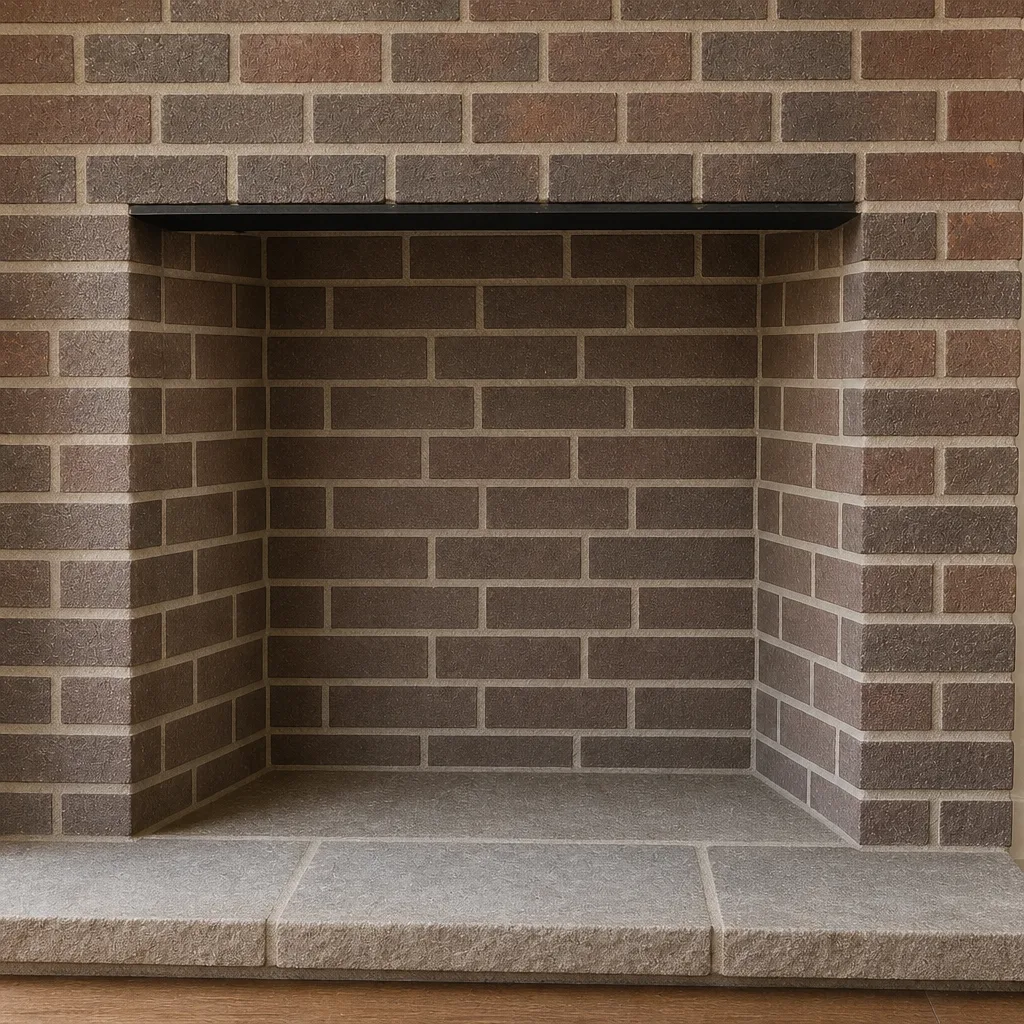
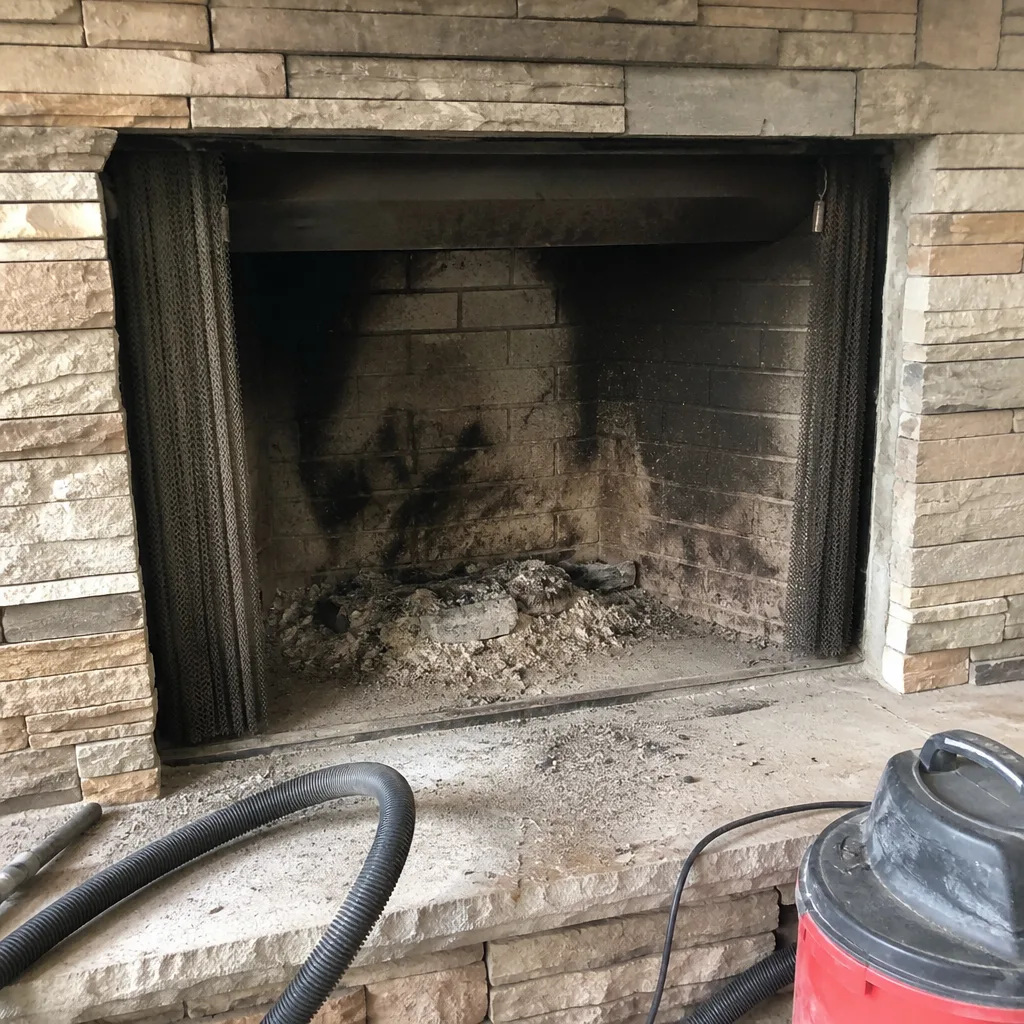
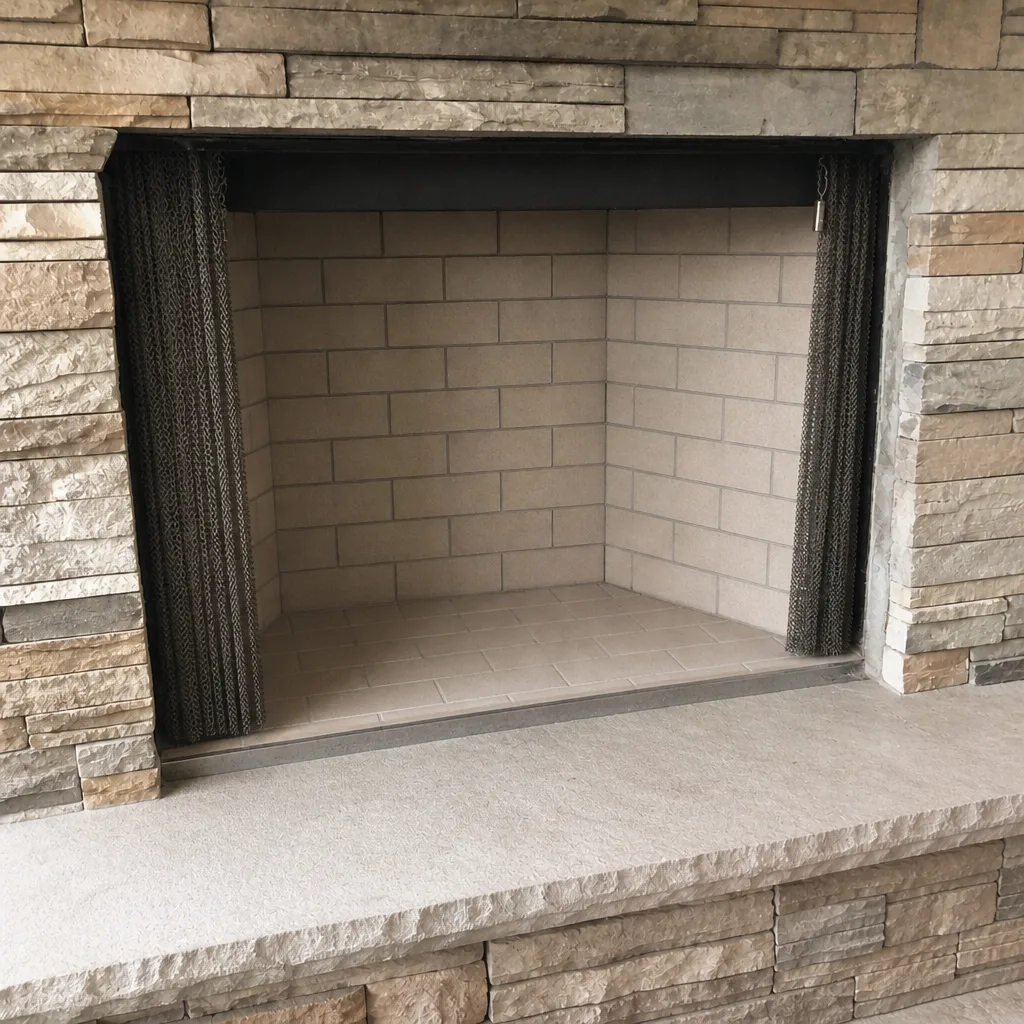
See the difference
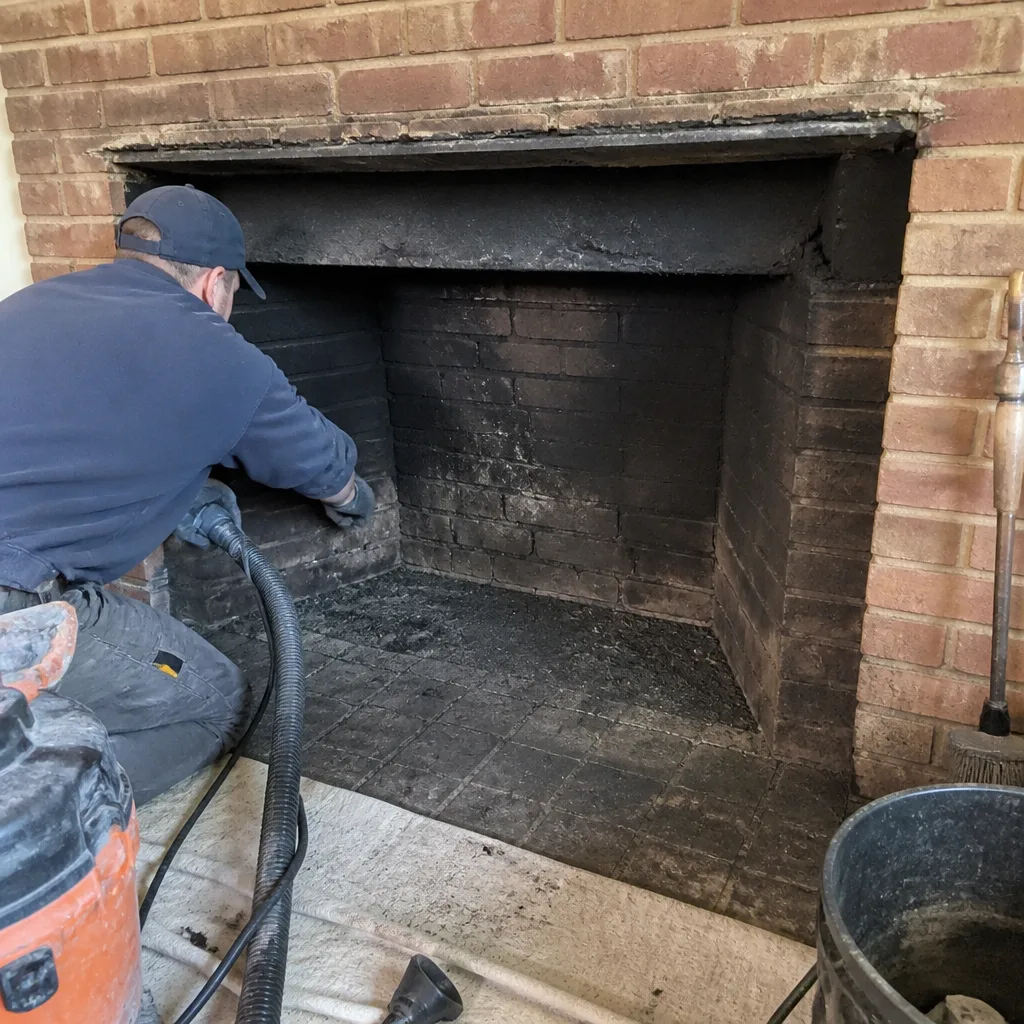 Before
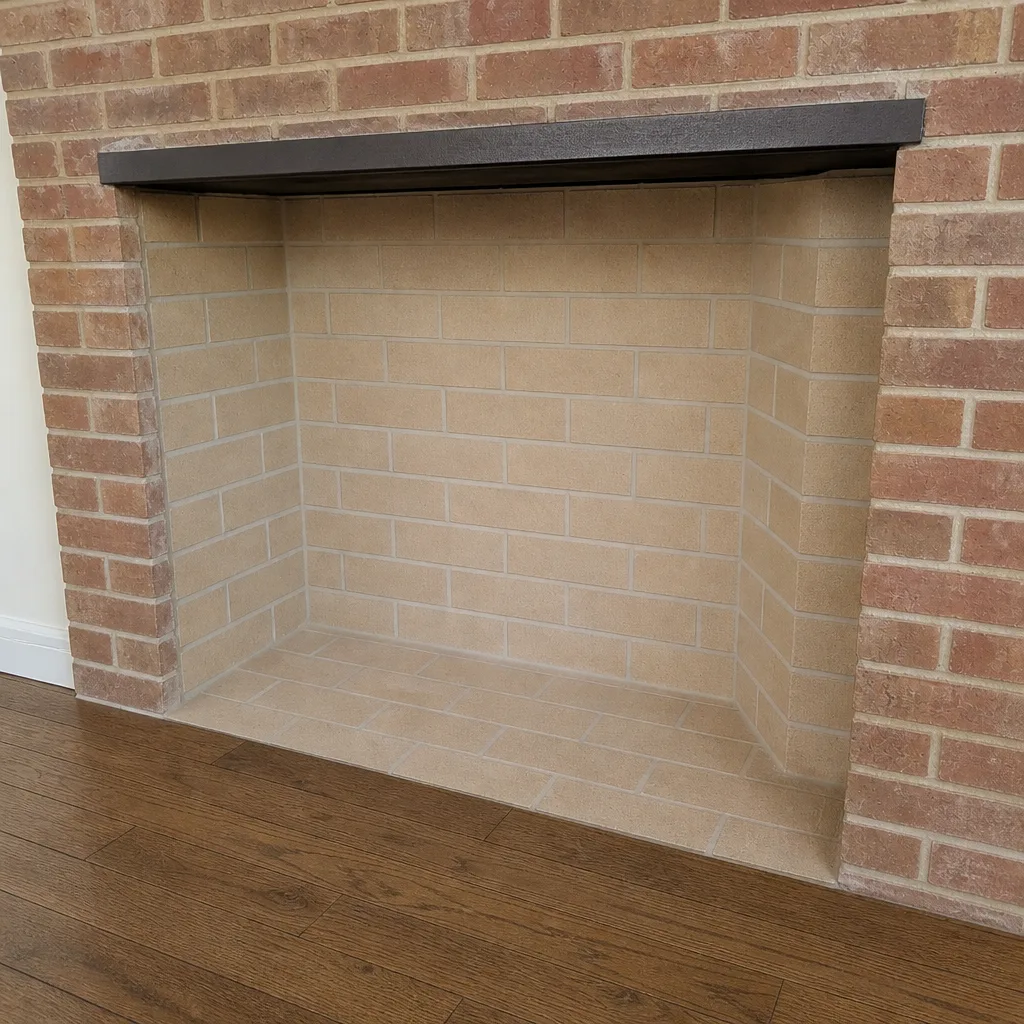 After
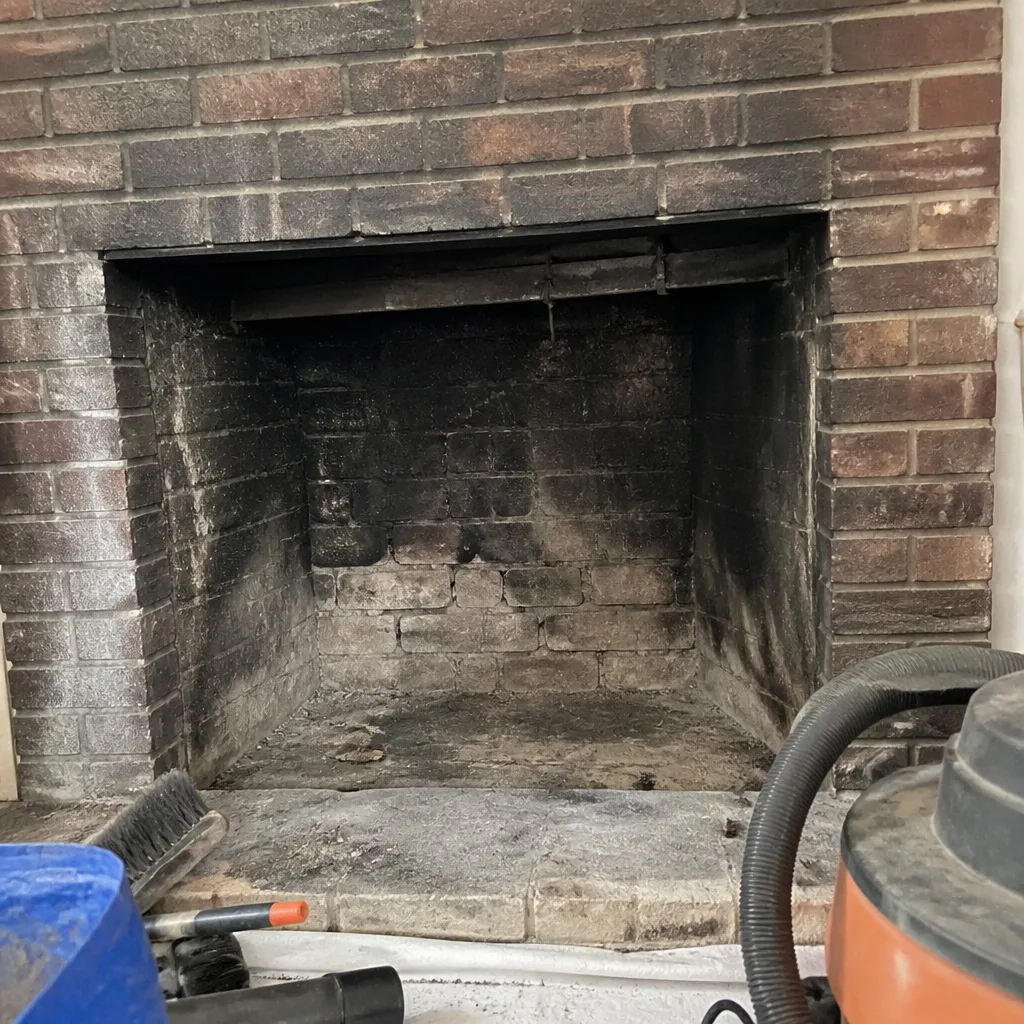 Before
 After
 Before
 After
When to Call a Professional
Some chimney work is genuinely not a job for a homeowner with a brush and a ladder. Call a professional when the chimney hasn’t been inspected in over a year, when you smell a strong smoky or tar-like odor in the house, when smoke rolls back into the room instead of drawing up the flue, when you’ve heard a rumbling sound from the chimney during a fire, or when you’re moving into a Ridgewood property whose service history you don’t have. Those situations call for an inspection before anything else, and on tall or awkward rooflines they also carry real risk of a fall. Chimney work is a specialist trade for a reason: glazed creosote needs specific chemistry, liners need specific installation methods, and a failed crown needs structural know-how. Chimney Sweep Ridgewood offers free estimates in Ridgewood – call (877) 492-3239. We answer 24/7. Fast dispatch from 7am to 7pm, Sunday through Friday.
Frequently Asked Questions
A standard single-flue sweep in Ridgewood typically runs $180-$320, with inspection, creosote treatment and multi-flue work priced as separate line items. A cleaning-plus-inspection appointment is usually $300-$500 total, and the written estimate sets the final price. Call (877) 492-3239 for an exact quote on your chimney – estimates are free.
You need a new liner only when the camera inspection shows damage that no other repair can address. On a Ridgewood rowhouse, that usually means visible cracks, offset tiles, or a connection that no longer seals against the appliance. If your liner is sound, a sweep and inspection is the right service, and relining – whether with HeatShield ceramic resurfacing or a DuraFlex flexible liner – is only the recommendation when the evidence supports it. That’s what a real inspection tells you. Call (877) 492-3239 to book one – estimates are free.
Most chimneys serving a regularly used fireplace should be swept once a year, and more often if the fire is burned hard or the smoke setting is choked low. A Ridgewood home burning through a full winter on hardwood usually needs an annual sweep and inspection. If you haven’t opened the damper in a year, call (877) 492-3239 – a cleaning after a long gap is often the first place a system problem shows up. Estimates are free.
Skipped sweeping lets creosote build past what a standard brush can remove, and glazed stage 2 or stage 3 creosote is the fuel a chimney fire needs. It also lets a cracked liner or a failing crown go undetected until it becomes a smoke-in-the-house or water-in-the-masonry problem. The risk is real but that’s why we check – a competent inspection tells you plainly when work can safely wait. Call (877) 492-3239 to schedule a sweep before burning season begins – estimates are free.
Because they don’t describe the same work. The lower quote usually excludes the inspection, smoke chamber cleaning, debris disposal, or additional flues – five line items that a thorough estimate always shows. On a multi-flue rowhouse chimney, the difference can run $200-$600 for what looks like the same service on paper. Call (877) 492-3239 and ask for a line-item estimate – it’s free and shows exactly what’s covered.
It depends on what the work is for. Routine cleaning and maintenance are almost always excluded; sudden and accidental damage from a chimney fire or a related event often is covered. The policy language to look for is “sudden and accidental” versus “gradual deterioration” exclusions. Your insurer has the final word, and a documented inspection report with photos is what supports a claim when one matters. Call (877) 492-3239 if you need the system documented before you file – the estimate is free.
The Bottom Line
A Ridgewood chimney quote is a document you should be able to read line by line. The core questions come down to: which flues, which inspection level, what’s happening to the smoke chamber, is disposal included, and is there a written findings report at the end. If all five are covered, the price you’re looking at is honest – high or low. If any is missing, the missing work will cost you more later. The variation in Ridgewood is real, driven by rowhouse flue height, multi-flue systems and older attached-home layouts, and it’s why line-item quotes beat postcard specials every time. A free estimate from a genuine chimney specialist will tell you exactly what your system needs – nothing more. Call (877) 492-3239. We answer 24/7. Fast dispatch from 7am to 7pm, Sunday through Friday. If you’re scheduling a first visit, start with Chimney Sweep Ridgewood and we’ll take it from there.
Written by the team at Chimney Sweep Ridgewood.