
Last updated November 25, 2026
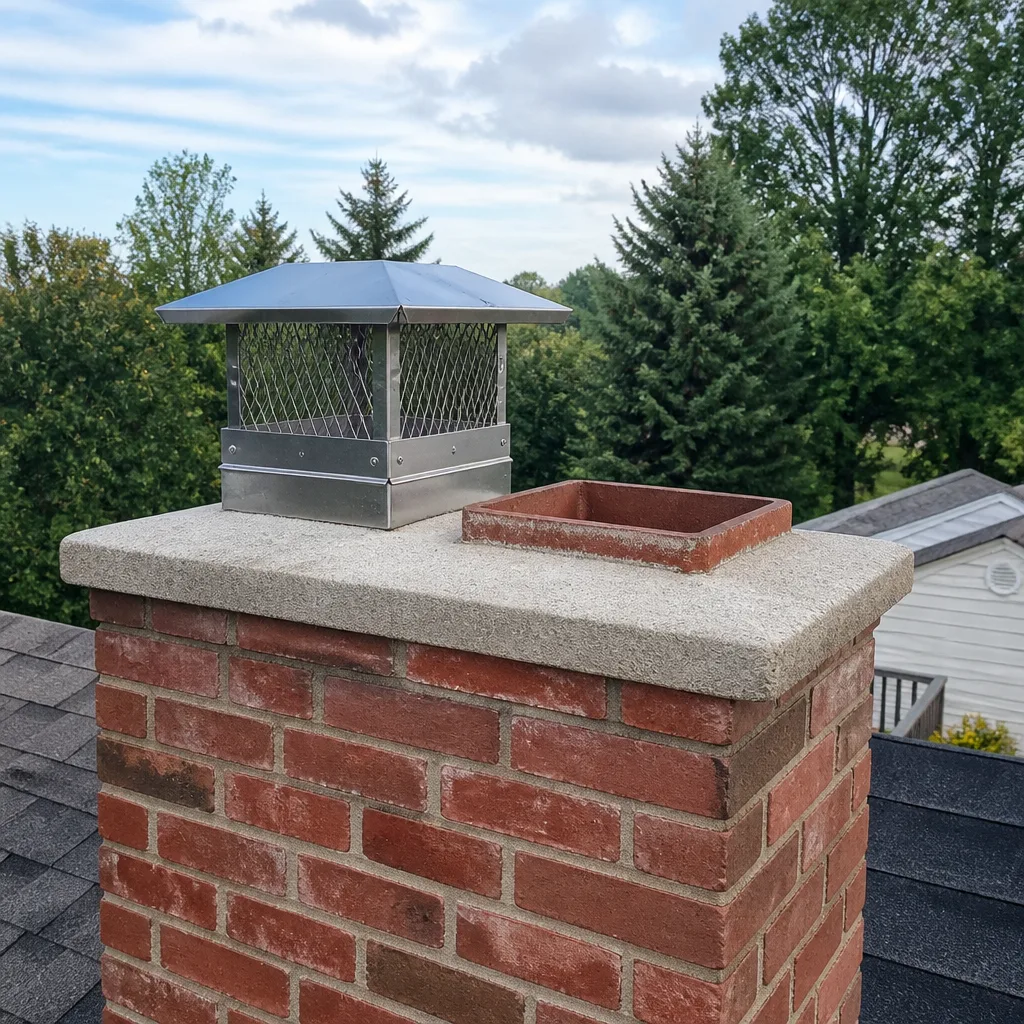 Sweep & inspection
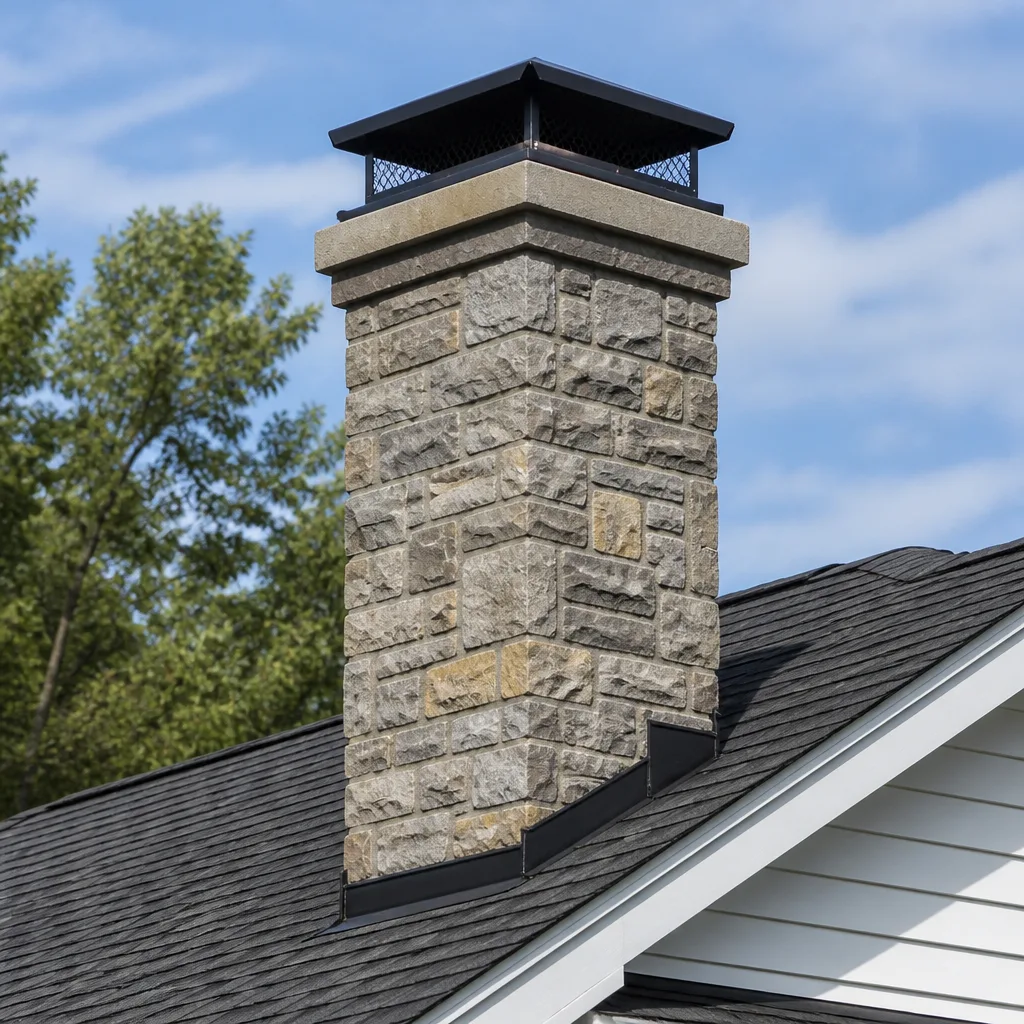 Caps & crowns
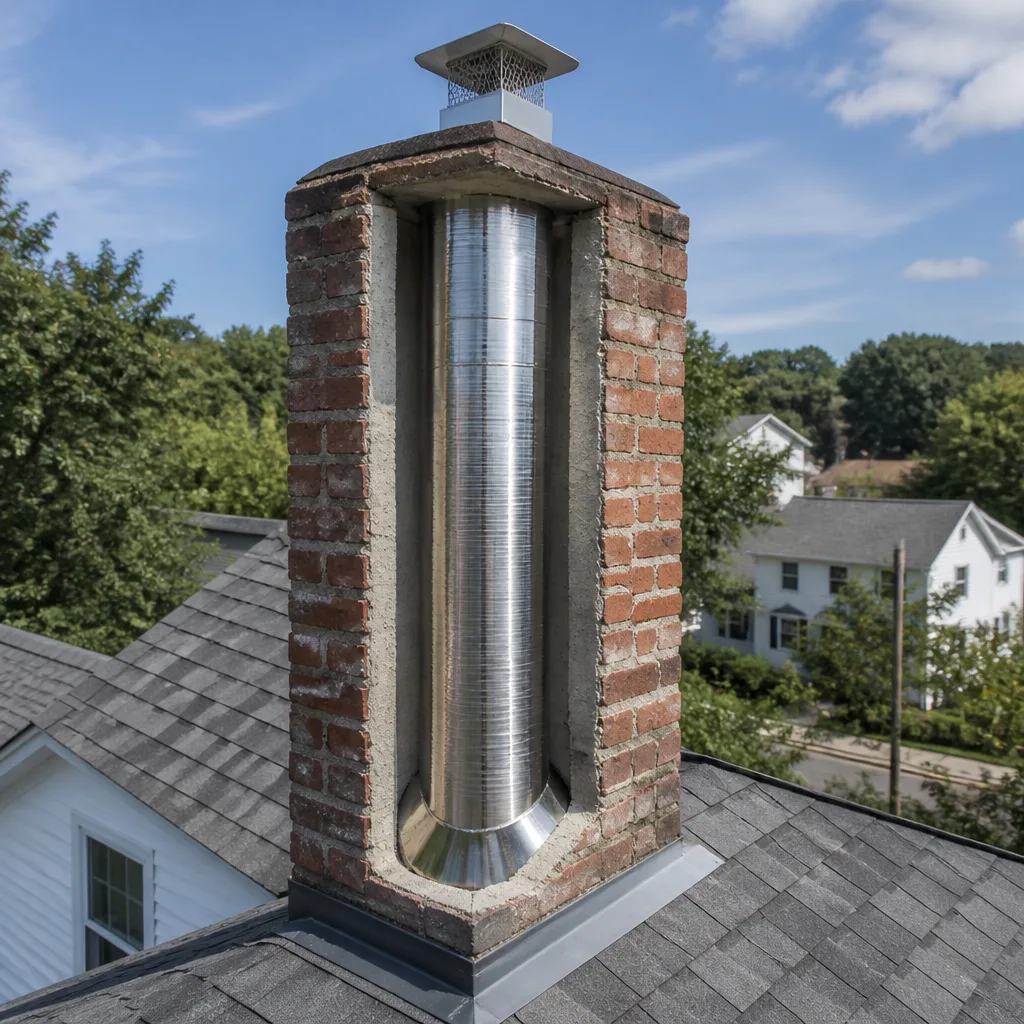 Flue relining
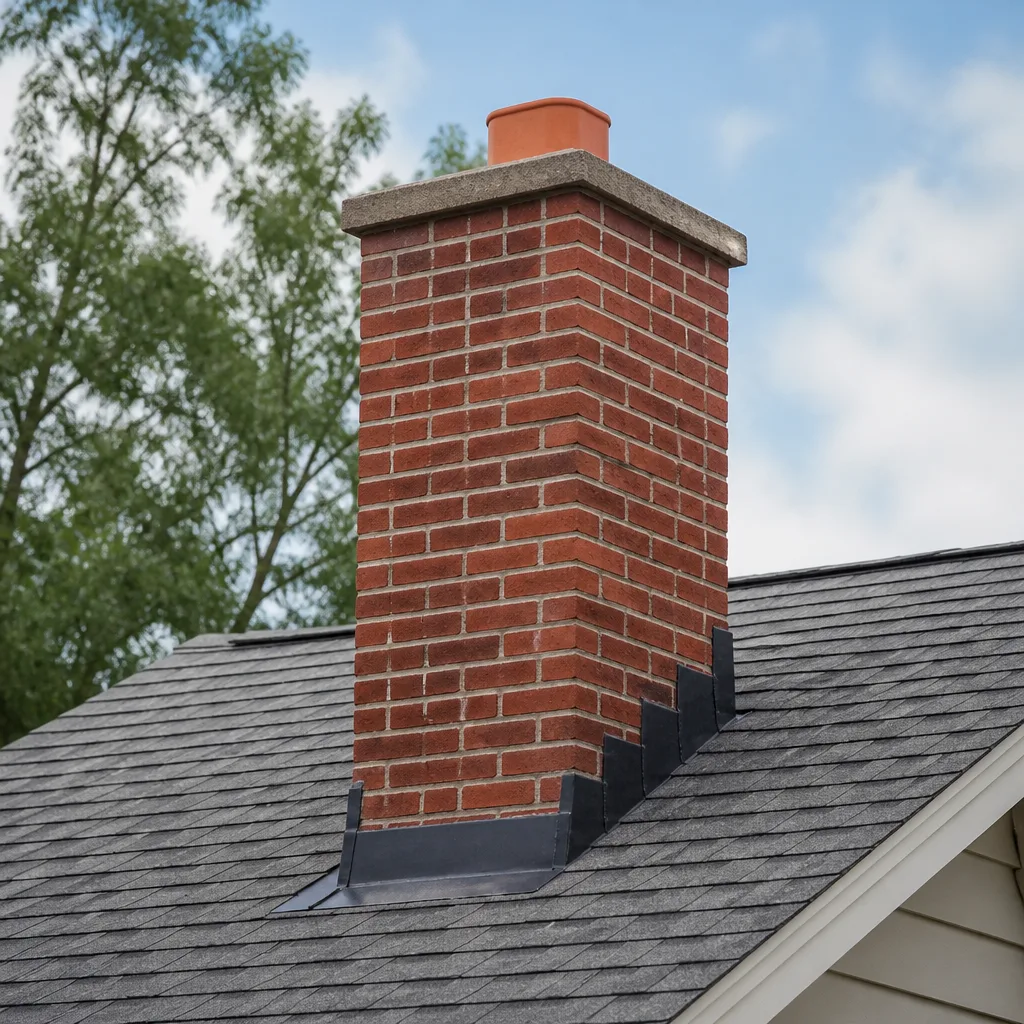 Masonry repair
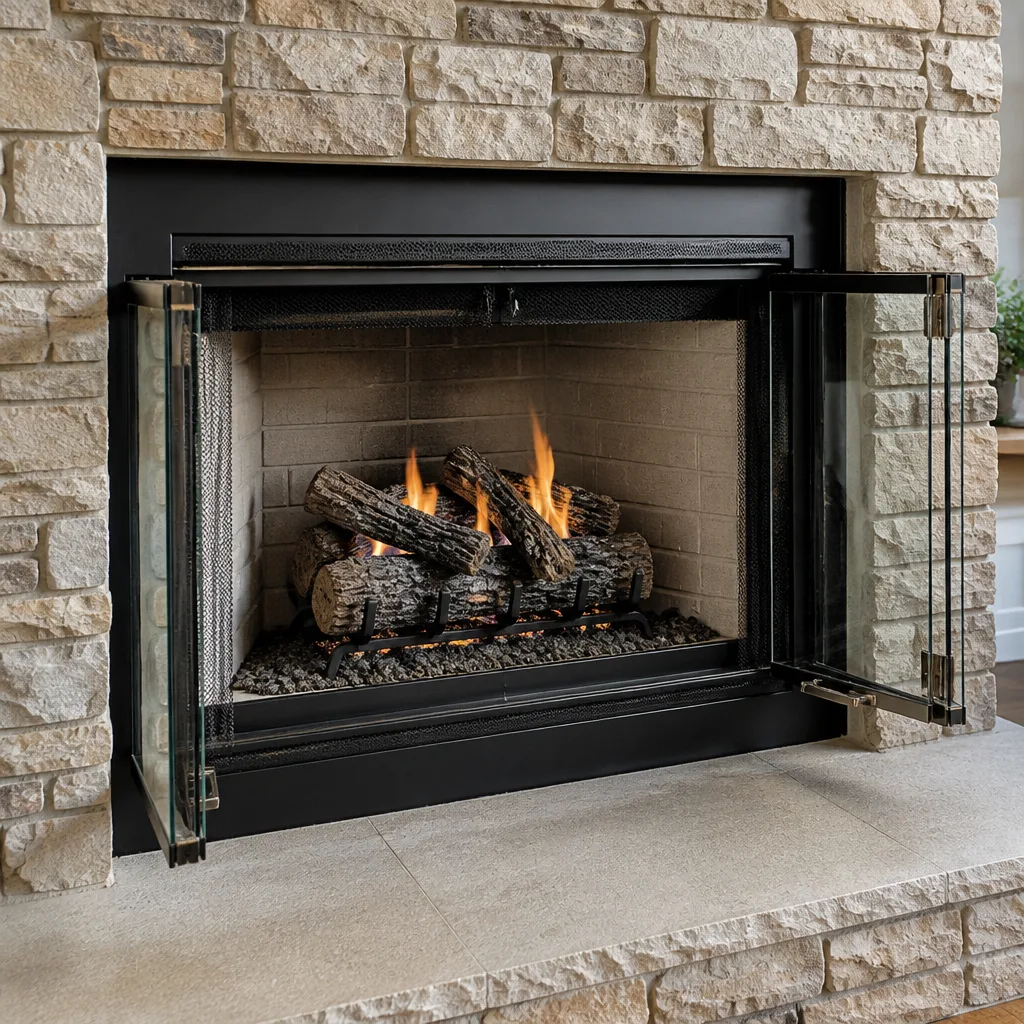 Gas fireplace service
Level 1 sweep and inspection to the NFPA 211 annual standard - flue, crown, cap, and flashing checked and photographed
Chimney sweep logs do not sweep chimneys. They loosen some creosote - which then falls where a brush and vacuum still have to collect it.
Chimney Cleaning Permits, Codes & Inspections in Ridgewood, NY: What You Need to Know
Here’s the misconception we hear most: that a chimney sweep is a broom and a bucket, and nothing about it touches the law. In Ridgewood, the opposite is closer to the truth. The cleaning itself is paperwork-free, but the repairs a cleaning often turns up – a cracked clay-tile liner, a crown split by frost, a flue that no longer serves its appliance – can fall under New York City permitting rules that few homeowners know exist. We’ve watched a routine sweep become a permit question more times than we can count. This guide explains which chimney services in Ridgewood need a permit and which don’t, how the NYC Mechanical Code treats masonry chimneys, when a Level 2 inspection is legally triggered, and what happens when unpermitted work surfaces at sale.
Quick Answer
In Ridgewood, routine chimney cleaning and a standard inspection do not require a permit. Liner installation, structural chimney repair, and crown reconstruction generally do require a permit from the NYC Department of Buildings. Unpermitted chimney work can slow a home sale during a title search and can complicate an insurance claim, so the permit question is worth settling before the work starts, not after.
Styles & brands we work with
- Sweep & inspection
- Caps & crowns
- Flue relining
- Masonry repair
- Gas fireplace service
Table of Contents
- Which chimney services in NYC need a permit and which don’t
- What NYC Mechanical Code Section 924 means for older Ridgewood homes
- When a Level 2 NFPA 211 inspection is triggered in Ridgewood
- What a NYC DOB chimney permit application actually requires
- Local Law 11, the Fuel Gas Code, and where chimneys fit
- How unpermitted chimney work surfaces and what remediation looks like
- How to hire a chimney specialist who works inside the rules
Which Chimney Services in NYC Need a Permit and Which Don’t
The line falls between maintenance and construction. Cleaning, sweeping, and a standard visual inspection are maintenance. Anything that alters the structure of the chimney or the flue is construction work, and in New York City that usually means a Department of Buildings permit. Knowing which side of the line a job sits on before you book it saves a lot of scrambling later.
Permit-exempt chimney work in NYC generally includes:
- Chimney sweeping and creosote removal
- A standard visual inspection (what the trade calls a Level 1 inspection)
- Replacing a chimney cap of the same type
- Minor fireplace repair that doesn’t touch the flue structure
Work that typically requires a permit includes:
- Liner installation or relining, whether a flexible stainless system or ceramic resurfacing
- Structural chimney repair – masonry rebuilds, rebuilding above the roofline, addressing a compromised stack
- Crown reconstruction or replacement
- Any change to the flue’s size, material, or route
- Converting a fireplace to a wood or gas appliance that changes the venting
A single company handling both sides of that line matters more than homeowners realize. When cleaning and liner work come from the same source, nobody is passing the permit question back and forth. We install DuraFlex flexible liners and apply HeatShield ceramic resurfacing for exactly this reason: the assessment, the permit discussion, and the finished flue all belong to the same job.
What NYC Mechanical Code Section 924 Means for Older Ridgewood Homes
Section 924 of the NYC Mechanical Code governs masonry chimney construction, and it is the section most relevant to Ridgewood’s older housing stock. Much of the neighborhood was built in the early twentieth century, and many of those homes still carry their original clay-tile liners. Section 924 sets expectations for how a masonry chimney must be built and lined – the flue must be lined, the liner must be continuous, and the chimney must be structurally sound. Original clay tile was built to a standard, but a hundred winters of freeze-thaw cycling are not gentle on it.
What this looks like in practice: clay tile liners crack, mortar joints between tile sections erode, and spalling tile can leave gaps. A gap in the liner is more than a draft problem. It can let heat and combustion gases reach the masonry itself, which is where the real risk begins. In our experience, the older two- and three-family homes common around Ridgewood are the ones most likely to have a liner that no longer meets the intent of Section 924, even though nothing has visibly changed from the sidewalk.
Where HeatShield comes in: ceramic resurfacing can restore a deteriorated liner to a structurally sound flue without demolishing the chimney. It is a specialist-level service, not something a general handyman carries in a truck, and it is often the difference between a repair and a rebuild. It is also, importantly, work that falls under permit-required territory, because the flue is being altered.
If your home still has its original clay tile, have the liner assessed directly rather than assuming it’s fine because the fireplace draws well. A chimney that drafts well can still have a compromised liner.
When a Level 2 NFPA 211 Inspection Is Triggered in Ridgewood
A Level 2 inspection under NFPA 211 is the one that matters most in a Ridgewood real estate transaction. It goes beyond what the eye can see from the firebox, using a camera to examine the flue interior, and it is the level of inspection that applies when a property changes hands, when an appliance is changed or replaced, or after an event that may have damaged the chimney, such as a chimney fire or an earthquake. If you are buying or selling a home in Ridgewood with a working fireplace, this is the inspection the deal will likely need.
Here’s how the three inspection levels break down:
- Level 1: A visual check of readily accessible portions of the chimney and connected appliance. Appropriate for routine annual maintenance when nothing has changed.
- Level 2: Everything in Level 1 plus examination of accessible areas of the flue interior, often with a camera. Required at property transfer, after an appliance change, or after a suspected damaging event.
- Level 3: Everything in Level 2 plus examination of concealed areas, which can require opening walls or removing parts of the chimney. Reserved for specific diagnostic needs.
We treat inspection as its own service, not a sales pitch tacked onto a sweep. A Level 2 inspection in a Ridgewood home should give you a photograph-based picture of the flue’s actual condition, so you can see what the inspector sees. That’s the whole point – a buyer, a seller, and a homeowner should all be able to evaluate the same evidence.
What a NYC DOB Chimney Permit Application Actually Requires
A chimney permit application with the NYC Department of Buildings is a construction filing, and like any construction filing in Queens it needs the right paperwork lined up before the clock starts. The permit is typically pulled by the licensed contractor doing the work, not by the homeowner, which is one more reason the permit question belongs to whoever is holding the tools.
A typical filing includes:
- The permit application identifying the property and the scope of chimney work
- Drawings or a description of the proposed work – the liner type and size, or the extent of the structural repair
- Confirmation that the proposed work complies with the applicable mechanical code provisions
- Contractor licensing information for the party performing the work
- Any additional documentation the DOB requests for the specific scope
Typical approval timelines for Queens filings vary by the completeness of the application and the DOB’s current workload – a straightforward liner replacement moves faster than a structural rebuild that needs review. We don’t quote timelines as fixed numbers, because the city’s queue isn’t ours to promise. What we can tell you is that incomplete applications are the single biggest cause of delays, and a contractor who files chimney permits regularly knows what the borough’s plan examiners expect to see.
Ask directly, before work begins: are you filing this, and will I get a copy of the approved permit? A contractor who can’t answer that clearly is telling you something.
Local Law 11, the Fuel Gas Code, and Where Chimneys Fit
Local Law 11 is famous in New York City for its facade inspection requirements on larger buildings, and it’s often cited by homeowners who have heard the name without knowing the scope. It applies to facade safety on covered buildings, not to single-family chimney cleaning in Ridgewood. We’re mentioning it because it’s frequently misapplied, and a homeowner should understand that Local Law 11 is not the code that governs a residential chimney sweep. If someone tells you Local Law 11 requires your Ridgewood chimney to be inspected, ask them to show you which provision they mean.
The NYC Fuel Gas Code is the more relevant document for homes with gas appliances connected to the chimney. It governs gas piping and the venting of gas-burning equipment, and it comes into play when a fireplace is converted to gas or when a gas appliance is vented through the chimney. A conversion that changes the venting arrangement falls into permit-required territory under both the Fuel Gas Code and the Mechanical Code, and the flue must be sized and lined to handle the appliance it now serves.
This is where we see real problems in Ridgewood homes: an older gas conversion with the original flue still in place, and nothing on paper to show it was ever assessed. If you’ve inherited a gas log set or a converted appliance and don’t have documentation, a camera inspection tells you what you’re actually dealing with, and a permit filing brings the work into the record.
How Unpermitted Chimney Work Surfaces and What Remediation Looks Like
Unpermitted chimney work tends to surface at the worst possible moment: the closing table. During a title search, the record shows whether a permit was pulled for construction work on the property. A liner that was installed without a permit, or a crown rebuilt without a filing, can come up as an open item that a buyer’s attorney flags, an insurer wants addressed, or a lender requires resolved before the sale moves forward. In our experience, the cost of remediation – pulling the retrospective permit, bringing the work up to code if it wasn’t done correctly, and getting an inspection to document it – is often far more disruptive than filing correctly the first time.
Remediation usually follows a familiar path:
- An inspection to establish what was actually done and whether it complies with the code
- Correction of any deficiencies – improper liner material, unlined sections, structural issues
- Filing for the appropriate DOB permit covering the work, including retrospective filings where allowed
- Documentation of the completed, inspected work for the property record
Insurance claims are the other place it shows up. Whether a fire claim is paid depends on how the investigating adjuster reads the record, and unpermitted chimney work is a question an insurer is entitled to raise. We can’t tell you how any particular claim will be decided – that’s between you and your insurer – but we can tell you that documented work is easier to defend than undocumented work.
The fix for this at the front end is simple: insist on the permit for permit-required work, and keep the paper. That’s the difference between a repair that’s on the record and one that becomes a problem years later, possibly for someone who never hired the contractor.
How to Hire a Chimney Specialist Who Works Inside the Rules
A chimney is a short list of parts – flue, liner, crown, cap, firebox – and every one of them is governed by code. Hiring someone who knows the codes is different from hiring someone who can swing a hammer on a roof. The right questions are straightforward, and a specialist will answer them without flinching.
- Are you a chimney specialist or a generalist? Our work covers the full life of a chimney system and nothing else: sweeping, chimney cap & crown work, chimney repair, and fireplace repair. We’re not an HVAC or roofing company with a chimney side business.
- Which liner systems do you work with? We install and specify professional-grade systems including DuraFlex flexible liners, and we source products from industry suppliers such as Olympia Chimney, Famco, Gelco, and Copperfield. Trade-level product access is a real signal; big-box substitutes are not.
- Will you file the permit when one is required? A specialist files if the job needs it, and provides the documentation for your records.
- Will you show me the evidence? A camera inspection should come with photographs you can look at yourself. Nothing should be recommended without evidence you can see.
- What happens after the inspection? A good specialist tells you what needs doing now, what can safely wait, and why. Not every finding is urgent.
Our technicians have up to 15 years of experience, and that experience covers the code side as well as the trade side. When we book a chimney sweep in Ridgewood, we agree on a flat price before we schedule, the inspection includes a camera and a photo report at no extra charge, and we specify the right product from the right supplier for the job – from a HeatShield resurfacing to a DuraFlex liner install – rather than the one that happens to be in the truck.
Common Mistakes to Avoid
- Assuming cleaning and construction are the same thing. Cleaning doesn’t need a permit; a liner or a rebuild usually does. Knowing which category a job is in before work starts prevents surprises.
- Taking a contractor’s word that a permit isn’t needed. For a liner or structural repair in Ridgewood, confirm in writing. The DOB record follows the property, not the contractor.
- Skipping the Level 2 inspection at a property transfer. A visual check is not enough when a home is changing hands. A camera inspection is what buyers, sellers, and insurers actually need.
- Confusing Local Law 11 with chimney code. It governs facades on covered buildings, not residential chimney maintenance. If someone cites it for a sweep, ask for the provision.
- Reading a conversion as a cosmetic change. A gas fireplace conversion changes the venting arrangement and belongs in the permit-required category. Treat it as construction, not decoration.
- Letting a generalist reline a flue. A general contractor may be excellent at other work, but ceramic resurfacing and flexible liner systems are specialist products. Hire someone who works with them routinely.
- Not keeping the paper. Approved permits and inspection reports belong with the property record. They’re what a title search will want in ten years.
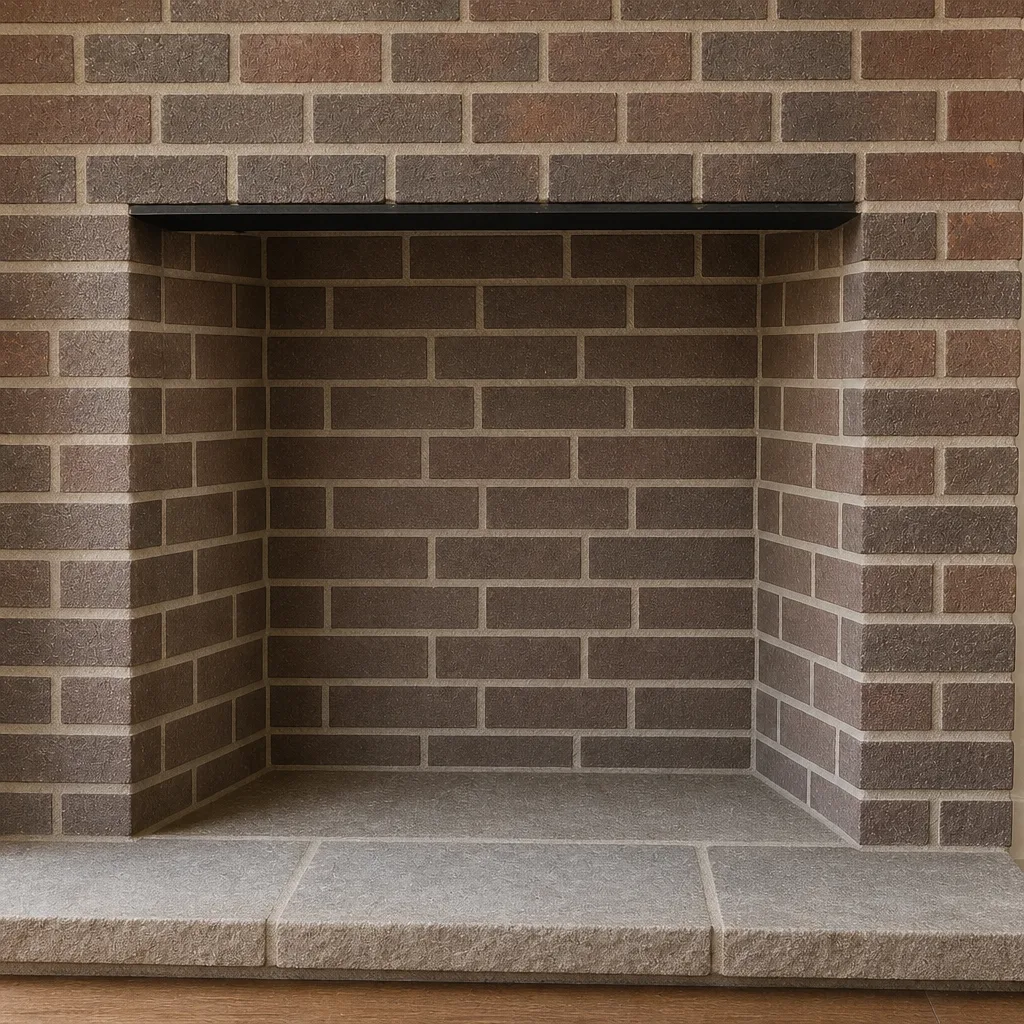
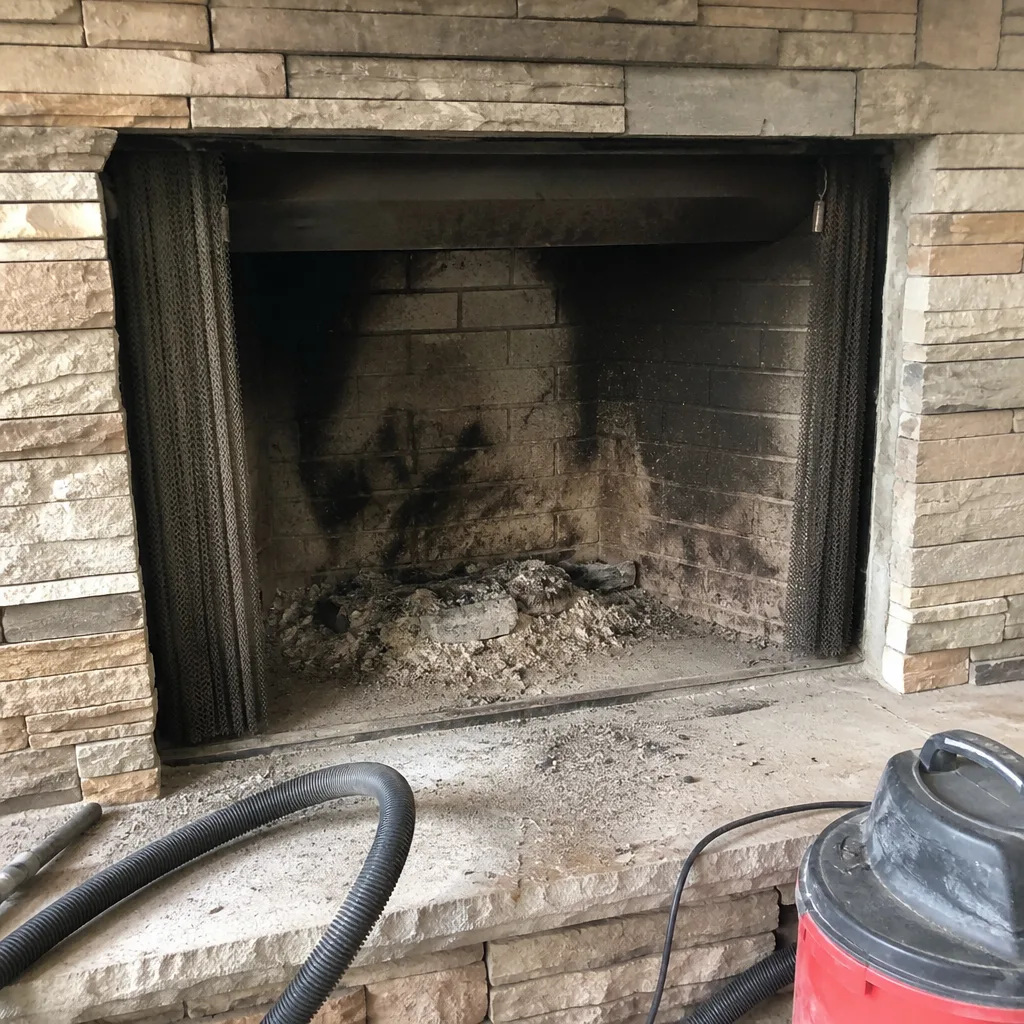
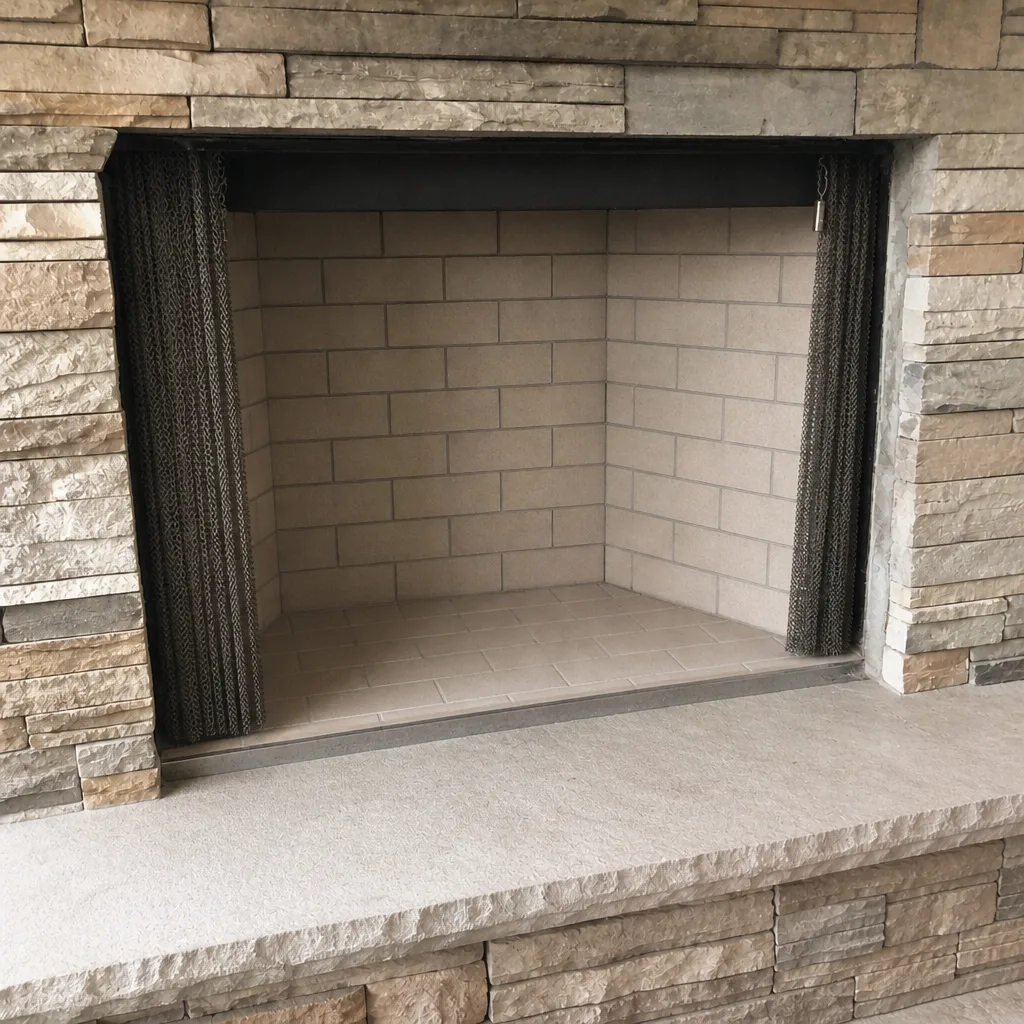
See the difference
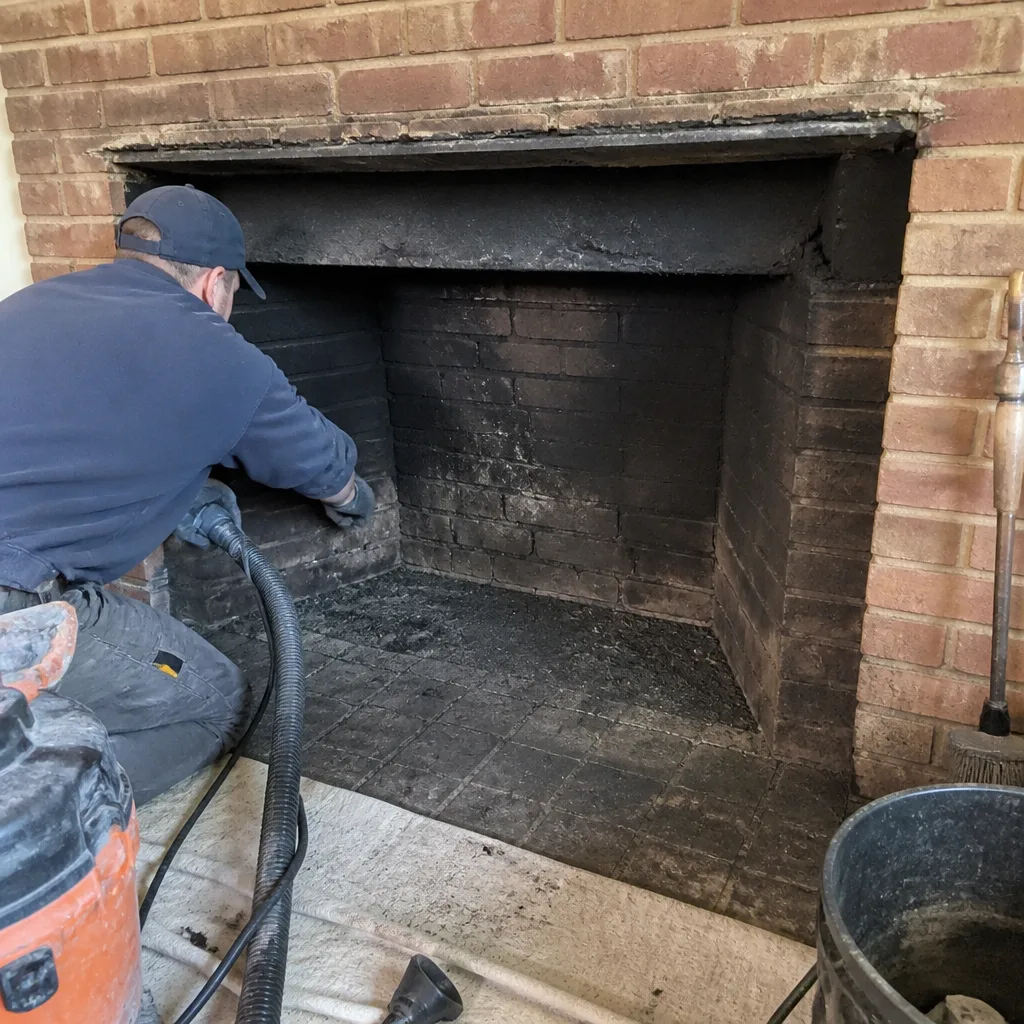 Before
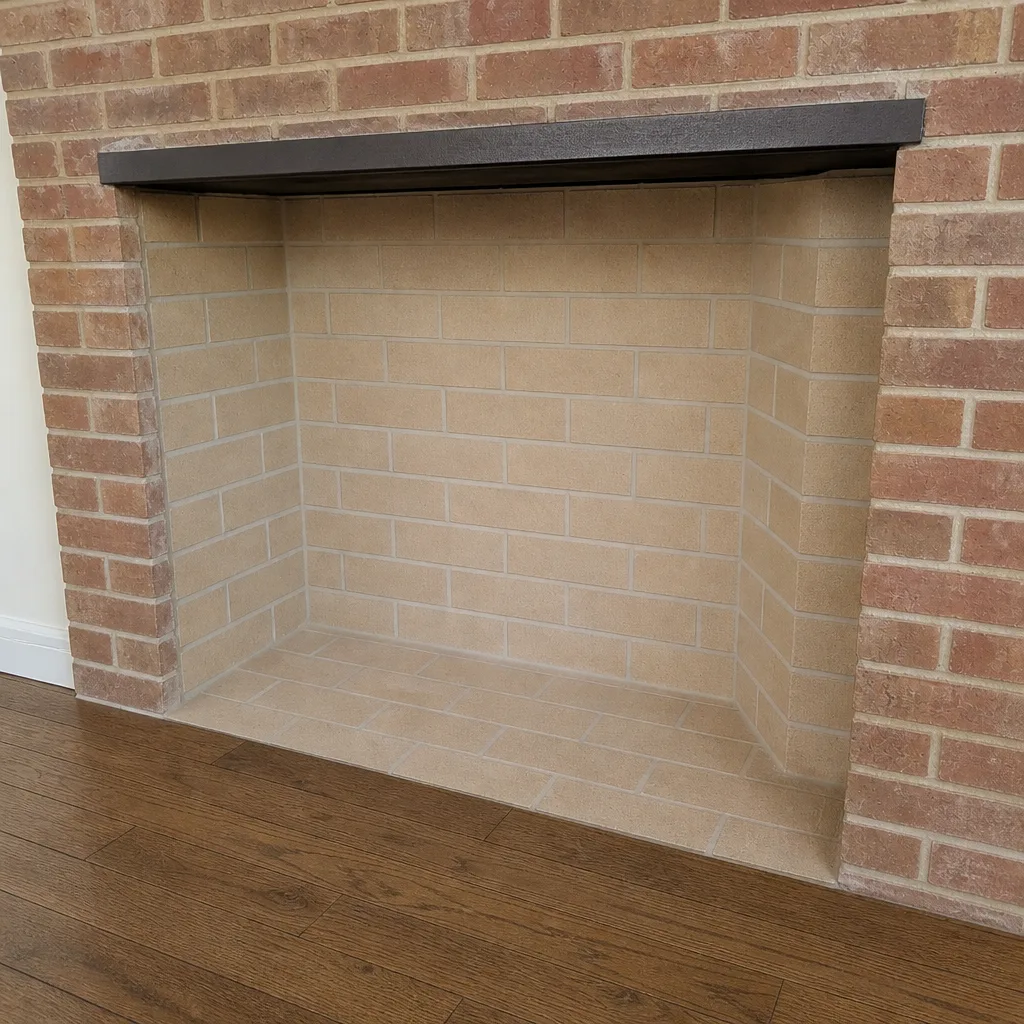 After
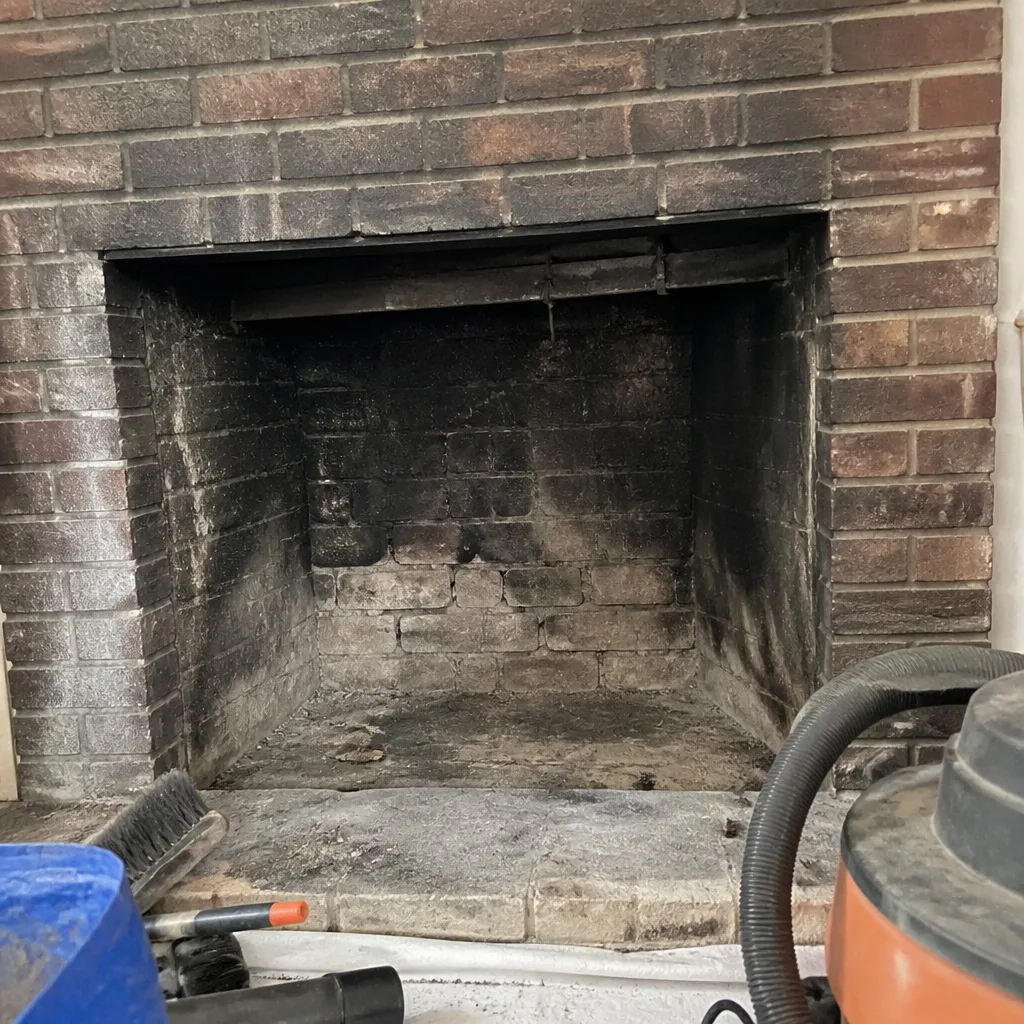 Before
 After
 Before
 After
When to Call a Professional
Some questions belong to a specialist. If you’re buying or selling a Ridgewood home with a fireplace, if a gas appliance has been converted and you don’t have documentation, if a sweep turned up a cracked or spalled liner, if a crown or chimney stack is visibly damaged, or if you simply don’t know when the flue was last inspected, it’s worth getting an assessment from someone who works inside the code rather than around it. These are the situations where the permit question, the inspection question, and the repair question all arrive at the same time, and it helps to answer them together. Chimney Sweep Ridgewood offers free estimates in Ridgewood – call (877) 492-3239. We answer 24/7. Fast dispatch from 7am to 7pm, Sunday through Friday. Book a sweep, an inspection, or a discussion of repair scope, and we’ll tell you plainly what your system needs and what can safely wait.
Frequently Asked Questions
No. Routine chimney cleaning and a standard visual inspection do not require a permit in Ridgewood or anywhere else in New York City. A permit becomes relevant when the work moves from maintenance into construction – a liner, a rebuild, a crown, or a conversion. Call (877) 492-3239 for an exact quote – estimates are free.
Liner installation or relining, structural chimney repair, and crown reconstruction generally require a permit from the NYC Department of Buildings. Any change to the flue’s size, material, or route is also permit-required work. If you’re unsure about a specific job, ask the contractor to state it in writing before work begins. Call (877) 492-3239 for a free estimate.
A Level 2 NFPA 211 inspection is typically triggered at property transfer, when an appliance is changed or replaced, or after an event that may have damaged the chimney, such as a chimney fire. It includes examination of the flue interior, usually with a camera. If you’re buying or selling a Ridgewood home with a fireplace, this is the inspection the deal will likely call for. Call (877) 492-3239 to schedule one.
Section 924 governs masonry chimney construction, including the requirement that the flue be lined and continuous. It matters most for older Ridgewood homes that still carry their original clay-tile liners, which can crack or spall over a century of freeze-thaw cycling. Ceramic resurfacing can restore a deteriorated liner without full demolition. Call (877) 492-3239 for a free estimate.
Yes. Unpermitted chimney work can surface during a title search at sale and become an open item that a buyer’s attorney or lender wants resolved. Remediation means retroactive permitting, correction of any code deficiencies, and documentation of the completed work. Documented work is easier to defend than undocumented work. Call (877) 492-3239 for a free estimate.
The permit answer follows the scope: maintenance doesn’t need one, construction generally does. A specialist should be able to tell you clearly which category your job falls into, and should file the permit themselves when one is required. Ask before you book. Call (877) 492-3239 to discuss your chimney’s scope.
The Bottom Line
Chimney cleaning in Ridgewood is permit-free, and it should stay that way – a routine sweep and a visual inspection are maintenance, plain and simple. But the repairs a sweep turns up are a different matter. Liners, crowns, structural work, and appliance conversions fall under NYC permitting rules, and the DOB record follows the property, not the contractor who did the work. Documented work protects a sale, supports an insurance claim, and keeps a homeowner on the right side of the code. That’s the whole reason we treat inspection as its own service, file the permits when they’re required, and specify products from the trade suppliers rather than the aisle. It’s how a chimney stays a chimney for the long run.
If you’d like a clear answer about what your Ridgewood chimney needs and what permits apply, call (877) 492-3239 for a free estimate. We answer 24/7. Fast dispatch from 7am to 7pm.
Written by the team at Chimney Sweep Ridgewood.