
Last updated November 25, 2026
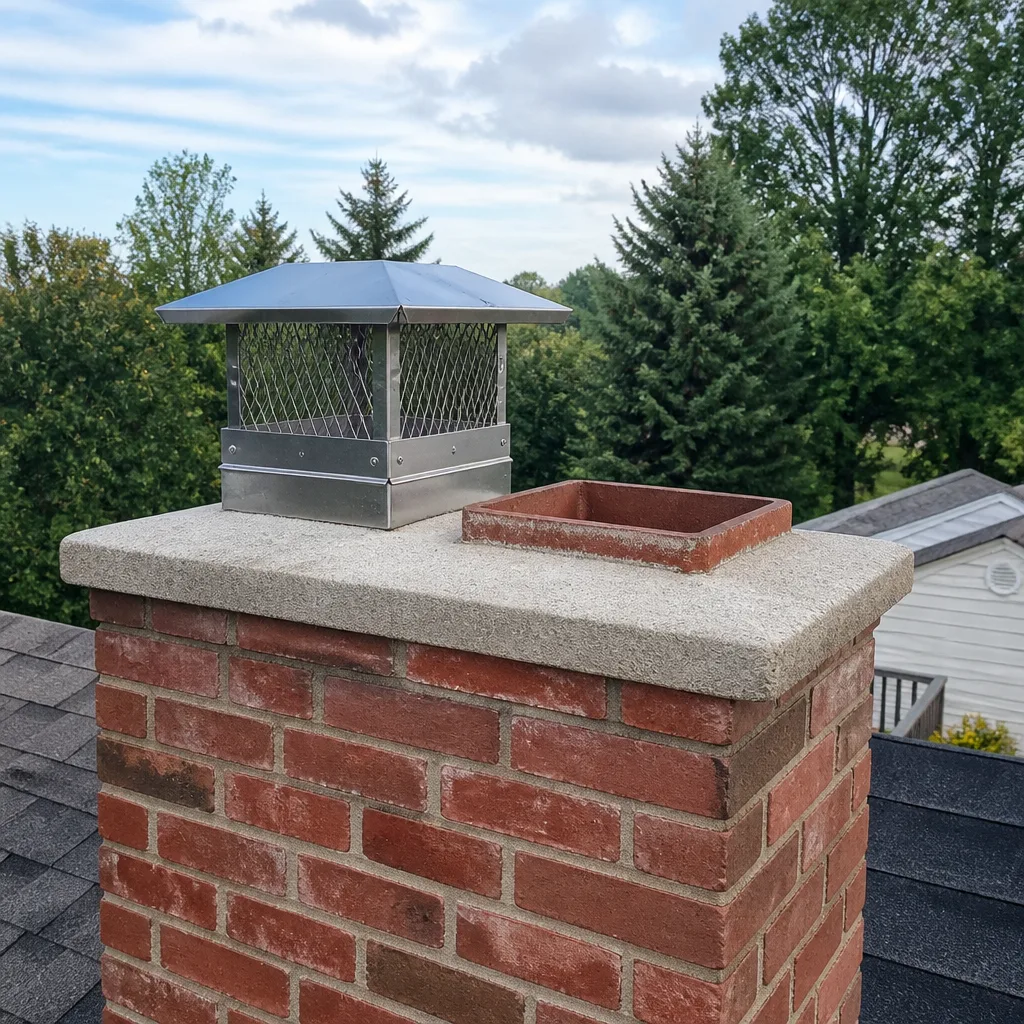 Sweep & inspection
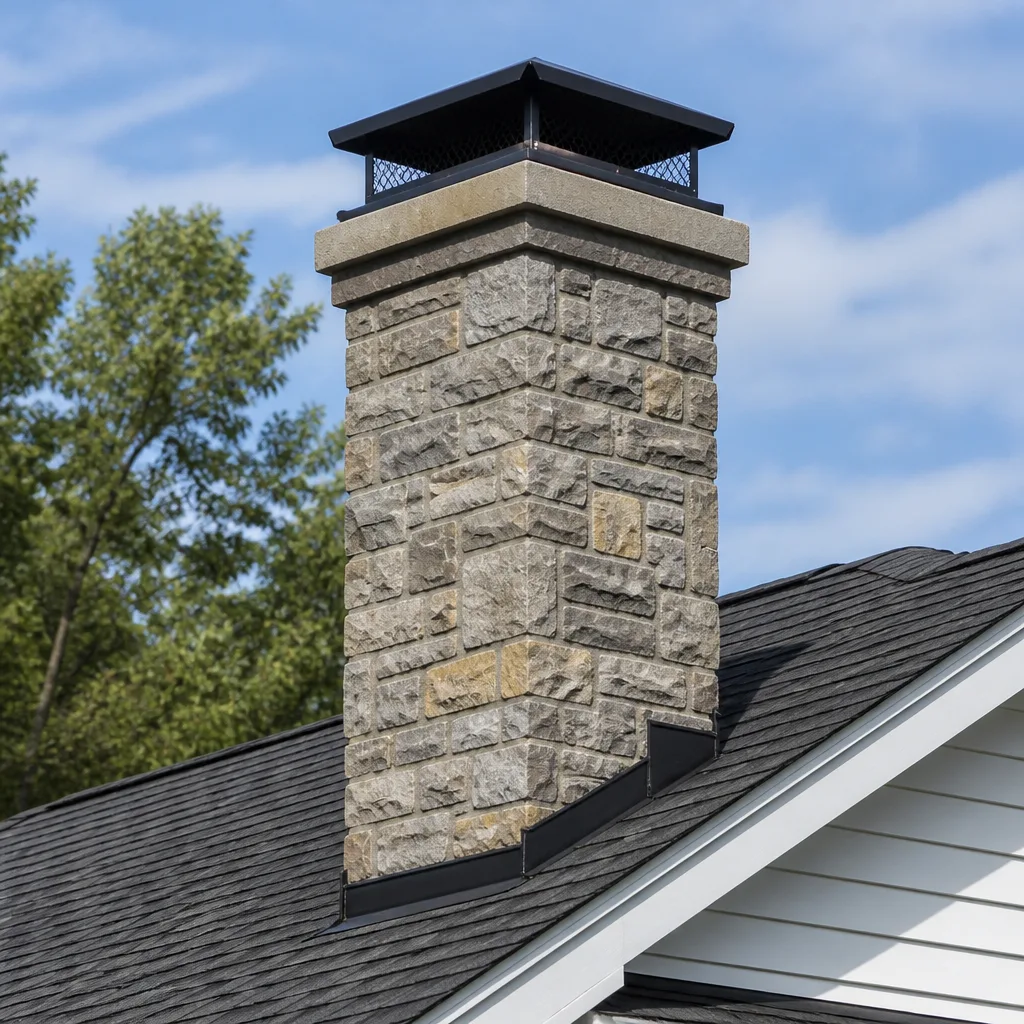 Caps & crowns
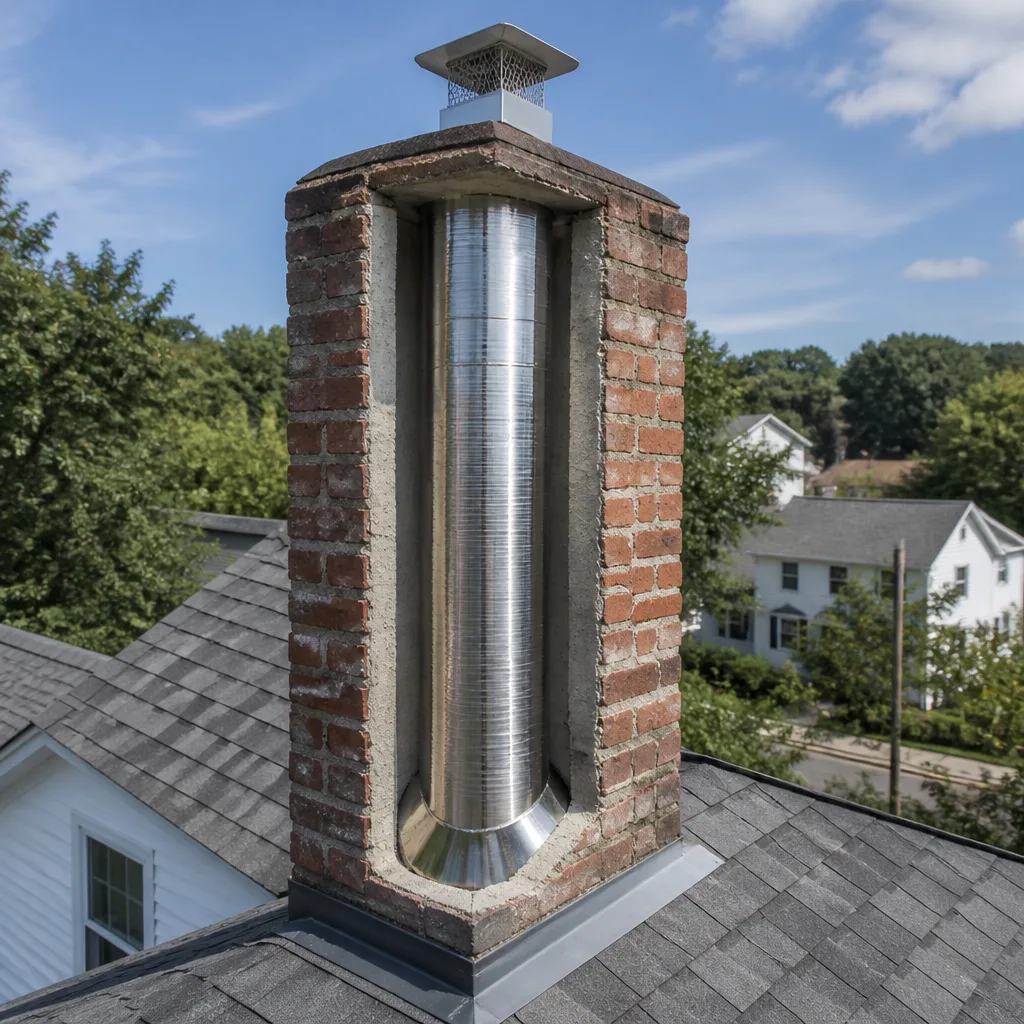 Flue relining
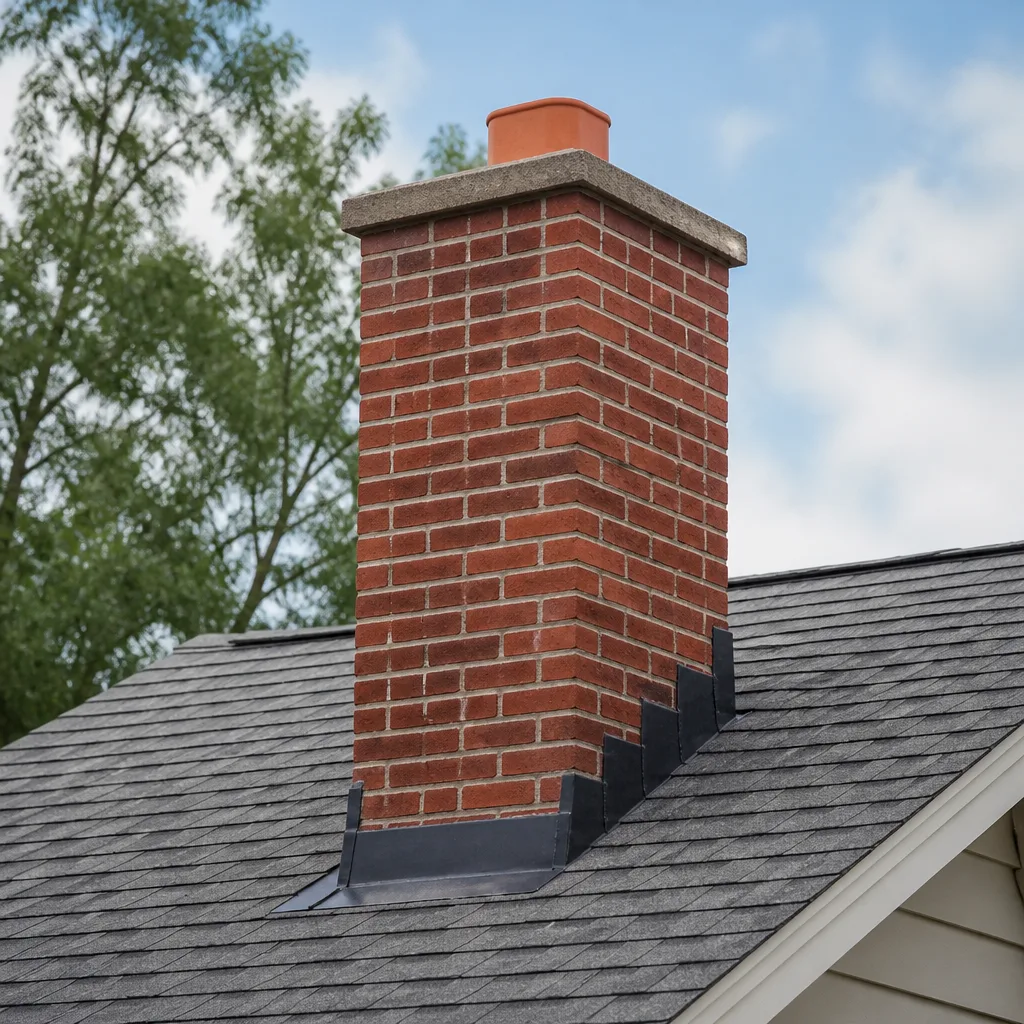 Masonry repair
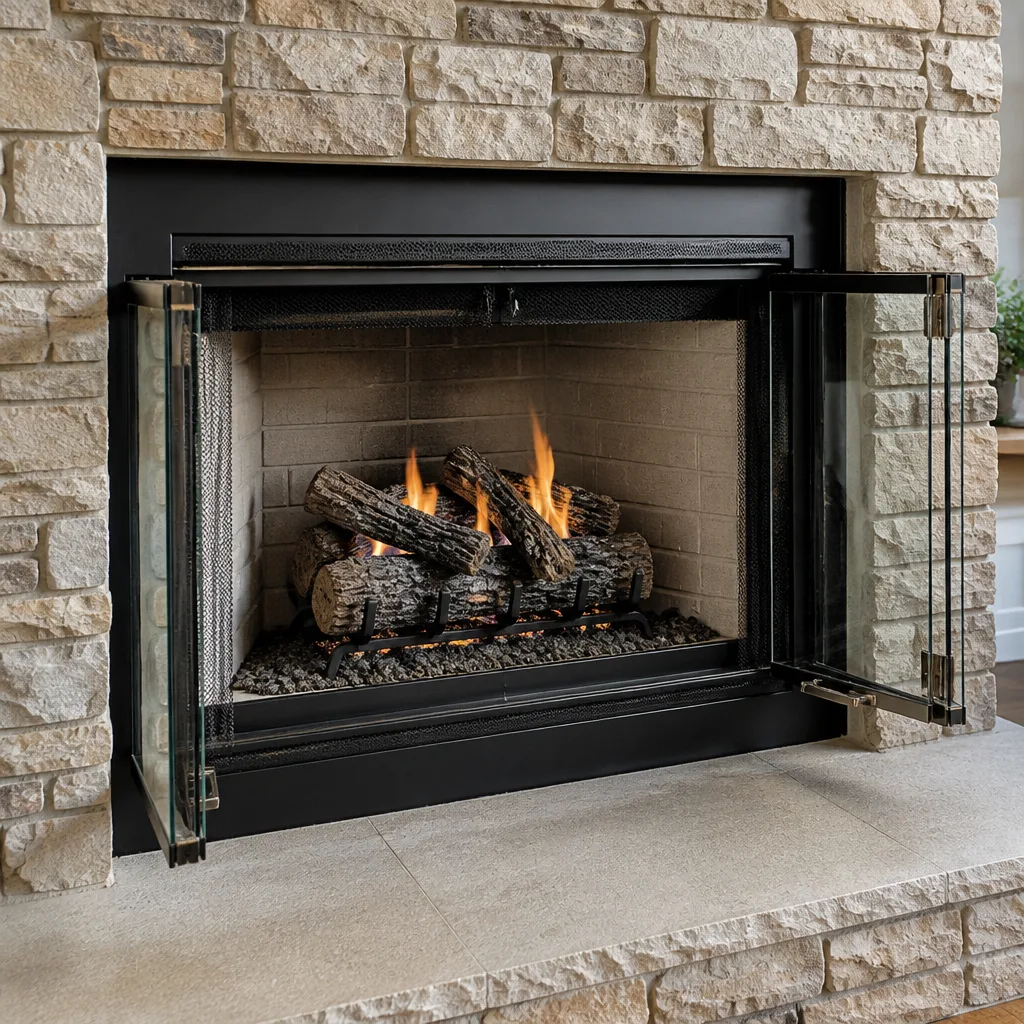 Gas fireplace service
Level 1 sweep and inspection to the NFPA 211 annual standard - flue, crown, cap, and flashing checked and photographed
Chimney sweep logs do not sweep chimneys. They loosen some creosote - which then falls where a brush and vacuum still have to collect it.
Chimney Sweep Maintenance Schedule: What to Do and When
Most homeowners treat chimney care like a single annual chore: book a sweep in the fall, forget about it until next year. That works for some houses. For plenty of others it’s the wrong cadence entirely. A wood-burning fireplace used four nights a week deposits creosote far faster than a gas insert that runs a few evenings a month, and the two systems need different inspection intervals, different cleaning triggers and different seasonal tasks. The fuel type, how often you burn, and what your liner is made of all push the schedule in different directions. This guide breaks chimney maintenance into four separate tracks so you can find yours and stop guessing. We’ll cover the pre-season and post-season work that Ridgewood’s freeze-thaw cycles make essential, what the three NFPA 211 inspection levels actually mean, and how to keep a written log that holds up when you sell the house or file a claim. Chimney Sweep Ridgewood handles every phase of this work, but the schedule below is one you can follow on your own.
Quick Answer
The NFPA recommends an annual chimney inspection for every chimney, and a cleaning whenever the flue has accumulated a quarter inch of creosote or more. That annual inspection is a floor, not a full schedule. Wood-burning fireplaces used more than three times a week typically need a cleaning and Level 2 inspection every year, gas inserts need a Level 2 inspection every one to two years with an annual visual check, oil appliances need annual cleaning and inspection, and a fireplace you light a handful of times a season still needs one inspection a year. In Ridgewood, add a September cap-and-crown check and an April liner scan to catch what winter does to masonry.
Styles & brands we work with
- Sweep & inspection
- Caps & crowns
- Flue relining
- Masonry repair
- Gas fireplace service
Table of Contents
- Why “Once a Year” Is the Wrong Schedule for Most Homes
- Track 1: The Wood-Burning Fireplace and Wood Stove
- Track 2: The Gas Insert and Gas Log Set
- Track 3: The Oil-Fired Appliance
- Track 4: The Decorative or Infrequently Used Fireplace
- The Ridgewood Seasonal Calendar: September and April
- NFPA 211 Inspection Levels: Level 1, 2 and 3 Explained
- How Your Liner Material Changes the Schedule
- Building a Written Chimney Log
Why “Once a Year” Is the Wrong Schedule for Most Homes
A single annual checklist flattens every chimney into the same shape. Real systems don’t work that way. The three variables that matter most are the fuel, how many fires you burn in a season, and the liner material. Change any one of them and the interval shifts.
Creosote is the clearest example. Wood smoke condenses on a cool flue and builds up as creosote in layers. A hot, frequent fire in a well-insulated flue produces less of it; a smoldering fire in a cold flue produces a lot. A gas appliance produces almost none, but it does produce water vapor, which attacks masonry and metal from the inside. An oil appliance produces soot and sulfur residue that needs annual removal. Three fuels, three different failure modes, three different schedules.
The same applies to inspections. A chimney that hasn’t changed and hasn’t had a problem needs a basic visual check. A chimney that just survived a winter of freeze-thaw cycles, or that has had a liner or appliance change, needs a closer look with a camera. Matching the inspection level to the trigger is the whole point of NFPA 211, and it’s why a blanket “sweep once a year” contract often under-serves a heavy wood burner and over-bills a decorative fireplace.
We see this often in Ridgewood, where the housing stock mixes older masonry chimneys with newer gas and oil appliance installations. Two houses on the same block can have completely different maintenance needs. The rest of this guide gives you four tracks so you can place your own home on the right one, then layer in the seasonal tasks that local weather adds.
Track 1: The Wood-Burning Fireplace and Wood Stove
Wood is the track with the most demanding schedule. It’s also where the stakes are highest, since creosote is flammable and a heavy deposit in the flue can sustain a chimney fire. That’s why the inspection and cleaning cadence for wood should reflect how much you actually burn, not the calendar month printed on a contract.
- Heavy use (four or more fires a week through the season): clean and inspect once a year as a minimum, and check the flue more often if you notice reduced draft, a different smell, or smoke rolling into the room. Many heavy burners benefit from a mid-season look.
- Moderate use (two to three fires a week): an annual cleaning and inspection covers most homes, with a visual check partway through the season.
- Light use (a few fires a month): annual inspection, and clean whenever the flue shows a quarter inch of creosote or more.
- Wood stove or insert: follow the same cadence for the firebox and flue, and have the appliance, door gaskets and baffle checked as part of the annual service.
The quality of your fire matters too. Seasoned, dry wood burned hot produces far less creosote than wet wood smoldered low and slow. If your fires are smoky and your glass soots up quickly, that’s a sign the schedule should tighten.
This is where our work starts. A proper chimney sweep removes the deposit, and a camera inspection tells you what’s underneath it. We specify DuraFlex liners when a wood flue needs relining, and the same flexible liner systems are what we install for wood-burning appliance conversions. One company handles the sweep, the inspection and the liner if one is needed, so there’s no handoff to a second crew halfway through.
Pre-season tasks for wood (late summer)
- Book the sweep and inspection before the first fire of the season, ideally in late summer or early fall.
- Have the firebox, damper and smoke chamber checked for cracks and gaps.
- Confirm the cap and spark screen are intact and clear of debris.
- Check that you have a supply of seasoned wood ready and stored dry.
Track 2: The Gas Insert and Gas Log Set
Gas looks like the easy track because there’s no creosote and no ash. The trade-off is water. A gas appliance produces water vapor as a byproduct of combustion, and in a masonry chimney that vapor condenses, soaks into brick and mortar, and attacks the flue from inside. That’s why the gas schedule prioritizes inspection over cleaning.
- Annual visual check: look at the firebox, logs and venting for soot, debris, insect nests or a change in flame appearance.
- Level 2 inspection every one to two years: a camera scan of the flue, especially where a vent connects to an older masonry chimney.
- Cleaning: as needed, based on what the inspection finds; many gas systems are cleaned every few years rather than every year.
Watch for these gas-specific signs that the schedule should move up:
- Soot on the logs or on the glass front (a sign of incomplete combustion).
- A change in flame color or pattern, or a smell of combustion byproducts in the room.
- Moisture, efflorescence or staining on the chimney breast or in the firebox.
- A new or unexplained draft problem.
Any of these is a reason to inspect sooner. Gas appliance venting is a safety matter, not a convenience one; a properly vented appliance and an intact flue are what keep combustion byproducts out of the living space. If something looks off, don’t wait for the next scheduled visit.
When a gas appliance is vented through an older masonry chimney, part of the inspection is confirming the liner is suitable for the appliance and sound through its full length. We install DuraFlex liners for gas conversions as well as wood, and we’ll tell you plainly if your existing venting is fine and needs nothing.
Track 3: The Oil-Fired Appliance
Oil is the track most often skipped, because oil appliances often live in basements or utility spaces out of sight. An oil furnace or boiler vents through its own flue or chimney, and that flue gets soot and sulfur-bearing residue. Left alone, that residue is corrosive and can degrade a metal liner or masonry over time.
- Annual cleaning: remove soot and residue from the flue and connected venting once a year, alongside the appliance’s own annual service.
- Annual inspection: check the flue, the chimney and the connection for corrosion, joint failure and blockage.
- After any appliance change: a Level 2 inspection before the new appliance runs.
Oil flues and wood flues don’t mix. If your chimney once served a wood fireplace and now vents an oil appliance, or a former oil flue now serves wood, get the flue inspected and sized correctly for what it’s venting. An oversized flue for a modern appliance runs cold, condenses more than it should, and drafts poorly.
This is also where a lot of liner replacement starts, because decades-old masonry chimneys were never sized or lined for modern oil appliances. We can reline a flue to match the appliance without a full demolition, which is a far smaller job than rebuilding the chimney. If the liner is failing but the masonry around it is sound, a HeatShield ceramic resurfacing repair often restores a structurally sound flue at a fraction of rebuild cost. We’ll show you the camera evidence and let you see it for yourself before recommending anything.
Track 4: The Decorative or Infrequently Used Fireplace
The fireplace you light three times a winter still needs care, and the schedule looks different from any of the tracks above. It doesn’t build enough creosote to justify an annual cleaning. But it does collect debris, it does sit idle for long stretches, and its flue still draws air and moisture year-round.
- Annual inspection: still required, even for a fireplace you never light. A visual check catches animal nests, cracked mortar, a missing cap or a damper that no longer seals.
- Cleaning: based on what the inspection finds, often every few years.
- Before the first fire of the season: open the damper, look up, and check for obstruction. If you can’t see daylight or the cap, have it inspected before lighting.
The risk with decorative fireplaces is surprise. A chimney sitting unused for two years is a favorite home for birds and squirrels, and a nest in the flue that you discover only when you light a fire is a serious problem. A capped chimney with a spark screen mostly solves it; an uncapped one doesn’t. If yours has been open at the top for a while, that’s a reason to look before the season starts.
A visual inspection once a year is the minimum, and it’s the only way to know whether the fireplace is safe to use for that occasional fire. We offer chimney cap & crown work for exactly this reason, since the cap is what keeps the flue closed off between fires.
The Ridgewood Seasonal Calendar: September and April
Ridgewood’s climate adds two tasks to every track. Winter here brings repeated freeze-thaw cycles: water gets into masonry, freezes, expands and works at mortar joints and the crown. Two checks a year catch most of the damage before it becomes structural.
September: the pre-season check
- Cap and crown: confirm the crown is whole and shedding water, and that the cap and screen are attached and intact. A cracked crown lets water into the chimney top all winter.
- Flashing: check where the chimney meets the roof for lifting or failed flashing, a common leak source before the wet season.
- Masonry joints: look for cracked or missing mortar at the top few courses where freeze damage shows first.
- Firebox and damper: check for loose brick, cracked mortar and a damper that seals.
- Sweep and inspection: get it done before the first fire, not after.
April: the post-season scan
- Liner scan: a camera inspection of the full flue length, looking for cracks, gaps and joint failure after a winter of use.
- Masonry review: re-check the crown, joints and flashing for freeze damage from the winter just past.
- Creosote level: assess deposit from the season’s burning and decide on a cleaning.
- Cap and screen: confirm they survived the winter and haven’t lifted or filled with debris.
The April liner scan matters most on masonry chimneys. Freeze-thaw cycles can open hairline cracks in a clay flue tile that you’d never notice from the firebox, and a cracked flue is the route by which heat reaches the surrounding wood framing. A camera scan sees the whole length; that’s why we include one with every inspection rather than treating it as an add-on. If you want a clear picture of your system before you decide on anything, a standalone Chimney Sweep Ridgewood inspection gives you exactly that and nothing more.
NFPA 211 Inspection Levels: Level 1, 2 and 3 Explained
NFPA 211 defines three inspection levels, and knowing which one your situation calls for saves you from paying for more than you need. Each level has a defined scope and a defined trigger.
- Level 1: a visual check of the readily accessible portions of the chimney and connected appliance, without tools that require disassembly. This is the annual inspection for a chimney that hasn’t changed, hasn’t had a problem, and is being used as it was designed to be used.
- Level 2: a more thorough inspection, including accessible portions of the chimney interior and, where needed, a camera scan of the flue. It’s triggered by a change in the system, a change in fuel type, an appliance replacement, a chimney that has survived a chimney fire or a seismic event, a transfer of property, or a suspected problem.
- Level 3: a diagnostic inspection that includes removing parts of the chimney or building when the lower levels can’t answer the question. It’s reserved for a specific known or suspected hazard, not routine maintenance.
In practice, the calendar triggers for a Level 2 are the ones homeowners most often miss:
- You bought the house (a property transfer calls for a Level 2).
- You changed the appliance or the fuel.
- You had a chimney fire, even a small one.
- You installed or replaced a liner.
- You’ve noticed a change in draft, smell or smoke behavior.
Everything else falls back to a Level 1. That’s how we run inspections: we do what the situation calls for and tell you plainly when a Level 1 is enough. If you’re selling a home in Ridgewood, plan on a Level 2 before closing so the buyer’s inspector has a complete picture.
How Your Liner Material Changes the Schedule
The generic “annual inspection” rule is a floor. If your flue has a manufactured liner, the liner manufacturer’s own inspection and maintenance recommendations can be stricter, and those override the general schedule. The liner is the part of the system most likely to fail quietly and the part that matters most to safety, so following the maker’s intervals is not optional.
- Flexible metal liners: installed for wood and gas appliance venting, these are inspected annually and cleaned on the same cadence as the flue itself. A camera scan confirms the liner hasn’t kinked, separated at a joint or corroded.
- HeatShield ceramic resurfacing: a specialist repair for a deteriorated flue liner that restores a structurally sound flue without full demolition. Because the repair creates a new flue surface, it has its own inspection and maintenance recommendations, and we follow them on every subsequent service.
- Clay tile liners: the traditional masonry flue; inspected annually for cracked tiles and failed joints, with a Level 2 camera scan after winter or any suspected problem.
This is where the product matters. We work with professional-grade liner systems, including DuraFlex flexible liners and HeatShield ceramic resurfacing, and we specify products from suppliers like Gelco and Olympia Chimney. Those are the lines professional chimney contractors use, not the big-box substitutes that look similar on a shelf. That matters because a liner’s inspection interval is tied to what it is; the wrong product means the interval you follow no longer matches the system you have.
If your liner was replaced or resurfaced, keep the documentation. The inspection schedule should follow that specific product’s recommendations from the day it goes in, and your written log should record the product, the install and every subsequent inspection. If you don’t know what’s in your flue, a Level 2 inspection with a camera tells you, and that’s the first step toward setting the right schedule.
Building a Written Chimney Log
A written log is the difference between “I think it was swept a couple of years ago” and a documented history you can hand to a buyer, an insurer or an adjuster. It’s also how you know whether your schedule is working or needs to tighten. Every service visit should produce a record you keep.
Build a simple table, paper or digital, with these columns for each entry:
- Date of the service.
- Service performed (sweep, Level 1/2/3 inspection, cap, crown, liner, resurfacing, repair).
- Findings (creosote level, condition of the crown and cap, liner condition, any damage noted).
- Photos or camera report (reference number or date).
- Recommendation and whether it was declined, deferred or completed.
- Next due date based on the findings and the liner’s own interval.
Keep the written estimate and the inspection report with the log. Keep photos of the flue before and after any repair. If a liner or cap was installed, keep the product documentation and the install record. When you sell the house, that package answers the buyer’s inspection questions in one folder. When you file an insurance claim, it establishes that the chimney was maintained and what its condition was before an event. And for you, the log tells you whether you’re under-servicing or over-servicing, which is the whole reason this guide splits the schedule into tracks.
Ask for a written report with the camera evidence on every service. If a company can’t produce one, that’s a reason to look elsewhere. Our inspections include a camera report as standard so the log you build is based on what the flue actually looks like, not a verbal summary.
Common Mistakes to Avoid
- Treating every chimney the same. A wood stove burned daily and a decorative fireplace used twice a year are on different schedules. Following one annual contract for both means the wood stove is under-serviced and the decorative fireplace is over-billed.
- Skipping the inspection because the chimney was cleaned. A sweep removes deposit; an inspection tells you the flue’s condition. They’re different services, and the inspection is the one that catches a cracked liner before it’s a problem.
- Ignoring the April scan. A Ridgewood winter’s freeze-thaw cycles open hairline flue cracks that you can’t see from the firebox. By fall, that crack may have grown.
- Assuming a gas insert doesn’t need service. Gas produces water vapor that corrodes masonry and metal from inside. The gas track exists because the damage is invisible without a camera.
- Changing the appliance without a new inspection. A new appliance means a Level 2 inspection, and often a different flue size or liner. Running a new appliance on the old venting is a common and avoidable risk.
- Not keeping records. Without a written log, you can’t prove maintenance history at a home sale, and you can’t tell whether a recommendation is based on a trend or a one-time finding.
- Accepting a repair recommendation you can’t see the evidence for. Ask for the camera photos and the inspection report. Any honest specialist will show you exactly what they’re seeing, and tell you when work can safely wait.
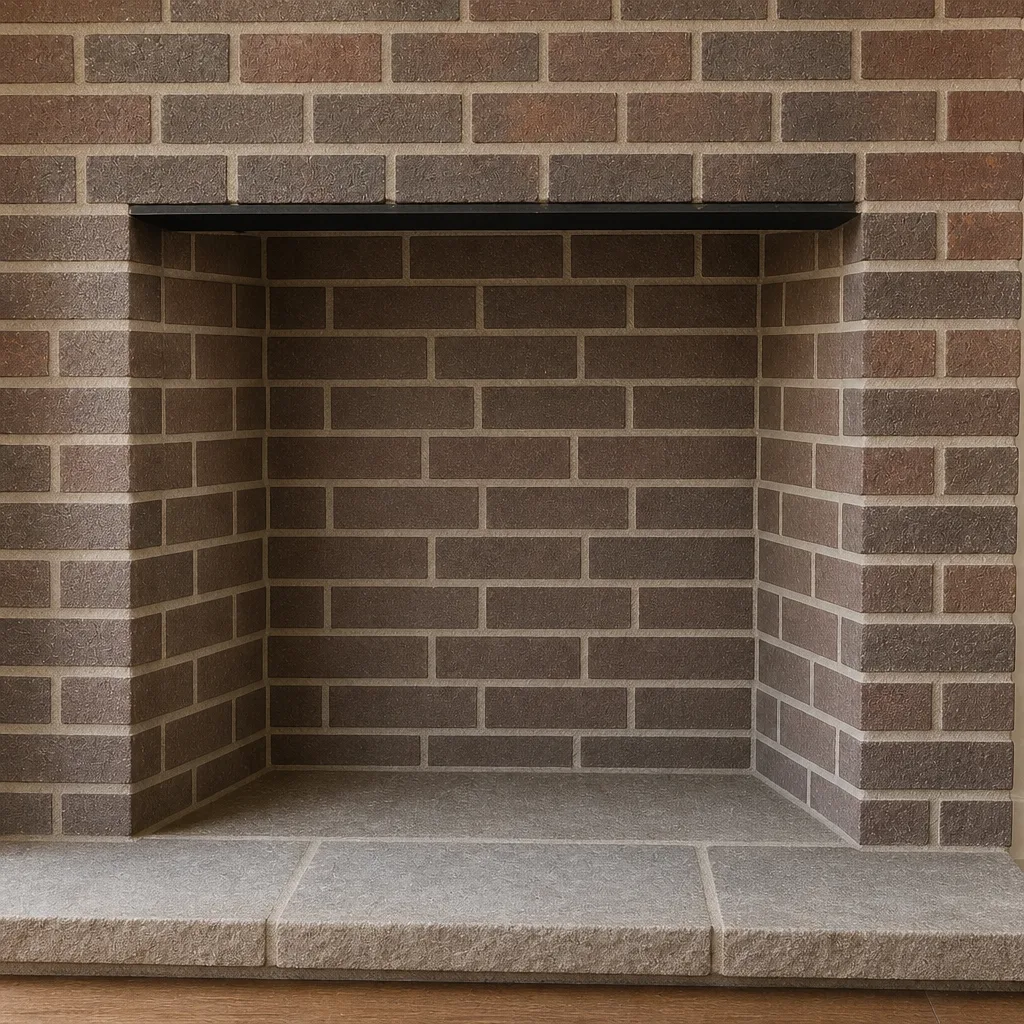
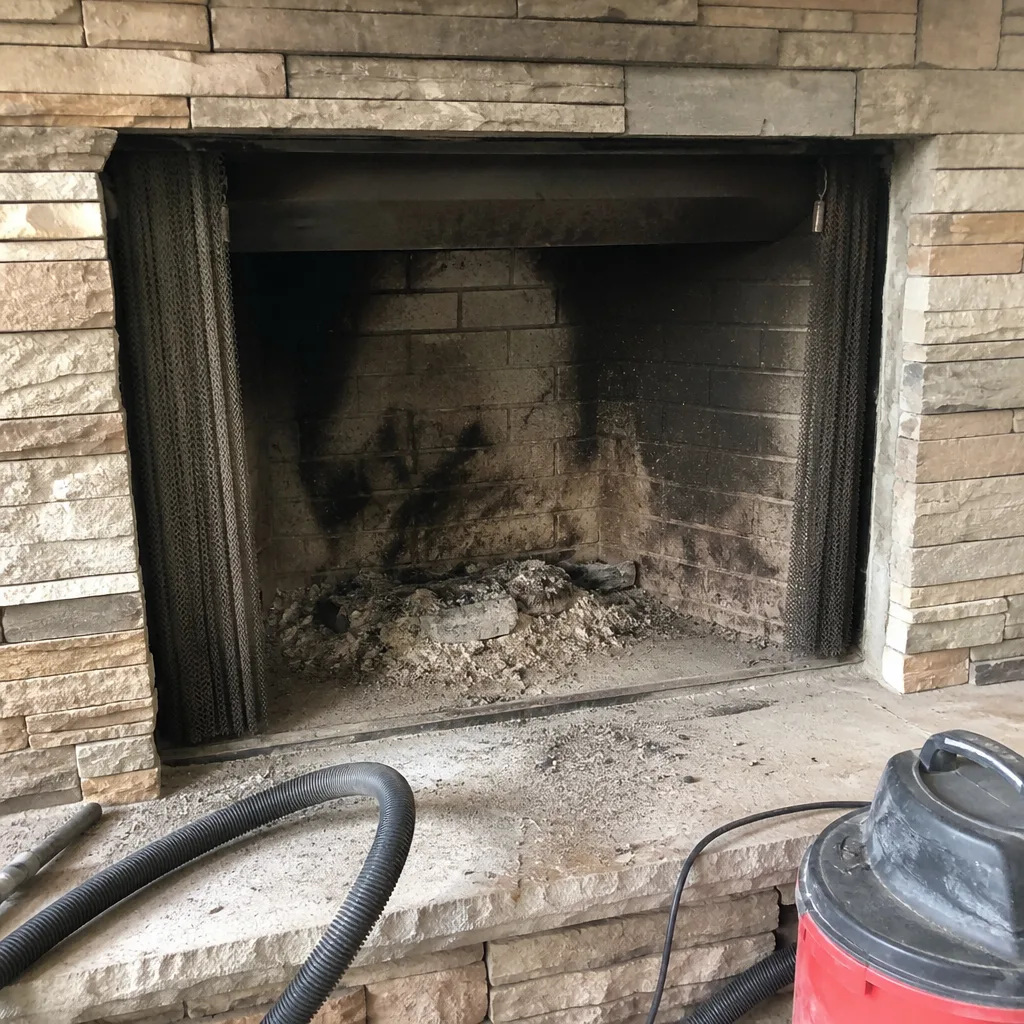
See the difference
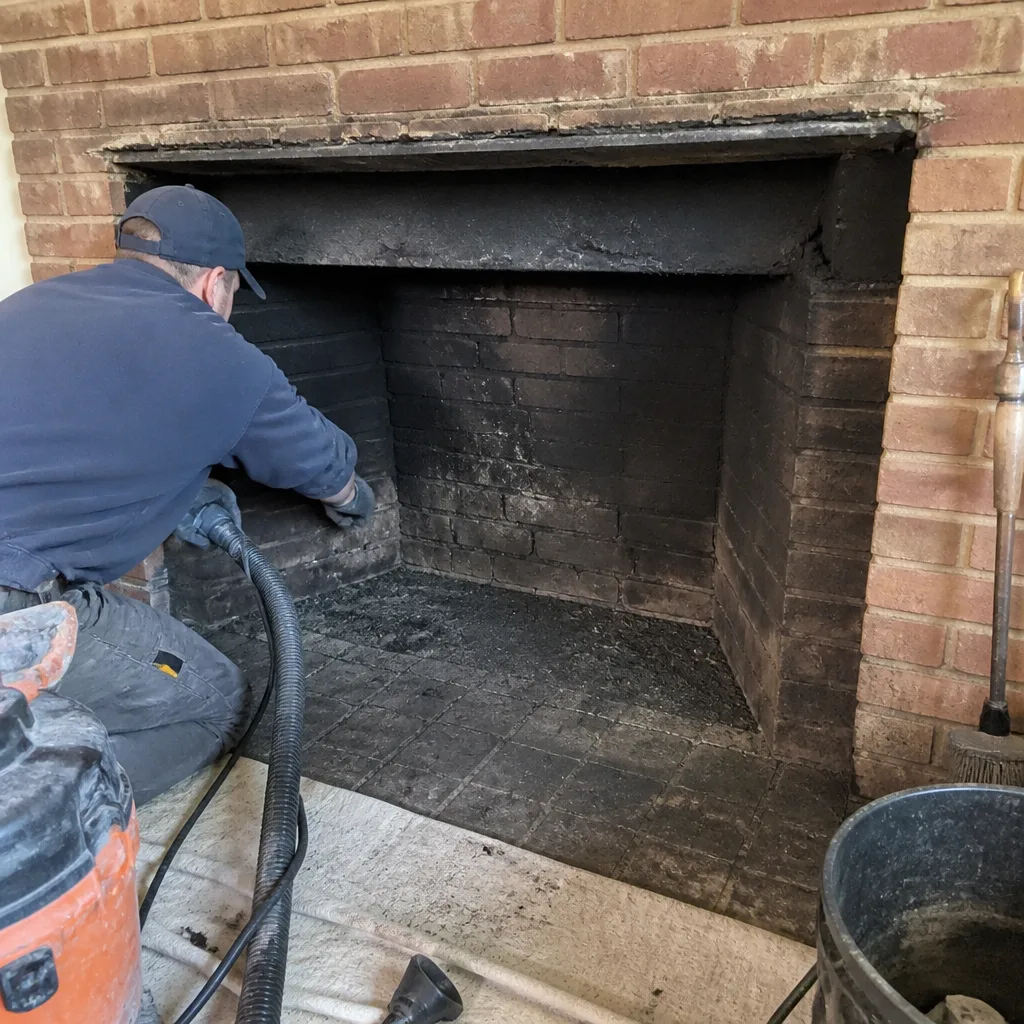 Before
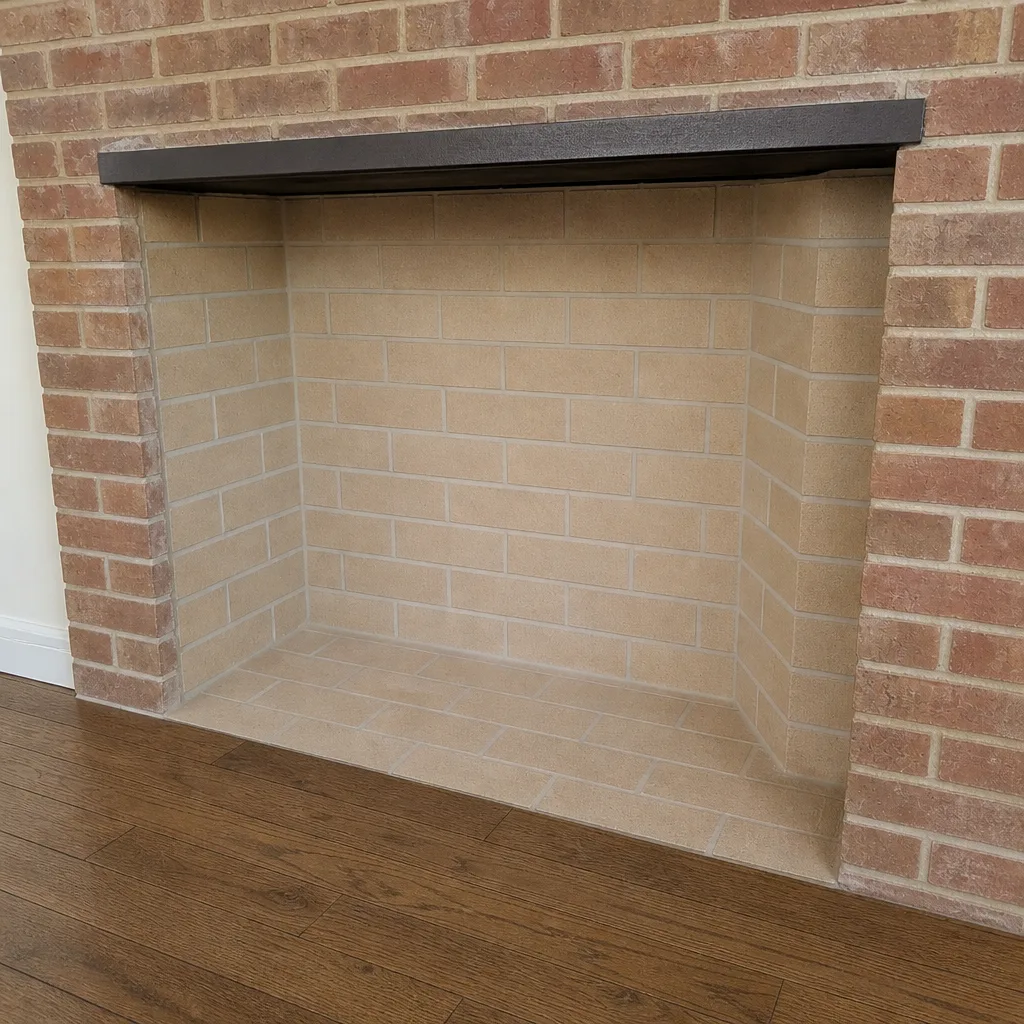 After
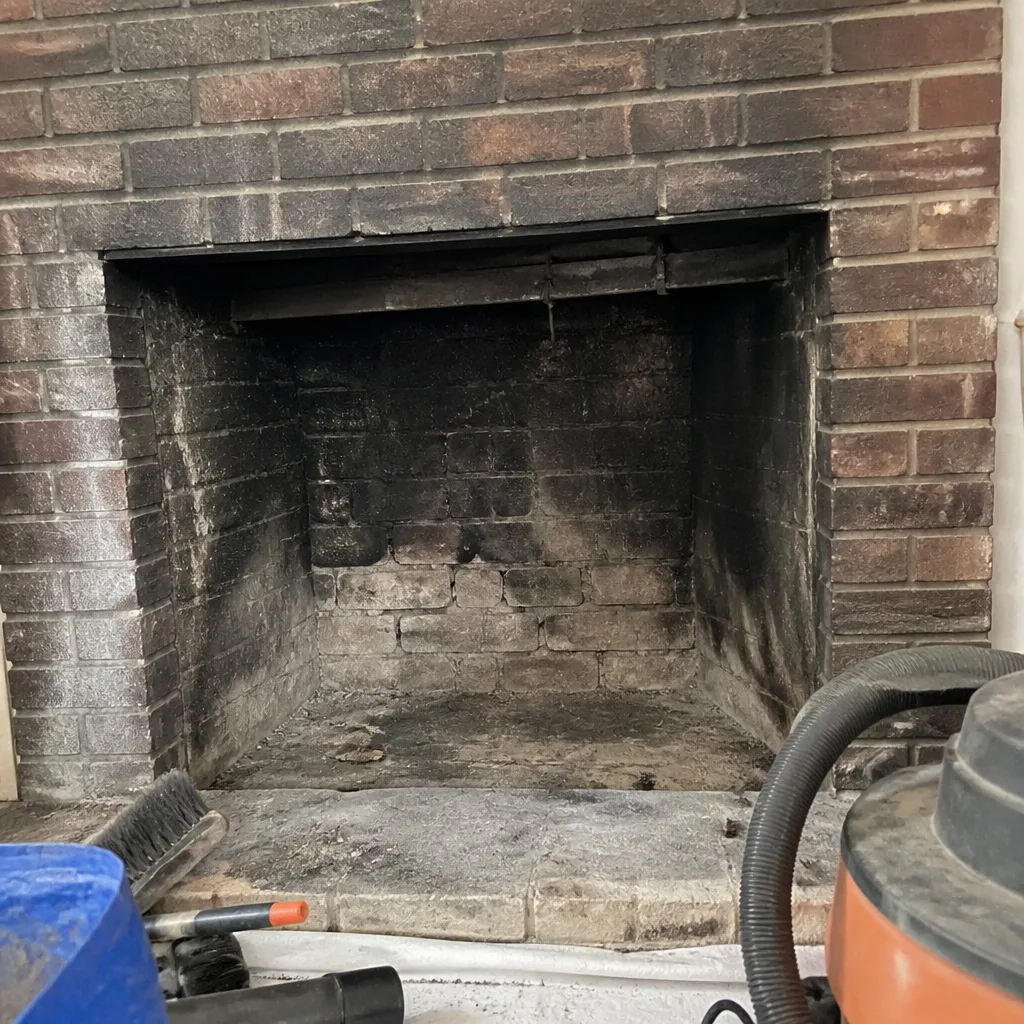 Before
 After
 Before
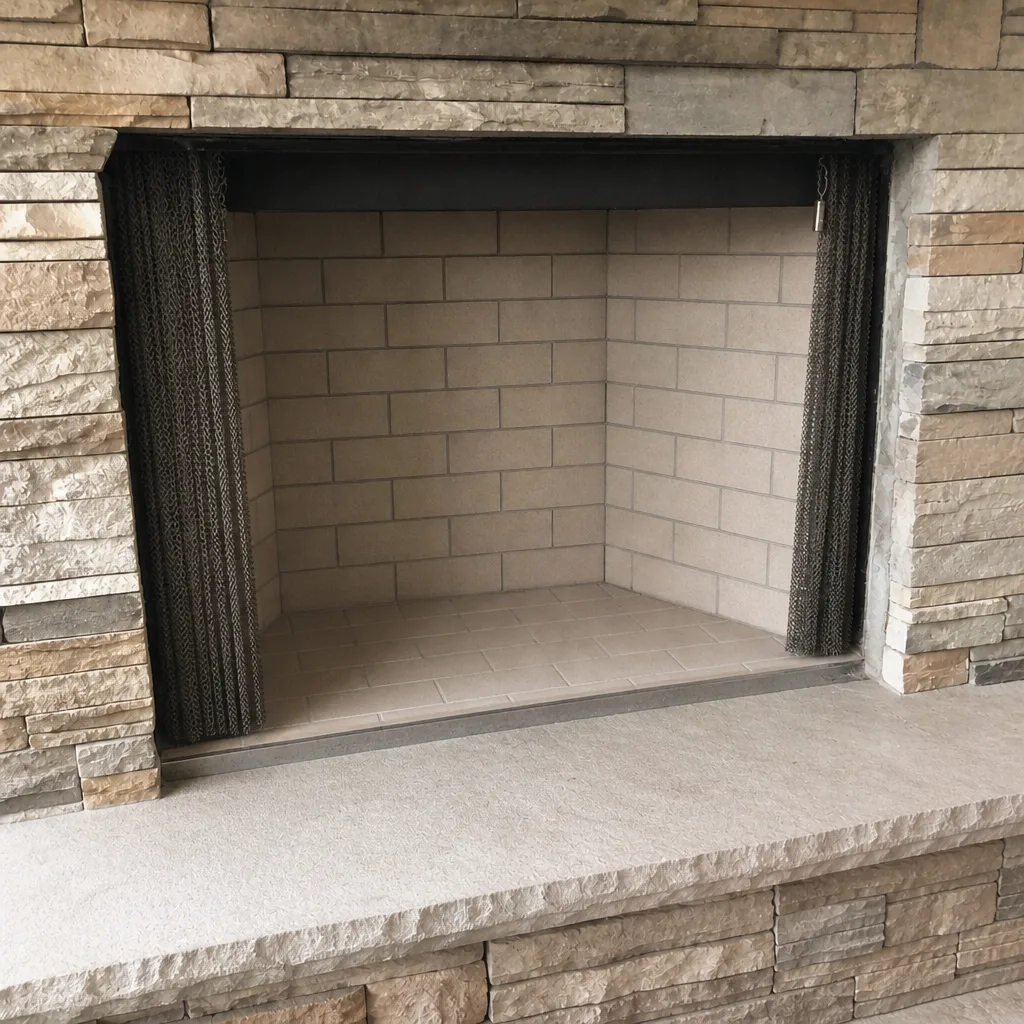 After
When to Call a Professional
Some tasks are yours: booking the sweep, checking the cap after a storm, keeping the log. Others genuinely need a trained technician. Call a professional when you’ve had a chimney fire, even a small one; when you smell smoke in the room with the fire going; when you’ve changed your appliance or fuel; when you notice new moisture, staining or efflorescence on the chimney; when a damper won’t seal or a firebox has loose brick; and when it’s been more than a year since the last inspection. Catching a cracked liner or a failed crown early is far cheaper than repairing structural damage. If you’re selling a home in Ridgewood, call before you list for a Level 2 inspection. Chimney Sweep Ridgewood offers free estimates in Ridgewood; call (877) 492-3239. We answer 24/7. Fast dispatch from 7am to 7pm, Sunday through Friday.
Frequently Asked Questions
It depends on how much you burn and what you burn. A wood-burning fireplace used more than three times a week needs cleaning every year, and sometimes a mid-season look. A gas appliance may be cleaned every few years, and a decorative fireplace only when the inspection finds enough deposit. The quarter-inch creosote rule is the trigger across all of them. Call (877) 492-3239 for an exact quote: estimates are free.
Yes. The annual inspection is a minimum for every chimney, including a decorative fireplace you light a few times a year. It catches animal nests, cracked mortar, a failed cap and a damper that no longer seals, none of which show up from the living room. Call (877) 492-3239 to book one; estimates are free.
A sweep cleans the flue; an inspection assesses its condition. The sweep removes creosote and debris, and the inspection tells you what the flue looks like underneath, including a camera scan of the full length. You can have either without the other. Call (877) 492-3239 to talk through which you need; estimates are free.
Gas removes the creosote but adds water vapor, so the schedule shifts from cleaning to inspection. We recommend an annual visual check and a Level 2 inspection with a camera every one to two years, especially where a gas appliance vents through an older masonry chimney. Call (877) 492-3239 to book one; estimates are free.
Freeze-thaw cycles here work on masonry twice a year: water gets in, freezes, expands, and pushes at joints and the crown. September’s check catches damage before winter, and April’s check catches what winter did, including hairline cracks in the flue tiles that a camera scan can see. Call (877) 492-3239 for either; estimates are free.
Often, yes. If the inspection shows a sound crown, an intact liner and normal deposit, there’s no reason to schedule a repair. That’s the point of the inspection: to tell you what the system needs and nothing more. Call (877) 492-3239 for an honest assessment; estimates are free.
The Bottom Line
The right chimney schedule starts with three questions: what fuel do you burn, how often do you burn it, and what is your liner made of. Answer those and you’ve placed your home on one of the four tracks in this guide. Then layer in Ridgewood’s two seasonal checks, the September cap-and-crown review and the April liner scan, and match your inspection level to NFPA 211 triggers. Keep a written log with camera evidence and product documentation, and you’ll have a chimney history that means something at a sale or a claim. If you’re unsure which track fits your home, an inspection settles it. Call Chimney Sweep Ridgewood at (877) 492-3239 for a free estimate. We answer 24/7. Fast dispatch from 7am to 7pm, Sunday through Friday. Our technicians have up to 15 years of experience, and our inspections come with a camera report so you can see what they see. If you need structural chimney repair down the line, it’s the same company from assessment through completion, with no handoff to a second crew.
Written by the team at Chimney Sweep Ridgewood.