
Last updated November 25, 2026
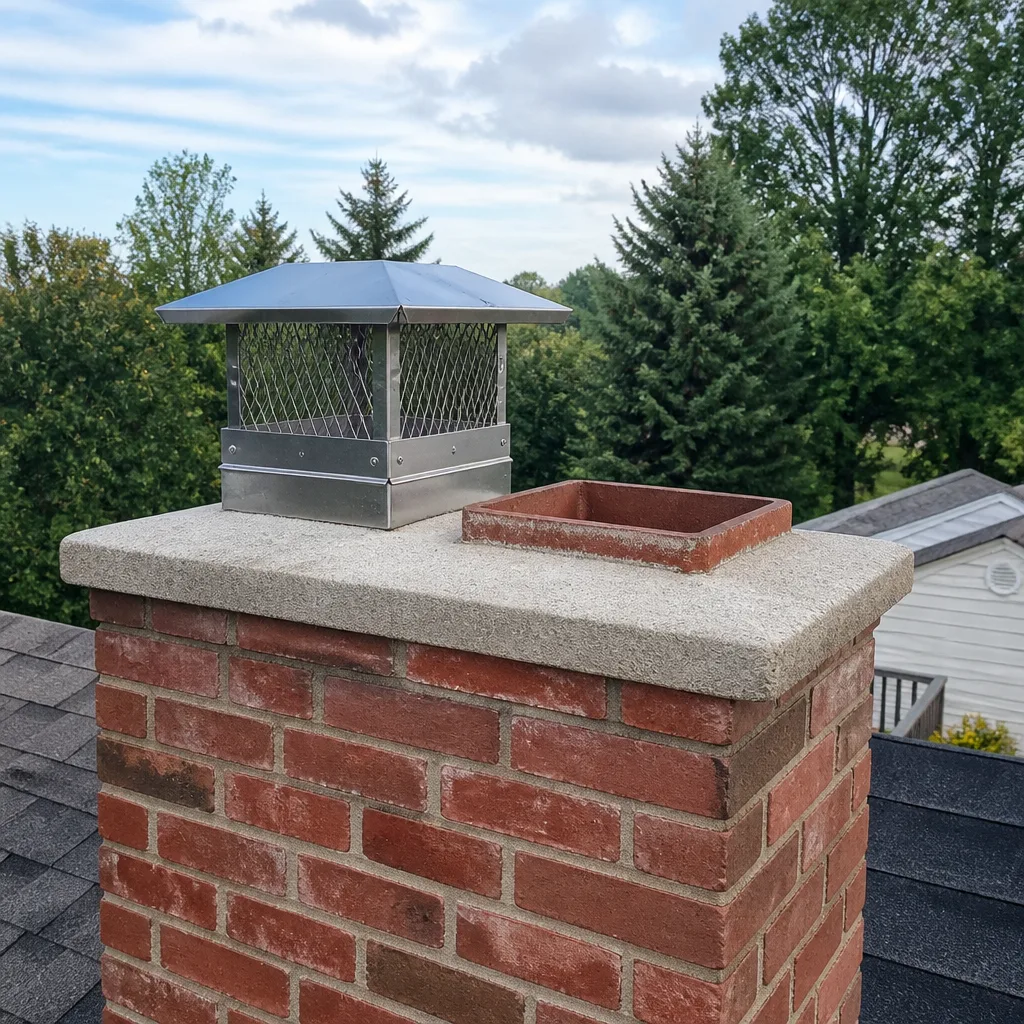 Sweep & inspection
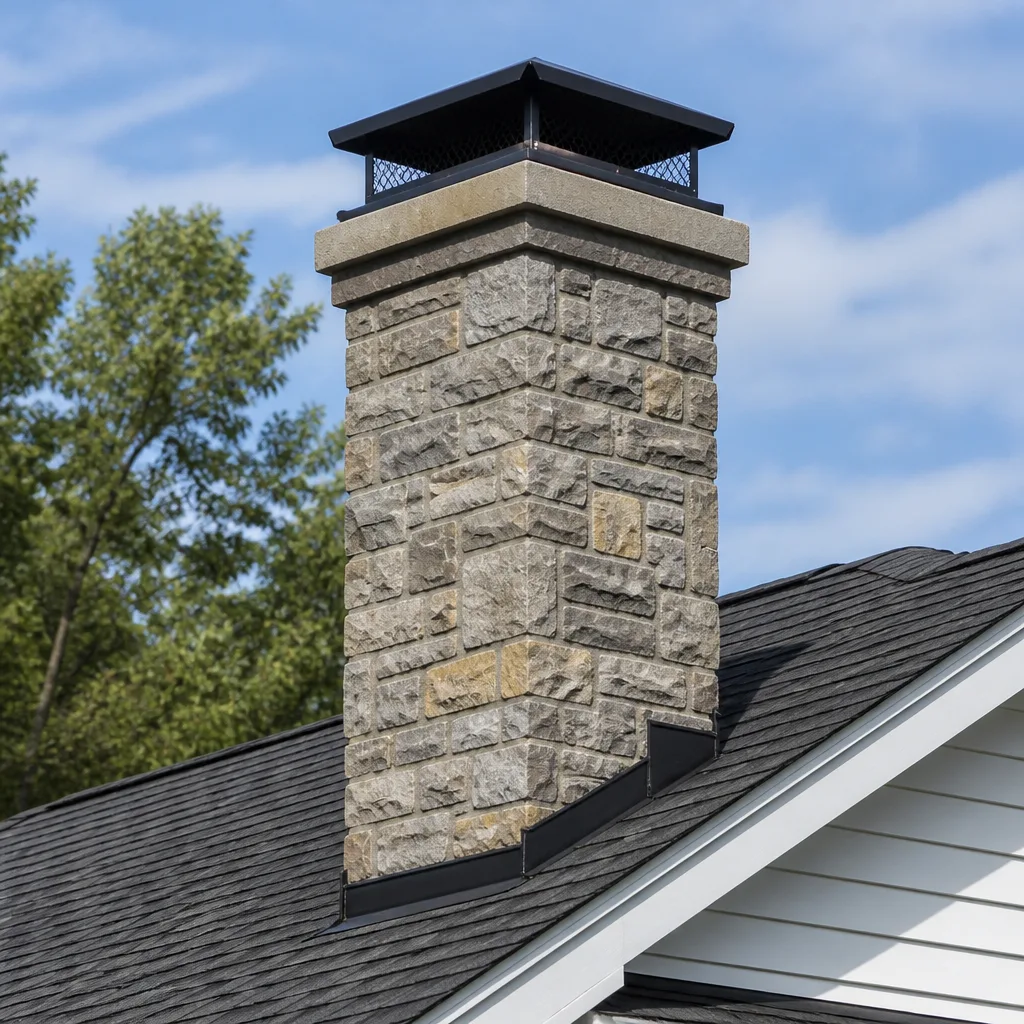 Caps & crowns
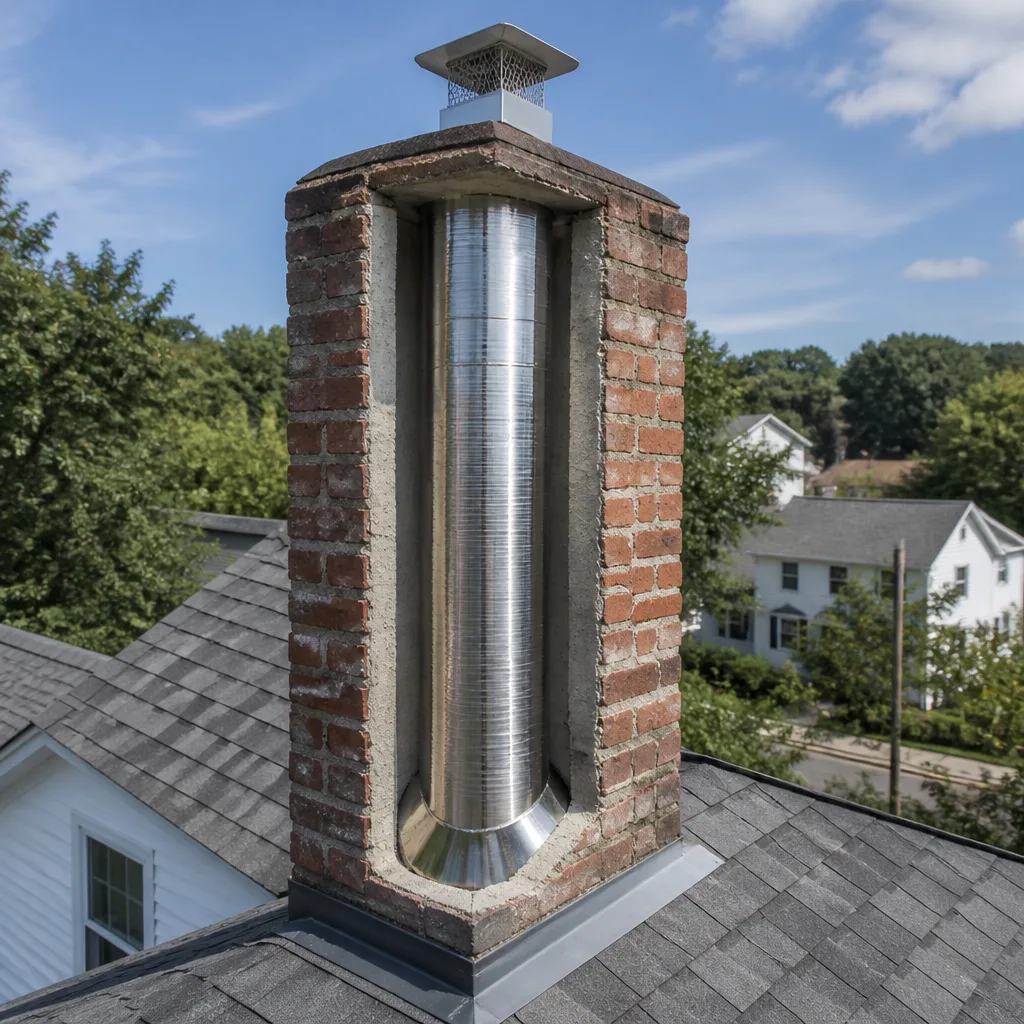 Flue relining
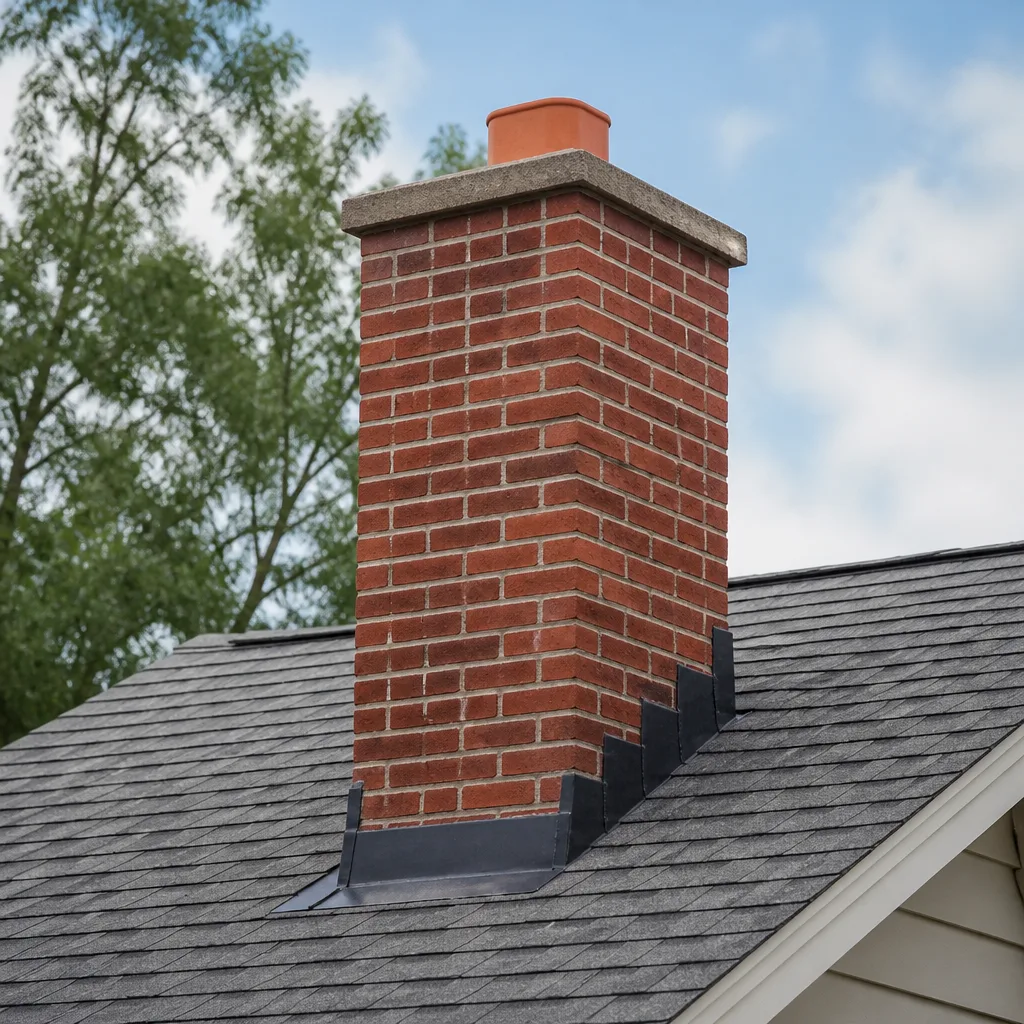 Masonry repair
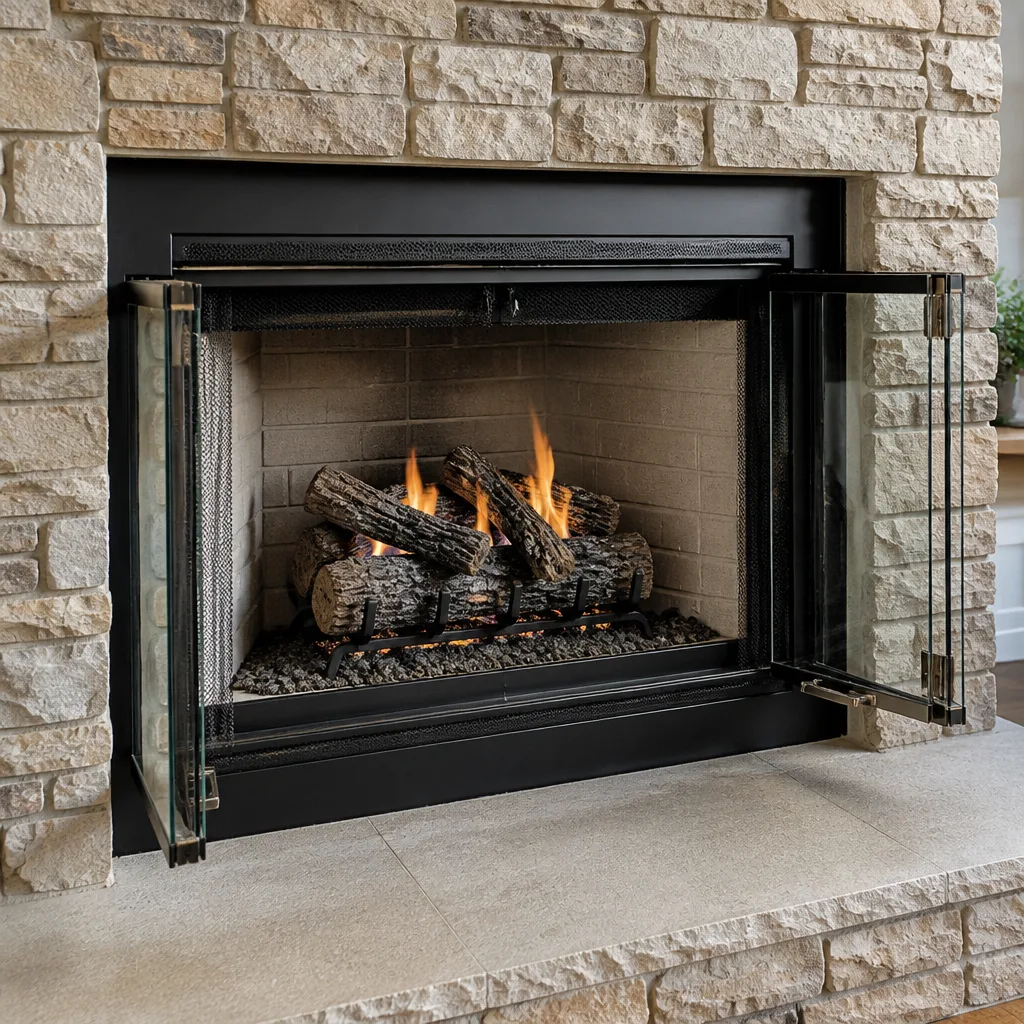 Gas fireplace service
Level 1 sweep and inspection to the NFPA 211 annual standard - flue, crown, cap, and flashing checked and photographed
Chimney sweep logs do not sweep chimneys. They loosen some creosote - which then falls where a brush and vacuum still have to collect it.
Chimney Sweep Troubleshooting in Ridgewood: Common Problems and How to Fix Them
A smoky fireplace and a smoky house smell the same, but one is a draft problem and the other is a creosote problem, and they need completely different fixes. That distinction is the whole reason this guide exists. Most chimney trouble in Ridgewood gets misdiagnosed at the symptom level: the room feels cold, the fire won’t draw, there’s a stain on the ceiling, so the reflex is “get it cleaned.” A sweep can be the right answer, or it can be money spent on the wrong problem. What follows maps the signs you can actually see to the mechanical cause underneath them, so you know what’s worth checking yourself and what needs a trained eye before anyone touches a thing.
Quick Answer
Most chimney problems in Ridgewood trace to one of five root causes: a blocked or undersized flue, negative pressure in a tight house, a cracked crown letting water in, a failed or deteriorated liner, or a damper and smoke chamber that don’t seal or transition properly. A direct inspection with a camera identifies which one you’re facing before any repair is quoted. Cleaning alone fixes only the first. The other four come back until the underlying cause is corrected, which is why “just sweep it” often doesn’t solve a persistent smoke or odor complaint in a Ridgewood home.
Styles & brands we work with
- Sweep & inspection
- Caps & crowns
- Flue relining
- Masonry repair
- Gas fireplace service
Table of Contents
- Symptom to Cause: The Diagnostic Map
- Negative Pressure in Ridgewood’s Tight, Older Homes
- Smoke Spillback and Slow Draw: What’s Actually Happening
- Odor Problems: Creosote, Water, and the Difference
- Crown Cracking After a Queens Freeze-Thaw Winter
- Staining and Water Entry That Mimics Draft Failure
- What You Can Check Yourself and What You Can’t
- Troubleshooting Steps That Void a Liner Warranty
Symptom to Cause: The Diagnostic Map
Before anything else, work backward from the sign. Every chimney complaint a Ridgewood homeowner calls about can be sorted into a small number of mechanical causes, and once you name the cause, the fix becomes obvious. That’s the core of Chimney Sweep Ridgewood troubleshooting: we’re diagnosing the system, not just reacting to the smell in the room.
Here’s how the common symptoms line up:
- Smoke rolls back into the room when you light a fire. Usually a blocked flue, a flue that’s too small for the firebox, or negative pressure pulling air down the chimney. All three feel identical at the fireplace. Only inspection tells them apart.
- The fire struggles to light and burns weakly. A cold flue, a closed or partially sealed damper, a flue that’s cooler than the house, or a flue that’s undersized. A slow draw isn’t always a blockage.
- You smell smoky or sour odor when the fireplace is off. This is creosote, soot, or moisture sitting in the flue and chimney, and it gets pulled into the room by the same negative pressure that causes spillback. Cleaning is often part of the answer; correcting the airflow is the rest.
- Brown or gray staining on the ceiling, chimney breast, or exterior masonry. Water entry, almost without exception. The source is usually the crown, the flashing where the chimney meets the roof, or the masonry itself.
- A cold draft from the fireplace when it’s not in use. An open damper or a missing or damaged top-sealing damper, or a cap that’s not blocking downdrafts.
- Crumbling mortar, spalling brick, or white efflorescence on the chimney exterior. Moisture cycling through the masonry, usually from a failing crown or unsealed brick.
Notice that only one of those six points to “sweep it.” The rest point to a fix that a cleaning alone won’t deliver. That gap is where most homeowners end up paying for the wrong service in Ridgewood, because a general sweep without an inspection can only address what’s visible at the firebox and hearth level. A camera pushed through the flue reveals the rest.
Negative Pressure in Ridgewood’s Tight, Older Homes
Here’s a dynamic most competitors never mention, and it’s the source of a large share of smoke complaints in Ridgewood’s older housing stock: a chimney is a machine that depends on air to work, and modern houses have stopped giving it any.
A fireplace pulls smoke up a flue because the fire heats the air in the flue, and warm air rises. For that to happen, outside air has to be able to enter the house and replace the air going up the chimney. In a house built before the mid-twentieth century, that was never a problem: windows, doors, and unsealed framing leaked air freely. Ridgewood has a lot of these homes, and many of them have since been tightened up with new windows, weatherstripping, spray foam, modern doors, and high-volume exhaust fans in bathrooms and kitchens.
Now look at what that does to a fire. Run a kitchen exhaust fan or a bathroom fan and you’re pulling air out of the house. In a tight house, that air has to come from somewhere, and the path of least resistance is often down the chimney. That reversal of airflow is negative pressure, and it’s the reason a fireplace that worked for decades suddenly smokes.
The signs of negative pressure read almost identically to a blockage:
- The fireplace draws fine on some days and spills on others
- Smoke appears mostly when a fan or dryer is running, or on windy days
- The problem started after new windows, a new furnace, or added insulation
- The fire lights slowly, then smolders rather than catching
The fix depends on the cause. Sometimes it’s as simple as cracking a window near the fireplace when you light the fire, which balances the pressure long enough for the flue to establish draft. In persistent cases, correcting the flue height, adding a proper top-sealing damper, or resizing the flue resolves it. A chimney sweep visit with a diagnostic inspection is how you tell whether the issue is air balance or something structural, and it’s a much better place to start than guessing at the firebox.
Smoke Spillback and Slow Draw: What’s Actually Happening
When smoke spills into the room instead of going up the flue, the mechanism is one of four things, and each has a distinct signature. Lumping them all together as “it needs cleaning” is how homeowners pay twice.
A blockage. Creosote buildup, a bird or animal nest, a fallen brick, or a collapsed liner restricts the flue opening. The fire gets less air, burns poorly, and the small amount of smoke it produces backs up into the room. This is a true cleaning problem, and a proper sweep clears it.
An undersized flue. A flue that’s too small for the firebox opening can’t move the volume of smoke the fire produces. This is a design and sizing issue, not a dirt issue. Adding a larger appliance or opening a firebox wider without matching the flue is a common cause. Remedying it means resizing the flue or, in some cases, installing a properly sized liner system such as a DuraFlex flexible liner sized to the appliance.
A transition problem. The space above the fireplace damper, called the smoke chamber, has to funnel smoke smoothly into the flue. If it’s rough, outsized, or shaped wrong, smoke tumbles and backs up. That’s a masonry and shaping issue, and it’s one reason professional chimney repair sometimes replaces a sweep-and-hope approach.
Negative pressure, covered above. It creates the same symptom from a completely different cause, and no amount of cleaning fixes it.
The order of operations matters. A sweep alone fixes the first. Before recommending the other three, we want camera evidence of what’s actually happening in the flue and smoke chamber, and a chimney cap & crown check to confirm the top end isn’t part of the problem. Getting the diagnosis right is the difference between a fix that lasts and a repeat visit next season.
Odor Problems: Creosote, Water, and the Difference
That smoky, sour smell from a fireplace that hasn’t been used in months is one of the most misread complaints in Ridgewood, and the source matters because creosote and water smell similar but come from opposite ends of the chimney.
Creosote odor. Creosote is the byproduct of burning wood, and it accumulates on the flue walls as a sticky, then glazed, then crusty deposit. It has a sharp, smoky, sometimes acrid smell that’s strongest in damp weather and when the house is under negative pressure, because the smell is being pulled into the room instead of lingering in the flue. A sweep removes it. Left unaddressed, creosote also becomes the fuel for a chimney fire, so an odor complaint is worth taking seriously even when you’re not currently burning.
Water odor. Water gets into chimneys through the crown, flashing, or open masonry joints, then soaks into the brick and mortar and produces a stale, sour, musty smell that reads almost like the creosote odor but has a damp, earthy note. You may also see staining, efflorescence (white powder) on the exterior, or spalling brick. Sweeping doesn’t fix this, because the water keeps coming back until the entry point is sealed. This is where a failing crown or flashing turns into a smell that a cleaning won’t touch.
Animal nests and debris. A blocked flue from a bird or squirrel nest produces a different odor, often with a musty or animal character and sometimes a sound of movement. That’s a safety issue and a real hazard, not just a smell.
The way to tell them apart without guesswork is inspection. A camera view of the flue shows creosote deposits and any nest; an exterior and crown inspection shows water entry points. In our experience, many Ridgewood homes with a persistent odor have both issues at once, which is why a single-service sweep sometimes brings the customer right back the next season.
Crown Cracking After a Queens Freeze-Thaw Winter
The chimney crown is the concrete or masonry cap at the very top of the chimney, and it’s the part that takes the most weather. In Queens County, winters run through repeated freeze-thaw cycles, and that cycle is what cracks crowns.
Here’s how it works. Water soaks into the porous concrete of the crown, or into a hairline crack. When the temperature drops below freezing, that water expands as it turns to ice, prying the crack wider. When it thaws, more water gets in. Repeat that across a winter of freeze-thaw swings, and a small crack becomes a spiderwebbed crown with pieces beginning to separate. That cracking pattern is common in Ridgewood after a hard winter, and it’s easy to miss from the ground.
The consequence matters more than the crack itself: a failing crown lets water run down into the chimney structure and the flue. From there it produces exactly the staining and odor problems that look like draft failure. Homeowners sometimes spend money on draft correction while the actual problem is water pouring in from above.
What a failing crown looks like:
- Visible cracks, especially spiderweb patterns radiating from the flue opening
- Crown sections lifting or separating from the chimney top
- The crown sloping toward the chimney instead of away from it, so water pools on top
- Rust stains or water tracks running down the chimney exterior
- Interior staining at the top of the chimney breast
A crown that’s sloped wrong, cracked, or separated needs to be repaired or rebuilt, not patched with a smear of sealant that fails the next winter. A proper crown job slopes away from the flue so water sheds, and it uses materials rated for the climate. This is one of the reasons we treat chimney cap & crown work as a structural repair, not a cosmetic one: it’s the first line of defense for everything below it, and it’s the fix that prevents the next round of water-related troubles in a Ridgewood chimney.
Staining and Water Entry That Mimics Draft Failure
Interior staining on the chimney breast, ceiling, or walls is almost always water, but it’s frequently misdiagnosed as a smoke or draft problem because it appears in the same areas. Getting that right saves you from paying for draft correction you didn’t need.
Water gets into a chimney system through four common paths:
- The crown. Cracks and separation at the top let water run down the flue lining and into the structure, showing up as interior staining. This is the freeze-thaw issue described above.
- Flashing. The metal or masonry seal where the chimney meets the roof is a common leak point, especially after the sealant ages. Staining then appears on the ceiling near the chimney rather than on the chimney breast itself.
- Open masonry joints. Missing mortar between bricks lets water into the brick and mortar, producing exterior spalling and interior dampness. Efflorescence on the outside is the giveaway.
- A missing or damaged cap. A chimney cap keeps rain out of the flue. Without one, or with one that’s rusted through or blown off, water runs straight down the flue and the smell and staining follow.
The distinguishing feature between water and smoke staining is usually the pattern. Smoke staining tends to be dark, sooty, and concentrated around the firebox or above it. Water staining tends to be brown, gray, or ring-shaped, often spreading on the ceiling or darkening the masonry, and it comes and goes with the weather. If the stain grows after rain, it’s water. If it appears after you’ve burned, it’s smoke or draft.
Diagnosing this properly means inspecting the crown, flashing, cap, and flue together, because water often enters at the top and shows up far from the entry point. That’s why chimney cap & crown and flashing checks belong in the same visit as a sweep, not in a separate appointment weeks later.
What You Can Check Yourself and What You Can’t
There’s a safe middle ground between “call a pro for everything” and “climb up and figure it out.” Some chimney problems are truly DIY-diagnosable. Others need a trained technician before you touch anything, because the consequences of getting it wrong range from expensive to dangerous.
Reasonable to check yourself:
- The damper. Look up into the firebox with a flashlight and confirm the damper opens freely and seats fully closed when the fireplace is off. A damper that’s stuck partway open causes cold drafts and slow draws, and it’s often the entire cause of a “cold fireplace” complaint.
- The firebox for obvious debris. Loose bricks, a fallen mortar chunk, or ash buildup above the damper can restrict airflow. Clear from the firebox only, never from above.
- The cap, from the ground. Use binoculars to spot a missing, rusted, or damaged cap and to see visible crown cracks from a safe distance. Don’t climb onto a roof to check a cap.
- The exterior, from the ground. Look for efflorescence, spalling brick, or missing mortar from the ground. This gives you a clear picture before a technician arrives.
Not for DIY:
- Anything involving the flue interior beyond the first few inches. A blocked or creosote-heavy flue needs a camera and trained handling. The buildup is flammable and the flue is a confined space. Don’t attempt to clear it yourself.
- Liner work of any kind. Liner installation, resurfacing, or repair on a live chimney is a specialist job. HeatShield ceramic resurfacing, for example, is applied by trained technicians to restore deteriorated flue liners without demolition, and doing it wrong defeats the purpose.
- Anything on the roof. Steep pitches, height, and old masonry make roof work dangerous. A fall from a roof is a severe injury every time. Leave the top of the chimney to a trained technician.
- Gas appliance flues. A gas-burning appliance’s flue is part of the carbon monoxide pathway, and it should only be worked on by someone trained and equipped for it.
The rule of thumb is safe and simple: anything you can see with a flashlight from the hearth, at the exterior from the ground, is fair to check. Anything that involves reaching into the flue, climbing the roof, or touching a live liner is a job for trained hands. A chimney repair assessment tells you exactly which category your issue falls into before you spend a dollar on tools.
Troubleshooting Steps That Void a Liner Warranty
A liner is the most expensive component in a chimney system, so the troubleshooting you do before an inspection matters financially as well as physically. Several common steps can invalidate a manufacturer’s liner warranty, and homeowners rarely realize the risk until they’ve done it.
Steps that can void a liner warranty:
- Cleaning or resurfacing the flue without a documented inspection. A liner warranty is tied to a correctly sized, structurally sound, and properly cleaned host flue. If the interior wasn’t documented before the work, the manufacturer can decline a later claim because there’s no proof the liner was installed over an acceptable surface. Inspect first, then install, and keep the paperwork.
- Running brushes of the wrong type or size through a lined flue. Certain brush types can damage the inner wall of a liner. If a liner is in place, the cleaning method has to match the liner material, and the wrong brush can cause damage that the warranty won’t cover.
- Firing a flue hotter than the liner’s rated temperature. Liner systems are rated to specific temperature limits. Burning materials or in a way that exceeds those limits, or in an appliance the liner wasn’t sized for, can cause the manufacturer to refuse a claim.
- Failing to support the liner as specified. Flexible liners such as DuraFlex require proper support at the top and bottom per manufacturer instructions. Improper install support voids the warranty.
- Making modifications without documentation. Cutting, shortening, or adapting a liner component, or altering the appliance, without a proper record and inspection, removes the protection.
- Ignoring a failing crown or water entry. If water is entering the chimney above the liner, the liner can corrode or fail prematurely. A manufacturer can reasonably refuse a claim if water intrusion was documented as an issue and not corrected. Repairs to the crown and cap aren’t just upkeep; they’re part of keeping the liner protected.
The takeaway is procedural: get an inspection and keep the record before and after any liner work, use liner-appropriate cleaning methods, and fix water entry while it’s still a small repair. We work with DuraFlex and HeatShield systems precisely because proper installation and proper documentation go together; the products and the paperwork are part of the same job. If you’re not sure whether a warranty is at risk, the safest move is to stop and have the system inspected before touching anything else.
Common Mistakes to Avoid
- Assuming every smoke problem is a cleaning problem. Plenty of Ridgewood chimney complaints get “fixed” with a sweep and come right back the next season because the actual cause was negative pressure or an undersized flue. Cleaning a flue that isn’t the problem doesn’t resolve anything.
- Sealing the crown with a thin topical patch. A smear of sealant over a cracked crown won’t survive a Queens freeze-thaw winter. If the crown is cracked or sloped wrong, it needs to be rebuilt to shed water, not patched.
- Running a kitchen or bathroom fan while lighting a fire in a tight house. That’s a fast way to pull smoke down a chimney that would otherwise draw fine. Turn off the exhaust fans, crack a window, and see if the spillback stops before assuming the chimney is broken.
- Ignoring staining because it’s on the ceiling, not the chimney breast. Ceiling staining near a chimney usually means flashing or crown failure, not “just an old house.” Left alone, it keeps spreading.
- Skipping documentation before liner work. An undocumented flue inspection can put a liner warranty at risk, and it’s almost always cheaper to document first. It’s the one step you can’t easily go back and redo.
- Climbing the roof to “just check the cap.” A fall from a roof is a serious injury. Inspect the cap from the ground with binoculars and leave the climbing to a trained technician.
- Treating the smell as a symptom of “old house.” A persistent smoky or sour odor usually points to creosote, water, or a blocked flue, all of which are fixable and worth diagnosing properly rather than living with.
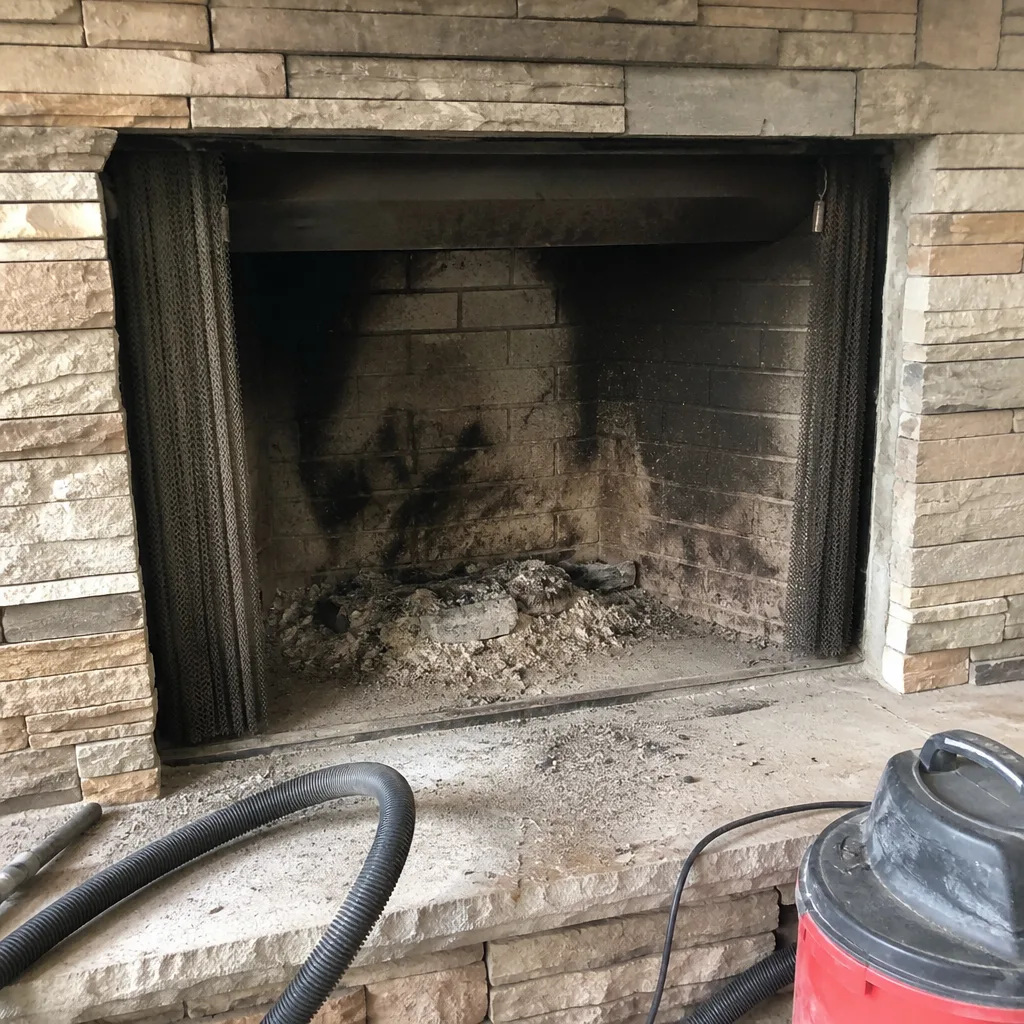
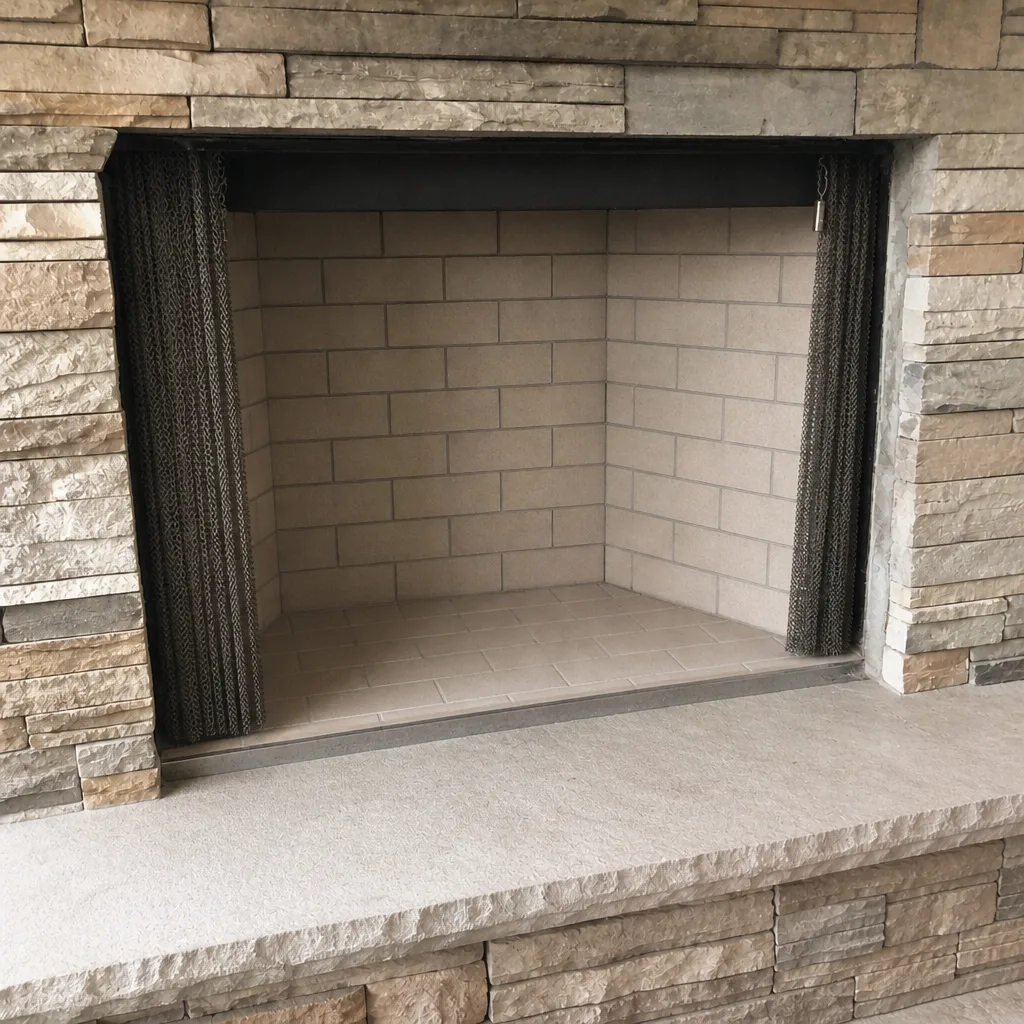
See the difference
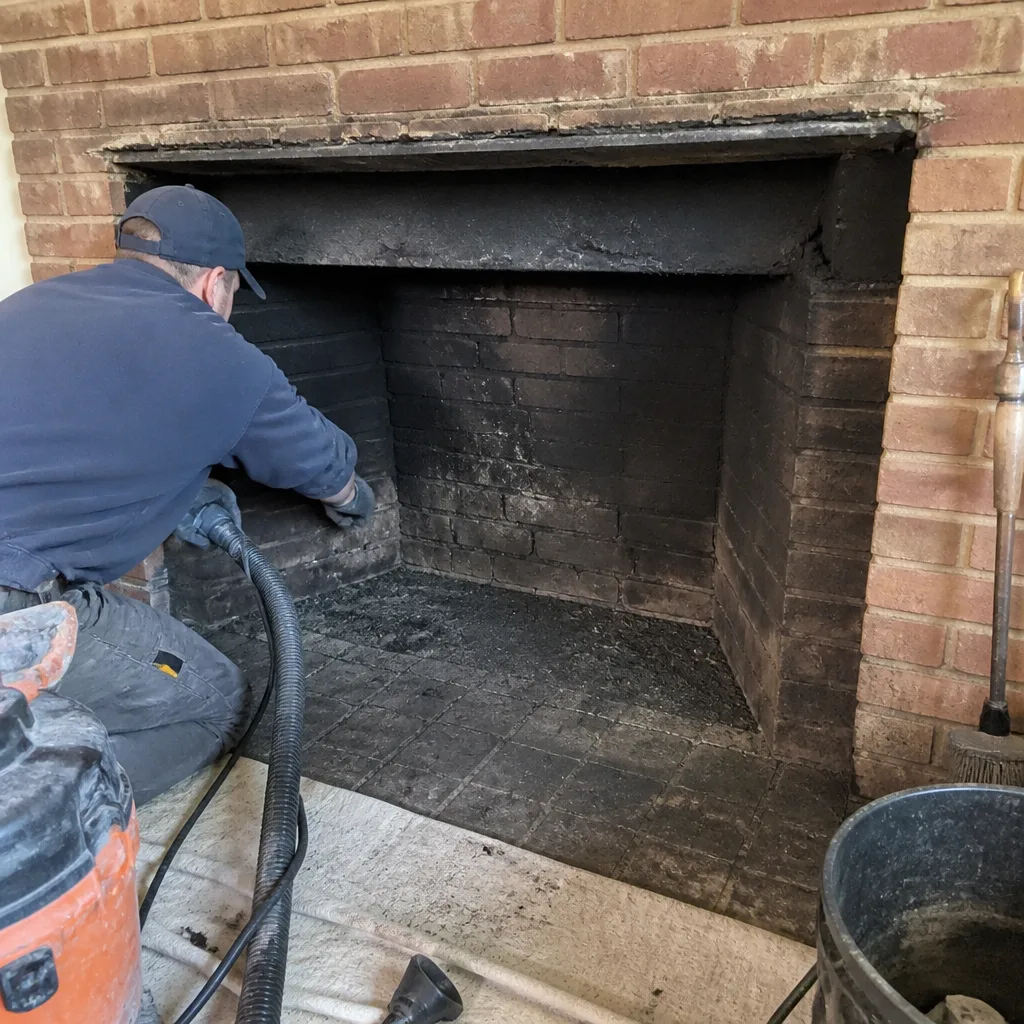 Before
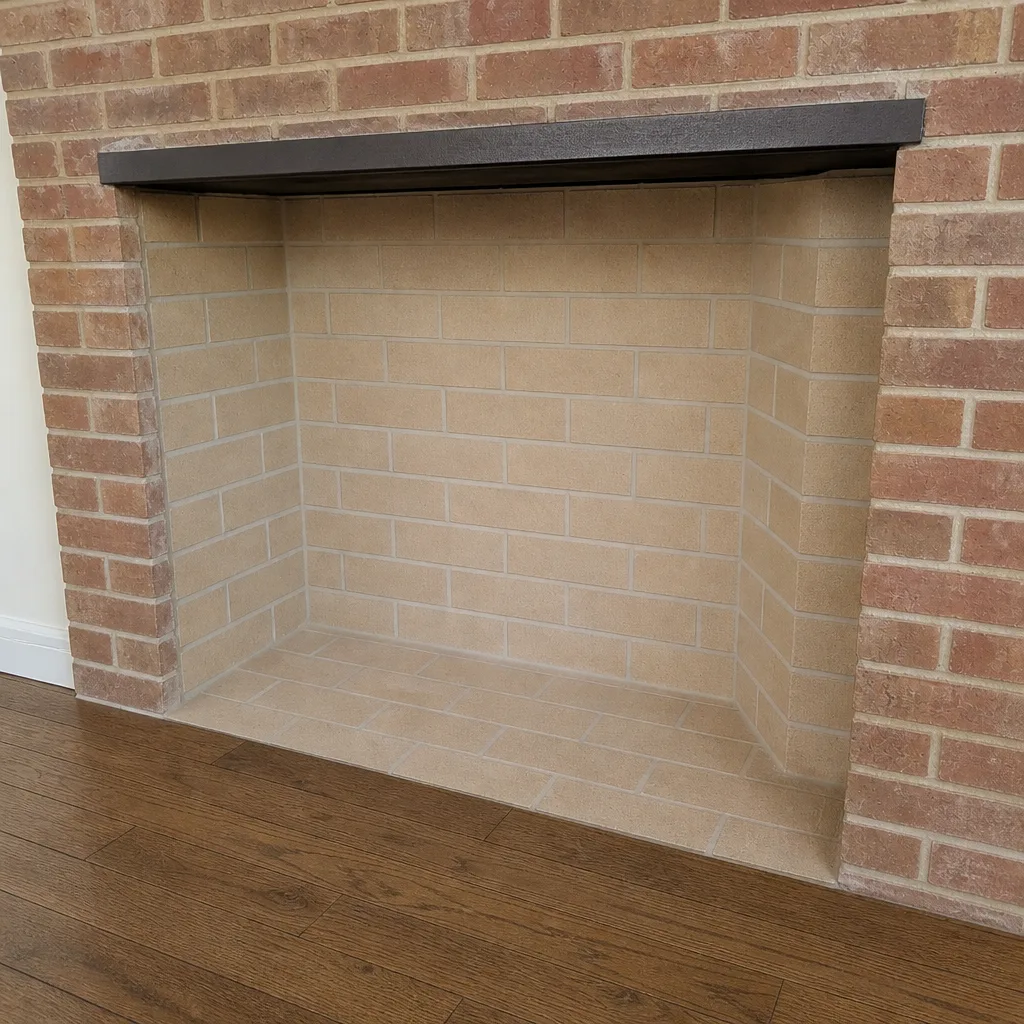 After
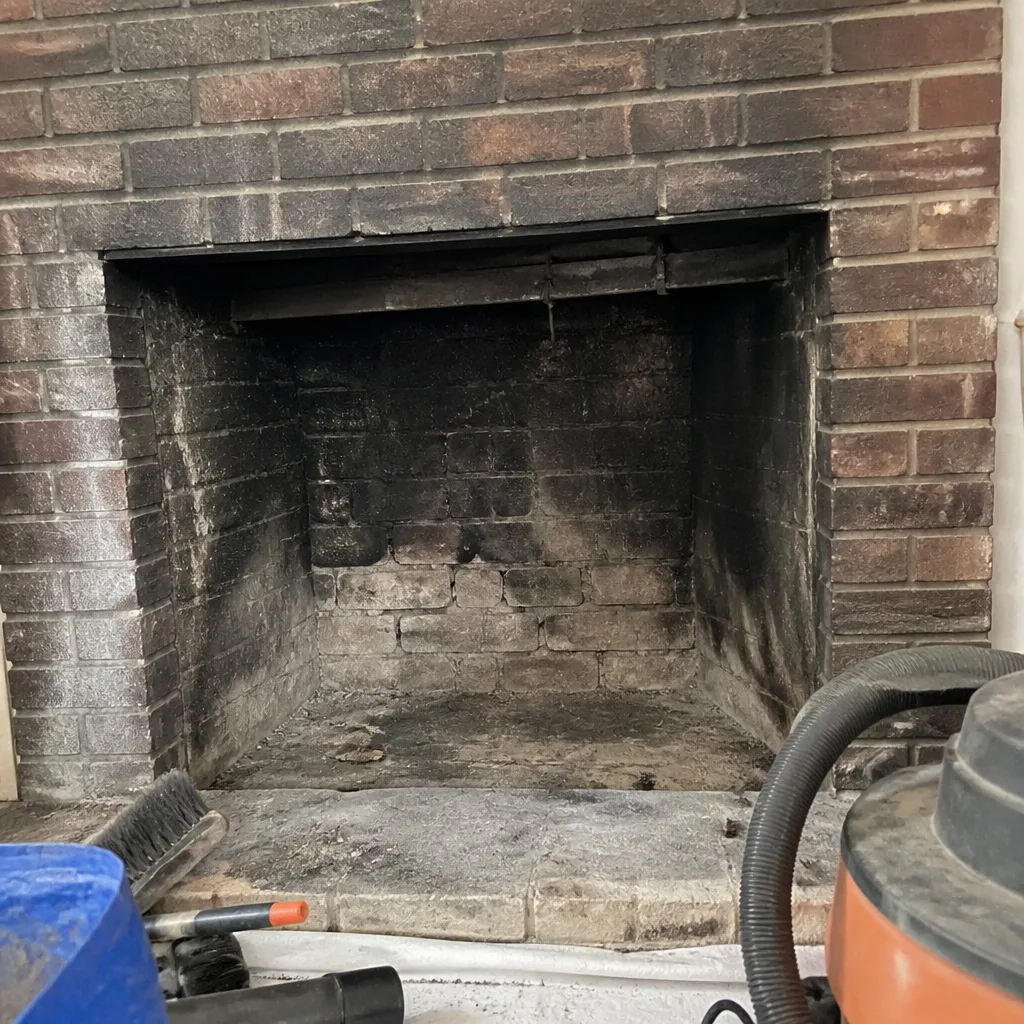 Before
 After
 Before
 After
When to Call a Professional
Call a professional when any of the following happen: smoke rolls into the room despite a clear firebox and an open damper; you smell a persistent smoky or sour odor when the fireplace is off; you see staining, efflorescence, or spalling on the chimney or ceiling; the crown looks cracked or separated from the ground; the flue is visibly blocked; or you’re already burning and something doesn’t feel right. Also call before you buy anything that will touch the flue, because performing the wrong step first can void a liner warranty. These symptoms are worth a technician’s eyes because the difference between a cleaning and a structural fix changes the diagnosis, and getting it wrong costs real money.
Chimney Sweep Ridgewood offers free estimates in Ridgewood. Call (877) 492-3239. We answer 24/7. Fast dispatch from 7am to 7pm, Sunday through Friday. An inspection tells you exactly what your system needs, nothing more, and the written estimate sets the final price.
Frequently Asked Questions
Intermittent smoke almost always points to negative pressure or a fluctuating flue condition, not a constant blockage. In a Ridgewood home, the trigger is often an exhaust fan, a dryer, new windows tightening the house, or a windy day pushing air down the flue. A diagnostic inspection confirms which. Call (877) 492-3239 for an exact quote; estimates are free.
Only if the inspection shows the current liner is deteriorated, damaged, or undersized for the appliance. A visual and camera inspection confirms it, and where the flue liner is worn, HeatShield ceramic resurfacing can sometimes restore it without a full rebuild. Nothing is recommended without camera evidence you can see for yourself, and if the liner is sound, we’ll say so. Call (877) 492-3239.
Annual inspection is the standard; sweeping frequency depends on how much you burn and what you burn. A homeowner who burns regularly may need a sweep every season, while an occasional user may go longer between cleanings, and the inspection tells you which. A sweep visit with a camera inspection is the safest schedule. Call (877) 492-3239.
Creosote accumulates and becomes the fuel for a chimney fire, and liner damage or a carbon monoxide pathway can go unnoticed. Those are the risks that make the diagnosis worth doing rather than deferring. If the inspection shows the work can safely wait, we’ll tell you that too. Call (877) 492-3239.
A cracked crown usually causes water entry rather than draft loss, but the two mimic each other because both show up as staining and odor. In Ridgewood, freeze-thaw cracking on a crown is common after a winter, and the water it lets in down the flue can look like a draft problem. The inspection tells the difference. Call (877) 492-3239.
You can safely check the damper seating, look for debris in the firebox, and examine the cap and crown from the ground. Anything that requires reaching into the flue, climbing the roof, or touching the liner needs a trained technician, because the flue is flammable and the roof is dangerous. Call (877) 492-3239 for a free estimate.
The Bottom Line
Most chimney problems in Ridgewood are diagnosable, and the fix follows from the cause. A smoking fireplace is usually a draft or pressure issue, a smoky smell is usually creosote or water, and staining is almost always moisture coming in from the crown, flashing, or cap. Cleaning alone only fixes one of those. The rest come back until the actual cause is corrected. The inspection is the step that tells you which fix you’re looking at, and it’s the step that prevents both repeat visits and unnecessary repair. If the diagnosis shows the work can safely wait, you’ll hear that too, and we’ll never recommend work without camera evidence you can see for yourself.
Chimney Sweep Ridgewood handles sweeping, inspection, cap and crown work, structural chimney repair, and fireplace repair as a single scope, with HeatShield and DuraFlex systems in the mix where the job calls for them. Our technicians have up to 15 years of experience. Call (877) 492-3239. We answer 24/7. Fast dispatch from 7am to 7pm, Sunday through Friday, with the estimate set per job by the written documentation. Estimates are free, and the written estimate sets the final price. One company, every phase, no handoff to a second crew.
Written by the team at Chimney Sweep Ridgewood.