
Last updated November 25, 2026
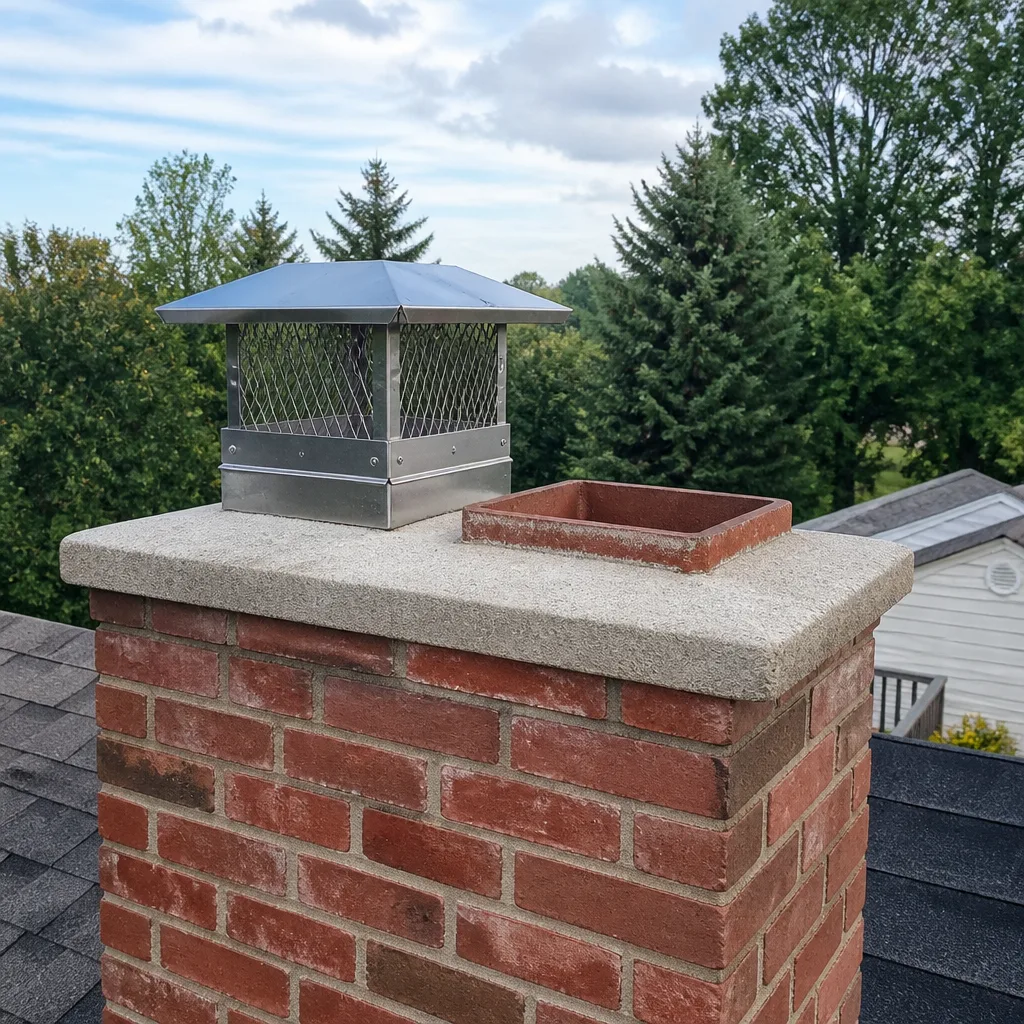 Sweep & inspection
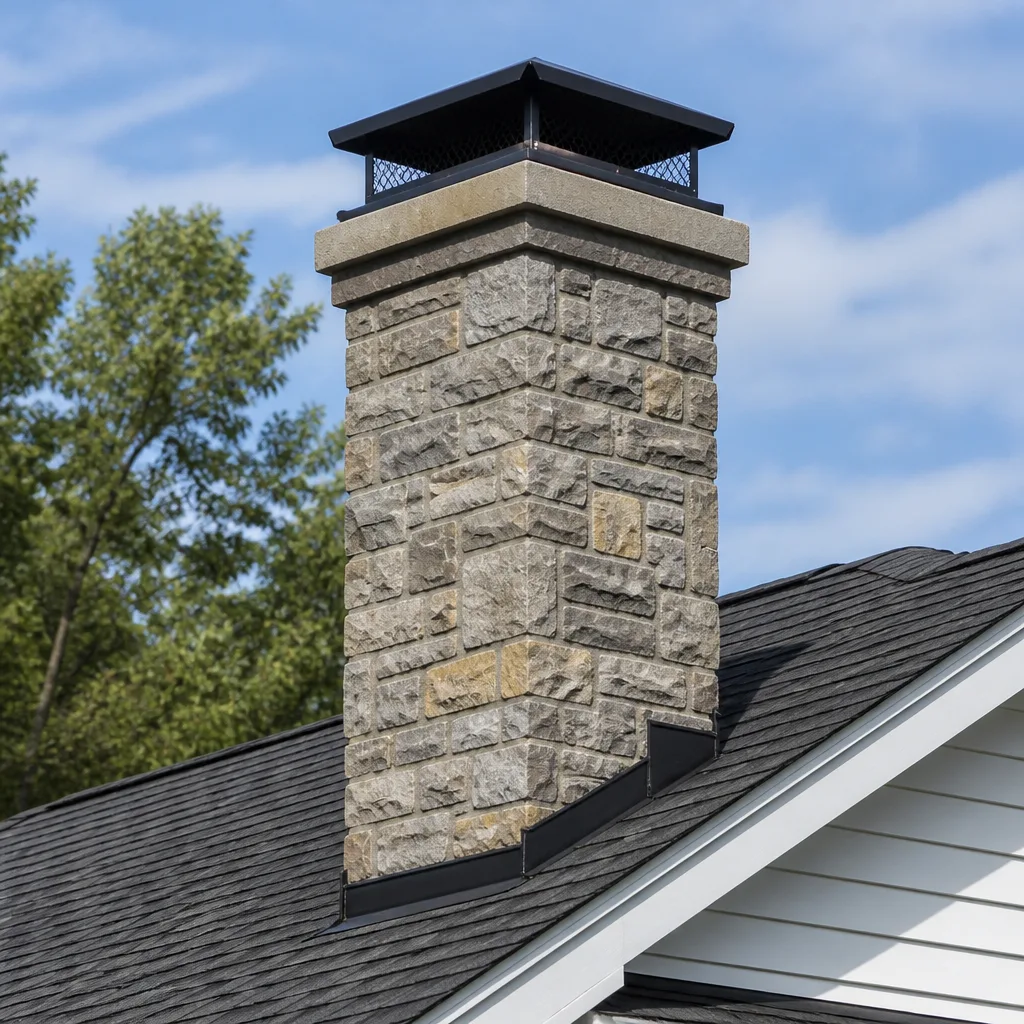 Caps & crowns
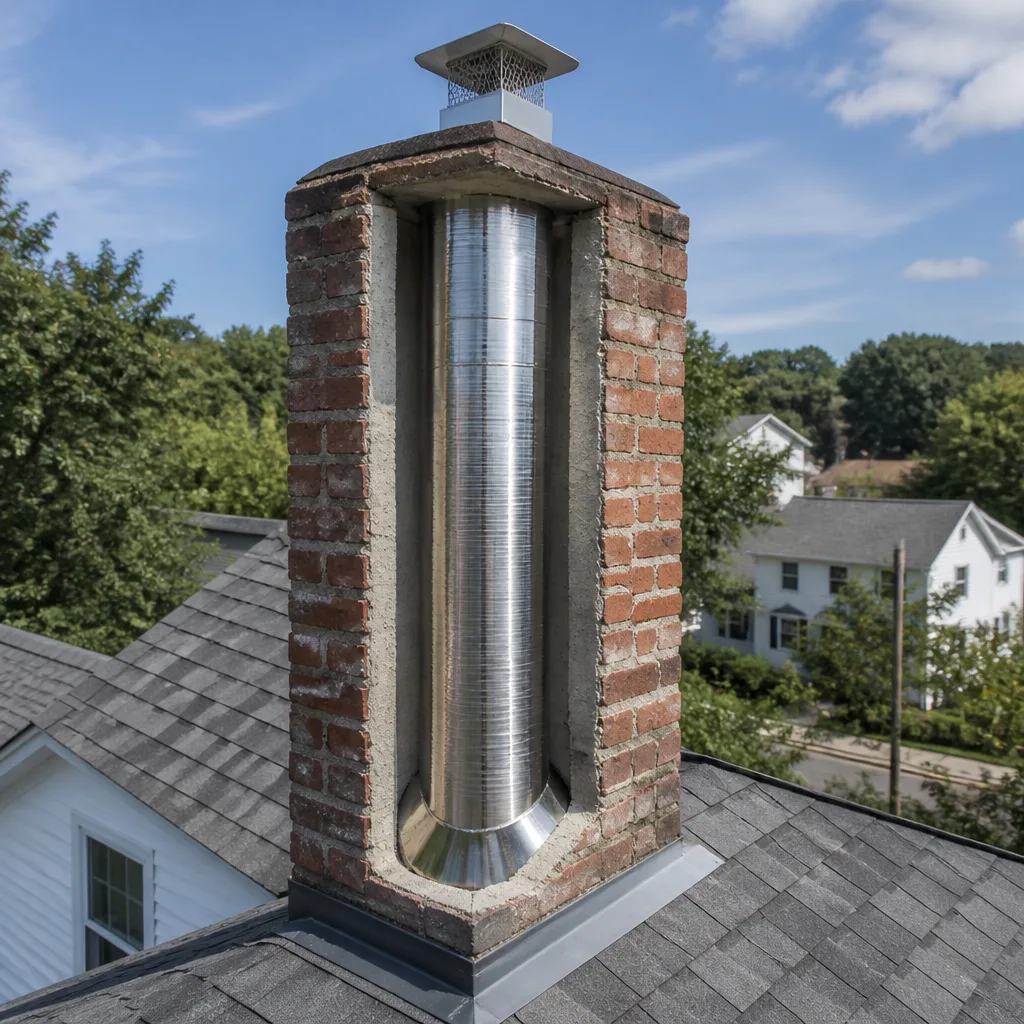 Flue relining
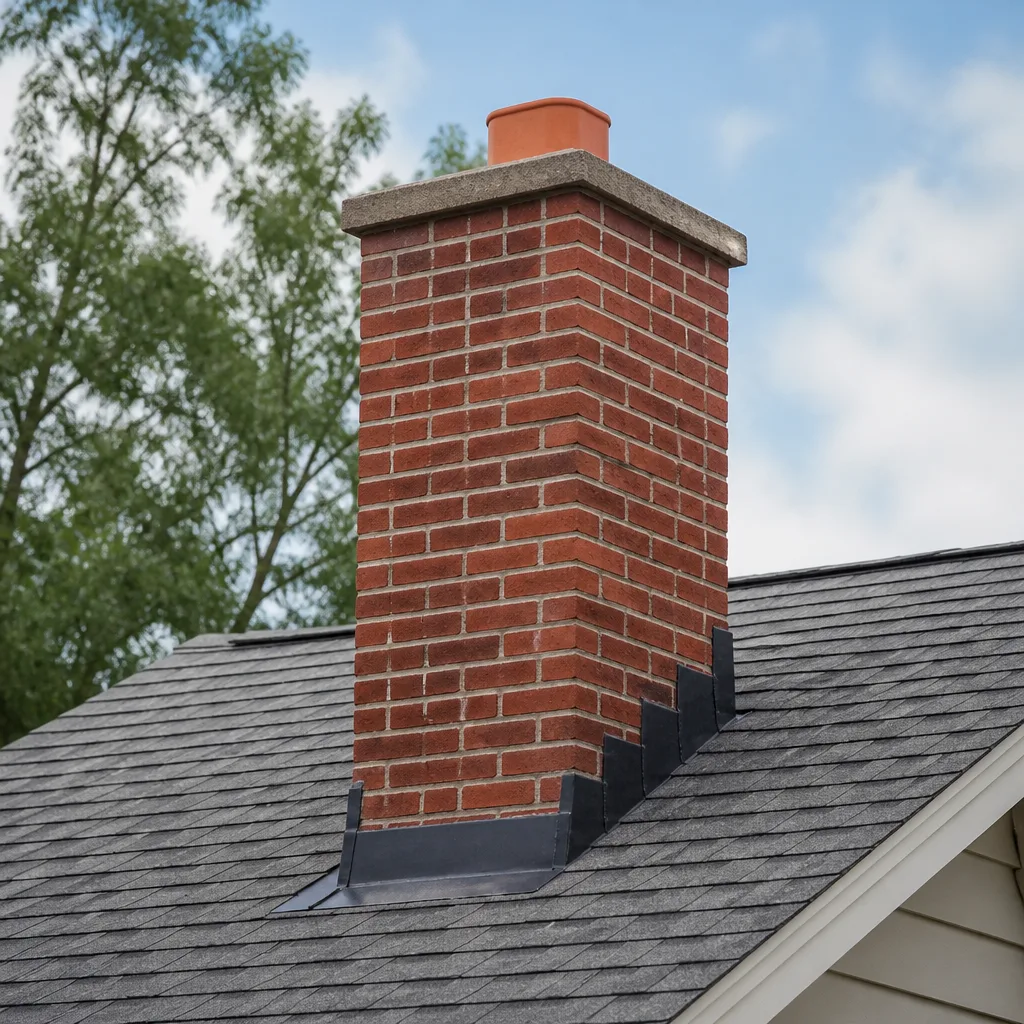 Masonry repair
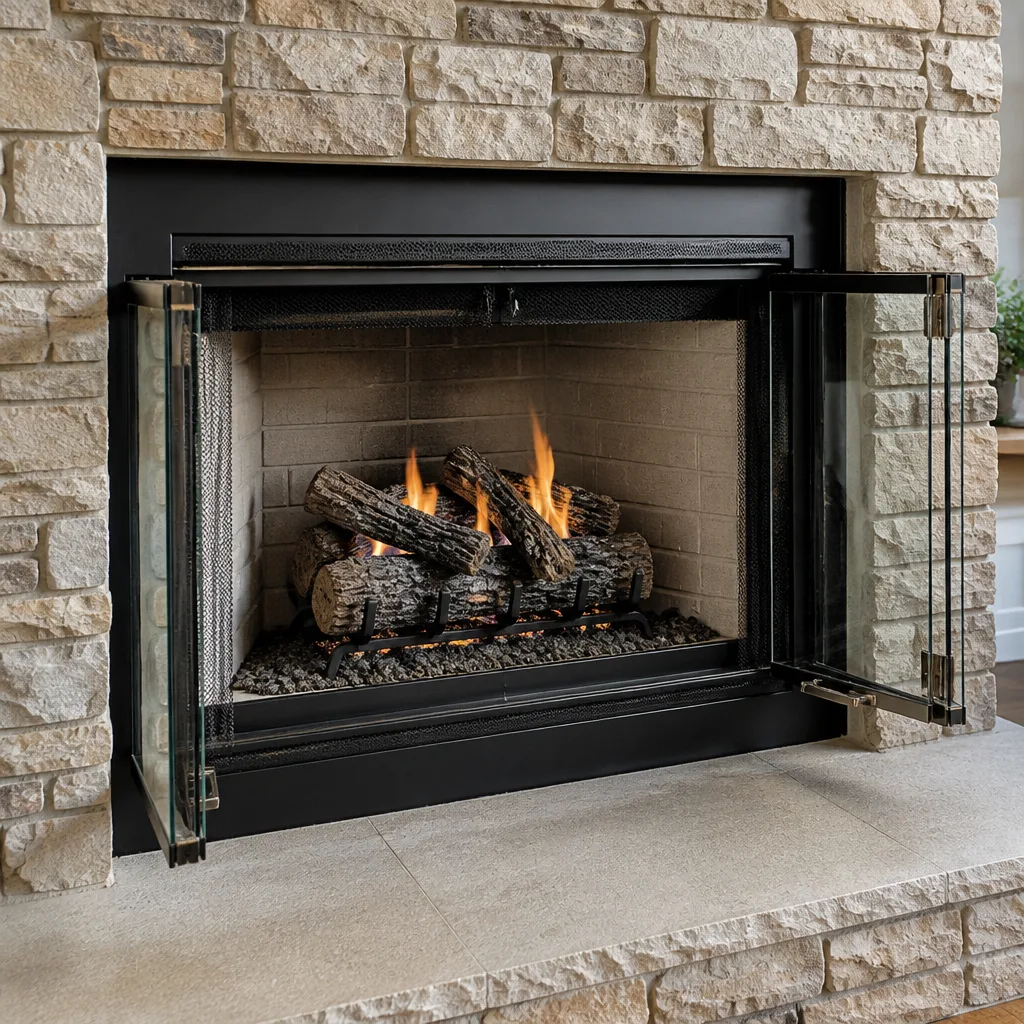 Gas fireplace service
Level 1 sweep and inspection to the NFPA 211 annual standard - flue, crown, cap, and flashing checked and photographed
Chimney sweep logs do not sweep chimneys. They loosen some creosote - which then falls where a brush and vacuum still have to collect it.
Chimney Cleaning Emergency Preparedness Guide for Ridgewood Homes
A chimney fire rarely announces itself the way people expect. There’s no alarm, no smoke pouring into the room, no obvious drama. What most Ridgewood homeowners describe is a low roar or rumbling from inside the flue, sometimes a sound they first took for a gust of wind or the appliance kicking on. Then they waited. Five minutes, ten, unsure what they were hearing. That pause is where the real damage happens, and it’s almost entirely avoidable. This guide covers how to recognize a chimney fire in progress, what to do in the first 90 seconds, how a carbon monoxide event demands a different response, and what has to happen after FDNY clears a scene before you light another fire in Ridgewood.
Quick Answer
A suspected chimney fire is a 911 call, not a wait-and-see situation: get everyone out, call the fire department, and don’t run water or a fire extinguisher into the flue yourself. After FDNY clears the scene, the chimney needs an NFPA 211 Level 3 inspection before it’s used again. If you smell gas, have a headache or dizziness with no other explanation, or your carbon monoxide alarm sounds, treat that as a CO emergency first and evacuate. The sections below walk through each scenario step by step.
Styles & brands we work with
- Sweep & inspection
- Caps & crowns
- Flue relining
- Masonry repair
- Gas fireplace service
Table of Contents
- How to Recognize a Chimney Fire in Progress
- The First 90 Seconds: Exact Steps
- Carbon Monoxide vs. Chimney Fire: Different Emergencies, Different Protocols
- After FDNY Clears the Scene: What Inspection Is Required
- Your Pre-Season Emergency Kit
- Sudden Blockages and What They Look Like
- Prevention That Actually Works in Ridgewood Homes
- When to Call a Chimney Professional Instead of 911
How to Recognize a Chimney Fire in Progress
A chimney fire is a fire burning inside the flue itself, usually in creosote that has built up on the liner walls. It can be a slow, quiet burn or a rapid, roaring one. The quiet version is the dangerous version, because there’s no smoke visible in the room and no obvious sign from the fireplace. Here are the cues that matter, in order of how reliably they show up.
- Sound. A low roar, rumble, or a sound like a distant train or a strong wind blowing through a tunnel. It comes from inside the chimney, not the firebox. If you hear it and the fire in the box looks normal, take it seriously.
- Smell. A sharp, hot, almost plastic-burning odor, different from the normal wood-smoke smell. Some people describe it as a chemical or hot-metal smell.
- Visible smoke or sparks at the top. If you can get outside safely, dense smoke or sparks from the chimney top, or a visible glow at the crown, confirms it.
- Puffy or discolored creosote. Creosote on the flue walls that has become puffy or honeycombed is a sign it’s been burning. You won’t see this from the room; an inspection reveals it.
- Popping or crackling that doesn’t match the fire. If the noise continues when the firebox is quiet, that’s a signal.
The reason this matters for Ridgewood homes specifically is the heating season. Long stretches of steady, cool weather mean fires burn almost continuously through the colder months, and creosote accumulates faster when a fire is kept damped down or burns cool. A creosote-loaded flue is the fuel. A hot fire or a sudden draft is the ignition. Our technicians have up to 15 years of experience, and the pattern repeats: the homes that end up with a chimney fire are usually the ones that swept the flue once and then let two seasons pass.
If you’re reading this because you want to prevent the scenario, the right first move is a chimney sweep before the first fire of the season, not after.
The First 90 Seconds: Exact Steps
The first 90 seconds after you suspect a chimney fire are the most important part of the entire event. What you do (and what you don’t do) in those moments determines most of the outcome. The core principle: get people out, get the fire department coming, and don’t try to fight a flue fire from inside the room.
- Stop adding fuel and close the firebox doors or screen. If the appliance has glass doors, close them. If it has a screen, pull it snug. This limits air supply to the firebox.
- Close the damper – but only if you can do it safely. Closing the damper reduces draft and starves the fire of oxygen, which is what you want. If the damper handle is hot or the firebox is too hot to approach, don’t reach in. Never put your hand into a firebox with an active fire.
- Get everyone out of the house. Not to the other room. Outside, and away from the building. Account for kids and pets. Stand where you can see the chimney top.
- Call 911 from outside. A chimney fire is a structural fire until proven otherwise. Don’t wait to see if it “settles down.” Don’t call the sweep first.
- Do not run water or an extinguisher into the flue. Water on a hot flue can crack the liner or worse, and a dry chemical extinguisher in a chimney is a cleanup nightmare that doesn’t fix the fire.
- Don’t close the fireplace doors and leave the house assuming that’s enough. Close them if you can, then leave. A closed firebox door is a draft limiter, not a fire stop.
The distinction between calling 911 and calling a sweep is the one people get wrong. A sweep is for a chimney that needs cleaning, inspection, or repair. A fire is the fire department’s job. Call us after the scene is clear, and we’ll handle the inspection and repair. Call (877) 492-3239. We answer 24/7. Fast dispatch from 7am to 7pm, Sunday through Friday.
Carbon Monoxide vs. Chimney Fire: Different Emergencies, Different Protocols
Carbon monoxide events and chimney fires are both chimney-driven emergencies, and confusing them costs time and can cost lives. The two demand different protocols, different evacuation logic, and different first calls. Here’s the breakdown.
Chimney fire
- Signature: Roar or rumble from the flue, hot smell, sparks or smoke from the top, visible glow.
- First action: Evacuate, then call 911.
- Water or extinguisher: No.
- What it damages: The flue liner, creosote deposits, sometimes the crown and masonry.
- Recovery: FDNY clears the scene, then a Level 3 inspection before reuse.
Carbon monoxide event
- Signature: CO alarm sounding, headache, dizziness, nausea, confusion, or a group of people in the home feeling unwell at once. Pets may be affected first.
- First action: Get everyone to fresh air immediately, then call 911. Don’t stop to open windows or look for the source before leaving.
- Water or extinguisher: Not relevant.
- What it damages: People. CO is a combustion byproduct from a blocked or backdrafting flue, a cracked liner, or a malfunctioning appliance.
- Recovery: Medical clearance for anyone with symptoms, then a chimney inspection and CO source investigation.
The evacuation logic differs because of what’s dangerous. In a chimney fire, the danger is fire spreading to the structure. In a CO event, the danger is the air in the house. You leave the house in both cases, but with CO you don’t wait for a sound or a sign from the fireplace; you move the moment the alarm sounds or people feel wrong. Open windows only after everyone is out, and only if it’s safe. If you suspect CO and you’re in Ridgewood, the first call is 911. The second call, after everyone is safe, is to a chimney professional to find the source.
The reason we raise this here is that the same flue condition (a blocked or partially blocked flue) can produce either outcome depending on what’s burning and how the draft behaves. A blocked flue with a wood fire is a fire risk; a blocked flue with a gas appliance is a CO risk. Pre-season inspection catches both.
After FDNY Clears the Scene: What Inspection Is Required
When FDNY leaves, the emergency is over but the chimney is not cleared for use. A chimney that has had a fire in it has been subjected to temperatures it wasn’t designed to see, and the liner, mortar joints, and crown can all be compromised in ways that aren’t visible from the outside. Using it again without inspection risks a chimney fire’s aftermath turning into a structural or carbon monoxide problem.
The standard here is NFPA 211, which sets three inspection levels. After a chimney fire, the appropriate minimum is a Level 3 inspection. That’s the most thorough of the three, and it involves access to concealed areas of the chimney and flue, not just a visual check from the firebox and roof.
- Level 1 – visual check of accessible parts, standard for routine maintenance.
- Level 2 – everything in Level 1 plus accessible concealed spaces, camera inspection of the flue, and inspection of attic and crawlspaces where the chimney passes through. Standard for a change of appliance, a property transfer, or after a chimney fire.
- Level 3 – everything in Level 2 plus opening of concealed areas where a problem is suspected, including removal of parts of the structure if needed to see the flue directly.
What this means in practice is that after an FDNY-cleared chimney fire, a visual inspection from the floor of the firebox is not sufficient. The flue should be inspected from the inside with camera equipment, and the liner assessed for cracks, warping, and loss of material. If the liner is compromised, it needs replacement or resurfacing before the fireplace is used again. A chimney inspector who tells you it “looks fine” after a fire without pulling a camera through the flue hasn’t done the inspection.
This is where our chimney repair and relining work matters most. We specify HeatShield ceramic resurfacing for deteriorated liners that can be repaired without demolition, and DuraFlex flexible liners for full relining where the original liner can’t be saved. Both are the kind of product choices a chimney specialist makes and a general handyman can’t.
Your Pre-Season Emergency Kit
Preparedness for a chimney emergency is mostly staging, not reacting. The things you’ll want on hand before the first fire of the season are simple and cheap. None of them are substitutes for a sweep or an inspection. They’re what lets you respond correctly when seconds count.
- A working carbon monoxide alarm on every floor, tested before the season starts and with fresh batteries. CO alarms are the single most useful piece of chimney safety equipment you can own.
- A working smoke alarm, tested.
- A fire extinguisher rated for the room, staged near the fireplace (not in the flue, not for use on a chimney fire, but for a fire that spreads to a rug or nearby furniture).
- A phone you can grab on the way out. The 911 call from outside happens faster if you’re not searching for your phone.
- A flashlight, for checking the firebox, the damper, and the top of the chimney from outside without getting close.
- A chimney service record, a simple note of the last sweep date, any repairs, and the last inspection level. It helps the responding sweep or the FDNY crew understand what they’re looking at.
- The number for a chimney specialist saved in your phone before the season, so you’re not searching during a crisis.
At the start of the season, in Ridgewood, we recommend a sweep and inspection before the first fire, and that the results be written down in the record above. The sweep and inspection is the seatbelt; the emergency kit is the airbag.
Sudden Blockages and What They Look Like
A sudden blockage is different from a fire. It’s a partial or full obstruction of the flue that shows up as poor draft, smoke in the room, or a fire that won’t draw. Common causes are a bird nest or animal that got in through a missing or damaged cap, a collapsed liner section, or a heavy creosote fall. A blockage is a fire risk and a CO risk at the same time, because a restricted flue pushes combustion products back into the house.
Signs of a blockage worth acting on, in order of urgency:
- Smoke in the room when the fire is lit, especially if it’s a new symptom with the same wood and the same fire.
- A fire that smokes and won’t burn hot, with the damper fully open.
- A smell of soot or animal debris from the firebox, often after a cold snap brings wildlife into a flue without a cap.
- An audible fluttering or scratching from the flue, which suggests a live animal.
If you have a live animal in the flue, don’t light a fire and don’t try to smoke it out. Call a chimney specialist or an animal removal service. If the blockage is creosote or a liner collapse, the fix is a sweep and inspection, and often a chimney cap & crown repair to keep it from happening again. Our technicians have up to 15 years of experience and have seen all of these in Ridgewood; a missing or damaged cap is the most common preventable cause.
The one thing that should never happen with a blockage is lighting a fire to see if it “clears.” It doesn’t clear, and you’ve now added a fire to a blocked flue. This is exactly the kind of wrong decision the 90-second protocol is meant to prevent.
Prevention That Actually Works in Ridgewood Homes
The reason this guide keeps pointing back to prevention is that chimney emergencies are one of the few homeowner emergencies that are almost entirely avoidable. A fire needs fuel (creosote), oxygen, and heat. The sweep removes the fuel. The inspection catches the cracks, the blocked flue, and the failing cap before they become an emergency. Everything else is secondary.
What we recommend for a Ridgewood home with an active fireplace or wood-burning appliance:
- Sweep once a year at minimum, before the first fire of the season. More often if the fireplace is used heavily or the fire is often kept damped down.
- Inspect at Level 2 at least once a year, and always after a change of appliance, a property transfer, or any event that might have damaged the flue.
- Keep the cap in good repair. A cap is the single cheapest way to keep animals, rain, and debris out of the flue. A missing or loose cap is a blockage waiting to happen.
- Burn dry, seasoned wood. It doesn’t eliminate creosote, but it slows the buildup compared with wet or unseasoned wood.
- Don’t damp a fire down to burn overnight unless the appliance is designed for it. Cool smoldering fires produce the most creosote.
- Have CO alarms on every floor and test them before the season.
- Keep a record of every sweep, inspection, and repair.
Prevention also includes the crown and the masonry above the flue. A crown that’s cracked or separated lets water into the chimney, and water in the masonry is a slow path to a compromised flue. Our chimney repair scope covers the crown and the structural masonry, which means a single call handles both the flue and the structure above it.
When to Call a Chimney Professional Instead of 911
The distinction is simple: call 911 when there’s a fire, a CO alarm, or smoke in the living space you can’t account for. Call a chimney professional when there’s no active emergency, but the chimney needs attention before the next fire. Here’s how to tell them apart.
- Call 911: Roar or rumble from the flue, visible fire, sparks from the top, CO alarm sounding, symptoms of CO exposure, smoke coming into the room from a blocked flue with the fire lit.
- Call a sweep: Real estate transaction inspection, a change of appliance (wood to gas, gas to wood), a sweep that’s due, a cap that needs repair, a crown that needs repair, a liner that needs assessment, a fireplace that smokes and won’t draw, a smell of soot with no fire lit.
The most common scenario we see is a homeowner who has fired the fireplace for a season without a sweep, notices a smell or a poor draw, and isn’t sure whether it’s an emergency. In most of these cases it isn’t an emergency, but it’s the warning before one. The right move is a chimney inspection, which tells you exactly what your system needs and nothing more. We offer inspections as a standalone service, not bundled as an upsell.
When you do call, call (877) 492-3239. We answer 24/7. Fast dispatch from 7am to 7pm, Sunday through Friday. A call outside dispatch hours is booked into the next opening.
Common Mistakes to Avoid
- Waiting to see if the rumble “settles down.” The five-to-ten-minute wait is the single most common wrong decision, and it’s the one that turns a contained flue fire into a structural fire. If the sound is coming from the chimney, call 911.
- Calling a general handyman for a chimney issue. A handyman can’t inspect the flue from the inside, can’t reline a chimney, and won’t have HeatShield or DuraFlex. Chimney work is its own trade.
- Running water or a dry-chemical extinguisher into the flue. It can crack the liner and doesn’t put out the fire. Evacuate and call the fire department.
- Lighting a fire after a blockage to “clear it.” A blocked flue plus a fire is a smoke-in-the-room event at best and a CO event at worst. Call a sweep.
- Skipping the sweep because the fireplace “looked fine last year.” Creosote accumulates on the flue walls whether or not there’s a visible problem. The firebox can look perfectly normal while the liner is loaded.
- Treating a CO alarm as a nuisance. If the alarm sounds, get out, then call 911. Don’t silence it and investigate before evacuating.
- Using the fireplace after a fire without a Level 3 inspection. A visual check from the floor isn’t an inspection. The flue needs a camera, and the liner needs an assessment, before the next fire.
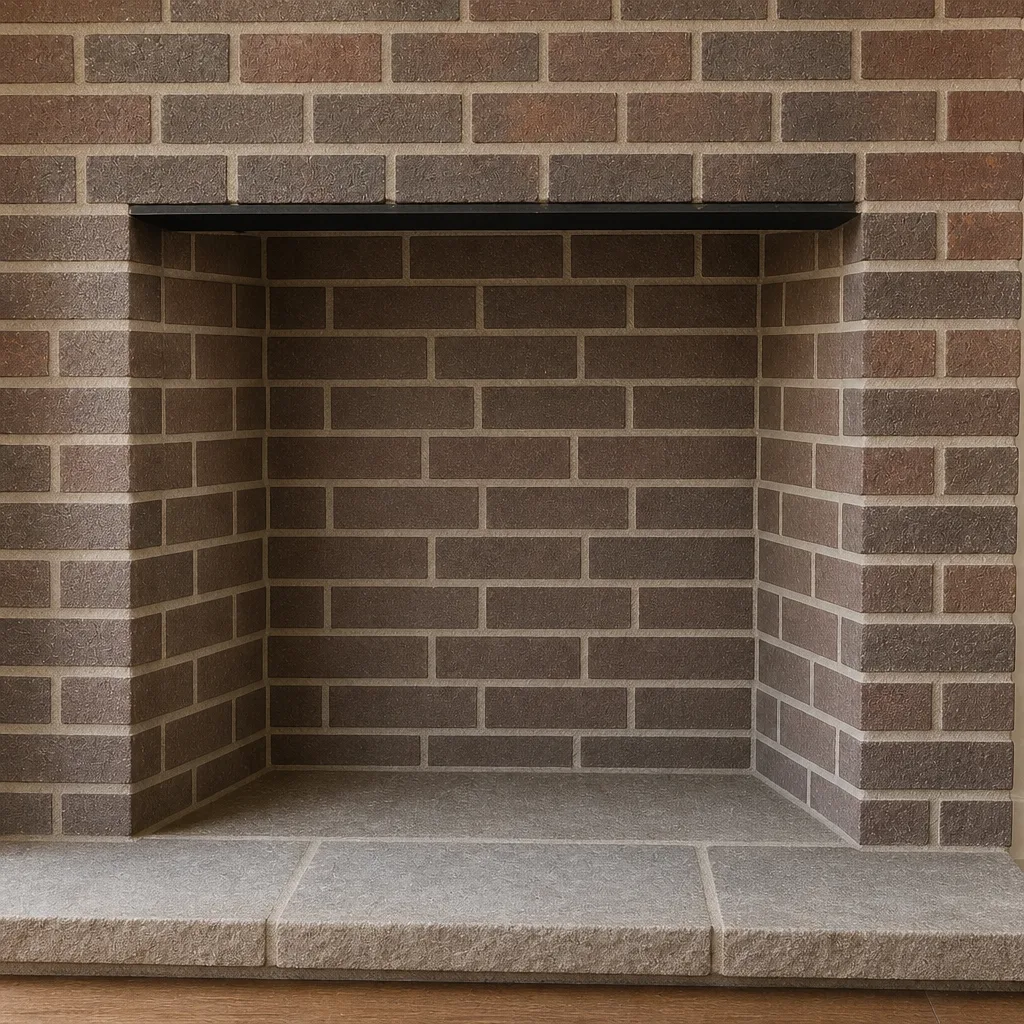
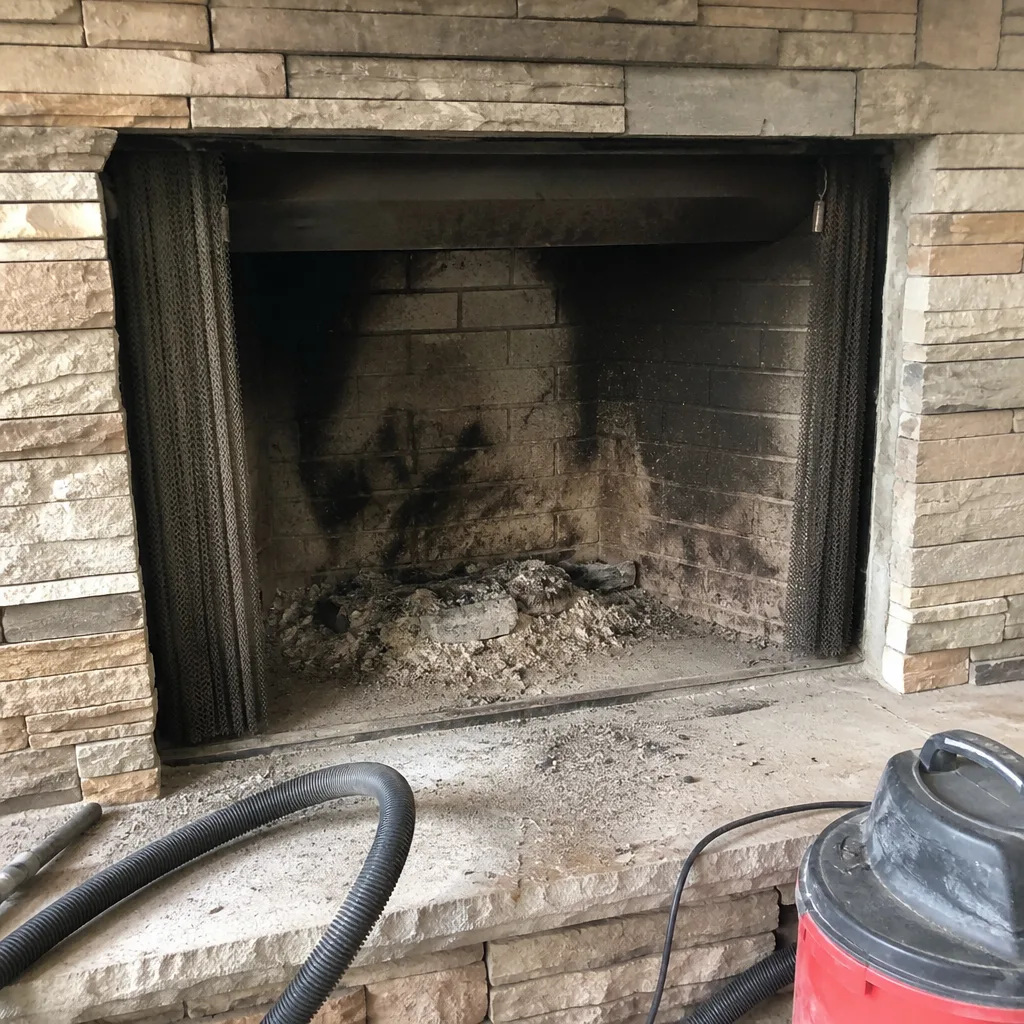
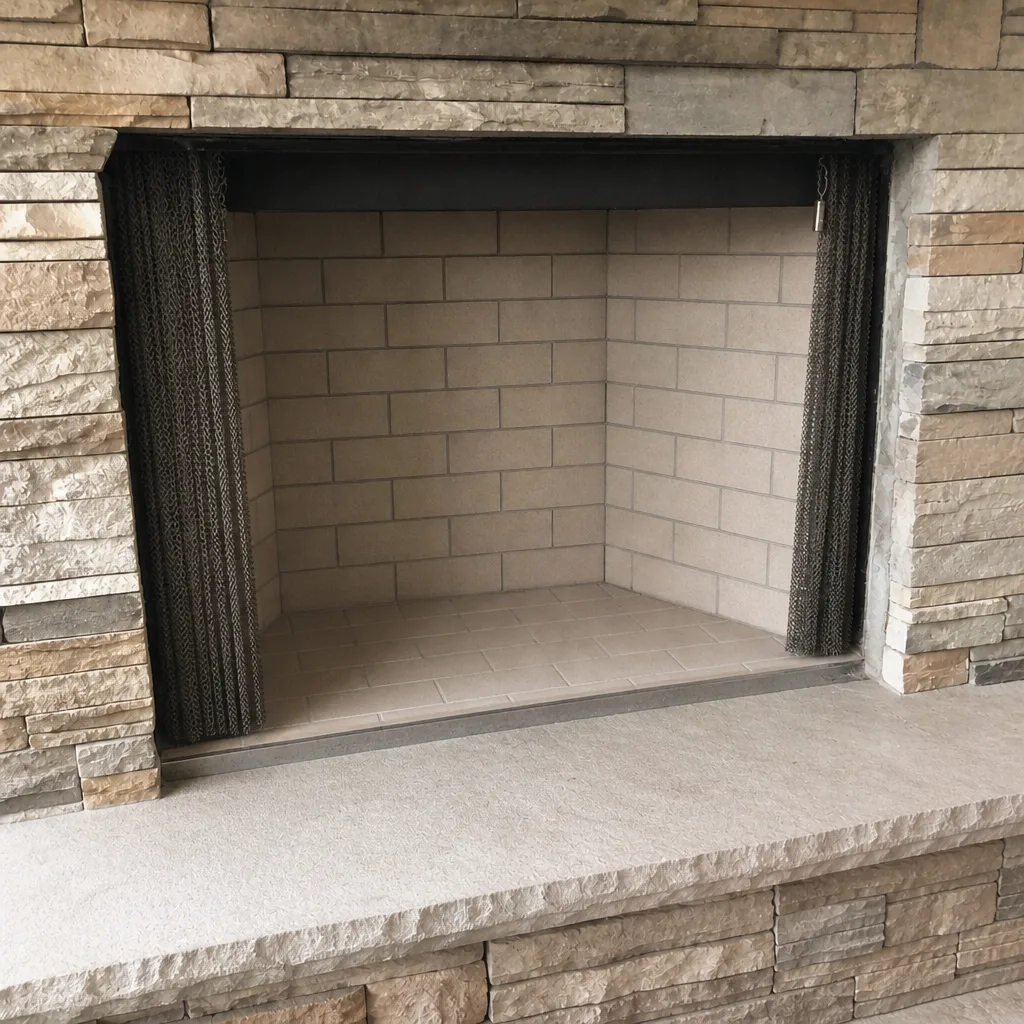
See the difference
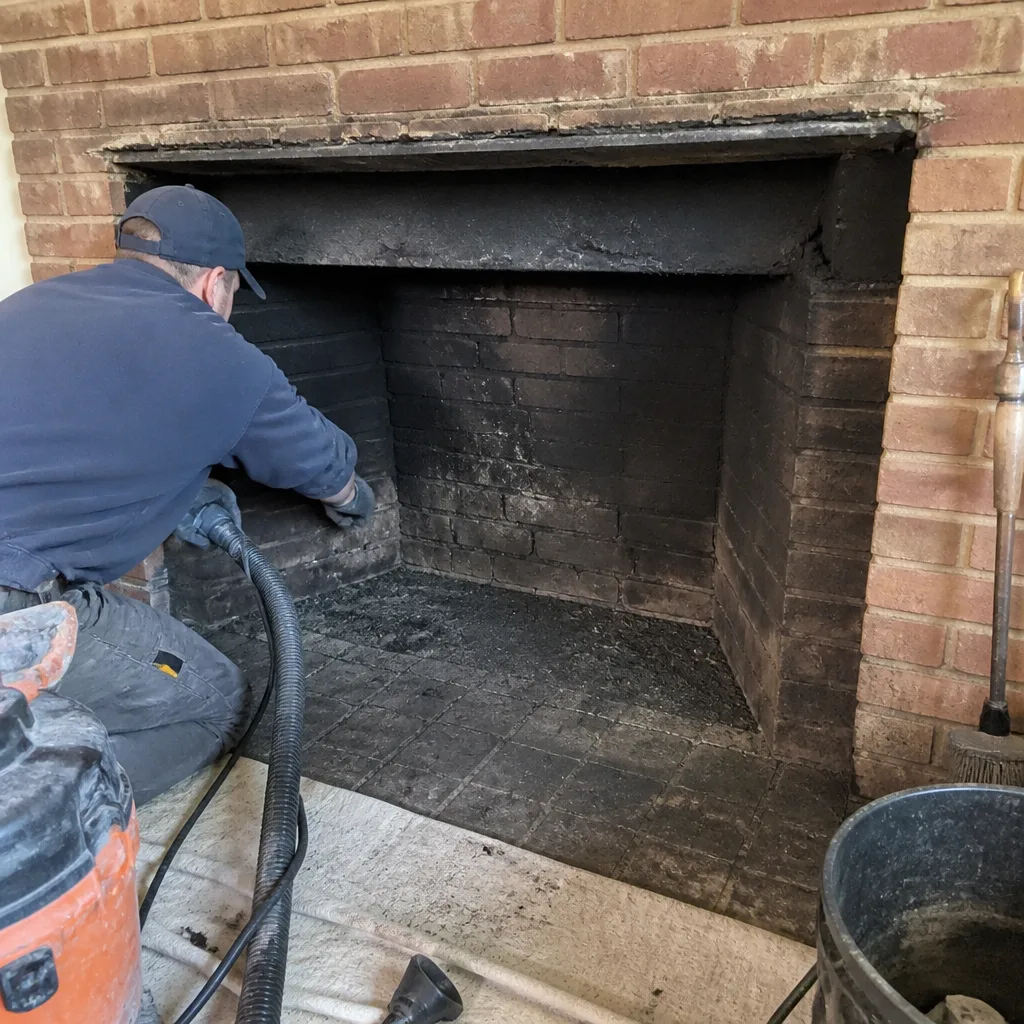 Before
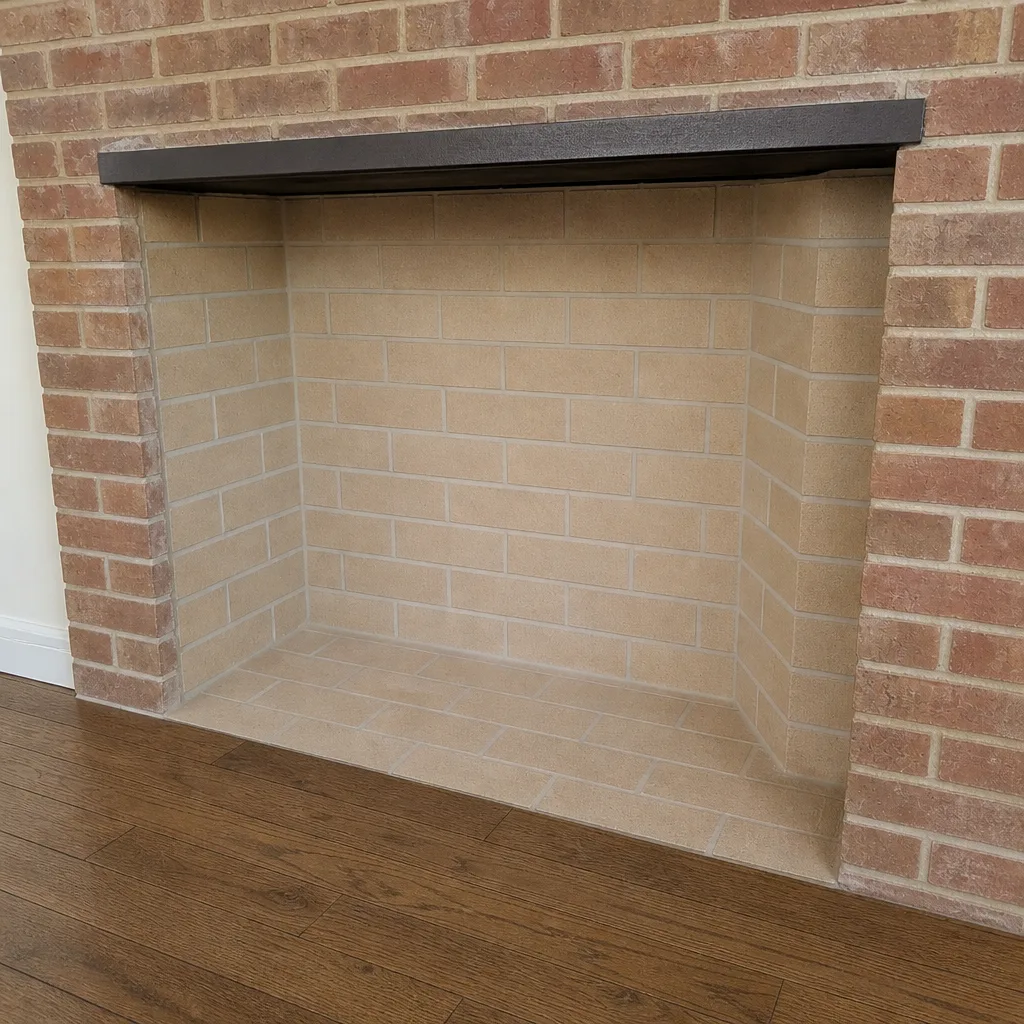 After
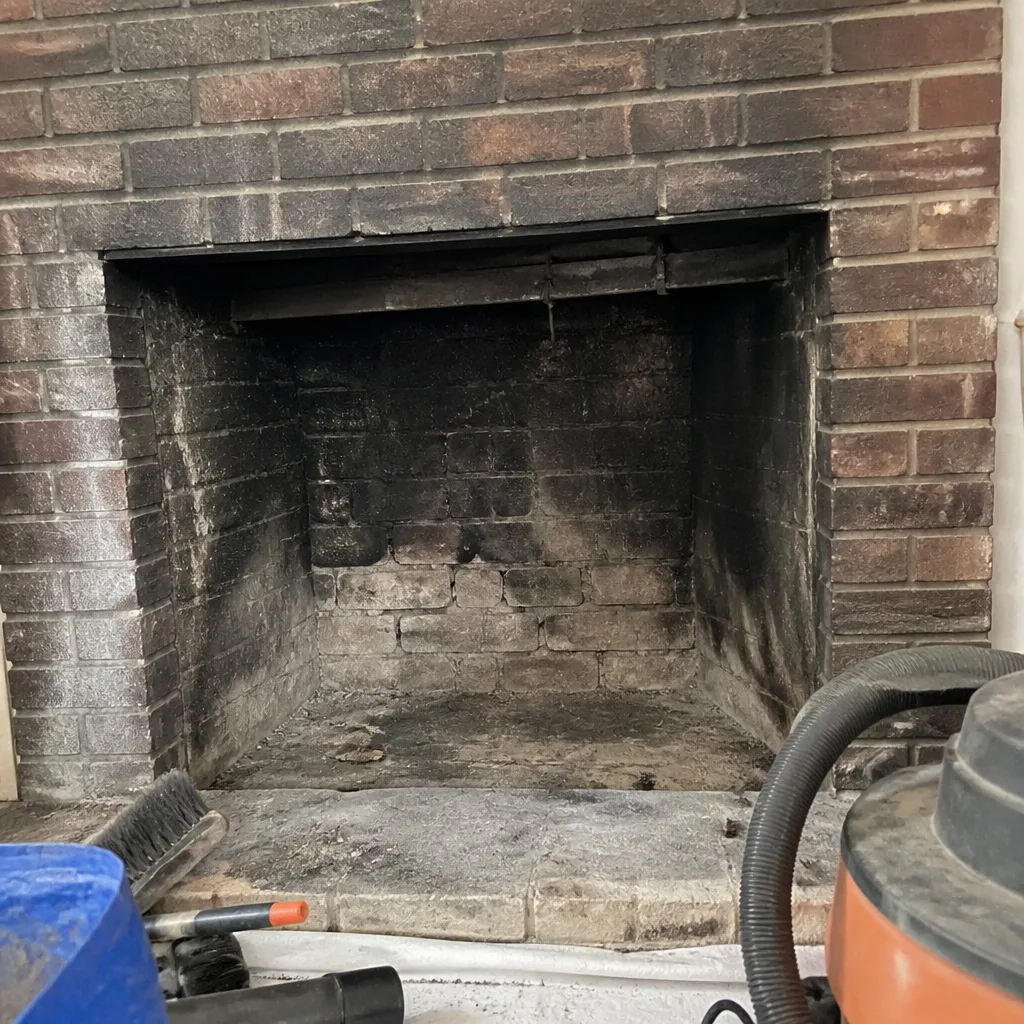 Before
 After
 Before
 After
When to Call a Professional
A chimney professional is the right call for anything that needs assessment, inspection, or repair: a sweep that’s due, a Level 2 inspection before a property transfer or appliance change, a cap or crown that needs replacing, a liner that needs relining or HeatShield resurfacing, or a fireplace that smokes and won’t draw. It’s also the right call after a fire, once FDNY has cleared the scene and before anyone lights another fire. Chimney Sweep Ridgewood offers free estimates in Ridgewood. Call (877) 492-3239. We answer 24/7. Fast dispatch from 7am to 7pm, Sunday through Friday. Our technicians have up to 15 years of experience, and we handle every phase of chimney work from assessment through repair completion.
Frequently Asked Questions
A chimney fire typically sounds like a low roar or rumble from inside the flue, sometimes like a distant train or a strong wind blowing through a tunnel. It’s usually not a crackling or popping from the firebox, and it continues when the fire itself is quiet. If you hear that sound, evacuate and call 911.
Call 911 first. A chimney fire is a structural fire until the fire department confirms otherwise, and the fire department is the only one who can clear the scene. Call a sweep like Chimney Sweep Ridgewood after the scene is cleared, for the inspection and any repair. Call (877) 492-3239 for the follow-up inspection.
An NFPA 211 Level 3 inspection is the appropriate minimum after a chimney fire. That means camera inspection of the flue and access to concealed areas where a problem is suspected, not just a visual check from the firebox. The liner needs assessment for cracks, warping, and loss of material before the fireplace is used again.
Smoke in the room with the fire lit, a fire that won’t draw with the damper open, or a soot smell with no fire lit all point to a blockage. A drafting problem usually improves with better wood and an open damper; a blockage doesn’t. The only way to know for certain is a chimney inspection with a camera in the flue.
No. A “small” chimney fire can still crack or warp a liner, and the damage often isn’t visible from the firebox or the roof. The flue needs a Level 3 inspection before the next fire. Using it without that inspection risks a structural or carbon monoxide problem.
A tested CO alarm on every floor, a tested smoke alarm, a fire extinguisher near the fireplace, a flashlight, your chimney service record, and the number of a chimney specialist saved in your phone. Call (877) 492-3239 for a pre-season sweep and inspection before the first fire.
The Bottom Line
Chimney emergencies follow patterns, and most of the damage comes from the minutes after the event starts, not the event itself. A roar or rumble from the flue is a 911 call. A CO alarm or unexplained symptoms are a 911 call and an evacuation. A blocked flue or a smoking fireplace is a sweep call. After a fire, a Level 3 inspection is required before the fireplace is used again. The prevention that matters most is a sweep and inspection before the first fire of the season, and a cap that keeps the flue clear. We’re here for the assessment and repair side, and we handle every phase of the work ourselves. For a free estimate, call (877) 492-3239. We answer 24/7. Fast dispatch from 7am to 7pm, Sunday through Friday.
Contact
Ready to get ahead of the season with a sweep or inspection? Call Chimney Sweep Ridgewood at (877) 492-3239 for a free estimate. We answer 24/7. Fast dispatch from 7am to 7pm, Sunday through Friday. You can also start at our Chimney Sweep Ridgewood home page for the full service menu, or read more about chimney inspection and chimney repair if you’re already past the prevention stage.
Written by the team at Chimney Sweep Ridgewood.