
Last updated November 25, 2026
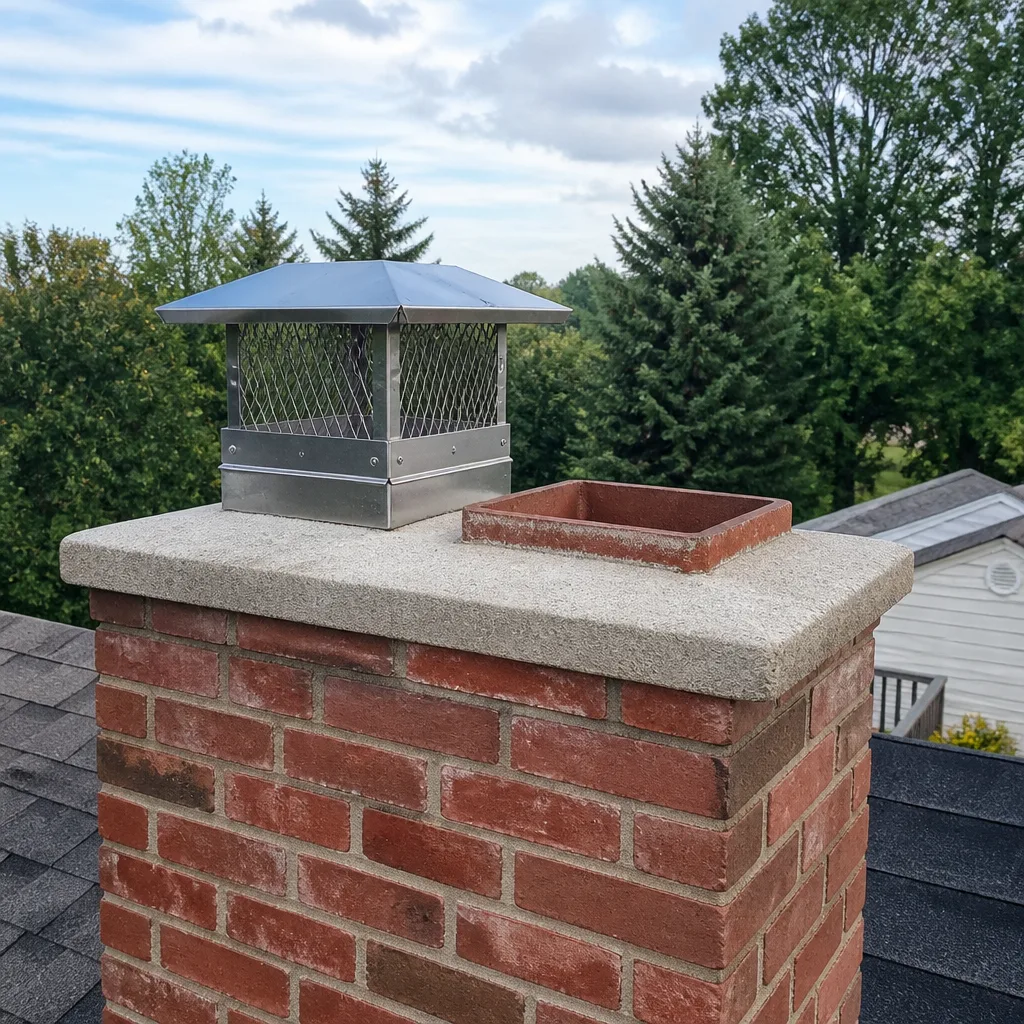 Sweep & inspection
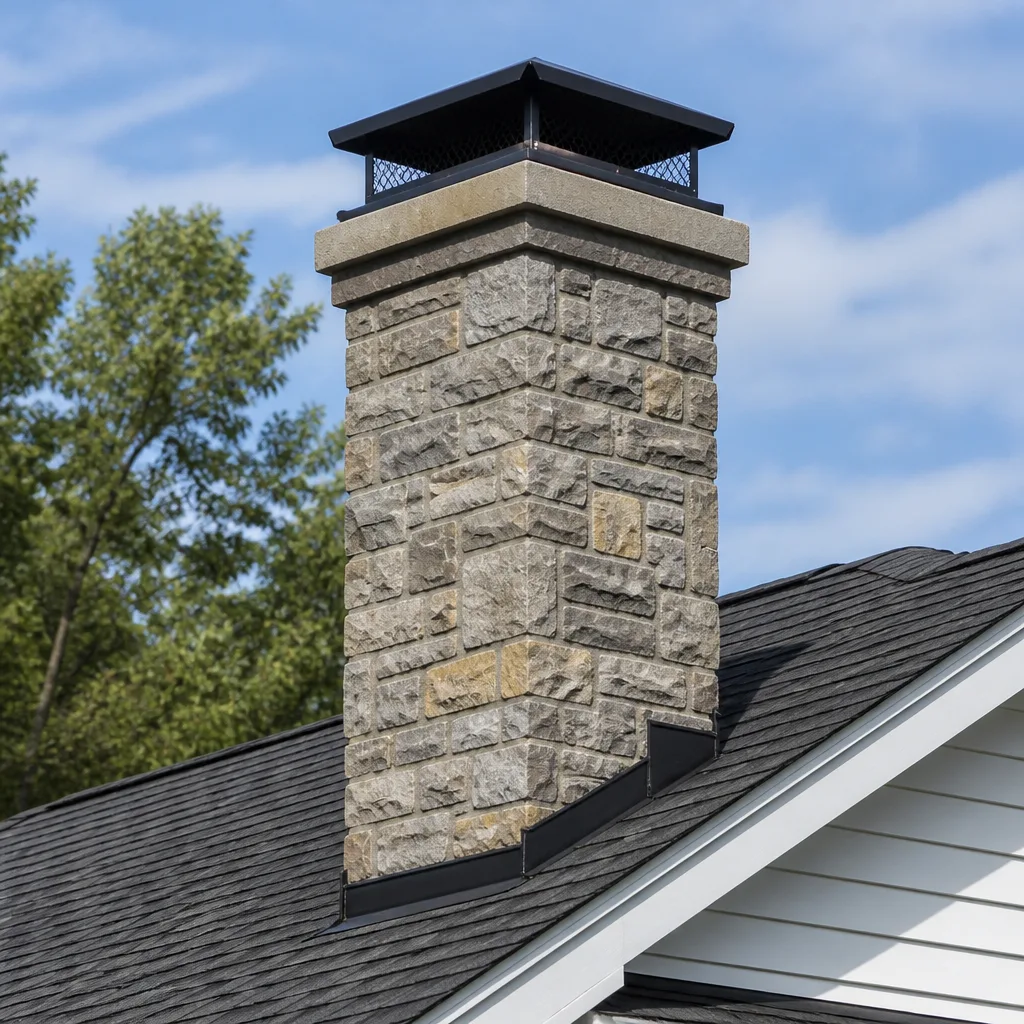 Caps & crowns
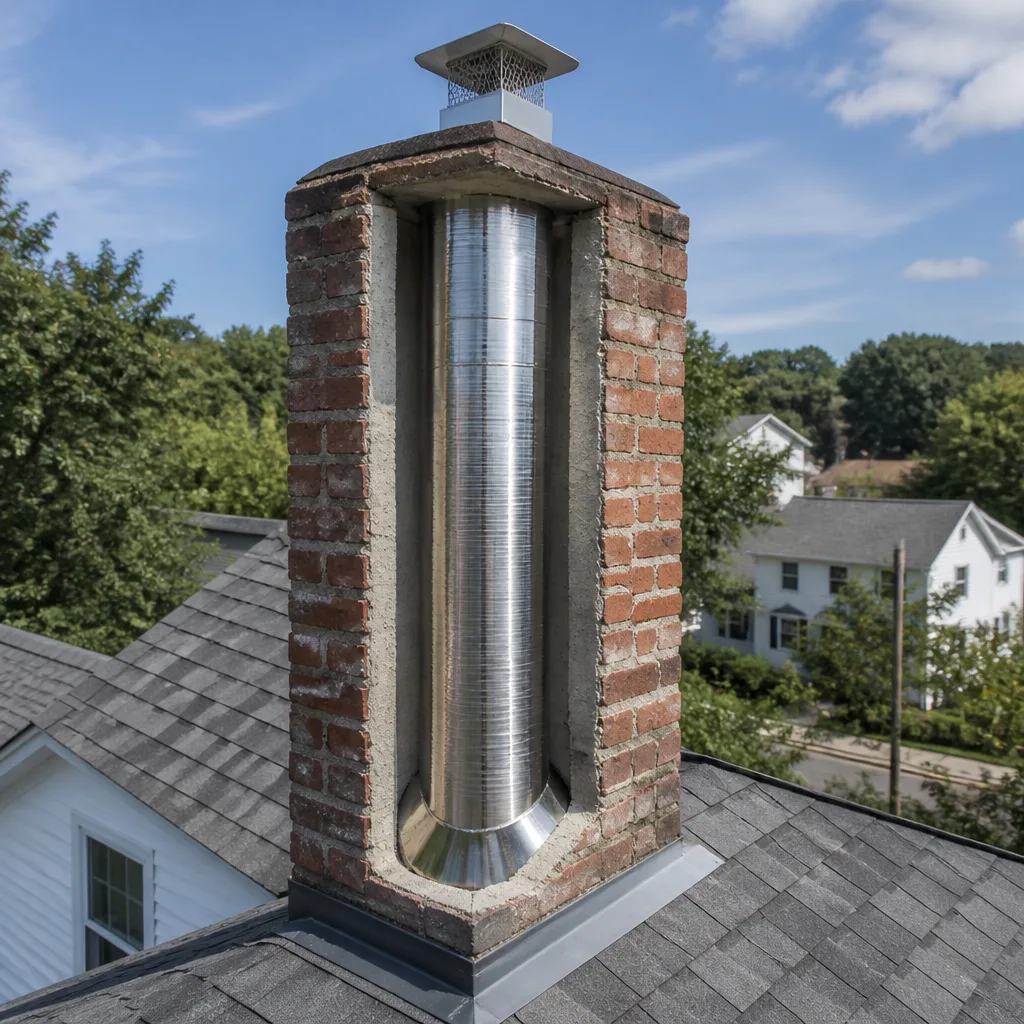 Flue relining
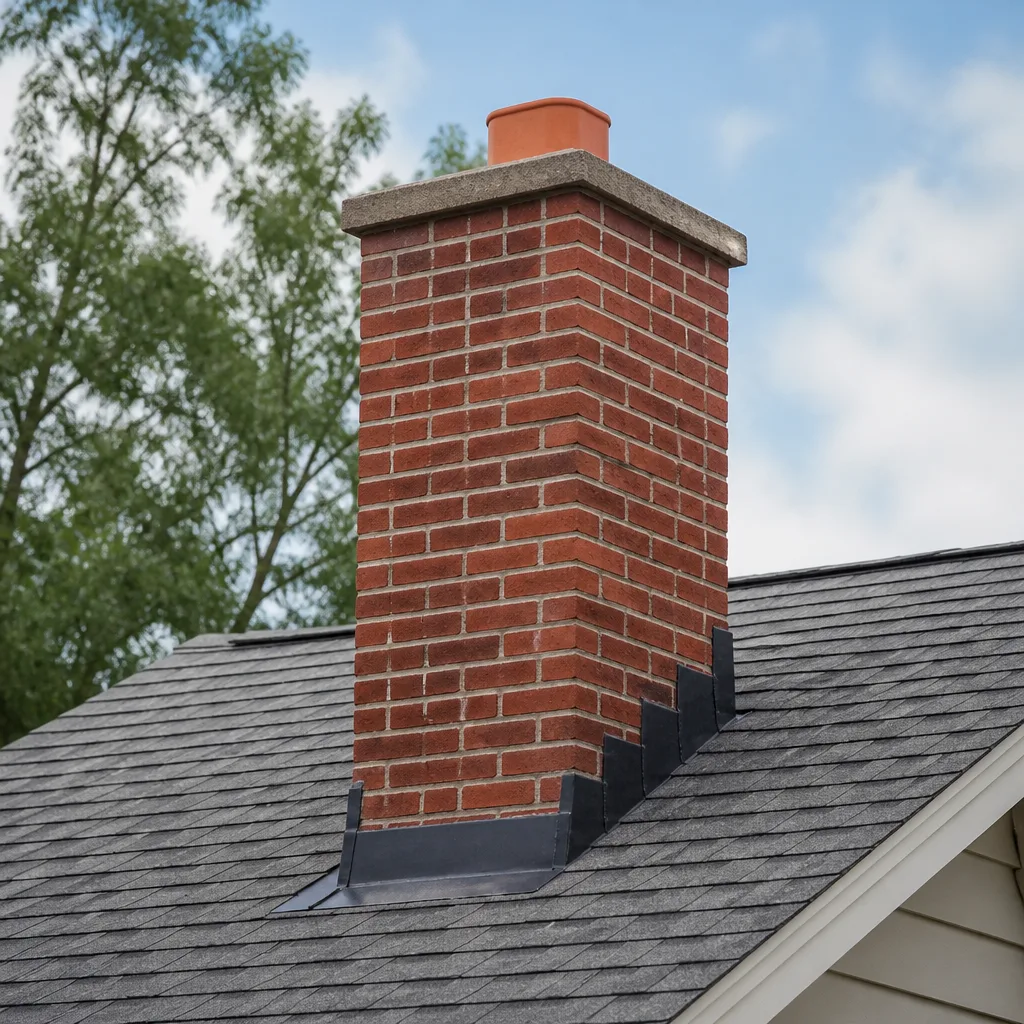 Masonry repair
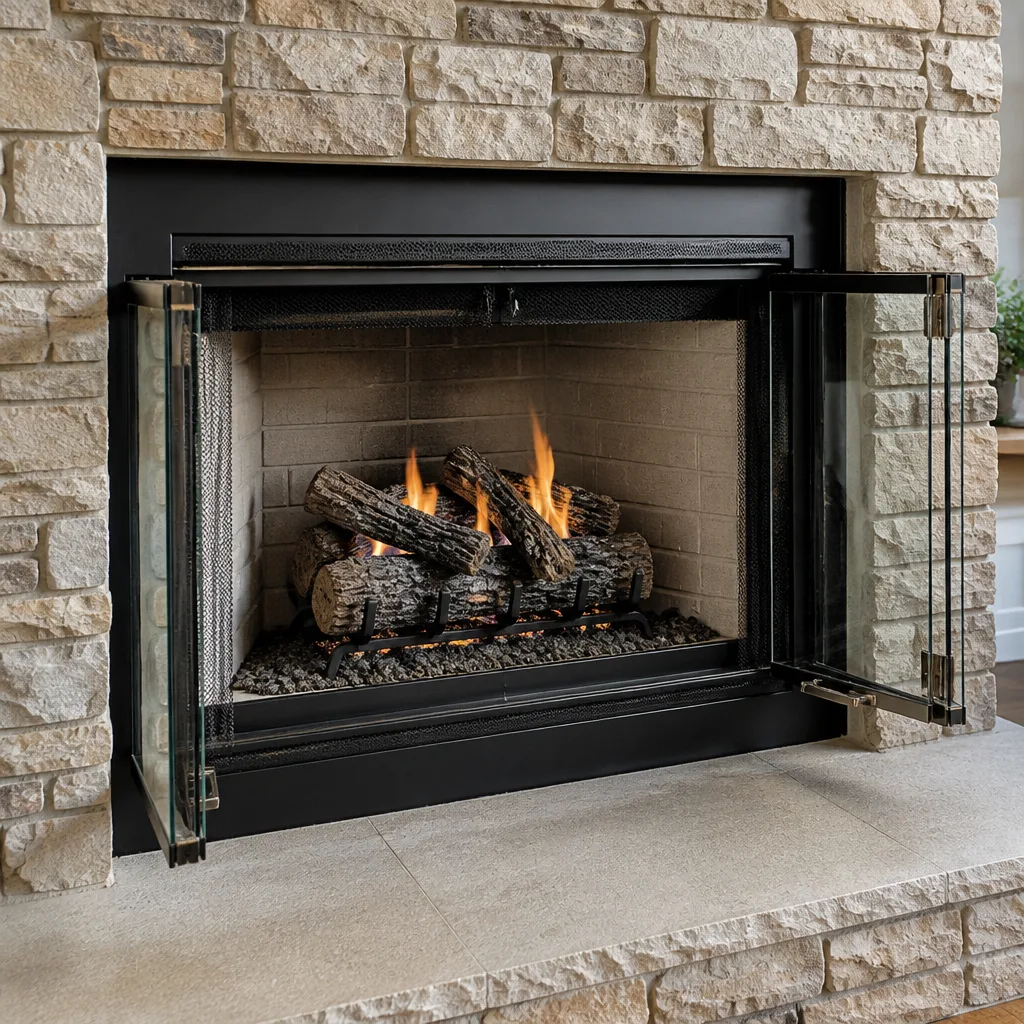 Gas fireplace service
Level 1 sweep and inspection to the NFPA 211 annual standard - flue, crown, cap, and flashing checked and photographed
Chimney sweep logs do not sweep chimneys. They loosen some creosote - which then falls where a brush and vacuum still have to collect it.
Choosing the Right Chimney Cleaning Brand: A Buyer’s Guide for Ridgewood
Most homeowners assume creosote is creosote and any cleaner will do. It isn’t, and it won’t. Creosote moves through three distinct stages, and a product formulated for one stage can underperform badly, or worse, harden a Stage 3 glazed deposit into something that resists mechanical removal for the rest of the visit. The brand on the bottle matters less than whether that chemistry matches what’s actually coating your flue. In this guide we walk through the professional-grade product lines that dominate the market, what each is built to do, the difference between consumer chimney logs and trade-level treatments, and how to interrogate a Ridgewood contractor’s product choice before you book the sweep.
Quick Answer
The right chimney cleaning brand depends on your flue’s creosote stage and liner material, not on which product is cheapest in bulk. Rutland covers light soot and Stage 1 deposits well, ACS is formulated for heavier Stage 2 conditions and general maintenance, and Saver Systems products target stubborn and glazed deposits that resist ordinary sweeping. A contractor who can name the product and explain why it fits your inspection findings is doing the job properly; one who says “a professional-grade cleaner” and moves on is guessing.
Styles & brands we work with
- Sweep & inspection
- Caps & crowns
- Flue relining
- Masonry repair
- Gas fireplace service
Table of Contents
- Why Chimney Cleaning Brand Choice Matters in Ridgewood
- Rutland: What It Is Formulated For
- ACS: What It Is Formulated For
- Saver Systems: What It Is Formulated For
- Side-by-Side: Rutland vs. ACS vs. Saver Systems
- Chimney Cleaning Logs vs. Professional Chemical Treatments
- How Liner Material Changes Product Selection
- How to Verify a Contractor’s Product Choice Is Right for Your Flue
Why Chimney Cleaning Brand Choice Matters in Ridgewood
Creosote forms in three stages, and each stage behaves differently under chemical treatment. Stage 1 is a light, flaky soot that brushes off with ordinary sweeping. Stage 2 is a denser, crustier deposit that needs mechanical agitation plus a chemical to break its bond with the flue wall. Stage 3 is glazed creosote, a shiny, hardened layer that ordinary brushing skips over and that carries real fire risk if it’s left in place. The product you choose has to match the stage you’re dealing with. Apply a Stage 1 treatment to Stage 3 glazed creosote and you don’t just waste it; the chemistry can cure the glaze tighter, making the deposit harder to reach mechanically in the same visit.
Ridgewood homes present a mix of conditions that shape this. Older homes in the neighborhoods around Forest Avenue and the blocks near Grover Cleveland High School often carry original clay-tile flues that have absorbed decades of deposits. Newer builds and conversions to gas-burning appliances bring stainless liners and different cleaning needs entirely. The housing stock is dense and varied, which means a single blanket product choice doesn’t fit the whole town. That’s why we specify products per job rather than assume one cleaner covers every Ridgewood flue.
The chimney cleaning products market runs on a few recognizable professional lines. Knowing what each is formulated to do helps you evaluate whether a contractor is choosing the right chemistry for your specific flue condition, or reaching for whatever’s cheapest in bulk. That’s a different question from “which brand is best,” and it’s the one worth asking.
Rutland: What It Is Formulated For
Rutland is the most recognizable name in the consumer-to-light-commercial tier, and it earns its place for everyday soot and light maintenance. Rutland’s chimney cleaning products are built around routine deposits: light soot, Stage 1 flaky creosote, and the residue that builds up between seasonal sweeps. It’s a workhorse brand for the maintenance side of the job, not the heavy-deposit side.
Where Rutland performs well:
- Light soot removal and routine seasonal maintenance on a clean or well-kept flue
- Stage 1 flaky creosote that brushes off with normal sweeping
- Surface-level cleaning on clay-tile flues between inspections
- Routine conditioning after a professional sweep has already removed the bulk deposit
Where Rutland is the wrong tool: any Stage 2 or Stage 3 condition, and any flue with a glazed or heavily crusted coating. Reach for a light Rutland-type product on glazed creosote and you’ll be back at the same problem next season, possibly with a harder deposit. A contractor who reaches for Rutland by default on every Ridgewood job, without checking the flue first, is using one tool for every problem. The product isn’t wrong; the choice is.
ACS: What It Is Formulated For
ACS is formulated for heavier deposits than the maintenance tier, and it’s the product line we reach for when the flue carries a meaningful Stage 2 crust. ACS treatments are built to work with mechanical action on denser, crustier creosote, breaking the bond between the deposit and the flue wall so the brush can lift it rather than skate over it. It’s a step up in strength from the light-maintenance tier and the right tier for most homes that skip a season or two.
ACS fits these situations:
- Stage 2 crusty creosote on clay-tile flues
- Flues that have gone two or more seasons without a sweep
- Wood-burning appliances run hard through cold months
- Homes with a history of heavier deposit buildup
ACS isn’t the answer to glazed Stage 3 creosote either; that’s the territory of specialized products and sometimes a full relining assessment. But for the broad middle of the deposit range, which is most of what we see in Ridgewood, ACS is formulated to do the job the light-maintenance tier can’t. The contractor should still inspect first and choose based on what the camera finds, not on the brand’s shelf position.
Saver Systems: What It Is Formulated For
Saver Systems makes the professional tier you reach for when ordinary chemistry isn’t enough. Its products are formulated for stubborn deposits, glazed creosote, and flue conditions that resist standard sweeping, and they’re the kind of product a generalist handyman is unlikely to stock or know how to use. Saver Systems also makes cleaners built around the maintenance side, so the brand name alone doesn’t tell you what you’re getting; the specific product does.
Saver Systems products are appropriate for:
- Glazed Stage 3 creosote that resists mechanical brushing alone
- Heavy, long-neglected deposits in older flues
- Conditions a professional sweep identifies on camera and needs a targeted treatment to resolve
- Pre-treatment ahead of a mechanical removal or relining assessment
Glazed creosote carries real fire risk, so this isn’t a DIY category. The product is only part of the job; correct application, mechanical removal afterward, and often an inspection to confirm the flue is clean and structurally sound all have to follow. When a Ridgewood flue shows glazed deposits, the conversation usually expands to whether the liner itself is sound, which is where specialty products like HeatShield ceramic resurfacing and DuraFlex flexible liners come in. Those are separate questions from the chemistry, and a good contractor keeps them separate.
Side-by-Side: Rutland vs. ACS vs. Saver Systems
Comparing the three lines by what they’re actually formulated to do makes the choice clearer. This isn’t a ranking; each brand has a role, and the right one depends entirely on what’s in your flue.
- Rutland: consumer-to-light-commercial tier. Best for light soot, Stage 1 flaky creosote, and routine seasonal maintenance. Wrong tool for Stage 2 and Stage 3 deposits.
- ACS: heavier-deposit tier. Best for Stage 2 crusty creosote, flues that skipped a season or two, and hard-worked wood-burning appliances. Not formulated for glazed Stage 3.
- Saver Systems: professional tier. Best for stubborn deposits, glazed Stage 3 creosote, and long-neglected flues. Often paired with mechanical removal and a follow-up inspection.
The stage mapping runs roughly in order: Stage 1 to Rutland, Stage 2 to ACS, Stage 3 to Saver Systems and often specialized mechanical work. That’s a starting framework, not a rule. Liner material, appliance type, and what the camera shows all adjust the choice. The key point is that no single brand is the “best chimney cleaner.” The right product is the one that matches your flue’s current stage on the day of the sweep.
Chimney Cleaning Logs vs. Professional Chemical Treatments
Chimney cleaning logs are consumer products you burn in the firebox to chemically treat light deposits. Professional chemical treatments are trade-level products a contractor applies with an understanding of creosote stage, liner material, and mechanical follow-up. They’re not the same thing, and confusing them leads to wasted effort and sometimes worse conditions. Logs have a legitimate role, but it’s narrow.
Where cleaning logs have a role:
- Light, seasonal maintenance between professional sweeps on a flue already kept reasonably clean
- Stage 1 deposits on a wood-burning appliance with no other issues
- Homeowners maintaining a well-kept system between annual professional visits
Where cleaning logs don’t belong:
- Any Stage 2 or Stage 3 condition. The log’s chemistry is not strong enough, and a homeowner can’t verify what stage they’re at without a camera inspection.
- Gas-burning appliances and some liner types, where the log chemistry isn’t the right fit or the manufacturer’s guidance excludes it.
- Any flue a professional has flagged for mechanical removal or a relining assessment.
A cleaning log is not a substitute for a sweep, and it’s not the same product a contractor uses. If a Ridgewood contractor tells you to buy a log and skip the visit, that’s a sign to call someone else. The log is a supplement, not a solution.
How Liner Material Changes Product Selection
The chemistry that’s right for one liner can be wrong for another, and a contractor should ask about your liner before quoting a chemical treatment. This is a step plenty skip, and it’s the one that most directly affects whether the treatment works or causes problems.
What to expect by liner type:
- Clay-tile liners. The most common in older Ridgewood homes. These tolerate a broad range of products, but the tile absorbs deposits and is prone to cracking, so the sweep plus inspection matters as much as the chemistry. Stage 2 and Stage 3 deposits here call for the mid-to-heavy tier.
- Stainless steel liners. Factory-built and fabricated stainless systems, including DuraFlex flexible liners, have manufacturers’ guidance on acceptable cleaning chemistry. The contractor should check that guidance, and light Rutland-tier maintenance usually fits well while aggressive products may be excluded.
- Aluminum liners. Common on some gas-appliance flues and short runs. Aluminum is sensitive to chemistry and mechanical abrasion, and some products simply aren’t appropriate. Get the liner identified before any treatment is quoted.
- HeatShield-resurfaced flues. Where a deteriorated flue has been restored with HeatShield ceramic resurfacing, the surface chemistry differs from original clay, and the contractor should account for it.
Our own practice is to identify the liner before recommending a product, which is why we offer chimney inspection as a standalone service rather than bundling it as a mandatory upsell. You get the camera findings, we get the liner identified, and then we talk about chemistry. A contractor who quotes a chemical treatment without knowing your liner is guessing.
How to Verify a Contractor’s Product Choice Is Right for Your Flue
You don’t need to become a chemist to spot a bad product choice. You need to ask three or four questions and listen for specific answers. A contractor using the right process will welcome them; one who isn’t will get vague.
- Ask what creosote stage the inspection found. Stage 1, Stage 2, or Stage 3. If the answer isn’t clear or the contractor hasn’t inspected, the product choice can’t be verified.
- Ask which specific product they’ll use. Brand and product name, not “a professional-grade cleaner.” A vague answer is the signal that the choice wasn’t made from your flue, it was made from the shelf.
- Ask why that product fits this stage and liner. A good answer names the stage, the liner material, and the reasoning. A poor answer is “it’s what we always use.”
- Ask to see the camera findings before any chemical goes in. A professional sweep worth the visit will show you what’s in the flue before recommending treatment. No visible evidence, no treatment.
- Ask whether mechanical removal follows the chemical. On Stage 2 and Stage 3 conditions, chemistry softens the deposit but doesn’t remove it alone. If the answer is “the chemical handles it,” push back or call someone else.
In our experience, the contractors worth hiring volunteer the brand and the reasoning without prompting. When we specify a product, we tell the homeowner why, and we show the camera findings that led there. That’s the standard worth holding a Ridgewood contractor to, whether they’re doing a routine chimney sweep or a heavier chimney repair.
Who Actually Stocks Professional-Grade Products in Ridgewood
Product access tells you something about the contractor before anyone shows up. A general handyman who sweeps chimneys on the side buys the consumer tier: cleaning logs, over-the-counter soot removers, whatever the hardware store shelves. A dedicated chimney specialist specifies from professional lines: DuraFlex, HeatShield, Gelco, Olympia Chimney, Famco, and Copperfield. That access is a signal of trade-level relationships, not big-box substitutes.
The product lines map to specific parts of the system. DuraFlex flexible liners cover wood-burning and gas-appliance conversions. HeatShield ceramic resurfacing restores a deteriorated flue liner without full demolition. Gelco, Olympia Chimney, Famco, and Copperfield supply the caps, crowns, liners, and components that make a full-system repair possible. Cleaning chemistry is one layer of this; the right contractor can carry the whole job from sweep to cap to liner without handing off to a second crew.
When we install chimney cap & crown work, we’re using the same trade-level suppliers, and the same is true of repairs. That continuity matters because the product that keeps water out of a Ridgewood flue and the chemistry that cleans it should come from the same level of access, not two different tiers. If a contractor can’t name any of these lines, that tells you where they shop.
What a Ridgewood Inspection Should Tell You Before Any Product Goes In
Before a chemical treatment is chosen, the inspection should answer four questions. Miss any one and the product choice is a guess.
- What stage is the creosote? Stage 1, 2, or 3, confirmed on camera.
- What liner is in place? Clay tile, stainless, aluminum, or a HeatShield-resurfaced flue.
- Is the liner structurally sound? Cracks, gaps, missing mortar joints, or damage that a chemical treatment can’t fix.
- Is there blockage or drafting concern? Obstruction, animal nests, or a draft issue that changes the plan.
When those four answers are clear, the product choice follows naturally. When they’re not, the right move is to fix the inspection gap first. That’s why we offer inspection as its own service. It’s also why we’re cautious about contractors who jump straight to a chemical treatment without showing you the four answers. In Ridgewood, with its mix of older clay flues and newer stainless systems, the inspection is often where the real difference between a good visit and a wasted one gets made.
How Local Conditions Shape the Product Choice in Ridgewood
Ridgewood sits in a humid, variable-climate stretch of Queens where flues swing through wet summers and cold winters. That cycle matters for product choice in a couple of ways. Humid seasons can leave a flue damp, which affects how chemical treatments cure and how aggressively you approach the deposit. Cold-weather burns build creosote faster, which raises the stage over a single heating season.
The housing stock is dense and varied. Older two- and three-family homes around the Myrtle Avenue corridor and the streets near Ridgewood Reservoir often carry original clay liners that have seen decades of deposits. Conversions to gas in some of those homes have introduced stainless and aluminum liners that respond differently to chemistry. A contractor working from a single product across the whole town is ignoring both the stage and the liner, and in Ridgewood that shows up quickly.
Sweeping in Ridgewood should be scheduled around the burn season, not the calendar year. The right product for a flue in October is often not the right product for the same flue in March, because the deposit has changed. That’s why we inspect first and specify per visit. A Ridgewood flue that was clean in the fall can come back with a Stage 2 crust by the end of a hard winter, and the product that fits has to follow.
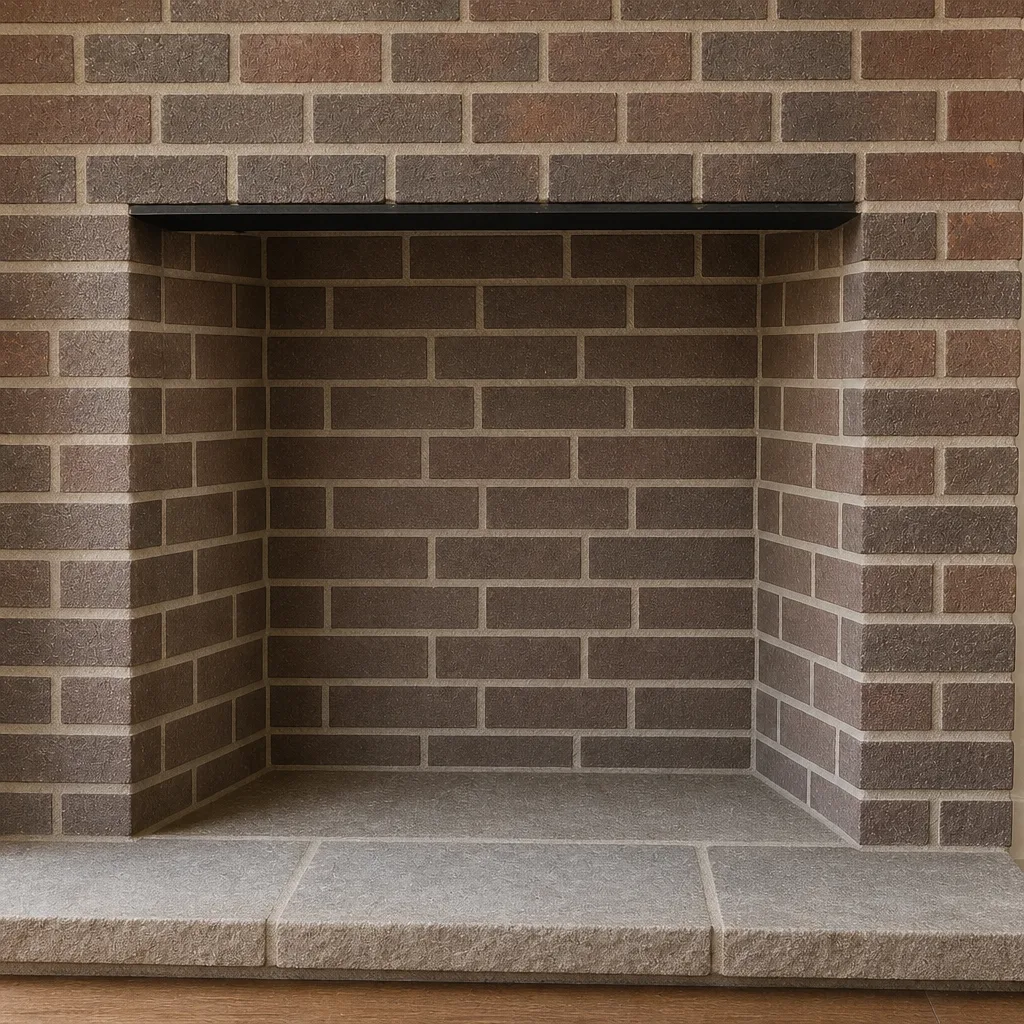
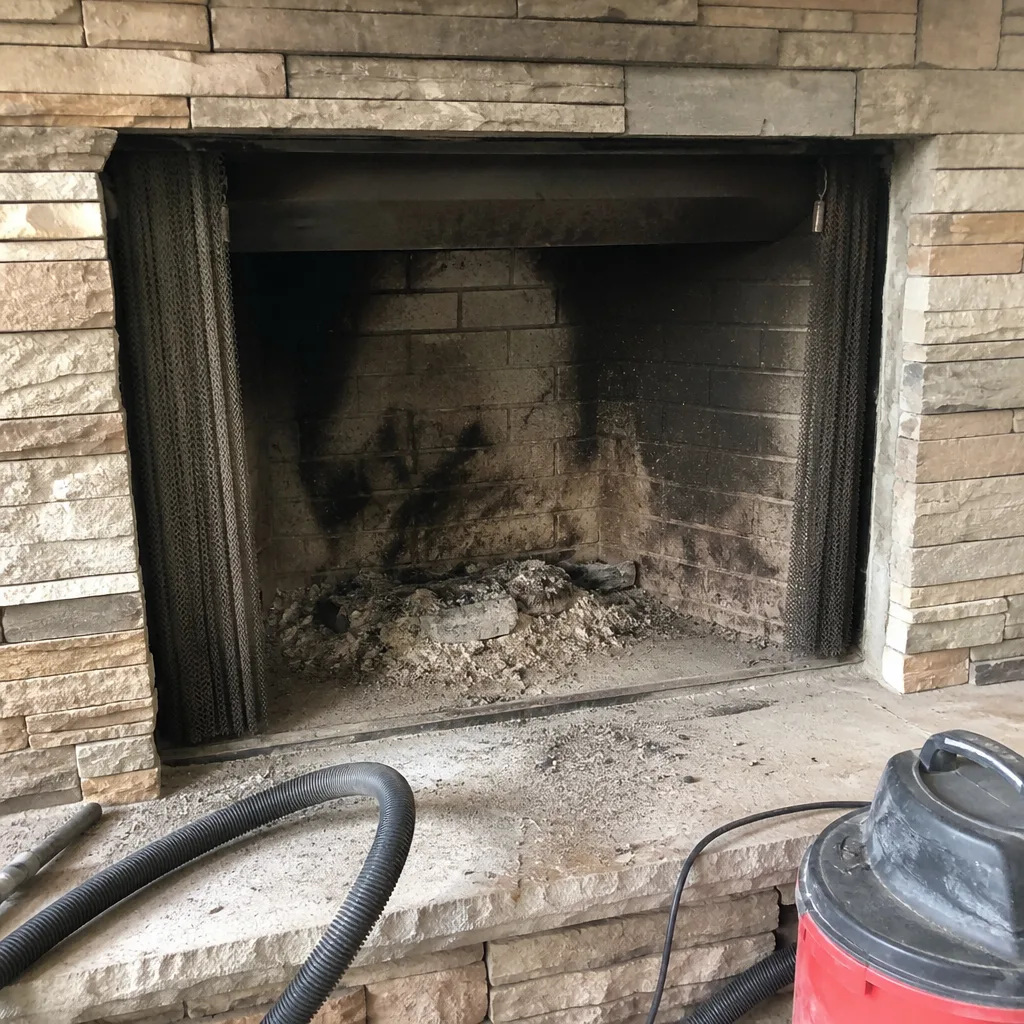
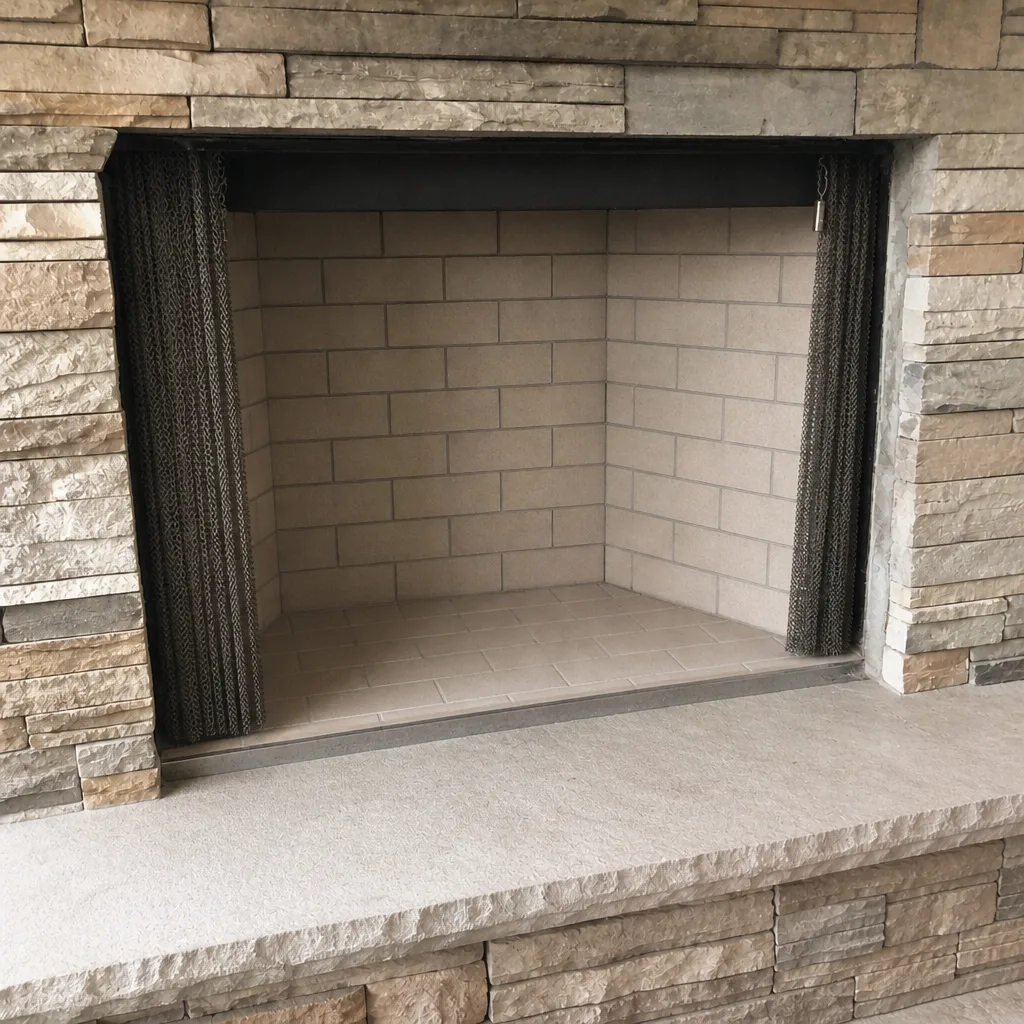
See the difference
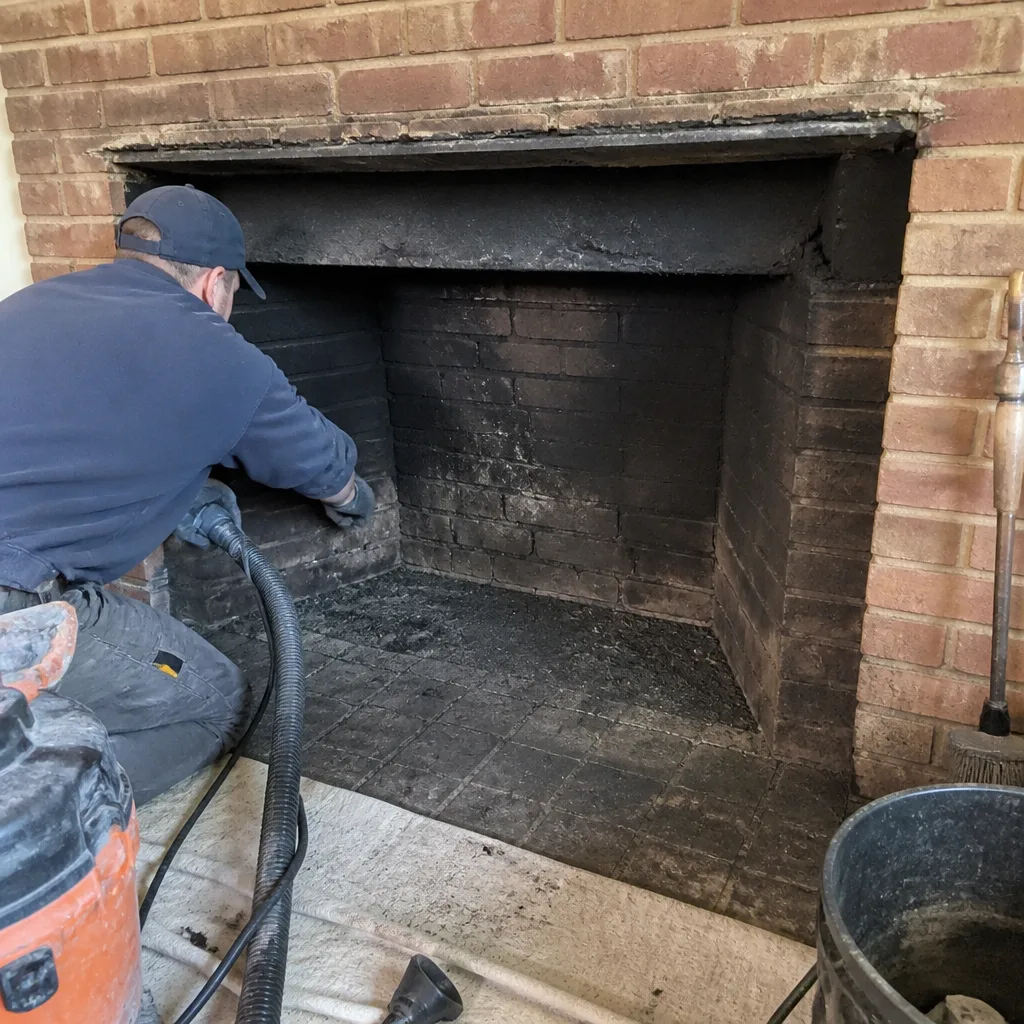 Before
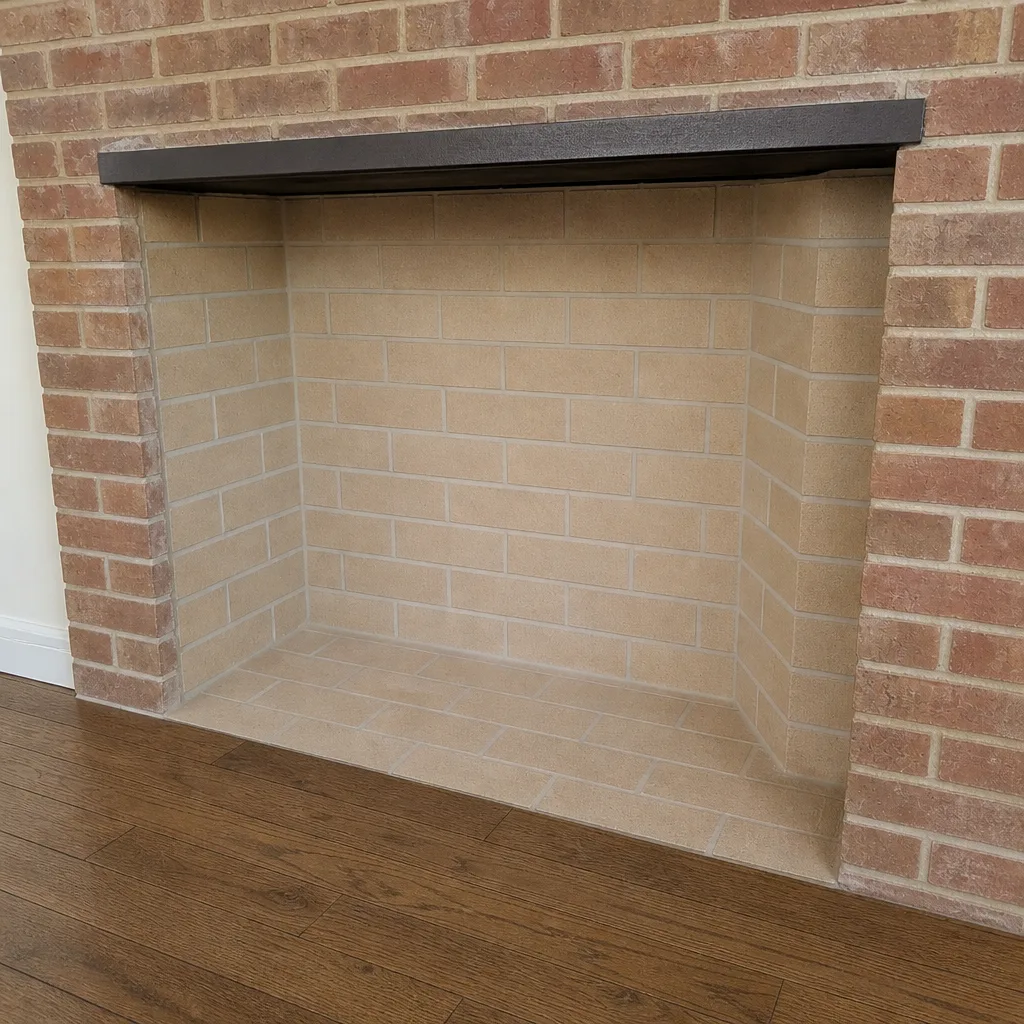 After
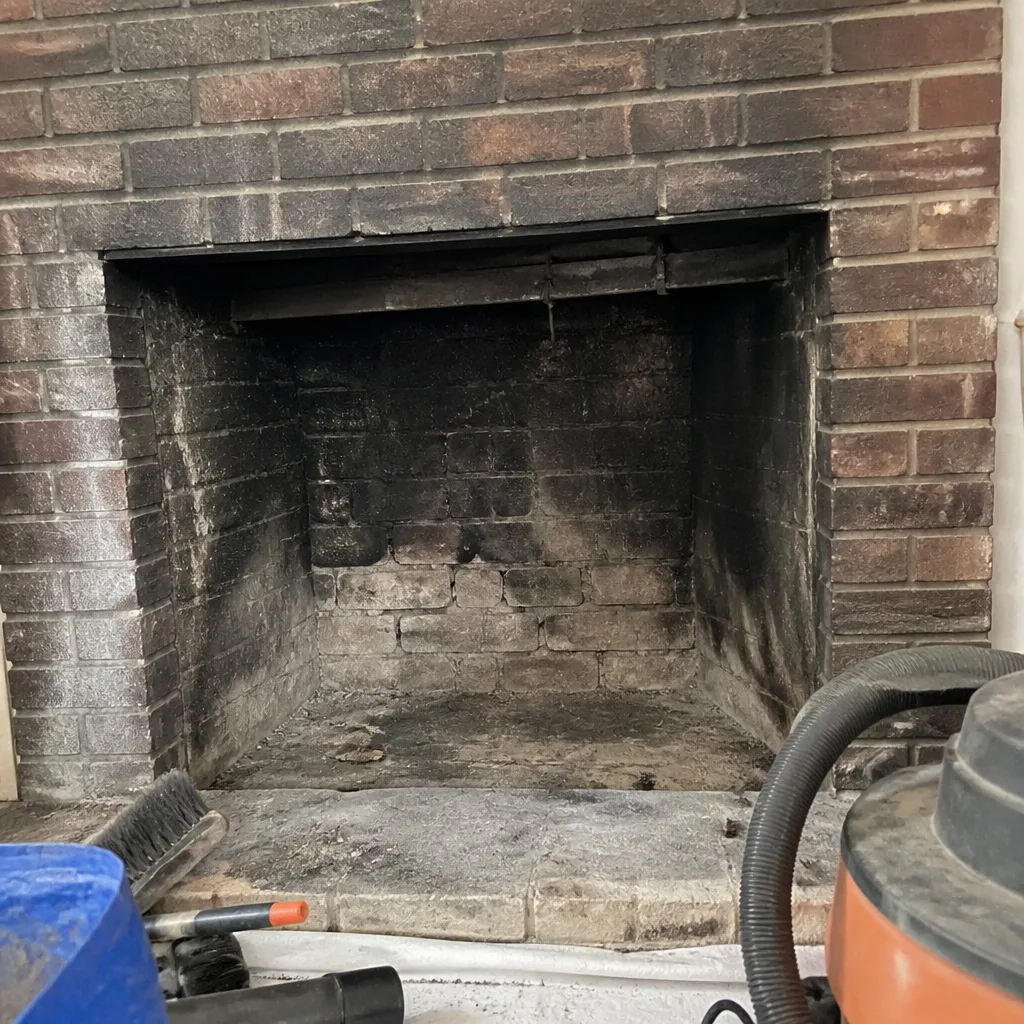 Before
 After
 Before
 After
Common Mistakes to Avoid
- Treating glazed creosote with a light-maintenance product. A Stage 1 chemistry applied to Stage 3 glazing can harden the deposit and make the same visit harder. Match the stage or call a specialist.
- Accepting “a professional-grade cleaner” as an answer. If the contractor won’t name the product and the reasoning, the choice wasn’t made from your flue. Ask, and listen for specifics.
- Skipping the liner identification step. Aluminum and stainless liners don’t respond to the same chemistry as clay tile. A quote without knowing the liner is a guess dressed as a service.
- Assuming a cleaning log is a substitute for a sweep. The log is a consumer supplement with a narrow role. It doesn’t replace a professional visit or resolve Stage 2 or Stage 3 conditions.
- Treating before the camera inspection. In Ridgewood, older clay flues often hide structural cracks behind deposits. Chemistry over a damaged liner doesn’t fix the damage; it delays the fix.
- Reaching for the mid-tier product by default. ACS has a place, but not on a genuinely light flue where Rutland-tier maintenance is enough. The right product is the one the inspection points to, not the default on the shelf.
- Hiring a generalist who sweeps chimneys on the side. A handyman may not know the stage framework or the liner-material difference. A dedicated chimney specialist specifies from trade-level lines and can carry the whole job.
When to Call a Professional
Some chimney work is well within reach of a homeowner with a flashlight and a phone; the rest is not. If you see glazed, shiny creosote on the flue walls, or if your last sweep found Stage 2 or heavier deposits, a professional visit is the right move. Glazed creosote carries real fire risk, and the safe path is mechanical removal by someone who knows the deposits, not a consumer log and a hope. The same goes if the flue has a stainless or aluminum liner whose manufacturer guidance you haven’t checked, or if you’ve never had a camera inspection on an older Ridgewood clay-tile flue. Those are the conditions where chemistry, liner, and structure all have to be assessed together.
Chimney Sweep Ridgewood offers free estimates in Ridgewood. Call (877) 492-3239. We answer 24/7. Fast dispatch from 7am to 7pm, Sunday through Friday. Our technicians have up to 15 years of experience, and we specify DuraFlex, HeatShield, and trade-level product lines per job rather than reaching for a single default. Written estimates set the final price; the estimate itself costs nothing.
Frequently Asked Questions
There’s no single best brand; the right product depends on your flue’s creosote stage and liner material. Rutland fits light soot and Stage 1 deposits, ACS fits Stage 2 crusty creosote, and Saver Systems fits stubborn and glazed Stage 3 deposits. A Ridgewood contractor should inspect first and specify the product that matches the findings. Call (877) 492-3239 for an exact quote; estimates are free.
A cleaning log is a consumer product burned in the firebox to treat light deposits, while a professional chemical treatment is a trade-level product applied with knowledge of creosote stage, liner material, and mechanical follow-up. Logs have a role between professional sweeps on a well-kept flue, but they don’t substitute for a sweep or resolve Stage 2 and Stage 3 conditions. Call (877) 492-3239 for an exact quote; estimates are free.
Clay tile, stainless steel (including DuraFlex flexible liners), and aluminum liners each respond differently to chemistry, and some products aren’t appropriate for some liners. Stainless and aluminum liners often have manufacturer guidance that excludes aggressive treatments, and aluminum is sensitive to mechanical abrasion. A contractor should identify your liner before quoting a chemical treatment. Call (877) 492-3239 for an exact quote; estimates are free.
The only reliable way is a camera inspection that confirms your stage before any product goes in. Stage 1 soot and flaky creosote fit light-maintenance chemistry, Stage 2 crusty creosote fits the mid-tier, and Stage 3 glazed creosote calls for professional-tier treatment plus mechanical removal. If you can’t see the camera findings, don’t approve the treatment. Call (877) 492-3239 for an exact quote; estimates are free.
No, a cleaning log is a supplement, not a substitute for a professional sweep. It has a legitimate role between visits on a flue that’s already kept reasonably clean, but it can’t resolve Stage 2 or Stage 3 deposits, and it doesn’t include the inspection that identifies liner problems or blockages. Ridgewood clay flues often hide structural issues behind deposits, and the log won’t find them. Call (877) 492-3239 for an exact quote; estimates are free.
A vague answer like “a professional-grade cleaner” without a brand or reasoning is the main signal; it usually means the choice wasn’t made from your flue. Quoting chemistry without identifying your liner, skipping the camera findings, or applying light-maintenance chemistry to glazed creosote are all signs the process is off. A contractor worth hiring names the product, the stage, and the liner. Call (877) 492-3239 for an exact quote; estimates are free.
If you want a straight answer on whether your flue’s product choice is right, the quickest path is a sweep with a camera inspection attached. That’s the Chimney Sweep Ridgewood standard: inspect first, specify per job, and hand off nothing to a second crew. Call (877) 492-3239. We answer 24/7. Fast dispatch from 7am to 7pm, Sunday through Friday. Estimates are free; the written estimate sets the final price.
The Bottom Line
The chimney cleaning brand question comes down to matching chemistry to condition, not picking the most familiar label. Rutland, ACS, and Saver Systems each have a role, and the right choice depends on your creosote stage and liner material. A contractor who names the product, shows the camera findings, and explains the reasoning is doing the work properly. One who says “a professional-grade cleaner” and skips the inspection is guessing at your expense. In Ridgewood, where clay flues and stainless liners sit side by side, that difference shows up on the first visit. Get the inspection before you buy the treatment. Call (877) 492-3239 for a free estimate and a written quote that covers the whole system.
Written by the team at Chimney Sweep Ridgewood.