
Last updated November 25, 2026
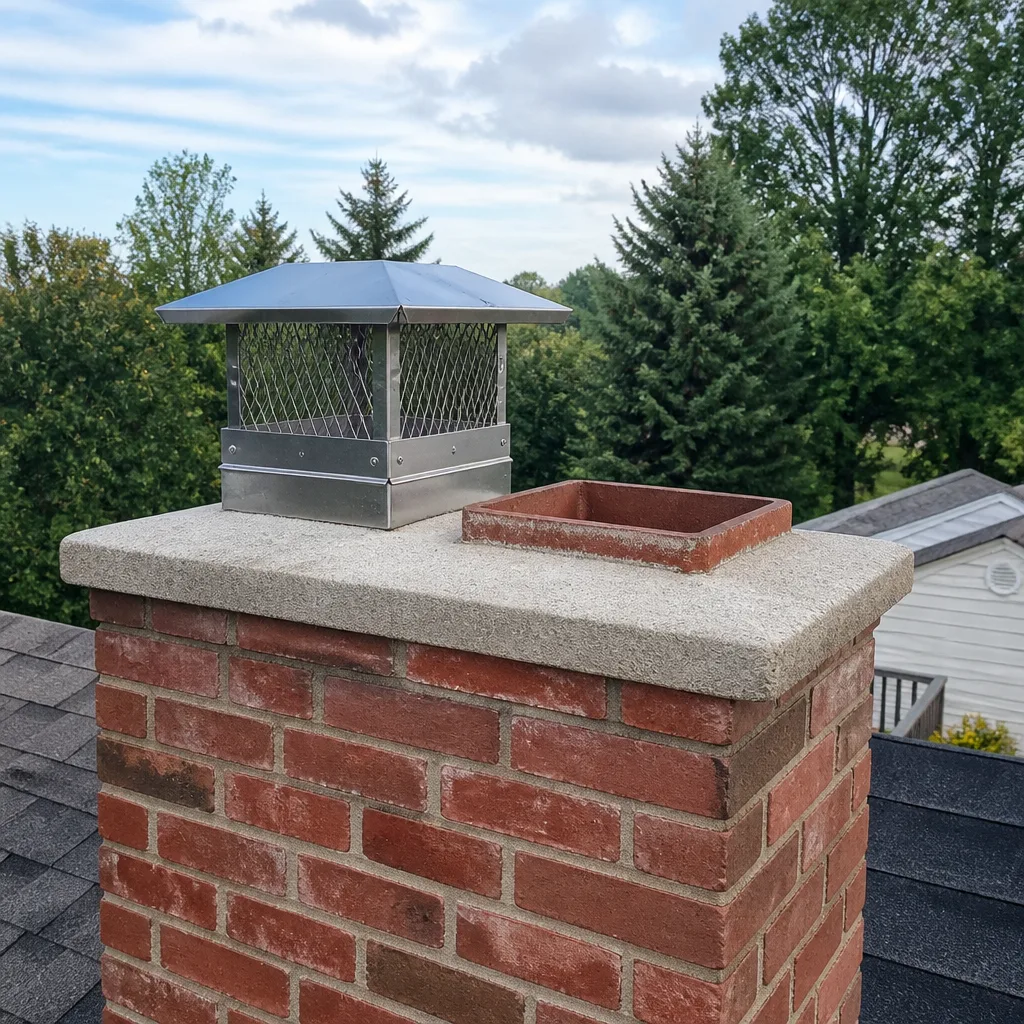 Sweep & inspection
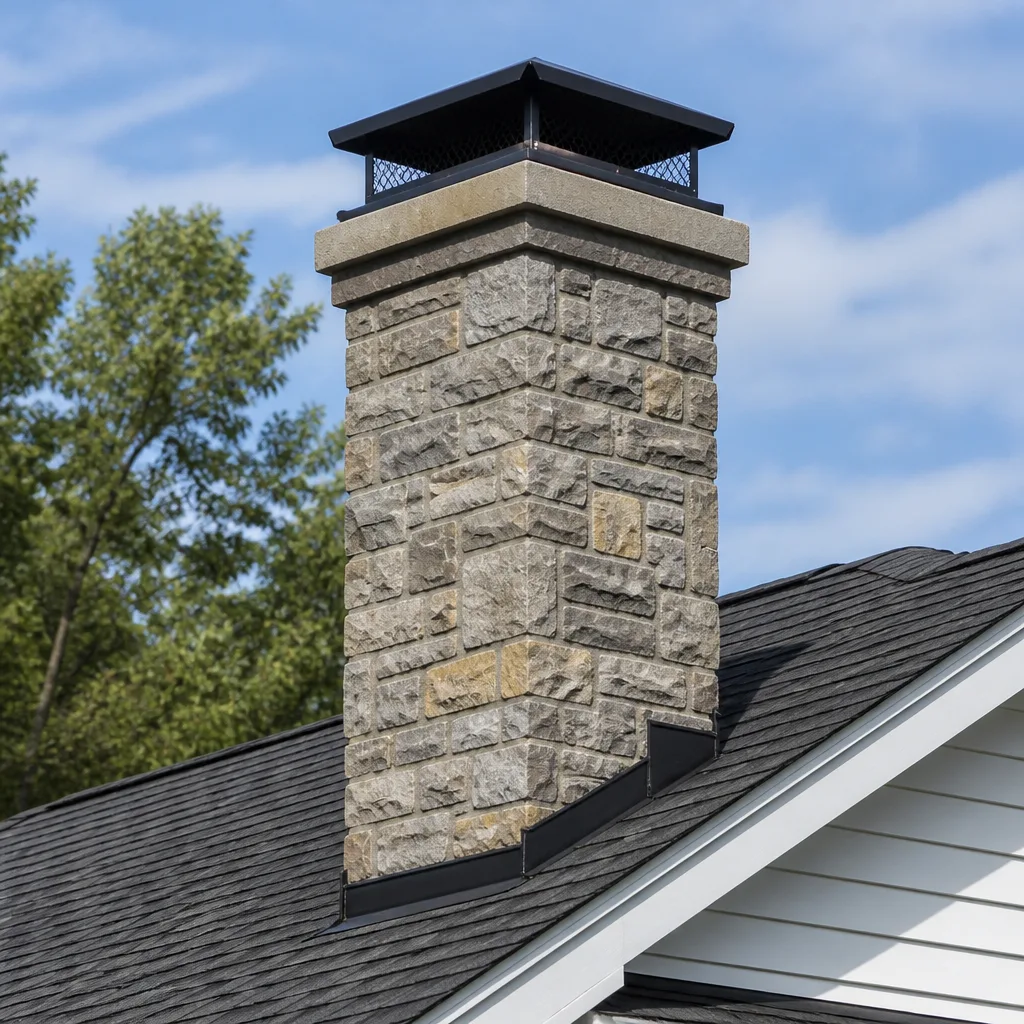 Caps & crowns
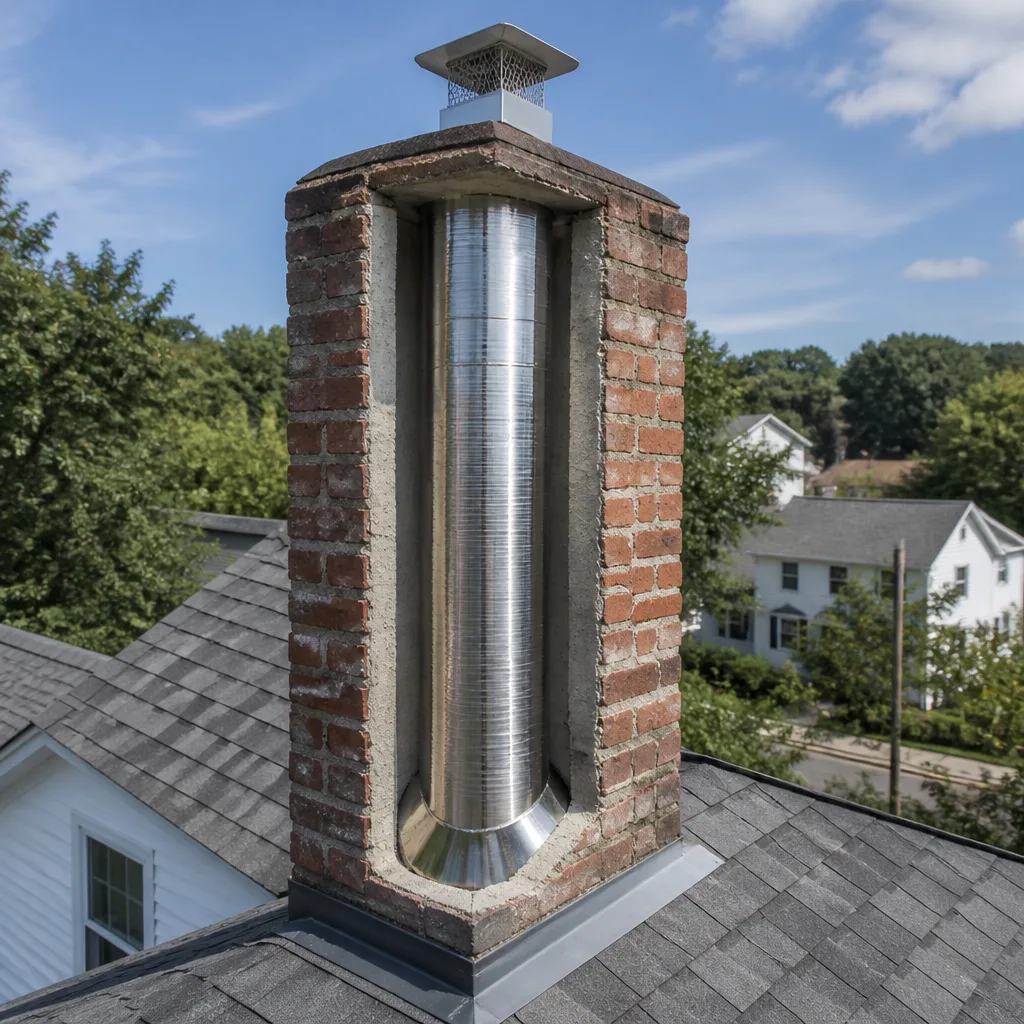 Flue relining
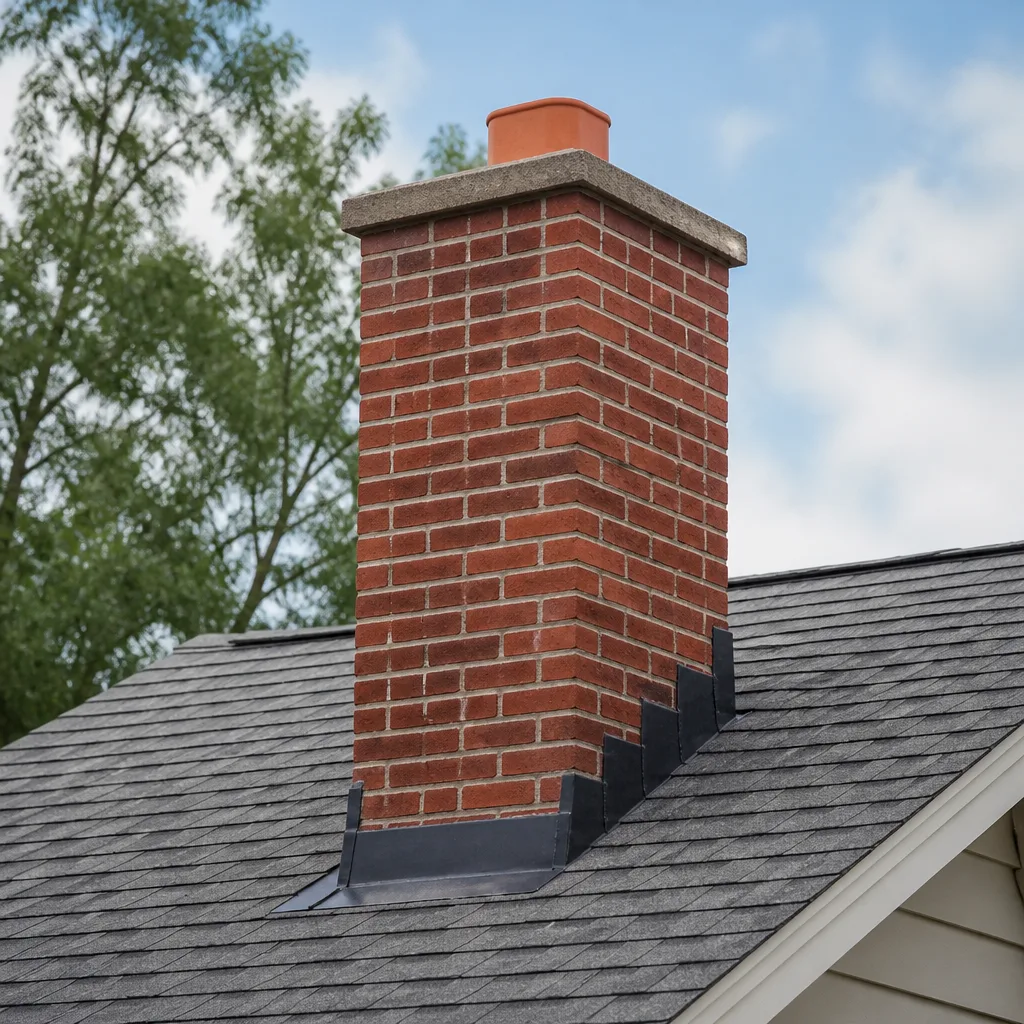 Masonry repair
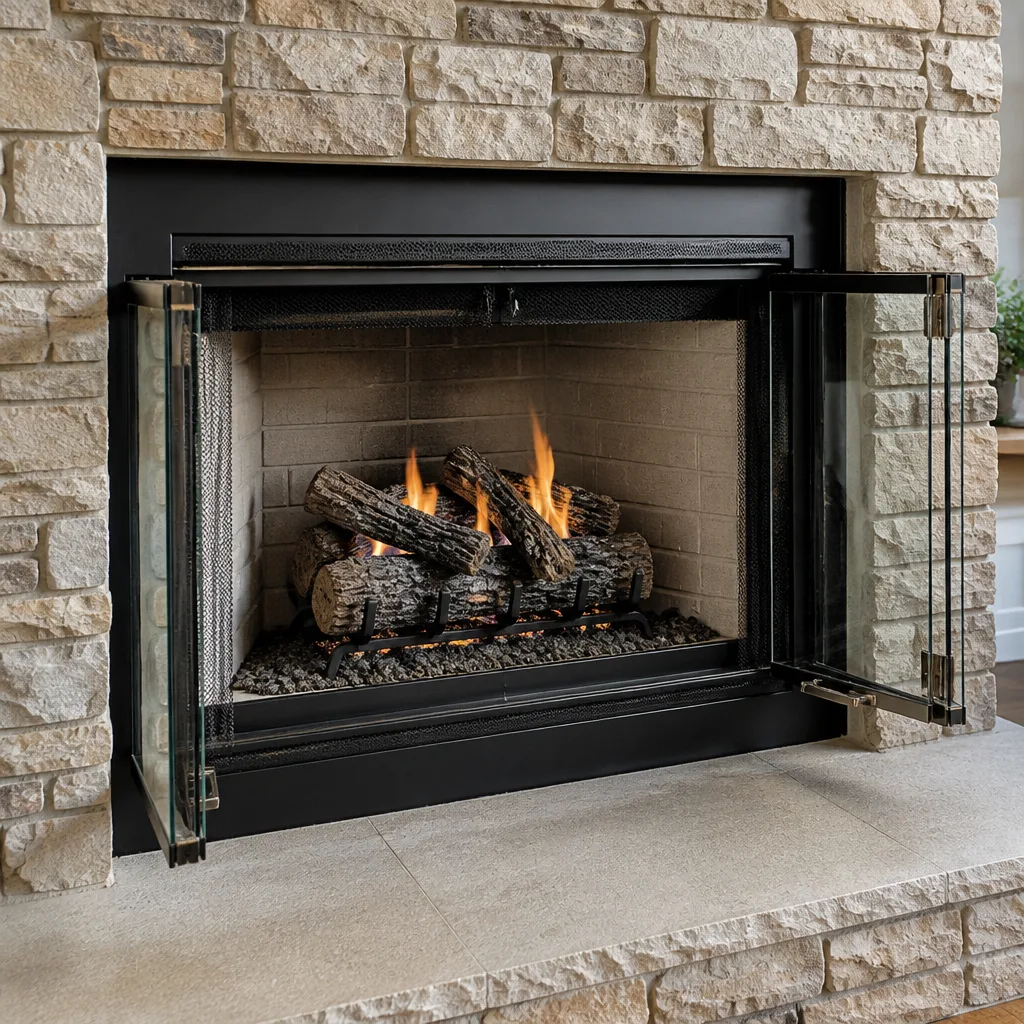 Gas fireplace service
Level 1 sweep and inspection to the NFPA 211 annual standard - flue, crown, cap, and flashing checked and photographed
Chimney sweep logs do not sweep chimneys. They loosen some creosote - which then falls where a brush and vacuum still have to collect it.
Chimney Sweep Maintenance Checklist for Ridgewood Homeowners
Most chimney maintenance checklists were written for detached houses with their own flue, their own crown, and their own set of problems. Ridgewood isn’t that town. The majority of housing here is attached: rowhouses and semi-detached homes that share walls, and often share chimney structures, with the unit next door. That single fact changes what a maintenance checklist should include, because a flue problem in one Ridgewood home can affect the air in an adjacent one. This guide walks through the checklist we actually use, from ground-level cap inspection to damper testing to the records you should keep after every visit.
Quick Answer
A chimney maintenance checklist for Ridgewood homeowners should cover five things: a ground-level visual check of the cap and crown, a damper operation test, an assessment of the flue liner (especially important in homes that were converted from oil to gas), a check for party-wall and shared-flue problems, and a documented annual sweep and inspection. In attached Ridgewood homes, shared walls and tight flue spacing make a blocked or degraded flue a neighborhood concern, not just a household one.
Styles & brands we work with
- Sweep & inspection
- Caps & crowns
- Flue relining
- Masonry repair
- Gas fireplace service
Table of Contents
- Why Ridgewood’s Attached Homes Need Their Own Checklist
- Pre-Season Checklist for Oil-to-Gas Conversion Homes
- How to Self-Inspect the Cap and Crown From Ground Level
- The Damper Operation Test
- Shared-Flue and Party-Wall Checklist Items
- Documentation: What Records to Keep After Each Visit
- What an Annual Sweep and Inspection Should Include
- When to Call a Professional
Why Ridgewood’s Attached Homes Need Their Own Checklist
In a detached house, a blocked flue is a problem contained to one address. In Ridgewood, where rowhouses and semi-detached homes dominate the housing stock, the chimney is often a shared structure. Two flues can sit inside the same masonry mass, separated by a thin wythe of brick. When one flue degrades, cracks, or loses its liner, combustion gases don’t always stay on their own side.
That’s the part standard maintenance checklists miss. A generic checklist tells you to sweep once a year and look at the cap. It doesn’t tell you that in an attached home, a backdrafting flue next door can push carbon monoxide into your living space through shared masonry, a shared chase, or a common attic. It doesn’t tell you that a neighbor’s unlined flue can be your problem too.
Ridgewood’s housing mix makes this concrete. The brick rowhouses that line many of the blocks here were built close together, often with chimneys grouped on party walls to save masonry. When those chimneys were built, most homes burned coal or oil. Today many burn gas, some still burn wood, and a few have inserts or appliances the original mason never imagined. The flue that was right for coal is not automatically right for what’s in the firebox now.
This checklist is built around that reality. Every item below applies to any chimney, but the emphasis and the warning signs are tuned to attached homes in Ridgewood. If you take one thing from this guide, take this: in a rowhouse, your chimney isn’t purely yours. Maintaining it is part of maintaining the building.
Pre-Season Checklist for Oil-to-Gas Conversion Homes
Ridgewood has a large share of homes that were originally heated with oil and later converted to gas. If yours is one of them, the pre-season checklist has to start with the liner, not the firebox. Oil-fired appliances produced flue gases at different temperatures and volumes than modern gas equipment, and the liner sized for the old oil burner is frequently wrong for the new appliance.
Here’s what to check before the heating season begins:
- Confirm what’s actually venting. Know whether your flue serves a furnace, a water heater, a fireplace, or some combination. Gas appliances often share a flue with a water heater, and that changes the venting calculations.
- Ask whether the liner was assessed at conversion. If the oil-to-gas switch happened before you owned the home, there may be no record of a liner inspection. A liner sized for oil may be oversized for gas, which causes condensation and corrosion, or undersized, which causes poor draft.
- Look for corrosion at the flue collar. White chalky residue or rust at the appliance connection point suggests the flue is running cold and wet. That’s a common sign in converted homes.
- Check for a properly sized and sealed liner. Clay tile liners crack. Older homes may have none at all. A stainless liner sized to the current appliance is the standard fix, and it’s a specialist job, not a general handyman one.
- Verify the cap and crown still match the current setup. A conversion often leaves the original cap in place. If the cap is undersized or rusting through, rain and animals get in.
Oil-to-gas conversion is one of the most common reasons we get called out in Ridgewood. If your home was converted and you’ve never had the liner looked at, that’s the first item on your list. A proper chimney sweep visit includes a liner assessment, and if relining is needed, products like DuraFlex flexible liners and HeatShield ceramic resurfacing let us restore a sound flue without tearing the chimney down.
How to Self-Inspect the Cap and Crown From Ground Level
You don’t need to climb a roof to catch a failing cap or crown. With a decent pair of binoculars and a clear view from the yard or the street, you can spot the problems that matter most before you ever call a sweep. We recommend doing this twice a year: once before heating season, once after.
Here’s what to look for:
- Cracks in the crown. The crown is the concrete or mortar cap at the very top of the chimney. Hairline cracks are common and not always urgent, but wide or branching cracks let water into the masonry, and water is what destroys chimneys.
- Spalling or crumbling mortar. If the crown or the top courses of brick look flaky, powdery, or like they’re shedding, freeze-thaw cycles are working on them.
- Rust on the cap. A galvanized cap that’s rusted through has stopped doing its job. Stainless caps last far longer.
- Missing or bent cap mesh. The mesh is what keeps birds, squirrels, and raccoons out. A torn screen is an open door.
- Lean or separation. If the chimney stack looks like it’s pulling away from the house or listing to one side, stop and call. That’s structural.
- Staining down the exterior. Dark streaks below the cap mean water is getting in somewhere above.
What binoculars can’t tell you is what’s happening inside the flue or behind the masonry. Ground-level inspection catches the obvious problems, but the crown and cap are only the top of the system. If you see anything on the list above, or if it’s simply been a while, a proper look at the whole system is worth it. Chimney cap and crown work is one of our five core services, and it’s a job where small fixes now prevent expensive ones later. Our chimney cap & crown page covers the options in detail.
The Damper Operation Test
The damper is the metal plate above the firebox that opens and closes the flue. When it works, it seals the chimney when the fireplace is idle and opens fully when you’re burning. When it sticks, corrodes, or fails to seal, you’re losing heat up the chimney all winter and allowing flue gases a path they shouldn’t have. Testing it takes about two minutes.
- Make sure the fire is fully out and the firebox is cold. Never test a damper with any embers present.
- Locate the damper handle or lever. It’s usually at the top of the firebox, sometimes behind a small frame.
- Open it fully. The handle should move smoothly through its full range. Listen for the plate seating against its stop.
- Close it fully, then reopen it. A damper that won’t seat closed is leaking. A damper that won’t open freely is a hazard.
- Look up with a flashlight. With the damper open, shine a light up the flue. You should see an unobstructed passage. Any visible buildup, nest material, or debris means stop and call.
- Check for rust or corrosion on the plate and frame. Rust means moisture is getting into the flue. That’s a sign of a bigger problem, usually a failed cap or a liner issue.
A sticky damper is often the first symptom of a wet flue. A damper that’s corroded through is a sign the moisture has been there a while. Either one deserves a professional look, because the cause is usually above the damper, not at it. If your damper fails this test, don’t burn until it’s checked. Call (877) 492-3239. We answer 24/7, with fast dispatch from 7am to 7pm, Sunday through Friday.
Shared-Flue and Party-Wall Checklist Items
This is the section most chimney guides skip, and it’s the one that matters most in Ridgewood. In attached homes, chimneys are frequently built into or against party walls. Two adjacent flues can share a single masonry mass, and that shared structure creates failure points a detached-home checklist never touches.
Add these items to your annual routine:
- Check the party wall for staining. Look at the interior wall you share with your neighbor, especially high up near the ceiling and in any room that backs onto the chimney. Brown or yellow staining suggests a flue leak that’s crossing over.
- Know how many flues your stack contains. A single chimney can hold two, three, or more flues serving different units or different appliances. If you don’t know how many yours has, that’s worth clarifying.
- Watch for draft problems that come and go. If your fireplace smokes only sometimes, especially when your neighbor is burning or running their heating equipment, shared-flue pressure is a likely cause.
- Confirm each flue has its own liner and its own cap. Shared masonry without separate liners is the classic recipe for cross-contamination.
- Check that any chimney cap covers every flue in the stack. A cap sized for one flue leaves the others open.
- Talk to your neighbor about service timing. In attached homes, coordinating a sweep and inspection with the unit next door often catches shared-structure problems that a single-unit visit would miss.
The reason this matters so much is carbon monoxide. A degraded flue in one unit can, in the wrong conditions, backdraft gases into a neighboring unit through shared masonry or a common chase. That isn’t a scare tactic; it’s the reason attached-home chimney maintenance deserves a higher standard than detached-home maintenance. If you share a chimney structure with a neighbor, both sides should be inspected. Our Chimney Sweep Ridgewood team handles both sides of a party wall as a single assessment whenever that’s practical.
Documentation: What Records to Keep After Each Visit
After every sweep or inspection, keep the paperwork. It’s the least glamorous item on this checklist and one of the most useful. If you ever have a chimney fire, an insurance adjuster will ask for proof of maintenance, and a thin file is a hard position to argue from.
Here’s what to retain:
- The written inspection report. It should state what was found, what was recommended, and what was not urgent. Keep the original.
- Photos and video of the flue interior. A camera inspection gives you a visual record of the flue at that point in time. Save it. Comparing year to year is how you spot slow deterioration.
- The sweep record. Date, what was cleaned, and any notes about creosote levels or blockages.
- Repair and installation records. If a cap, crown, or liner was installed, keep the product documentation. Liner records in particular include the product line (DuraFlex, HeatShield, and similar) and the installation date.
- A simple maintenance log. One page listing each visit, what was done, and who did it. Five minutes of upkeep per year.
Why does this matter? Because after a chimney fire, the first question is usually whether the chimney was maintained. Records answer that question. They also help the next technician understand the system’s history, which is especially valuable in a converted or older Ridgewood home where the original construction details are long gone. A specialist who keeps thorough records is doing you a favor years down the line.
What an Annual Sweep and Inspection Should Include
An annual chimney sweep is the backbone of the whole checklist. Everything else on this page supports it, and none of it replaces it. A proper visit from a chimney-only specialist covers the full system, not just the firebox.
Here’s what a complete annual service should include:
- Assessment before cleaning. The technician should look at the whole system first: firebox, damper, smoke chamber, flue, cap, and crown. Findings guide the cleaning.
- A full sweep of the flue. Brushes sized to the flue, with proper containment so no soot ends up in your living room.
- A camera inspection where warranted. Visible evidence of the flue interior, not a verbal guess.
- A written report. What was found, what needs attention now, what can safely wait.
- A clear recommendation. Nothing more, nothing less. An inspection that tells you exactly what your system needs and nothing more is doing its job.
One thing to be clear about: a chimney inspection should stand on its own as a service. It shouldn’t be a mandatory upsell tacked onto a sweep. We offer inspection as a standalone service because homeowners deserve a clear picture of system health before anyone recommends repair. If a technician tells you the flue needs relining, they should be able to show you why on camera, in your own chimney, before you spend a dollar. If they can’t, get a second opinion.
Ridgewood homes that were converted from oil to gas should get this assessment every year, not just when something looks wrong. The stakes are higher in a converted flue, and the cost of catching a problem early is much lower than the cost of a rebuild. Our chimney repair service picks up where the inspection leaves off when something needs fixing.
Common Mistakes to Avoid
- Treating an attached home like a detached one. In Ridgewood rowhouses and semi-detached homes, the checklist has to include party walls and shared flues. Skipping those items leaves half the system uninspected.
- Assuming an oil-to-gas conversion included a liner upgrade. Many conversions didn’t. If there’s no record of a liner assessment, it’s worth getting one before the heating season starts.
- Burning with a sticky damper. A damper that won’t open fully restricts draft. A damper that won’t close leaks heat all winter. Neither is something to live with.
- Hiring a general handyman for chimney work. Chimney repair, liner installation, and crown work are specialist trades. A general contractor may not have the product access or the camera equipment to do the job properly.
- Throwing out the inspection report. That piece of paper is your maintenance history. Keep it, photograph it, file it. Insurance adjusters ask for it after a fire.
- Ignoring the cap because it’s “just cosmetic.” A failed cap lets water and animals into the flue. The cap is the cheapest part of the chimney to fix and the most expensive to ignore.
- Skipping the sweep because the fireplace “doesn’t get used that much.” Creosote builds up whether you burn daily or occasionally. Annual inspection catches problems before they become dangerous, even if the firebox is mostly idle.
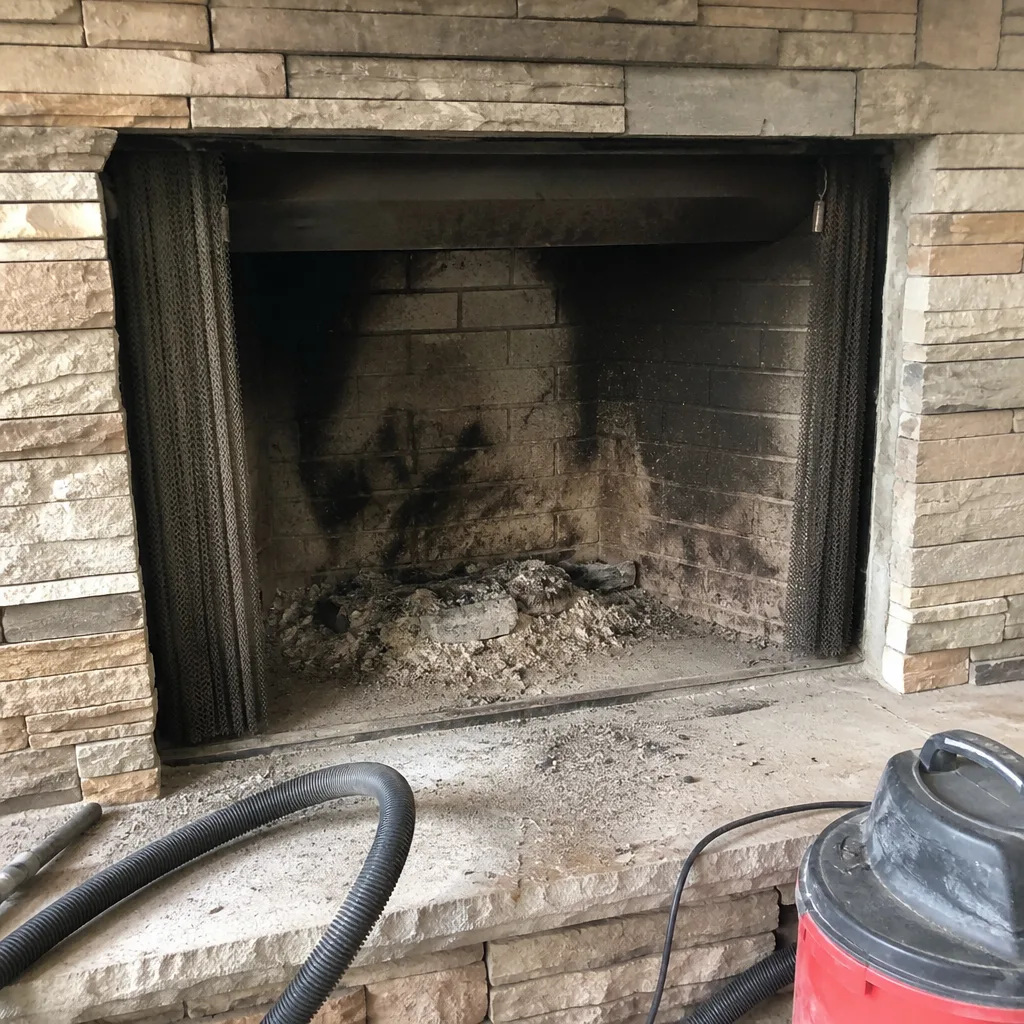
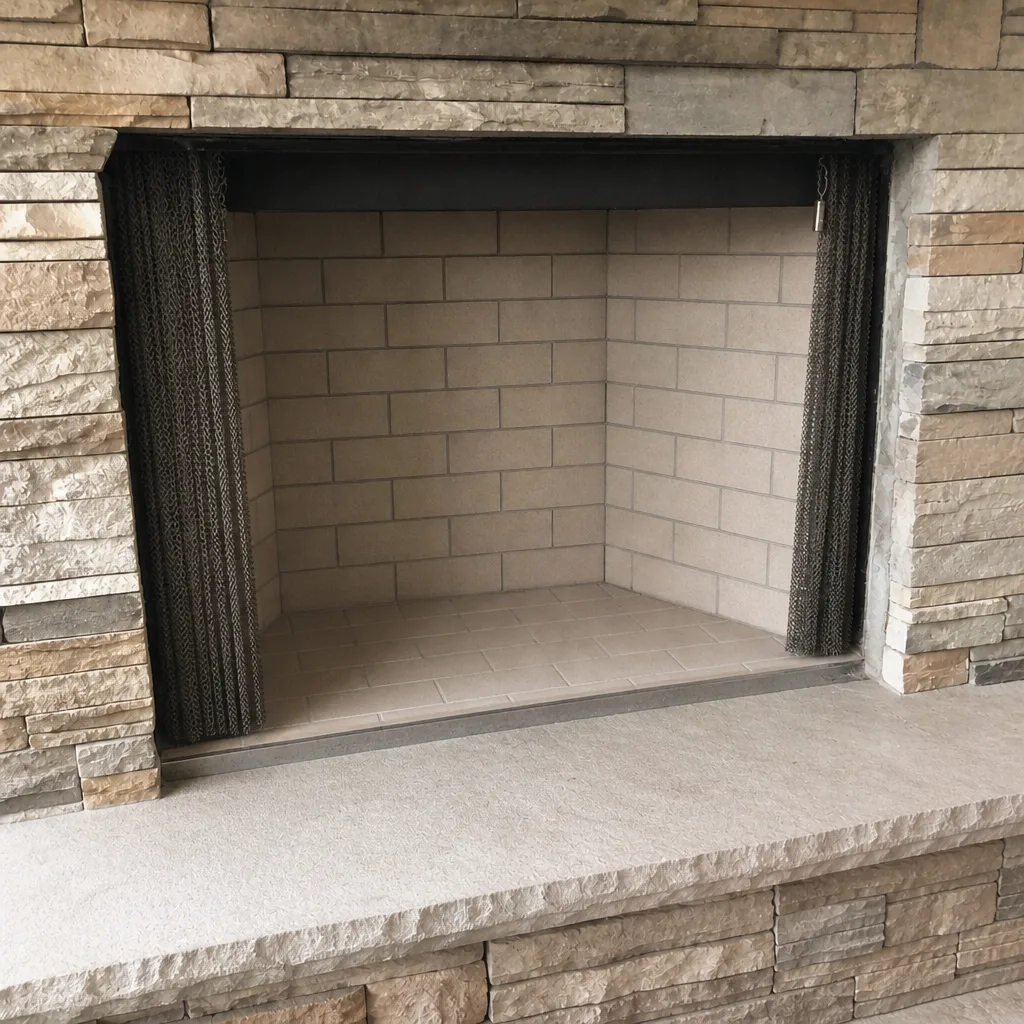
See the difference
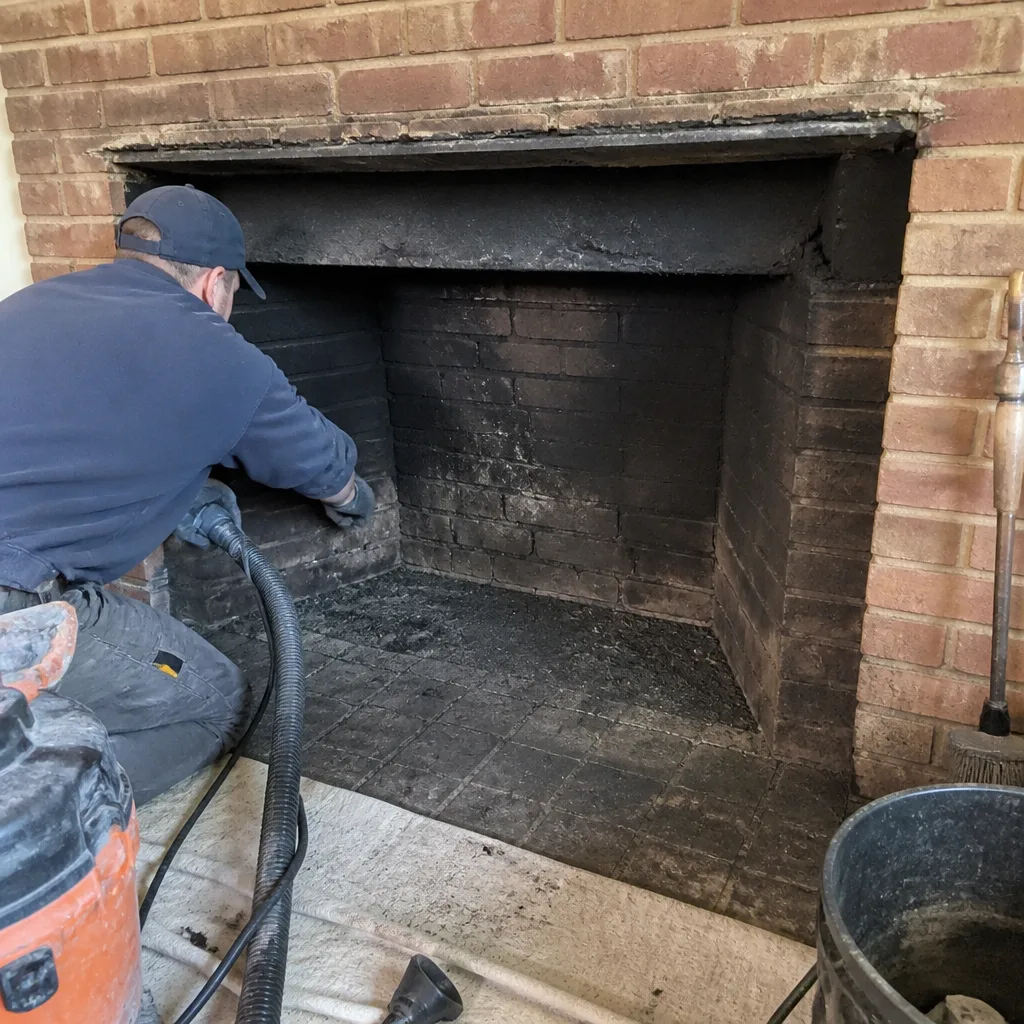 Before
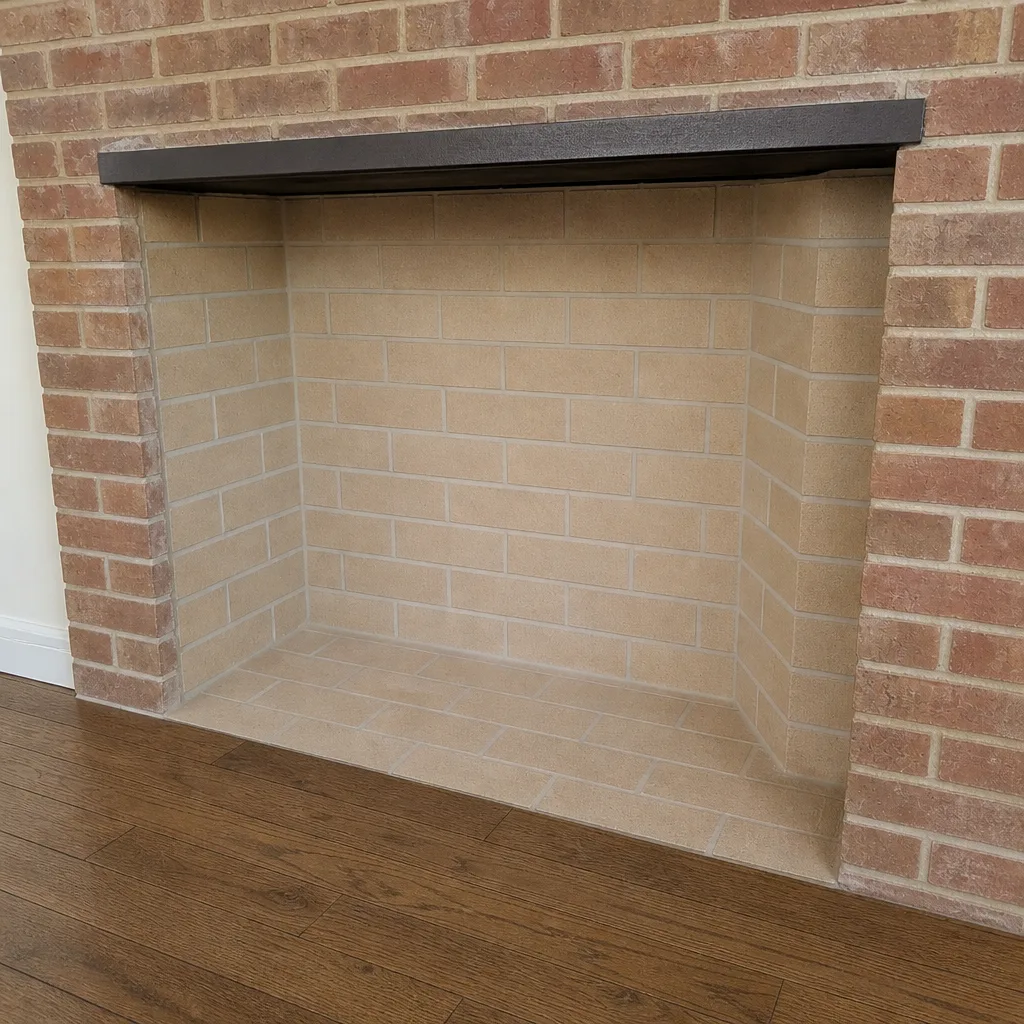 After
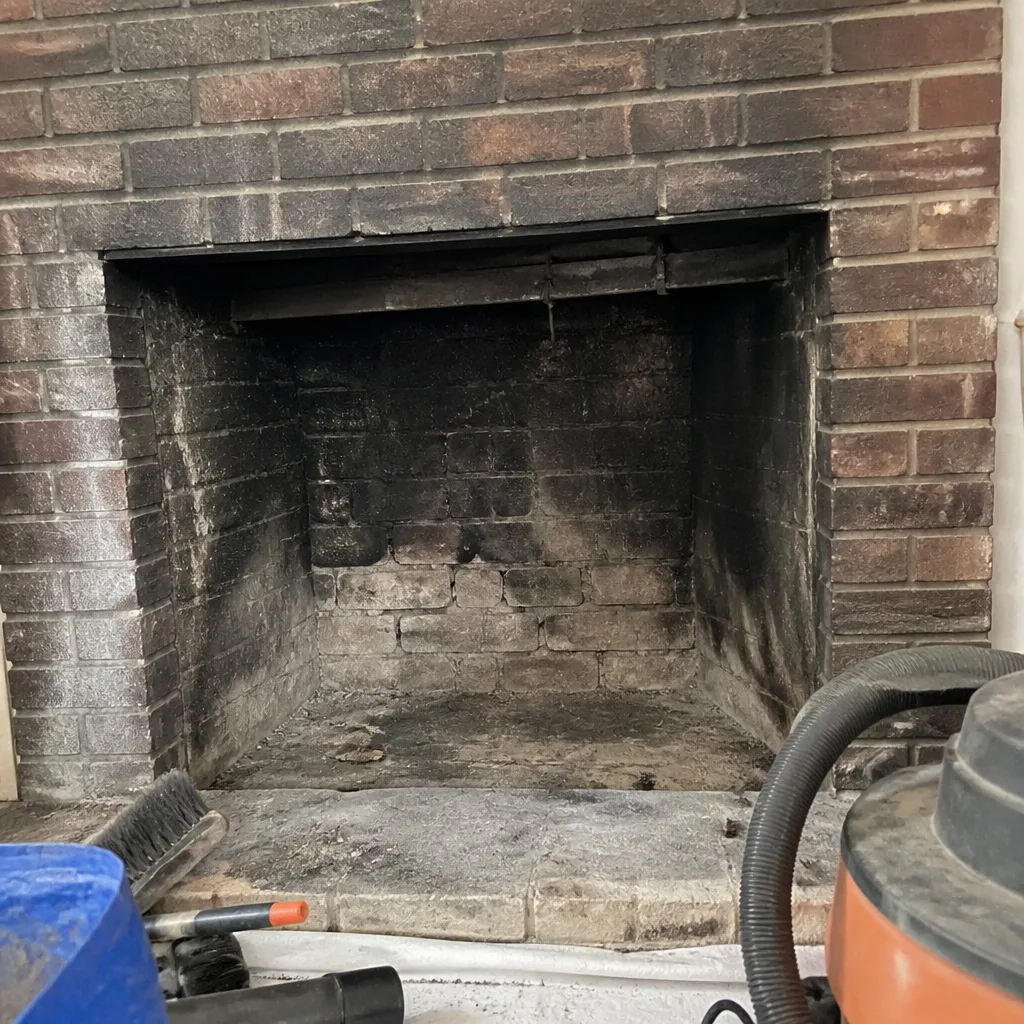 Before
 After
 Before
 After
When to Call a Professional
Some maintenance you can handle yourself: the binocular check, the damper test, the record-keeping. But certain signs mean stop and call a specialist. If you see staining on a party wall, a leaning chimney stack, a damper that won’t move, a cap that’s rusted through, or flue gases backing into a room, don’t wait on the calendar. Call. If you’ve had a chimney fire, even a small one, the flue needs inspection before the next burn. And if your home was converted from oil to gas and you’ve never had the liner assessed, that’s a call worth making. Chimney Sweep Ridgewood offers free estimates in Ridgewood: call (877) 492-3239. We answer 24/7, with fast dispatch from 7am to 7pm, Sunday through Friday.
Frequently Asked Questions
Once a year is the standard for any active chimney, and attached homes in Ridgewood benefit from an annual visit even when the fireplace sees light use. In oil-to-gas conversion homes, an annual liner assessment is part of that visit. Call (877) 492-3239 for a free estimate.
Yes. In attached homes, shared walls and shared chimney structures mean a flue problem in one unit can affect a neighbor. Add party-wall inspections and shared-flue checks to any standard checklist. Call (877) 492-3239 to book an assessment.
Because the liner sized for an old oil burner is often wrong for a modern gas appliance, and many conversions were never followed by a liner assessment. A specialist should confirm the liner is properly sized and intact. Call (877) 492-3239 for an inspection.
It usually signals moisture in the flue, often from a failed cap or a degraded liner. A damper that won’t open fully restricts draft, and one that won’t close leaks heat. Test it each season, and call if it fails. Call (877) 492-3239 for a free estimate.
Keep the written inspection report, any photos or video of the flue interior, the sweep record, and installation documentation for any cap, crown, or liner work. Insurance adjusters ask for maintenance history after a chimney fire. Call (877) 492-3239 with questions.
Yes, with binoculars, and you should do it twice a year. Look for cracks in the crown, rust on the cap, torn mesh, and staining down the exterior. Anything serious means call a specialist. Call (877) 492-3239 for an inspection.
The Bottom Line
A chimney maintenance checklist for Ridgewood has to do more than the generic version. It has to account for attached homes, shared walls, and the oil-to-gas conversions that are so common here. Do the binocular check twice a year, test the damper each season, add party-wall and shared-flue items to your routine, keep every document, and get an annual sweep and inspection from a chimney-only specialist. Our technicians have up to 15 years of experience, and we specify DuraFlex liners and HeatShield resurfacing, the same products professional chimney contractors rely on. Call (877) 492-3239 for a free estimate. We answer 24/7, with fast dispatch from 7am to 7pm, Sunday through Friday.
Written by the team at Chimney Sweep Ridgewood.