
Last updated November 25, 2026
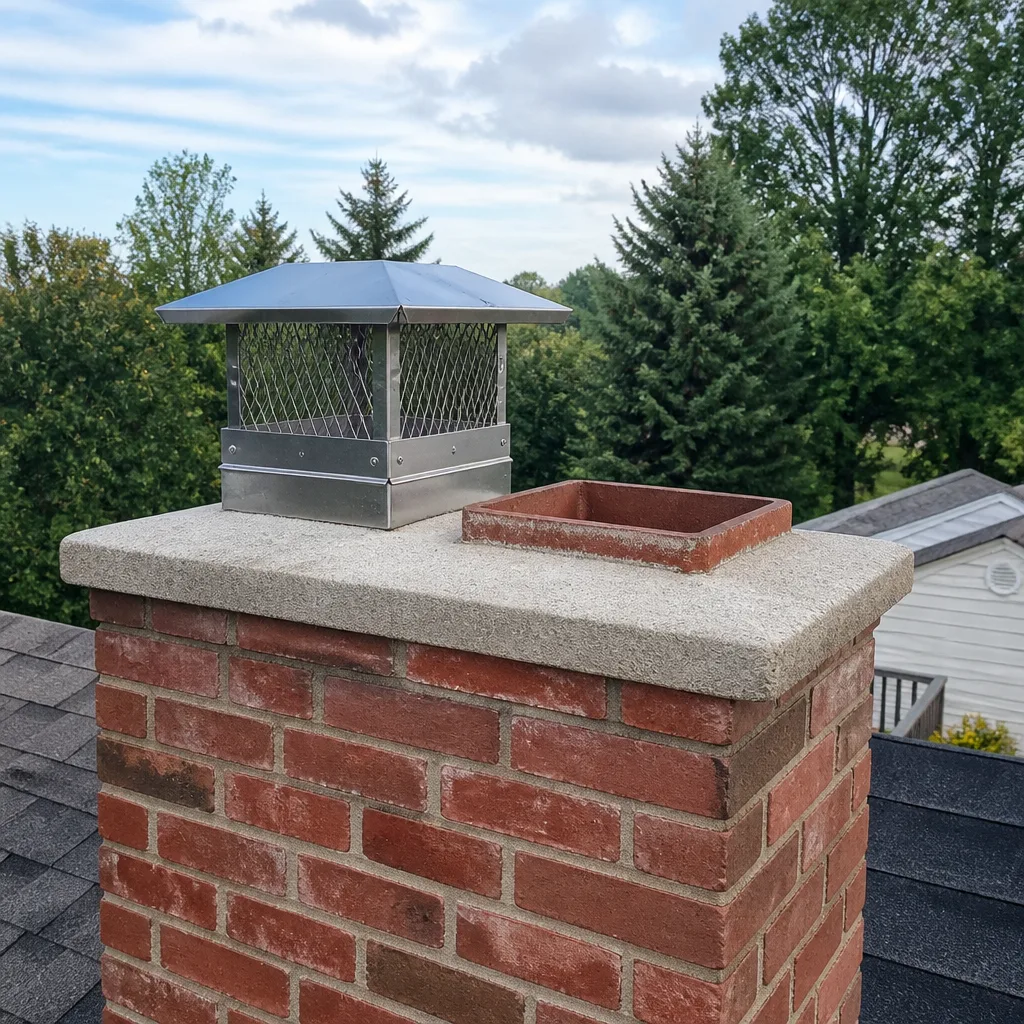 Sweep & inspection
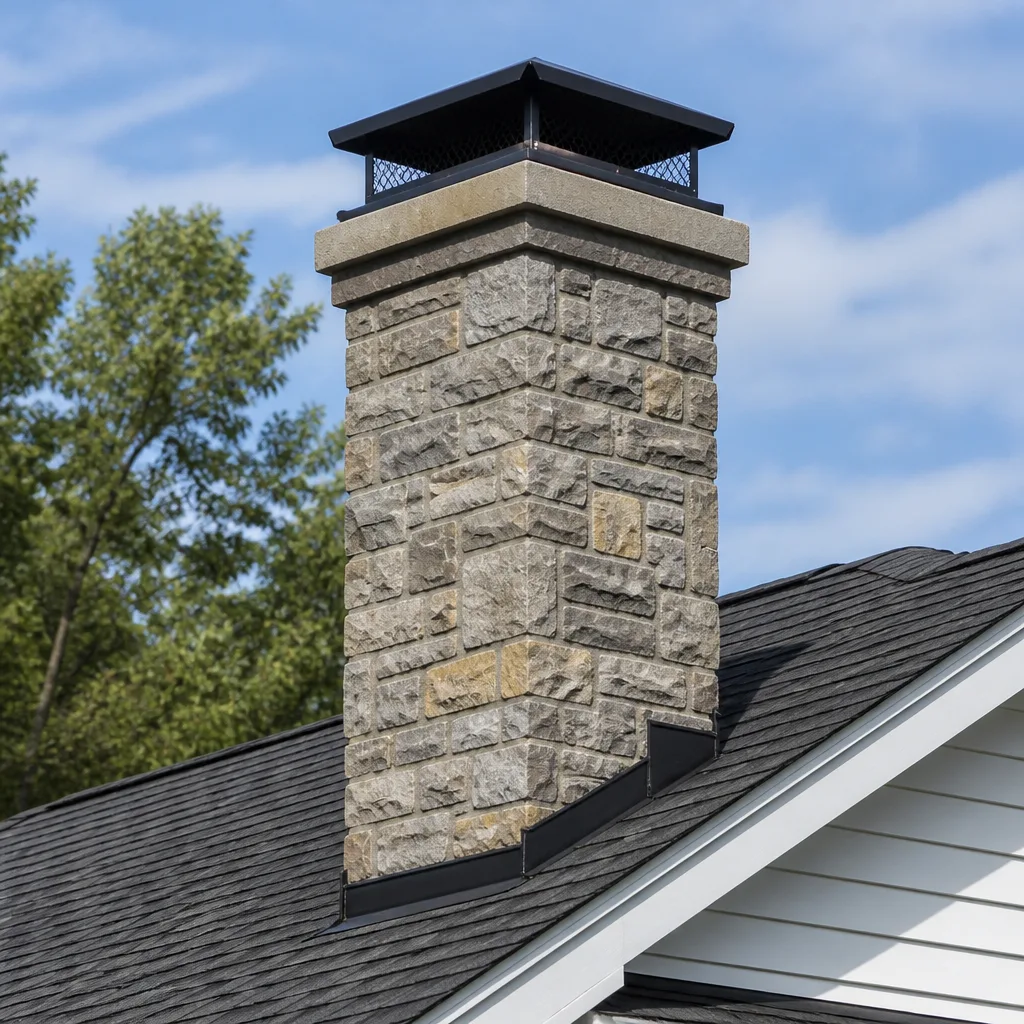 Caps & crowns
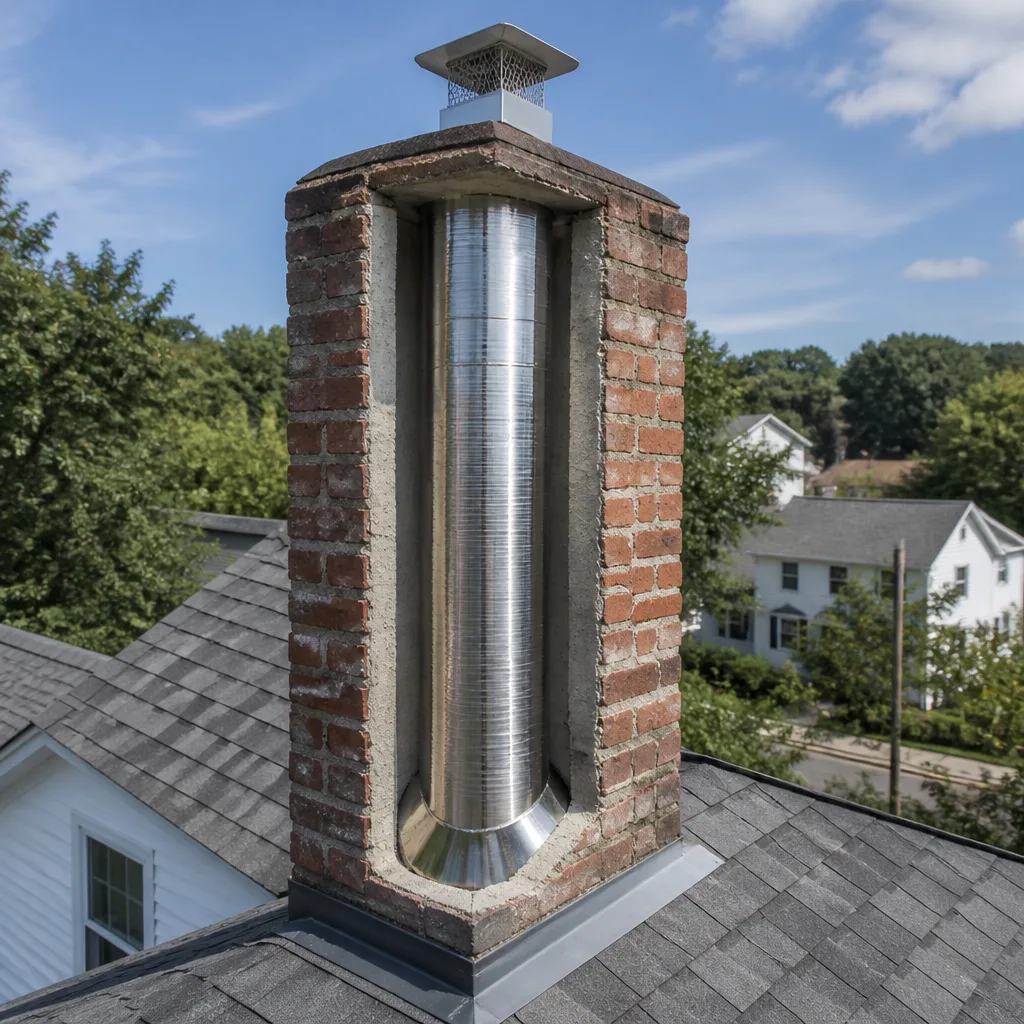 Flue relining
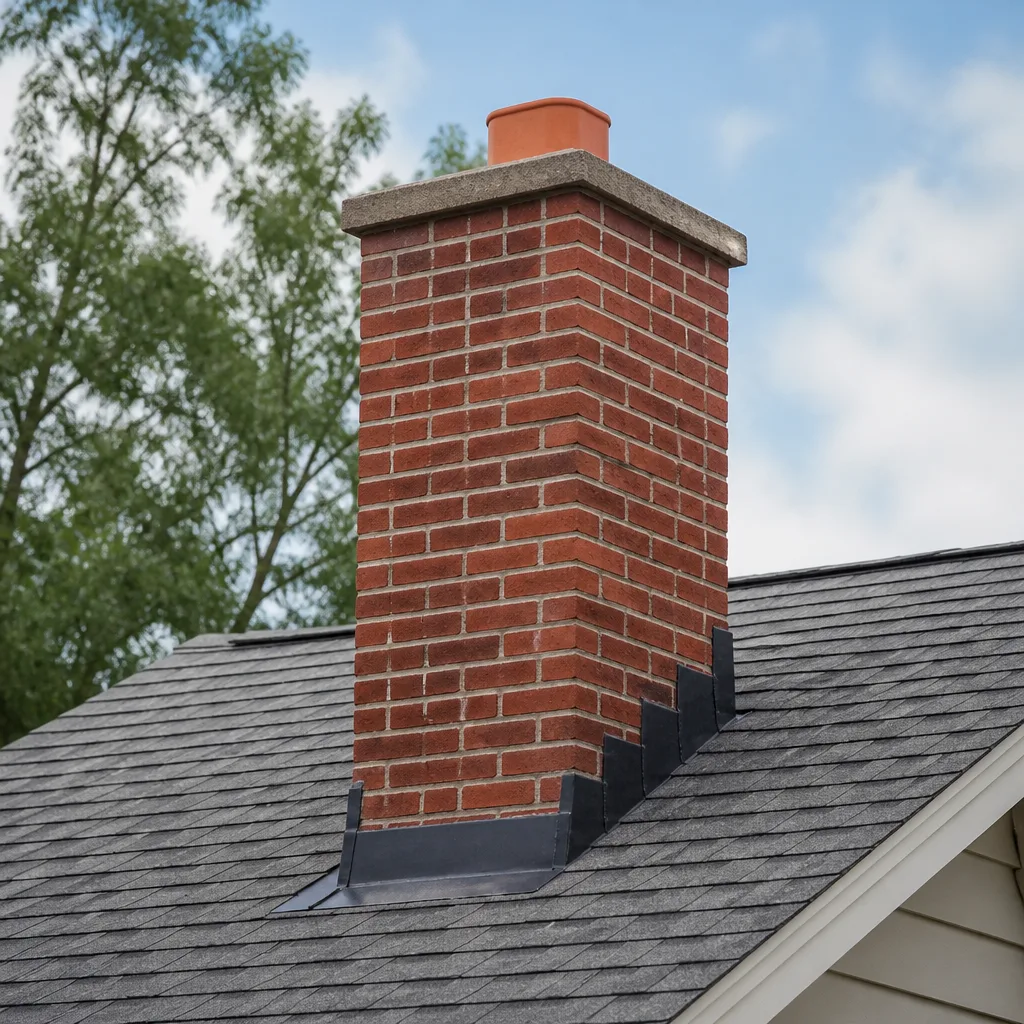 Masonry repair
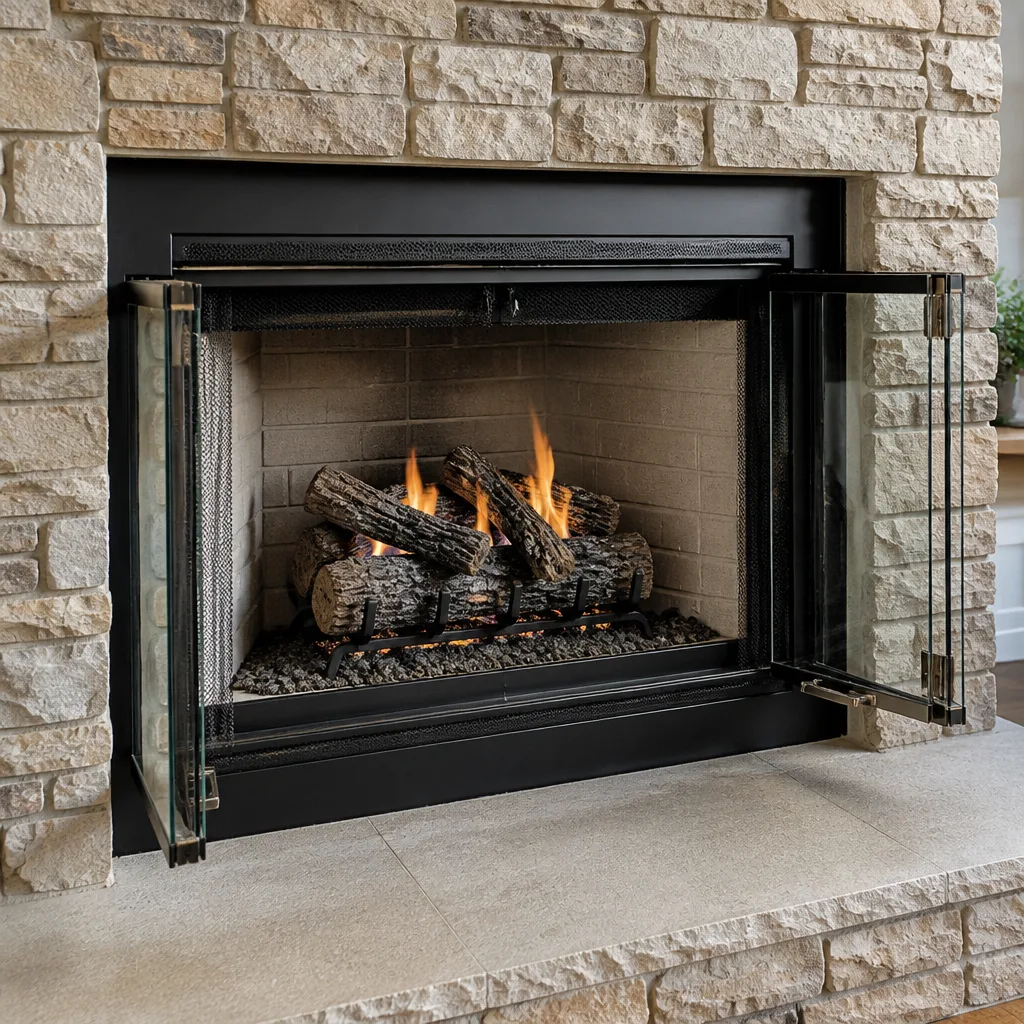 Gas fireplace service
Level 1 sweep and inspection to the NFPA 211 annual standard - flue, crown, cap, and flashing checked and photographed
Chimney sweep logs do not sweep chimneys. They loosen some creosote - which then falls where a brush and vacuum still have to collect it.
How to Hire a Chimney Cleaning Contractor in Ridgewood: A Step-by-Step Guide
The business card says “chimney cleaning.” It doesn’t say whether the person holding it has ever been certified to do the work. That gap matters more than most Ridgewood homeowners realize. A sweeping performed by someone without proper credentials can complicate a fire claim on your homeowner’s policy at exactly the moment you need coverage to hold. We’ve watched too many homeowners in Ridgewood learn this after the fact, when an adjuster asks for proof of who serviced the flue. This guide walks you through verifying a contractor step by step: how to check credentials, which clauses belong in the contract, how to compare bids line by line, and which red flags show up in low-bid chimney services around Queens. You’ll finish knowing how to hire well instead of hiring fast.
Quick Answer
To hire a chimney cleaning contractor in Ridgewood, verify the technician’s CSIA certification through the Chimney Safety Institute of America’s public lookup, confirm liability and workers’ compensation coverage with a certificate of insurance that names you as certificate holder, and require a written inspection report plus a written scope of work before anyone touches the flue. Get at least two itemized estimates so you can compare scope, not just price. The contractor who answers these questions plainly is the one to hire; the one who deflects them is not.
Styles & brands we work with
- Sweep & inspection
- Caps & crowns
- Flue relining
- Masonry repair
- Gas fireplace service
Table of Contents
- Why chimney credentials matter more in Ridgewood than in most places
- Step 1: How to verify CSIA certification
- Step 2: Three contract clauses to require before work begins
- Step 3: Red flags in low-bid chimney services
- Step 4: How to get a comparable quote
- Step 5: Questions about liability coverage
- Step 6: Questions to ask on the phone
- Step 7: When to schedule the work in Ridgewood
Why Chimney Credentials Matter More in Ridgewood Than in Most Places
Ridgewood is a borough of older housing stock, dense blocks, and a housing code that gets enforced. Many of the homes here were built in an era when a chimney was a working flue for a coal furnace, later converted to oil, later converted again to gas or a wood insert. That layering of retrofits is exactly where chimney problems hide: a flue sized for one fuel doesn’t automatically suit the next. A contractor who only knows how to run a brush down a flue and call it clean will miss the transition.
That’s the first reason credentials matter here. The second is insurance. Homeowner policies commonly contain language requiring that heating appliances and chimneys be maintained by qualified professionals. If a fire originates in a flue that was serviced by someone without recognized credentials, an adjuster has room to question the claim. We’re not saying every uncredentialed sweep voids every policy – that’s not accurate and we won’t pretend it is. What we will say plainly is this: documentation of who did the work, and what they found, is the difference between a smooth claim and a contested one.
The third reason is the local contractor market. Ridgewood sits inside Queens, and Queens has no shortage of general handymen and HVAC outfits that list “chimney cleaning” as a line item. Some of them are competent people doing a decent brush-out. Very few hold chimney-specific certification, and fewer still can inspect a flue liner, evaluate a crown, or specify a proper stainless liner when one is needed. A chimney is a system, not a duct. Hiring someone who treats it as a duct is where the trouble starts.
What “chimney specialist” should actually mean
A real chimney specialist covers the full life of the system: cleaning, inspection, cap and crown work, structural repair, and fireplace repair. If a company offers “all your home service needs” alongside chimney cleaning, that’s a signal the chimney work is a sideline. We’ve built our entire service menu around five categories – sweep, inspect, cap and crown, repair, and fireplace repair – because that scope is what a chimney actually requires over its life. Anything broader dilutes the expertise. Anything narrower leaves you coordinating a second contractor when the crown crumbles.
If you want to see how a specialist frames the work, our Chimney Sweep Ridgewood page lays out the full service scope. Use it as a benchmark when you’re reading other contractors’ websites – do they describe a system, or just a brush?
Step 1: How to Verify CSIA Certification
The Chimney Safety Institute of America (CSIA) is the recognized credentialing body for chimney sweeps in the United States. Its “Certified Chimney Sweep” designation is the credential you want to see, and it is verifiable in minutes – which means there is no excuse for taking anyone’s word for it.
Here’s the step-by-step verification, in order:
- Ask for the technician’s name and certification number before booking. A certified sweep carries a number and will share it without hesitation. The number will appear on their certification card and often on their business materials. Write it down; you’ll need it for the lookup.
- Open the CSIA’s public certification lookup tool. The CSIA maintains a searchable directory of certified sweeps on its website. You can search by name, by company, or by certification number. It’s free and public.
- Confirm the name matches the person who will actually be at your house. This is the step most homeowners skip. A company may advertise that its staff is “CSIA-certified” while sending an uncertified helper to do the work. The name on the lookup should match the person on the job.
- Check the certification is current. CSIA certification requires continuing education and periodic renewal. An expired certification is not a certification. The lookup tool shows current status.
- Ask what the certification covers. A CSIA Certified Chimney Sweep has passed an exam covering chimney and venting fundamentals, has agreed to a code of ethics, and keeps up with continuing education. It is a knowledge credential for sweeping and inspection – it is not a license to do structural masonry, and it is not a guarantee of every repair outcome. Knowing what the credential does and doesn’t certify keeps your expectations calibrated.
What the CSIA certification does not cover, importantly, is the contractor’s insurance. That’s a separate check, and we’ll get to it in Step 5. A certified sweep with thin insurance is still a risk to you.
Our technicians have up to 15 years of experience, and we treat the CSIA standard as the floor, not the ceiling. When we send someone to a Ridgewood home, that person can tell you their credentials and back them up with the lookup.
Step 2: Three Contract Clauses Every Ridgewood Homeowner Should Require
A verbal agreement is not a contract. For chimney work, the written scope matters because chimney problems are cumulative – a repair done right the first time prevents a much larger bill later, and a repair done vaguely can leave a hidden defect in place. Before work begins, require these three clauses in writing.
Clause 1: A defined scope with specific line items
The contract must state exactly what will be cleaned, inspected, repaired, or replaced – by component. Not “clean chimney” but “sweep flue serving the living room fireplace; inspect firebox, damper, smoke chamber, flue, crown, and cap.” Not “chimney repair” but “rebuild crown with proper slope and overhang; replace cracked cap with stainless model.” Vague scope is the most common way a low bid becomes an expensive job, because the contractor has room to declare anything extra a change order.
Clause 2: Post-service documentation, delivered in writing
Every sweep and every inspection should produce a written report. That report should describe the condition of each component, note any defects found, and, where video inspection is used, include photos or stills of the flue interior. You should receive this documentation whether or not any repair is recommended. If a contractor’s “report” is a handshake and a verbal “looks good,” you have nothing to show an insurer and nothing to compare against next year’s inspection. Insist on the paper.
Clause 3: A clear recommendation hierarchy – what’s urgent, what can wait
The contract (or the estimate attached to it) should separate findings into categories: safety-critical items that must be addressed before the next fire, maintenance items to schedule within the season, and monitor-only items to check next year. A chimney professional who can tell you what can safely wait is a professional you can trust. One who tells you everything is urgent on the first visit is telling you something about their business model.
We put all three of these in writing as standard practice. When we recommend chimney repair, the report tells you why, shows you the evidence, and tells you plainly if the work can wait a season. That’s the standard to hold every contractor to.
Step 3: Red Flags in Low-Bid Chimney Services
Queens has a competitive chimney market, and competition is generally good for you. But the low end of that market has recognizable tells. We’ve watched homeowners in Ridgewood get burned by all of the following, and each is avoidable with a little attention.
Vague scope language
“Standard chimney cleaning” and “full inspection included” are phrases with no defined meaning until you ask what’s actually in them. Does “cleaning” include the smoke chamber? The damper? The firebox? Does “inspection” include the flue interior via video, or just a glance up from the firebox? A bid without line items cannot be compared to any other bid, and cannot be enforced.
No written inspection report
A chimney inspection without documentation is a chimney inspection you cannot prove happened. If the contractor won’t put findings in writing, you’re paying for information you can’t use and can’t show to anyone else. This is often where the low-bid model saves money – by skipping the paperwork that takes time to produce.
Pressure to upsell relining on the first visit
Relining is a legitimate and sometimes necessary service. It is almost never an emergency that must be decided on the spot, and it should never be recommended without evidence you can see yourself – typically video of the flue interior showing cracks, gaps, or deterioration. A contractor who tells you on the first visit that you need a full reline, without showing you the damage, is asking you to spend four figures on trust alone. Ask to see the footage. Ask whether the damage can be monitored for a season. If the answer to both questions is a hard no with no explanation, get a second opinion before signing anything.
Low-bid liners with no product specification
When a liner is genuinely needed, the brand and specification matter. A proper stainless flexible liner from a professional line like DuraFlex, or a HeatShield ceramic resurfacing for a flue that can be rehabilitated without demolition, is a different product from a generic hardware-store insert. Ask for the product name and specification in the written estimate. If the contractor can’t name what they’re installing, they’re installing whatever was cheapest that week. We specify professional-grade product lines and we put the specification in writing – that’s how it should work.
“CSIA-certified” claims with no number
If the certification is real, the lookup will confirm it and the technician will have the number. If it’s a marketing claim, the number won’t appear anywhere. Ask. Every time.
No verifiable local references
Any contractor you hire for chimney work should be able to point to recent work in the area. We won’t invent a count of Ridgewood jobs to impress you – what we will offer is a clear description of what a typical sweep, inspection, or repair involves so you know what you’re buying. Ask any contractor to describe a recent job in detail, component by component. The answer tells you how well they know the work.
Step 4: How to Get a Comparable Quote
Two bids for “chimney cleaning” are not comparable unless they cover the same line items. The single biggest mistake homeowners make in this process is comparing the bottom-line number without comparing the scope. Here’s the list of line items that should appear on every chimney estimate, so you can set bids side by side.
- Flue sweep – one line per flue, with the appliance each flue serves named (fireplace, wood stove, furnace, gas insert)
- Firebox and damper inspection and cleaning – separate line item, or explicitly stated as included
- Smoke chamber evaluation – often overlooked, and where many performance problems originate
- Video flue inspection – stated as included or as an add-on, with an indication of what the footage covers (full flue length, crown to firebox)
- Crown and cap condition assessment – noted in the report even when no work is recommended
- Written report and photographic documentation – listed as a deliverable, with a description of what it contains
- Recommendations separated into urgent, maintenance, and monitor categories – so you can decide what to do now and what can wait
- Repair line items, if any, with product specification named – liner brand, cap material, crown material, mortar or resurfacing product
- Explicit statement of what is NOT included – the most underrated line item on any estimate
Once both bids cover these items, the comparison becomes straightforward. A lower bottom line that omits video inspection, written documentation, and crown assessment is not a lower price – it’s a smaller scope. Our estimates carry each of these line items because we want you able to compare us honestly.
One more point on price: chimney work is quoted per job, not by the hour, and the written estimate sets the final price. You should never be surprised at the end by a number that wasn’t in the paperwork. If a contractor won’t commit to a per-job written price, that’s a contractor to skip.
Cap and crown work is a good example of where scope language matters. A “cap repair” can mean anything from re-securing a loose cap to rebuilding a deteriorated crown and installing a new stainless cap. Our chimney cap & crown page describes what’s involved in each, so you can read a bid and know which one you’re looking at.
Step 5: Questions About Liability Coverage
Chimney work involves heights, ladders, roof access, and sometimes work inside your living space. It is exactly the kind of job where you want to know who’s covered if something goes wrong. The certificate of insurance is the document that tells you, and the details on it matter more than the fact that it exists.
What to ask
- “Do you carry general liability insurance?” If the answer isn’t an immediate yes, stop the conversation.
- “Do you carry workers’ compensation coverage for the people who will be on my property?” This is separate from general liability and is the coverage that matters if a worker is injured at your home. Confirm it explicitly.
- “Can you send a certificate of insurance before the job, listing me as certificate holder?” The certificate holder is the person or entity who receives proof of coverage. Naming you (or your homeowner’s association, if applicable) as certificate holder ensures you receive notification if the policy changes or lapses.
- “Does the certificate show the specific policy in force on the date of the job?” A certificate from two years ago is not proof of coverage today. Ask for a current one, dated within the last few months, with the policy period clearly showing the job date falls inside it.
- “Will the certificate cover both general liability and workers’ compensation, and list the policy limits?” Policy limits matter. Very low limits are technically coverage but practically thin.
- “What’s your process if something is damaged during the work?” The answer should describe a documented process – photos, a written report, a claim filed with their insurer – not a verbal promise to “make it right.”
One common mistake here: relying on the contractor’s own statement that they’re “fully insured.” Coverage is a document, not a claim. Ask for the certificate, and ask for a current one. Any legitimate chimney contractor will provide it without friction. If obtaining a certificate becomes an obstacle course, you’ve learned something important about the contractor before any work began.
For homeowners in Ridgewood, this matters double, because the borough’s older homes often have shared party walls, roof proximity to neighboring structures, and tight property lines. A ladder accident or a dropped tool is not just your problem – it’s your neighbor’s too. The certificate of insurance is your protection against that chain of events.
Separately, in our experience the most common insurance issue we see in chimney work isn’t damage during the job – it’s a fire claim later that gets complicated because the homeowner can’t prove who serviced the chimney or what they found. That’s why the written inspection report matters as much as the insurance certificate. Both are paper you want in the file before you need them.
Step 6: Questions to Ask on the Phone
A ten-minute phone call can save you a lot of grief. Before you book an appointment, ask these questions and listen carefully to the answers. The content of the response matters, but so does the ease or evasiveness with which it’s given.
- “Are you CSIA-certified, and what’s the certification number?” – The single most important question. If the answer includes a number or a willingness to provide one, you’re on solid ground.
- “Will the person arriving at my home be the certified technician, or a helper?” – The certification must belong to the person on the job.
- “Does the sweep include a video inspection of the flue interior?” – Video inspection is how defects are found, and it should be a standard part of the service, not an upsell.
- “Will I receive a written report, and does it include photos?” – The answer should be an unqualified yes.
- “What happens if you find a problem? Will you tell me what can wait?” – A good answer separates urgent items from maintenance items and monitor items.
- “Can you send me a certificate of insurance before the visit?” – No friction, no problem.
- “What do you actually stock or specify for liner systems and cap products?” – The answer should name specific professional products. If it’s “whatever’s in the truck,” that’s not a specialist answer.
- “Is the estimate free, and is the price per job or hourly?” – It should be a free estimate with a per-job written price.
- “When do you dispatch, and how are calls handled?” – The honest answer here is a good sign of an organized operation. We answer 24/7, and we dispatch from 7am to 7pm, Sunday through Friday.
We’re happy to answer every one of these on the phone, because we’ve built our business on the idea that an informed homeowner is a better customer. Call us and ask. If we’re not the right fit for your job, we’ll tell you.
Step 7: When to Schedule the Work in Ridgewood
Chimneys in Ridgewood see a range of conditions across the year. Summer is hot and often humid. Fall brings leaf drop and a swing toward cooler nights. Winter is cold enough that a wood-burning fireplace gets real use. And the transition from fall into winter is when a dirty flue becomes a fire risk, because creosote that accumulated during last season is now being heated again.
Here’s how to think about timing:
- Before the heating season is the ideal window. A sweep and inspection done in the early fall catches problems before they meet an open flame.
- Year-round is fine for a first inspection. If you’ve moved into a Ridgewood home and don’t know the chimney’s history, book an inspection before the first fire, regardless of season. Knowing what’s in the flue is the starting point for everything else.
- Schedule repairs after the inspection, not before. Never book a repair based on a phone assessment. The written report tells you what’s actually needed.
- Consider the frequency. A wood-burning flue used regularly should be swept at least once a year, often more depending on use. Gas appliance flues should still be inspected annually, even though the buildup pattern differs.
Ridgewood’s climate doesn’t create exotic chimney problems – what it does create is a seasonal rhythm, and matching your service schedule to that rhythm keeps the system in good order. A sweep done in September pays for itself in peace of mind by December.
For the wider picture of what a professional sweep includes and how to spot a thorough one, our chimney sweep page goes deeper. Use it as a checklist when the technician is at your home: is every component getting attention, or just the visible firebox?
Common Mistakes to Avoid
- Hiring on price alone. The lowest bid is almost never the best value in chimney work, because low bids are built by shrinking scope. A sweep that skips video inspection and written documentation is cheap for a reason. Compare scopes first, then prices.
- Taking “CSIA-certified” on faith. The claim is meaningless without the lookup. Ask for the number, and search it. We’ve seen marketing language that says “certified” while the person on the job has no credential at all.
- Skipping the certificate of insurance. A contractor with no liability or workers’ comp coverage is passing their risk onto your homeowner’s policy. Ask for the certificate before the visit, not after.
- Accepting a verbal “everything looks fine.” Without a written report, you have nothing to show an insurer, nothing to compare next year, and no record of what was actually checked. Insist on paper, even when the answer is good news.
- Saying yes to a reline on the first visit without evidence. Relining is sometimes necessary, but it should never be a same-day decision. Ask to see the video footage of the flue interior. Ask whether the work can wait a season. Get a second opinion if those questions get deflected.
- Letting a general handyman do chimney work because they were already there. Chimney systems are technical, and the codes and standards governing them are chimney-specific. A handyman who is excellent at everything else in your home is still not a chimney specialist.
- Booking the sweep after the first cold snap. Scheduling in the early fall gets the work done before the season starts and avoids the calendar crunch. A Ridgewood chimney that’s been serviced in September saves you the winter worry.
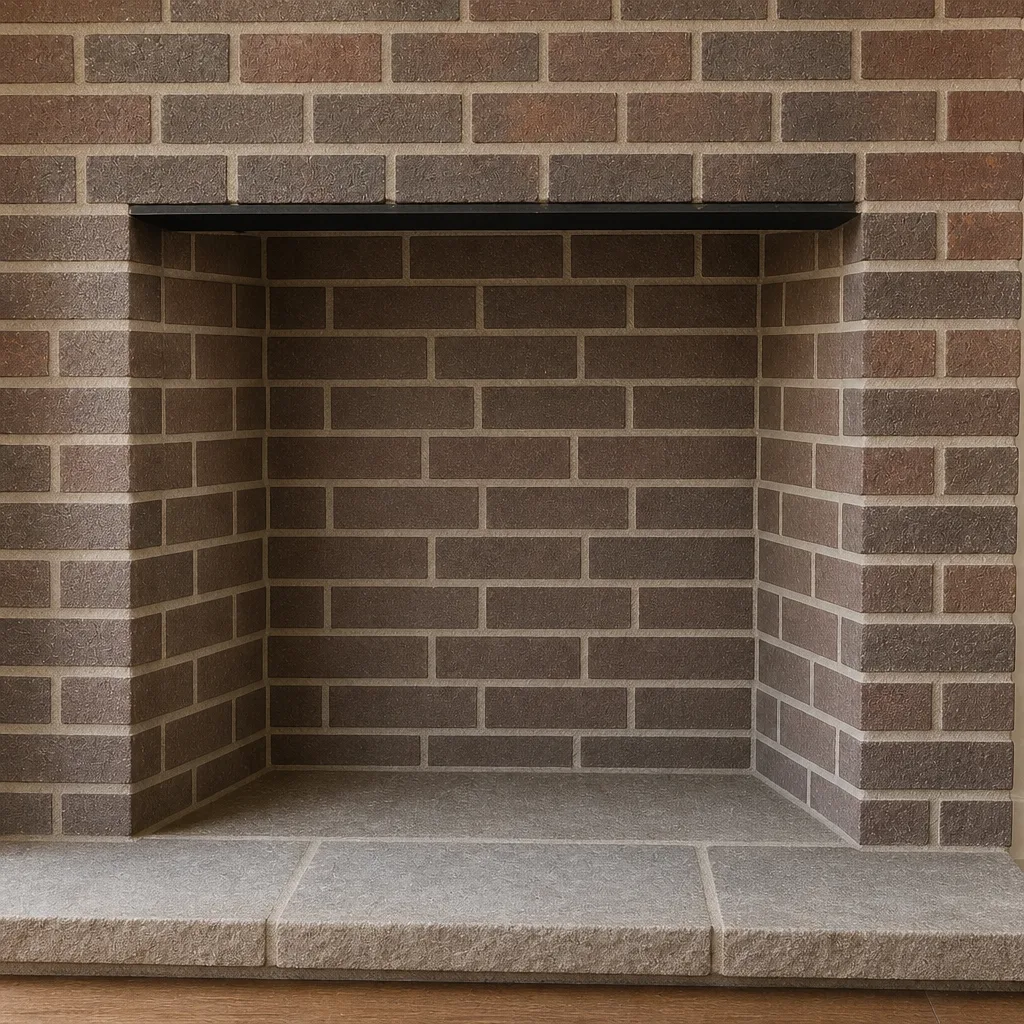
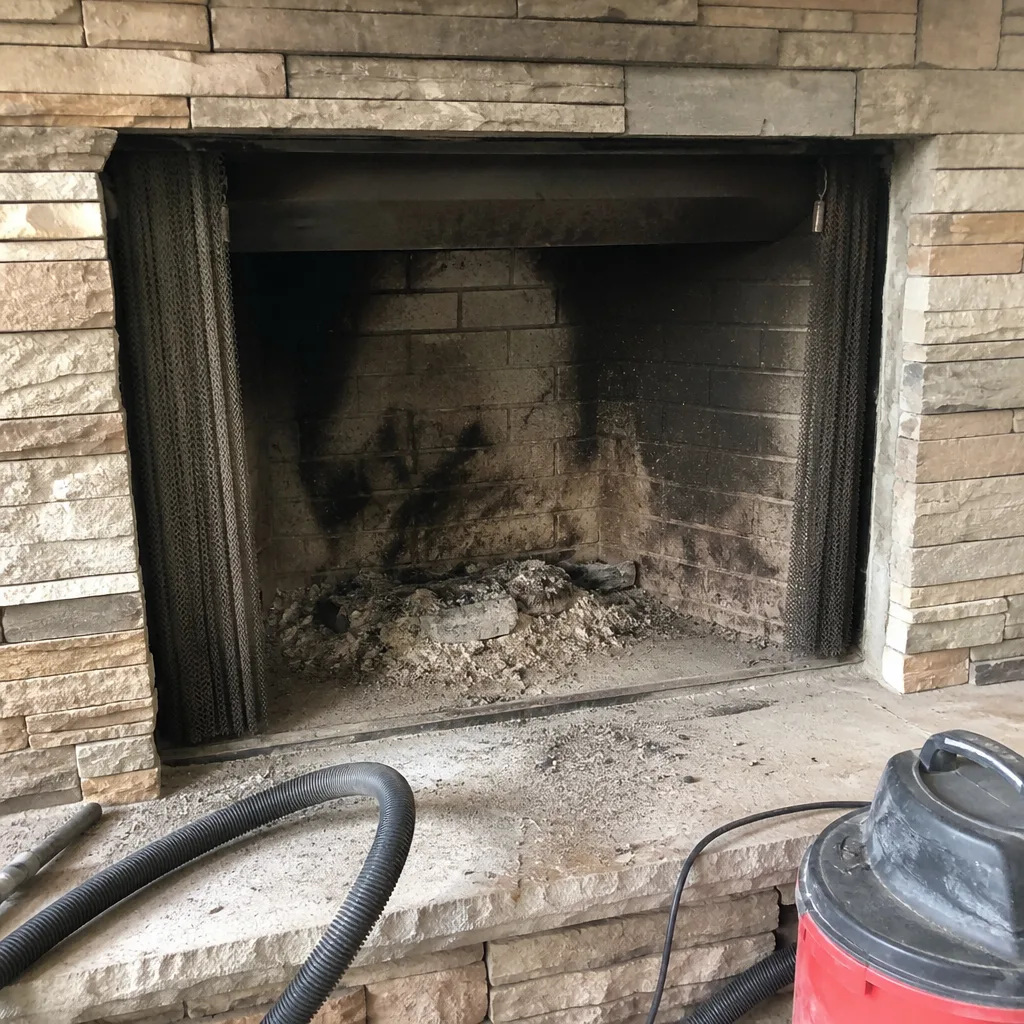
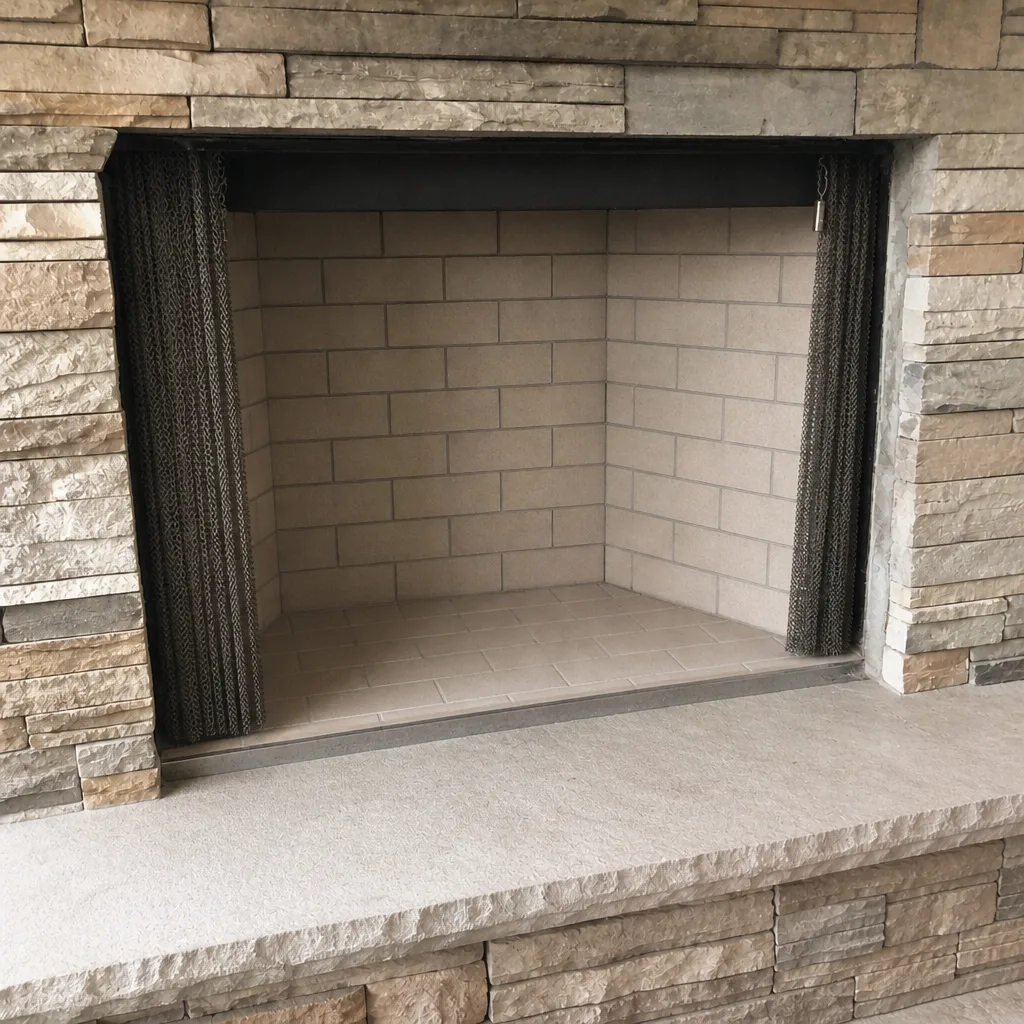
See the difference
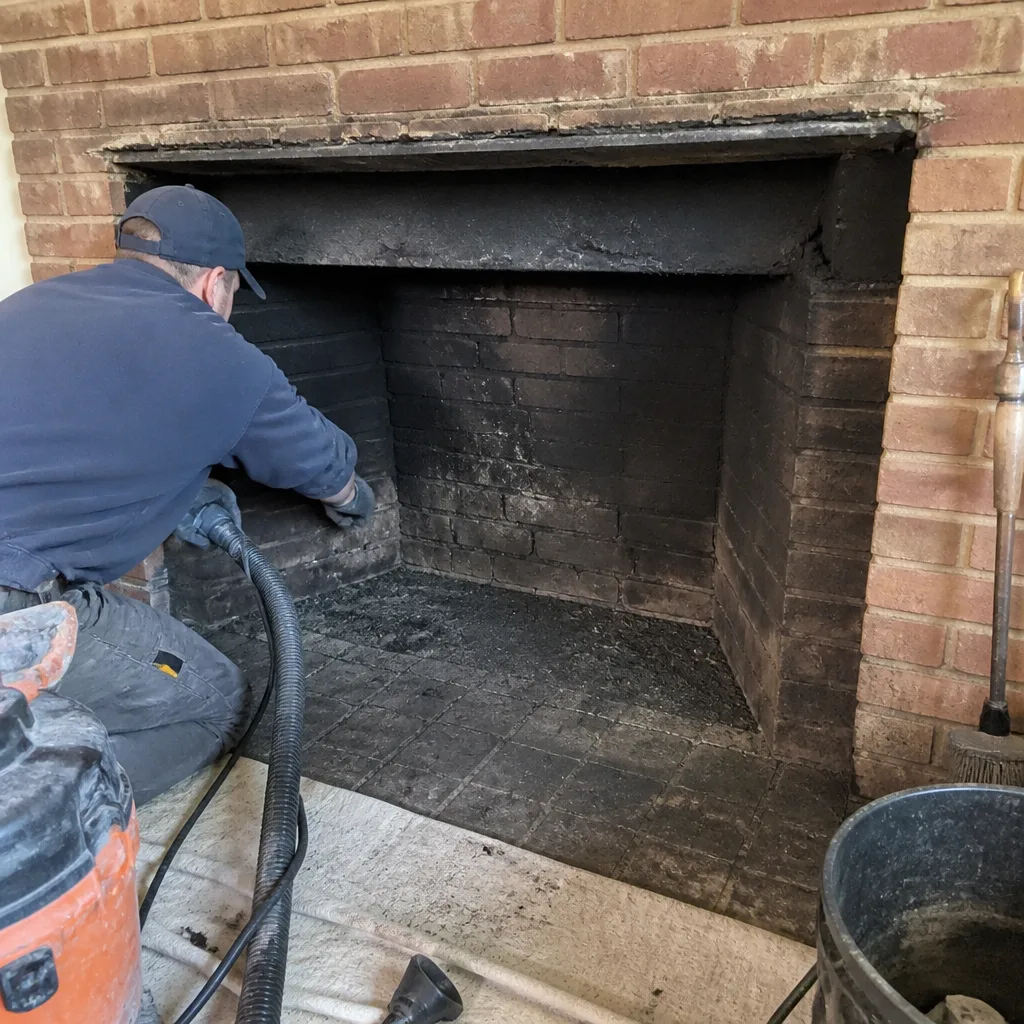 Before
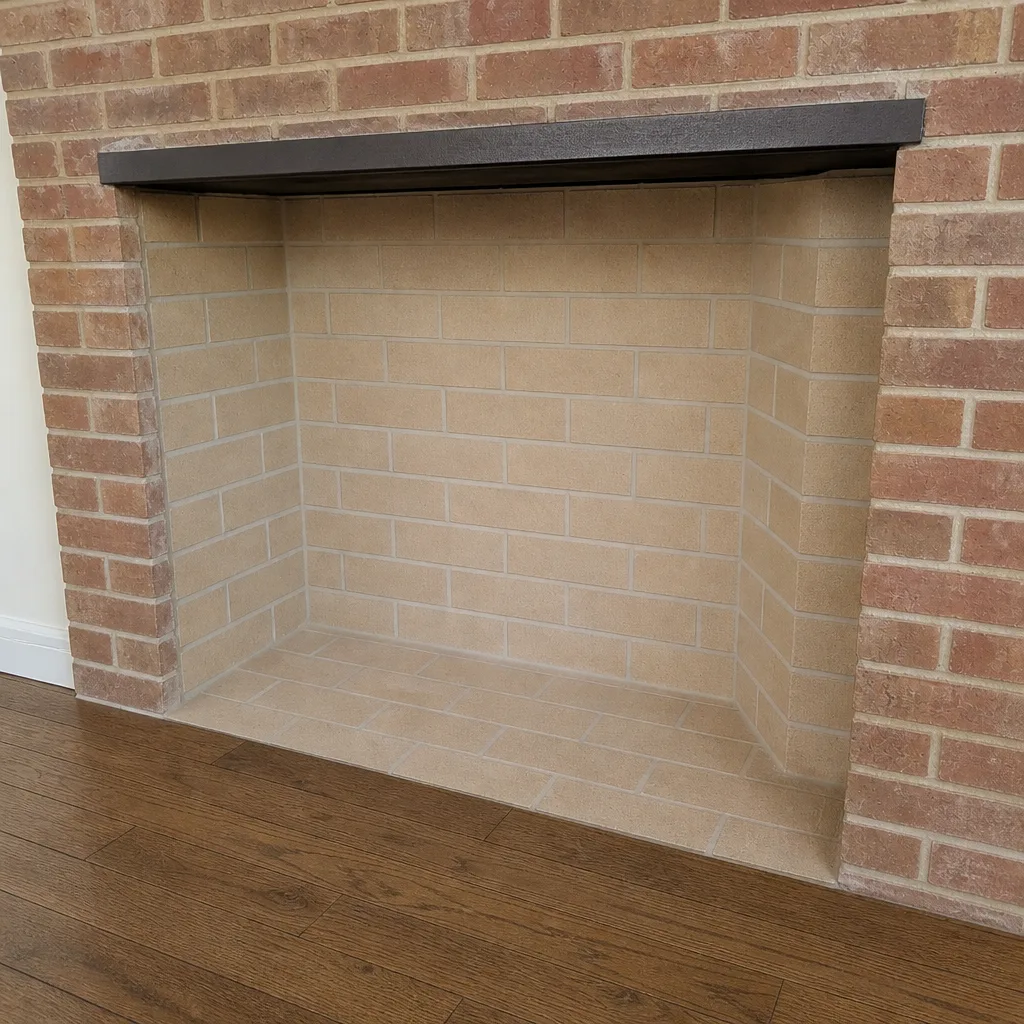 After
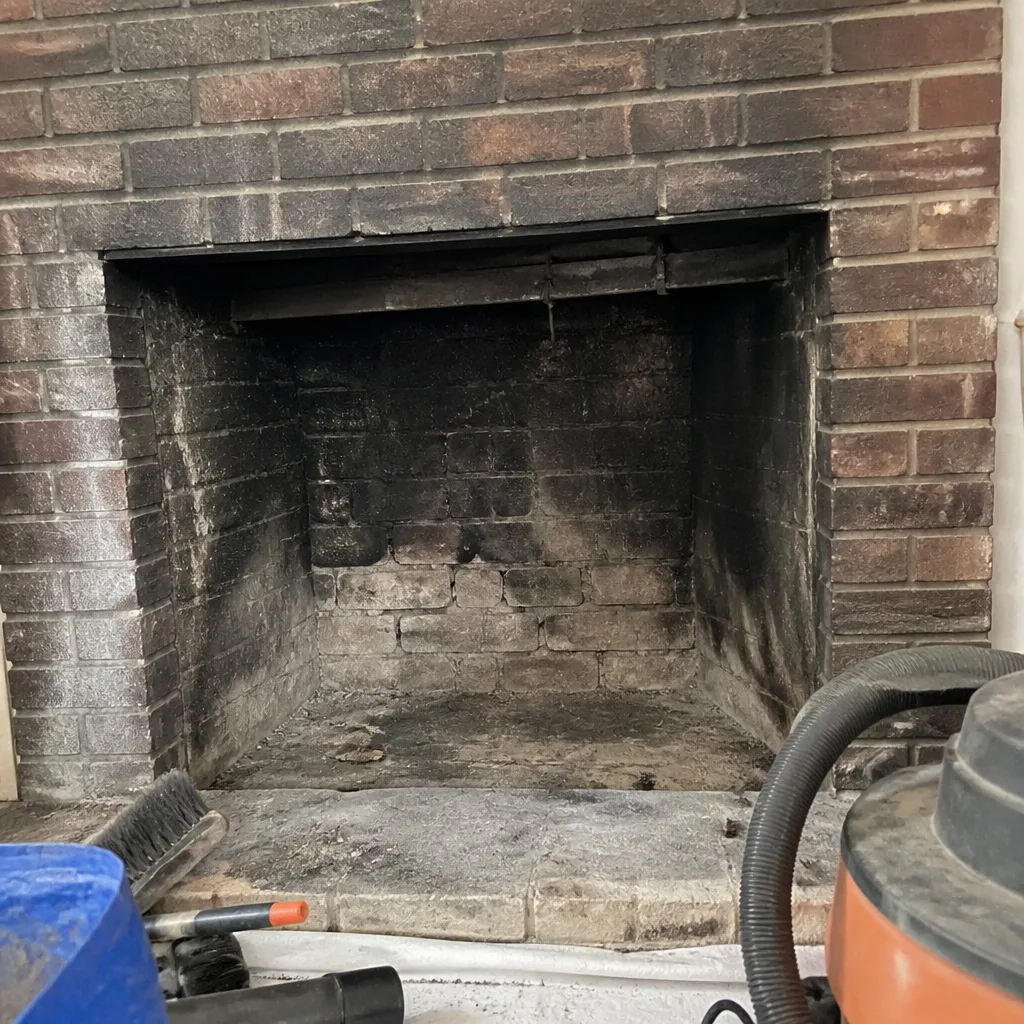 Before
 After
 Before
 After
When to Call a Professional
Some chimney issues look small and aren’t. If you’re seeing staining on the exterior of the chimney, crumbling mortar at the crown, a firebox that smells like creosote even when it hasn’t been used, or smoke that drifts back into the room when you light a fire, get a professional on the phone. If it’s been more than a year since the flue was swept and you’ve been burning wood, book a sweep. If a fire ever burns inside the flue – no matter how briefly – stop using the fireplace and get an inspection before lighting another fire. If you’re renovating a Ridgewood home that has an old chimney of unknown history, book an inspection before any appliance is connected to it. And if you’re on the fence about whether your chimney needs a full set of repairs, a proper inspection tells you the truth, wrapped in a written report you can act on or defer with confidence.
Chimney Sweep Ridgewood offers free estimates in Ridgewood – call (877) 492-3239. We answer 24/7. Fast dispatch from 7am to 7pm, Sunday through Friday. Our technicians have up to 15 years of experience, and we specify professional-grade product lines including HeatShield, DuraFlex, Olympia Chimney, Copperfield, Famco, and Gelco. One company. Every phase. No handoff to a second crew.
Frequently Asked Questions
Ask the contractor for the CSIA certification number before booking, then verify it using the CSIA’s public online lookup on their website. The lookup should show the certification as current, and the name on the lookup should match the person who will actually arrive at your home. If the contractor can’t provide a number, or the number doesn’t resolve in the lookup, treat the “certified” claim as unverified. Call (877) 492-3239 for an exact quote – estimates are free.
Yes. A written inspection report is the record of what was checked, what was found, and what was recommended. If a fire claim is ever filed, that report is the evidence that the chimney was professionally maintained. A contractor who won’t produce written documentation is a contractor who’s leaving you uncovered. Insist on the paper every time, even when the findings are clean. Call (877) 492-3239 for an exact quote – estimates are free.
A chimney specialist works on chimney and fireplace systems to the exclusion of everything else, which means the person knows the codes, the failure patterns, and the products specific to that one system. A general handyman can run a brush down a flue, but is unlikely to evaluate a flue liner, assess a crown, or specify a proper replacement liner when one is needed. For anything beyond a routine sweep, the specialist is the safer call. That’s the entire scope of our business: sweep, inspect, cap and crown, repair, and fireplace repair. Call (877) 492-3239 for an exact quote – estimates are free.
Every estimate should list the flue sweep per flue, firebox and damper cleaning, smoke chamber evaluation, video flue inspection, crown and cap assessment, a written report with photographs, recommendations categorized as urgent, maintenance, or monitor, and a clear statement of what’s not included. If a repair is recommended, the estimate should name the product and specification. Without these line items, two bids can’t be compared honestly. Call (877) 492-3239 for an exact quote – estimates are free.
Yes, always. Ask for a certificate of insurance showing both general liability and workers’ compensation coverage, with you named as certificate holder, and confirm the policy period covers the date of the work. If a worker is injured on your property or something is damaged during the job, the certificate is the document that protects you. Any legitimate chimney contractor will send one without friction. Call (877) 492-3239 for an exact quote – estimates are free.
Rarely. Relining is a real service and sometimes genuinely required, but it should never be pushed on the first visit without evidence you can see. Ask for video footage of the flue interior showing the cracks, gaps, or deterioration. Ask whether the damage can be monitored for a season. A professional will show you the evidence and tell you what can safely wait. A contractor who pressures you to book a four-figure reline on the same visit is showing you their business model. Call (877) 492-3239 for an exact quote – estimates are free.
The Bottom Line
Hiring a chimney cleaning contractor in Ridgewood comes down to verifying three things before the work begins: the CSIA certification of the person on the job, the insurance coverage the company carries, and the written documentation you’ll receive afterward. Everything else – price, availability, scheduling – is secondary to those three. Get itemized estimates so you can compare scope, ask to see the certificate of insurance before the visit, require a written report as a standard deliverable, and treat a hard reline upsell on the first visit as the beginning of a second opinion, not the end of the conversation. A contractor who welcomes those questions is the one to hire.
If we can be that contractor, we’d like the chance to earn it. Chimney Sweep Ridgewood offers free estimates and handles every phase of the job – sweep, inspect, cap and crown, repair, and fireplace repair – as a single company. We work with professional-grade product lines including HeatShield and DuraFlex, and we specify the right product for the job rather than the cheapest one available. Call (877) 492-3239. We answer 24/7. Fast dispatch from 7am to 7pm, Sunday through Friday.
Written by the team at Chimney Sweep Ridgewood.