
Last updated November 25, 2026
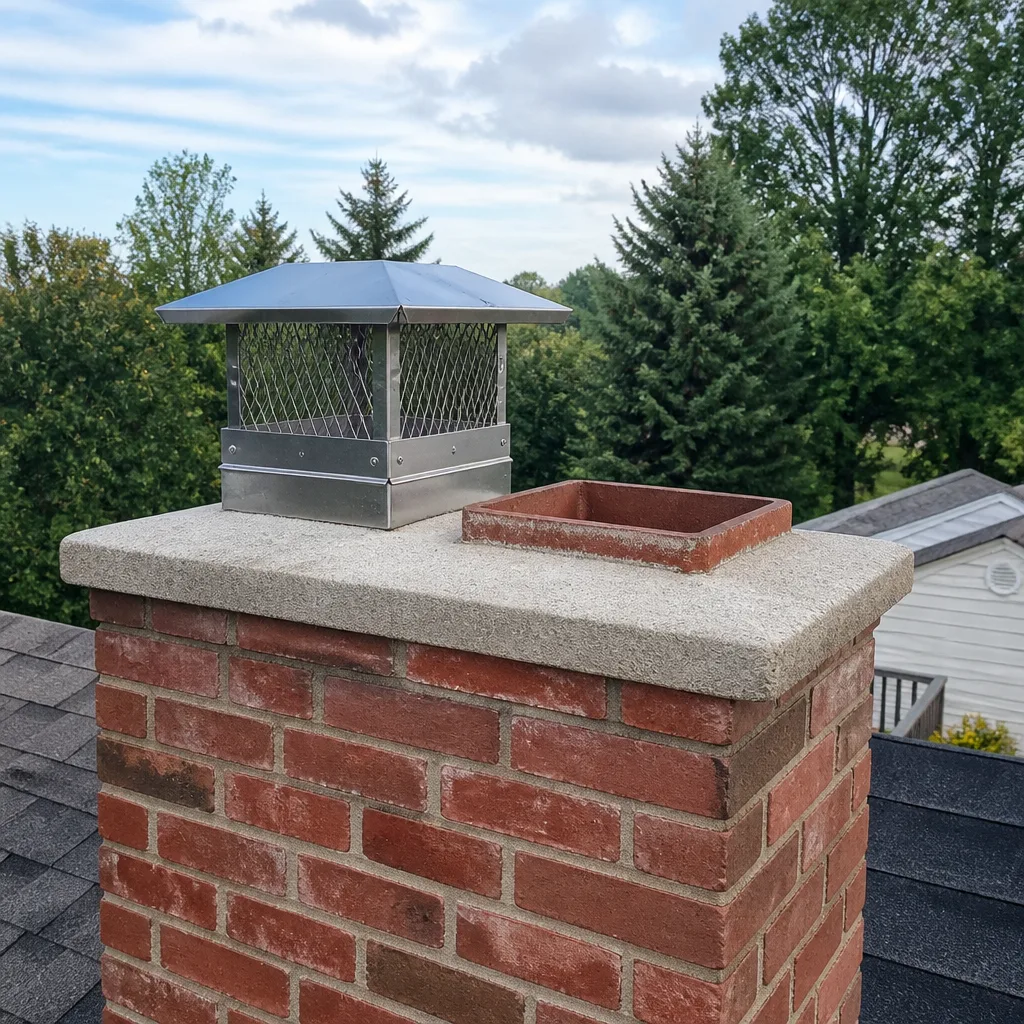 Sweep & inspection
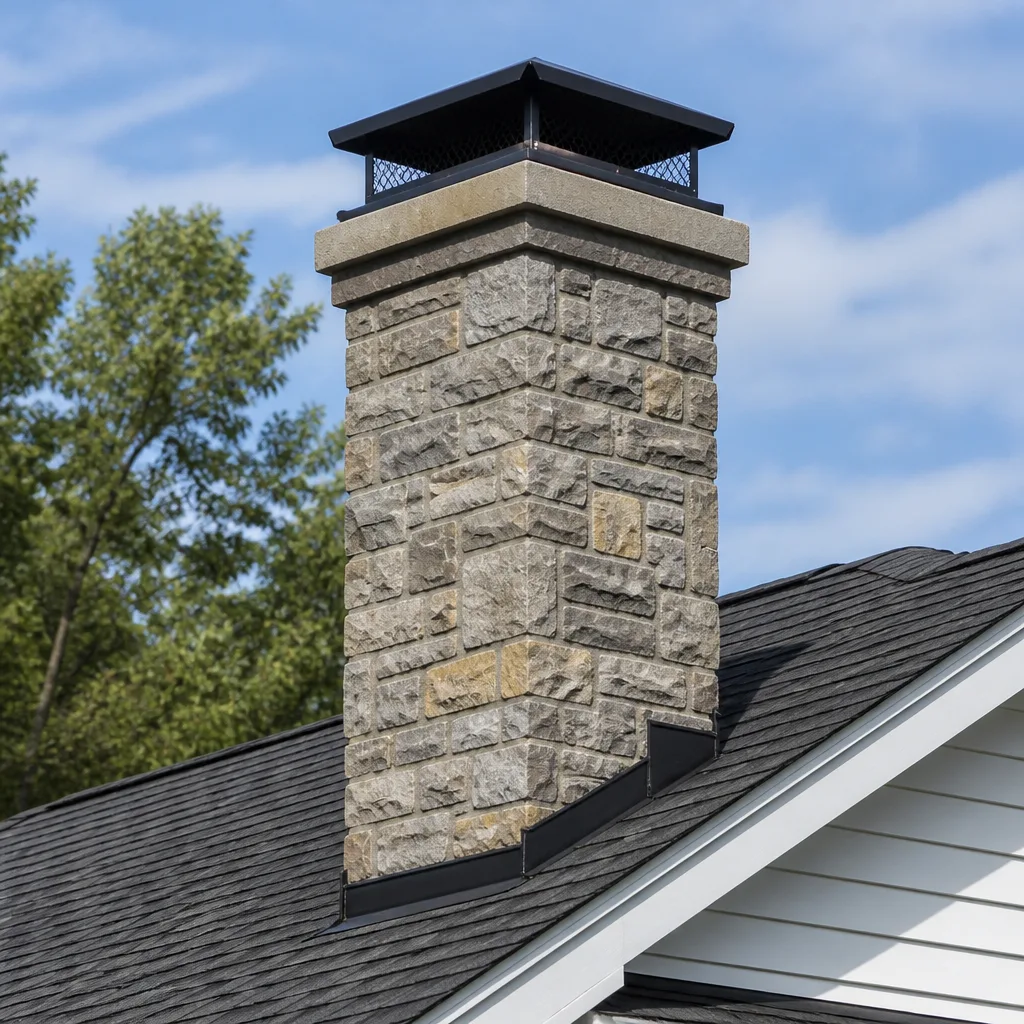 Caps & crowns
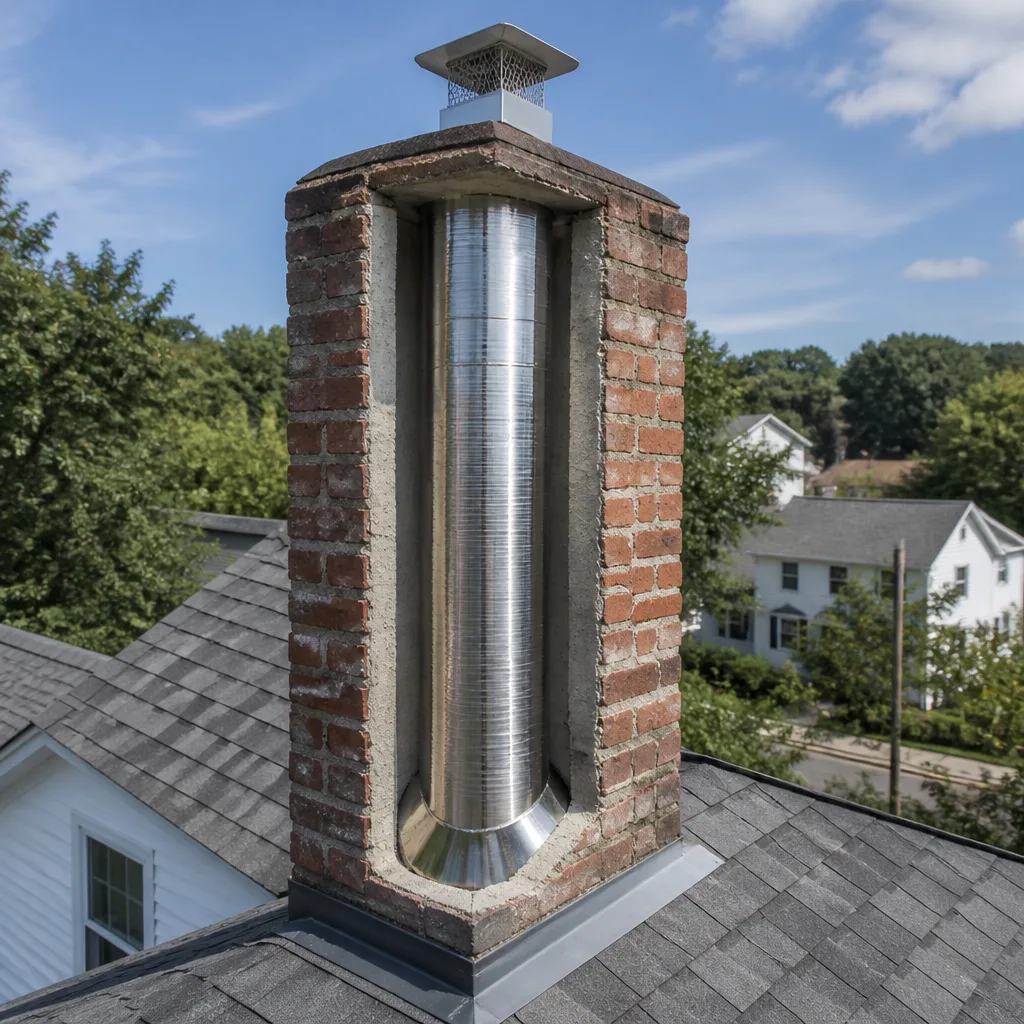 Flue relining
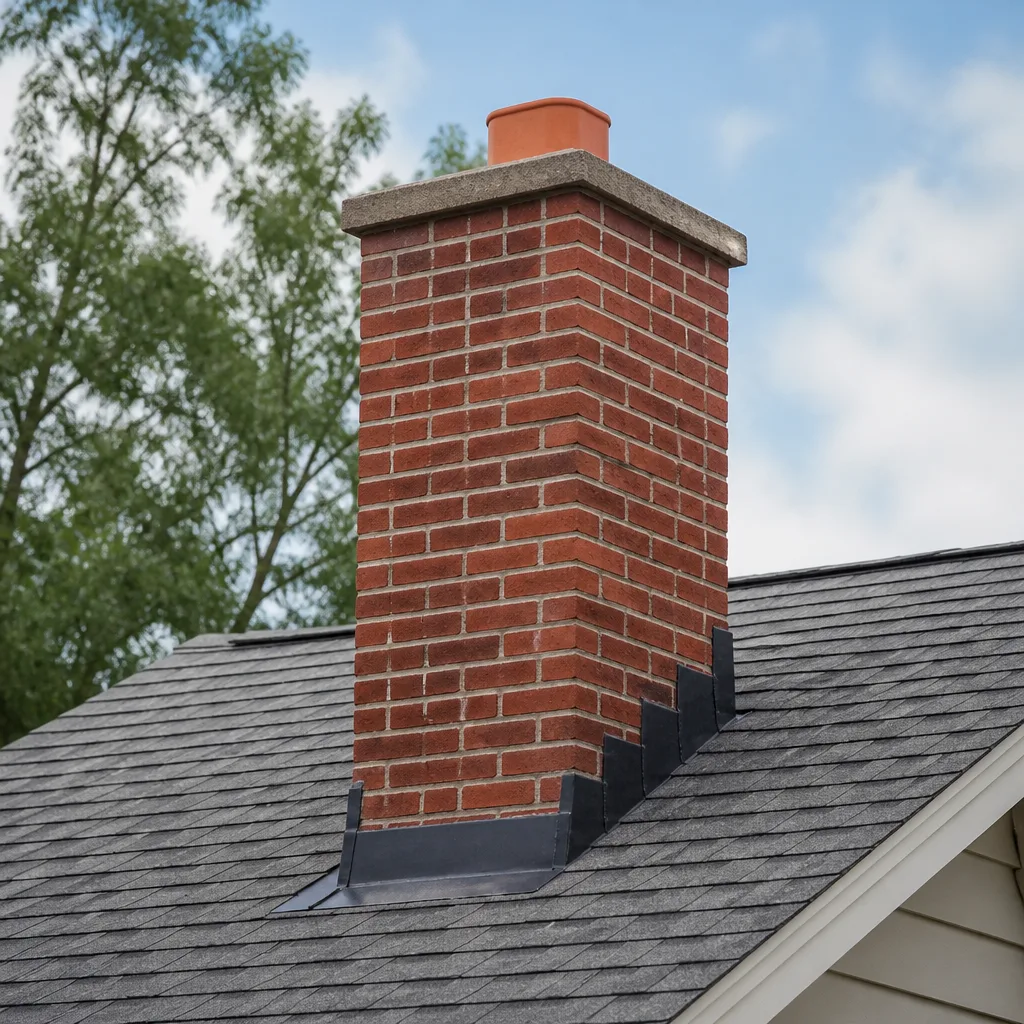 Masonry repair
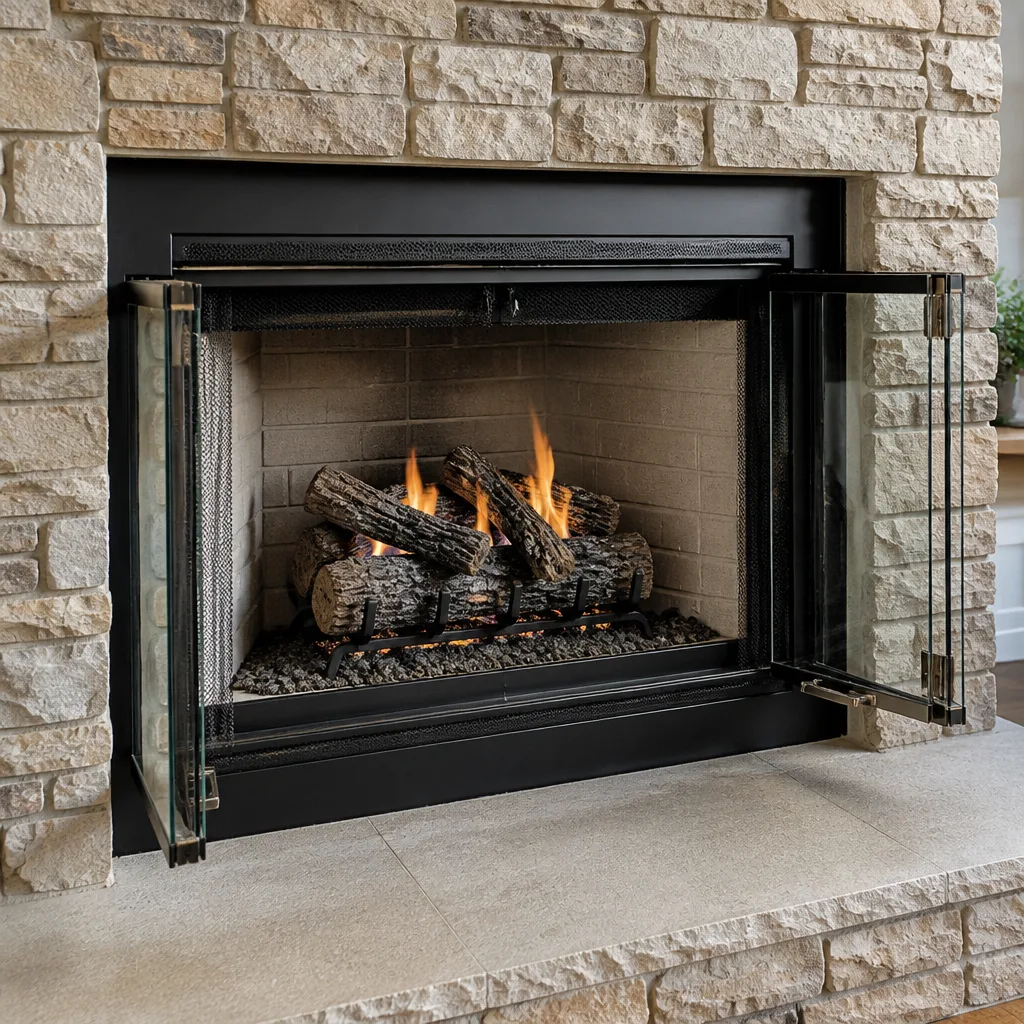 Gas fireplace service
Level 1 sweep and inspection to the NFPA 211 annual standard - flue, crown, cap, and flashing checked and photographed
Chimney sweep logs do not sweep chimneys. They loosen some creosote - which then falls where a brush and vacuum still have to collect it.
Chimney Cleaning Warning Signs: A Ridgewood Homeowner’s Reference Guide
Most people assume a chimney tells you when it’s in trouble with smoke rolling into the room or a fire that won’t draw. In our experience, the loud signals are the late ones. The early warnings are quieter: a petroleum smell in the living room on a muggy July afternoon, a faint gray shadow spreading across the fireplace surround, a rust streak on the crown that wasn’t there last spring. In Ridgewood, where so many homes run an open fireplace or a wood stove through a real winter, those small clues stack up for years before anyone calls. This guide maps each warning sign to what it usually means, which ones can wait, and which need a sweep sooner rather than later.
Quick Answer
The most reliable chimney cleaning warning signs in Ridgewood are odor (petroleum, campfire, or sulfur, each pointing to a different cause), staining on the fireplace surround or exterior brick, rust on the crown or cap, draft problems that start without warning, and soot at the flue collar on gas appliances. Any one of these means the flue should be looked at by a specialist before the next burning season, not after.
Styles & brands we work with
- Sweep & inspection
- Caps & crowns
- Flue relining
- Masonry repair
- Gas fireplace service
Table of Contents
- What Your Chimney’s Smell Is Telling You
- Visual Warning Signs You Can Read From Inside the House
- Exterior Clues: Efflorescence, Rust, and Crumbling Mortar
- Draft Problems Decoded: Structural Versus Appliance Causes
- Warning Signs Specific to Gas-Vented Chimneys
- How to Document Warning Signs Before a Sweep Arrives
- How Often a Ridgewood Chimney Really Needs Cleaning
- Common Mistakes to Avoid
What Your Chimney’s Smell Is Telling You
A strong fireplace smell on a humid summer day, with no fire burning, is not a seasonal quirk. It’s usually heavy creosote buildup in the flue or a damper that no longer seals, and those two causes get confused constantly. Ridgewood’s summer humidity pulls cool, damp air down an unused flue, and whatever is coating the inside of that flue comes with it. The smell is the chimney’s way of telling you what’s in there.
Different odors point to different problems, and the urgency isn’t the same for each:
- Petroleum or kerosene smell. This is the signature of creosote, particularly the glazed, tar-like stage that forms when a fire burns cool and smolders. It’s the most serious of the three because glazed creosote is the fuel that feeds a chimney fire. A petroleum smell means the flue needs a sweep and an inspection, and it shouldn’t wait for fall.
- Campfire or smoky-wood smell. This is usually milder: normal soot and light creosote, plus a bit of ash. It often shows up in spring and early summer after a full heating season. It’s a signal to book a cleaning, but it’s rarely an emergency on its own.
- Sulfur or rotten-egg smell. A sulfur smell is a gas-appliance clue, not a wood-burning one. It can mean a venting problem, a blocked flue, or a byproduct of combustion that isn’t escaping the way it should. Treat it as urgent and get the appliance and its vent checked by a qualified technician before you run it again.
There’s a fourth pattern worth knowing: a smell that only appears when it rains. That usually points to a missing or damaged chimney cap & crown, which lets water straight into the flue. Water and creosote together create a sharp, sour odor that’s easy to mistake for something else. If the smell tracks the weather, look up before you look anywhere else.
Visual Warning Signs You Can Read From Inside the House
The inside of your home shows more than most people realize, and you don’t need a ladder to catch the early ones. Staining on the fireplace surround is the clearest internal clue. A dark, smoky halo that spreads outward from the firebox opening usually means smoke has been spilling back into the room, even in small amounts you didn’t notice. A lighter, powdery white stain on the masonry around the firebox is a different story: it’s often moisture migrating through the brick, which points to a water problem higher up.
Here’s what to look at, and what each pattern tends to mean:
- The firebox walls. Look for cracked or spalling firebrick. Hairline cracks are common and often harmless; crumbling or displaced brick is not, and it lets heat reach parts of the structure that were never meant to take it.
- The damper. Open and close it by hand. It should move cleanly and seal flat. A damper that sticks, sags, or leaves a visible gap is a draft and smell problem in one.
- The surround and hearth. Dark staining near the top of the opening, or a shadow that wasn’t there a year ago, points to chronic smoke spillage. That’s a draft issue, not a cosmetic one.
- The ceiling above the hearth. Discoloration on the ceiling or the wall above the mantel is the one sign you never ignore. It can indicate heat or smoke escaping where it shouldn’t.
- The ash pit door and cleanout. If your fireplace has one, check that the door seals and the pit isn’t packed with ash. A full ash pit cuts airflow and makes everything burn dirtier.
None of these require tools. A flashlight and five minutes in the living room will tell you more than a season of guessing. If you see dark staining combined with a petroleum smell, that’s the pair that gets a chimney sweep scheduled first.
Exterior Clues: Efflorescence, Rust, and Crumbling Mortar
Walk outside and look up at the chimney stack once a season. The exterior tells a story that the inside can’t, and Ridgewood’s freeze-thaw winters push masonry harder than most homeowners expect. Water gets into brick and mortar, freezes overnight, expands, and works the joints loose a little more each winter. That cycle is the root of most structural chimney problems here, and it shows up in three specific ways.
- Efflorescence. That white, chalky powder on the brick is salt pushed to the surface as moisture moves through the masonry and evaporates. It means water is getting in and finding its way out. It’s not damage by itself, but it’s a reliable early warning that the crown, cap, or flashing is letting water through.
- Rust streaks on the crown or cap. Rust runs are almost always a sign that a metal component is failing: a cap that’s rusted through, flashing that’s pulled loose, or fasteners that have corroded. Rust streaks on the crown point to water sitting where it shouldn’t, and standing water on a crown is what eventually cracks it.
- Crumbling mortar and spalling brick. When mortar joints recede or brick faces flake off, the chimney is losing its weather skin. Left alone, that’s how a chimney starts leaning or pulling away from the roofline.
One more exterior check: look at the crown itself, the concrete cap on top of the stack. A hairline crack is common and usually manageable. A crack you can slide a coin into, or a crown that’s separated from the flue tile, means water is going straight down the inside of the chimney. That’s the single most common cause of the interior staining and odors homeowners notice months later. Our technicians have up to 15 years of experience reading exactly this kind of damage, and the fix usually starts with a proper cap and crown evaluation rather than a full rebuild.
Draft Problems Decoded: Structural Versus Appliance Causes
Smoke entering the room is the warning sign people act on fastest, and it’s also the one most often blamed on the wrong thing. In our experience, a drafting problem is either structural (something about the chimney itself) or a matter of appliance interference (something else in the house competing for air). Telling them apart changes the fix completely.
Structural causes live inside the chimney system:
- A flue that’s too short for the appliance, or one that’s undersized for the firebox opening.
- A blocked or partially blocked flue from creosote, nests, or debris.
- Cracks or gaps in the flue liner that let air in and disrupt the upward pull.
- A missing cap that lets wind and rain straight into the flue.
- Negative pressure from a house that’s tighter than the chimney was designed for.
Appliance interference is different. A strong kitchen exhaust fan, a bathroom fan, or a dryer running at the same time can pull more air out of the house than the chimney can replace, and the chimney loses the tug-of-war. A gas water heater or furnace sharing the same flue as the fireplace makes it worse. If smoke only spills when something else in the house is running, that’s the clue.
Here’s the sequence that sorts it out in practice:
- Note when the problem happens: on every fire, or only when another appliance runs.
- Check that the damper is fully open before lighting.
- Look for a visible flue blockage or a damaged cap from the ground.
- Get an inspection with a camera so the flue is seen, not guessed at.
A crack in the flue liner is a genuine safety concern, not a nuisance. It lets heat and combustion gases reach the surrounding structure, so we always recommend a trained professional assess it rather than working around it. We handle chimney repair for exactly these cases, and HeatShield ceramic resurfacing lets us restore a deteriorated liner without tearing the chimney down.
Warning Signs Specific to Gas-Vented Chimneys
Wood-burning checklists leave gas appliance owners with a blind spot. A gas vented chimney doesn’t produce creosote the way wood does, so the usual warning signs don’t apply. Instead, the clues show up as soot or discoloration at the flue collar, pilot light outages, condensation, and a vent connector that looks worse than it should. If your home runs a gas fireplace, furnace, or water heater that vents through the chimney, these are the signs to watch.
- Soot or black residue at the flue collar. Soot where the vent connector meets the chimney means combustion isn’t clean and isn’t venting properly. It’s a draft and combustion-air problem rolled into one.
- Repeated pilot outages. A pilot that keeps going out, especially on windy days, can mean the vent is backdrafting or the flue is blocked. Don’t relight it over and over; get the vent checked.
- Condensation or moisture on the vent pipe. Gas appliance flues produce water vapor. If that moisture is condensing on the pipe or running back, the vent is too cool or sized wrong.
- A rusted or loose vent connector. The connection between the appliance and the chimney is a common failure point. A loose joint can leak combustion gases into the room.
- A sulfur smell when the appliance runs. As noted earlier, this is a gas clue and a reason to stop using the appliance until it’s checked.
Carbon monoxide is the reason this section matters. A gas vent that’s blocked or backdrafting can push combustion gases into the home, and you can’t see or smell carbon monoxide reliably. If you notice any of the signs above, treat it as a reason to have a trained technician inspect the vent before you run the appliance again. The parts we specify, including connectors and caps from Olympia Chimney, Gelco, and Famco, are chosen for exactly this kind of venting reliability.
How to Document Warning Signs Before a Sweep Arrives
A short, organized record of what you’ve noticed makes a sweep faster and more accurate, and it saves you from paying for guesswork the technician has to reconstruct on site. You don’t need to diagnose anything, and you shouldn’t try to. Your job is to document, not to repair. Here’s the approach that works best.
- Photograph the interior. Take a wide shot and a close-up of the firebox, damper, surround, and the ceiling above the hearth. Include something for scale, like a coin or a tape measure, next to any crack or stain.
- Photograph the exterior. Walk back far enough to get the whole stack in the frame, then zoom in on the crown, cap, and the flashing where the chimney meets the roof. A clear photo of efflorescence or rust streaks tells the technician more than a description.
- Write down the odor pattern. Note which smell, when it appears, and whether it tracks rain, humidity, or a running appliance. That single note often narrows the diagnosis before anyone climbs a ladder.
- Log the draft behavior. Record when smoke spills: every fire, or only with the kitchen fan on. Note any pilot outages and the weather on those days.
- Note when the flue was last cleaned. If you don’t know, say so. That’s a useful fact in itself.
Bring the photos and notes to the appointment. A technician with your record in hand can inspect the right places first instead of sweeping the whole system blindly. We include a camera inspection and a photo report so you can see what we see, which means you don’t have to take anyone’s word for what’s happening inside the flue. Full-system coverage is one of the reasons homeowners come to Chimney Sweep Ridgewood: sweeping, inspection, caps, crowns, and repair all under one roof, so the documented problem and the fix don’t get handed off to a second company.
How Often a Ridgewood Chimney Really Needs Cleaning
There’s no single answer that fits every Ridgewood home, and anyone who quotes one number hasn’t looked at your firebox. The honest rule is that cleaning frequency depends on how much you burn, what you burn, and how the appliance is vented. A fireplace used a few times a month during winter needs attention far less often than a wood stove that runs daily through the cold season.
What actually drives the schedule:
- How often you burn. Regular burning builds creosote faster than occasional use. A rough rule: heavy use means an annual cleaning, light use means a check every year with cleaning as needed.
- What you burn. Seasoned, dry wood burns hot and leaves less creosote. Wet or green wood smolders, and smoldering is what produces the glazed, dangerous stage.
- Fire behavior. A fire that’s hard to start, smokes heavily, or doesn’t produce much heat is burning cool, and cool fires coat the flue.
- Buildup you can see. A quarter-inch of soot in the firebox is a sign to get the flue checked now, not at the end of the season.
- Appliance type. Gas appliances need venting checks rather than creosote cleaning, but the vent still needs inspection.
In our experience, the safest approach for a Ridgewood home is an annual inspection, with cleaning scheduled whenever the inspection shows buildup. That way you’re never paying for a sweep you don’t need, and you’re never skipping one you do. An inspection is a service in its own right, not an upsell, and it tells you exactly what your system needs and nothing more.
Common Mistakes to Avoid
- Burning wet wood to save money. Green or unseasoned wood smolders and coats the flue with the glazed creosote that fuels chimney fires. Dry, seasoned wood burns hotter, cleaner, and leaves far less behind.
- Ignoring a summer smell. Lots of homeowners in Ridgewood write off a humid-day fireplace smell as normal for an old house. It usually means creosote buildup or a failed damper seal, and it only gets worse over the summer.
- Treating a gas vent like a wood flue. A gas appliance doesn’t leave creosote, so a standard cleaning log doesn’t track its real risks. Soot at the flue collar, pilot outages, and condensation are the gas-specific clues to watch.
- Painting over interior stains. Covering a smoky halo on the surround hides the evidence without fixing the cause. Staining recurs because the draft problem or the flue damage is still there.
- Skipping the exterior inspection. Efflorescence, rust on the crown, and crumbling mortar start small and are easy to miss from the ground. A yearly look at the stack catches water damage while it’s still a small repair.
- Patching a cracked flue liner instead of resurfacing it. A failed liner lets heat and gases reach the structure. Resurfacing with HeatShield restores it properly without a full rebuild; a patch only delays the problem.
- Hiring a general handyman for chimney work. Chimney systems have their own codes, venting rules, and product lines. A specialist handles the sweep, the inspection, and the repair, so you’re not coordinating three trades for one problem.
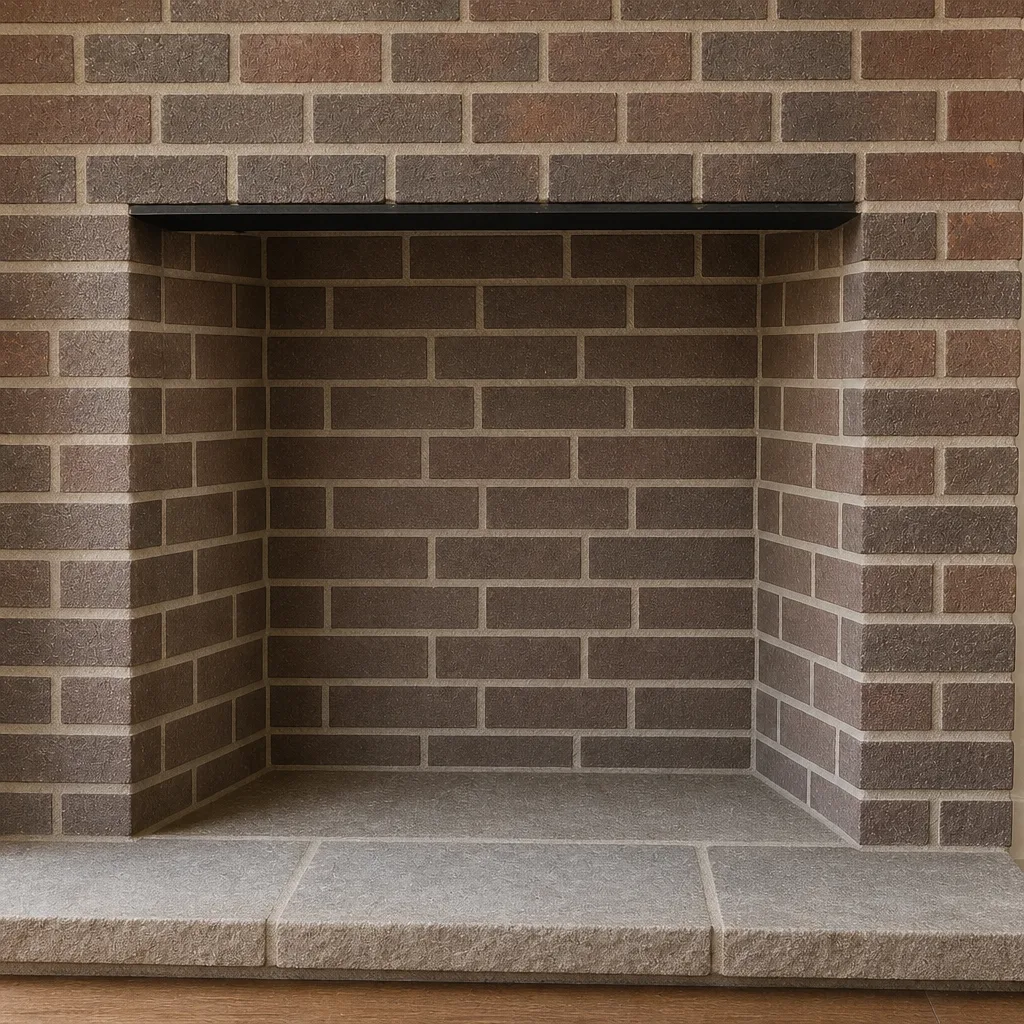
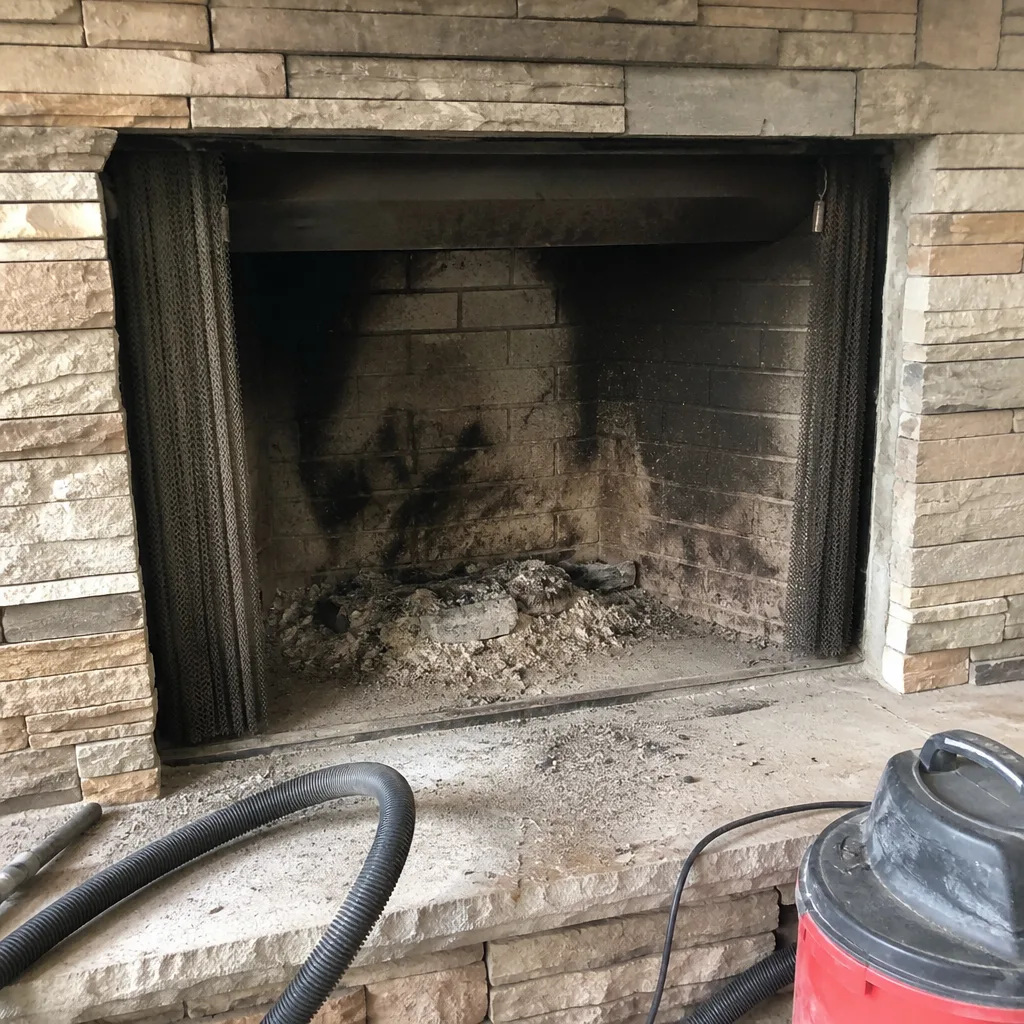
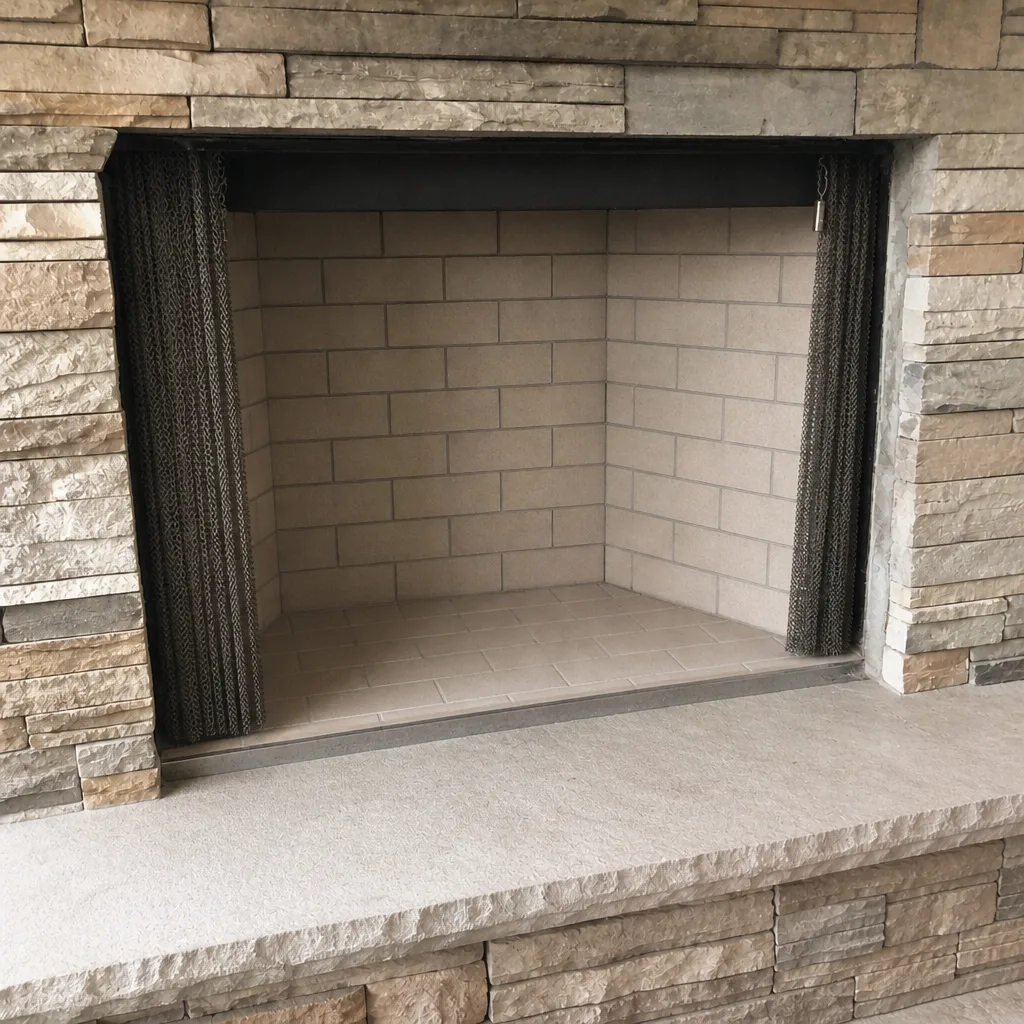
See the difference
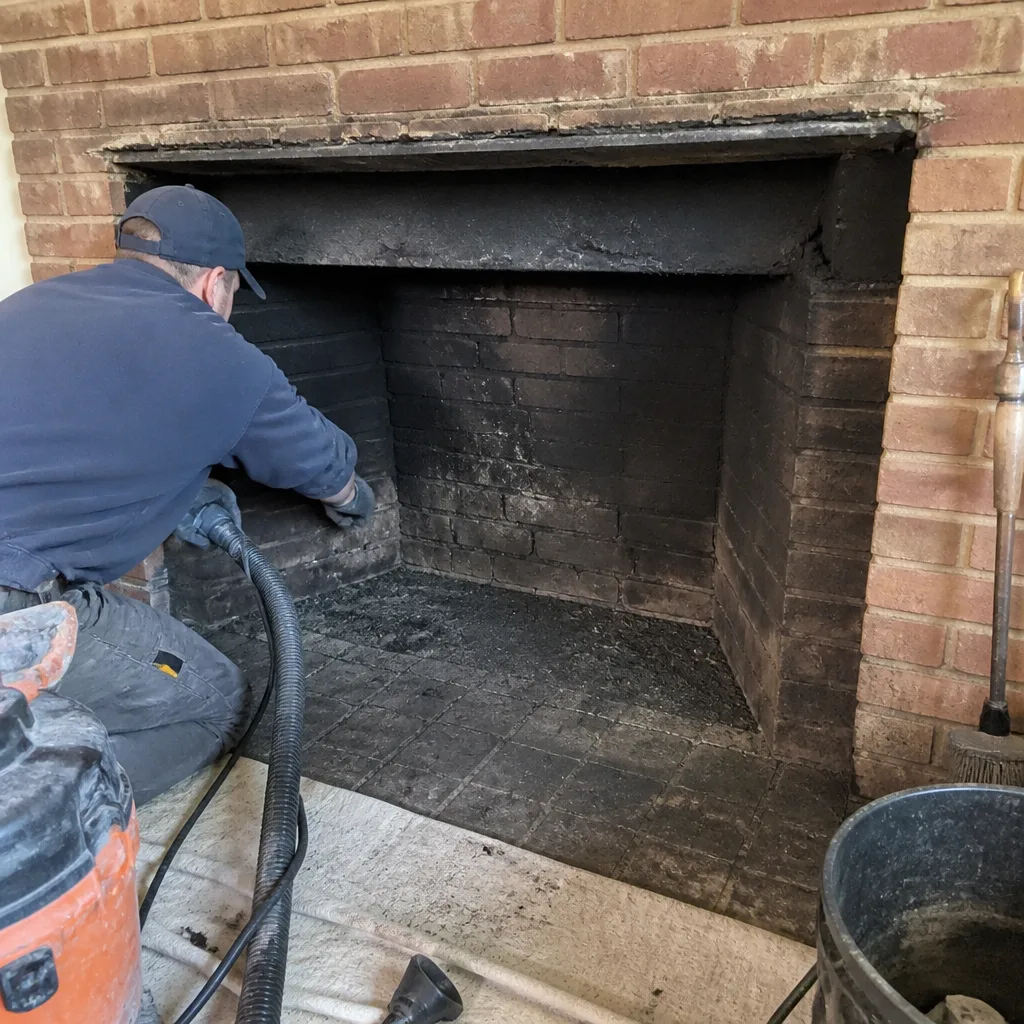 Before
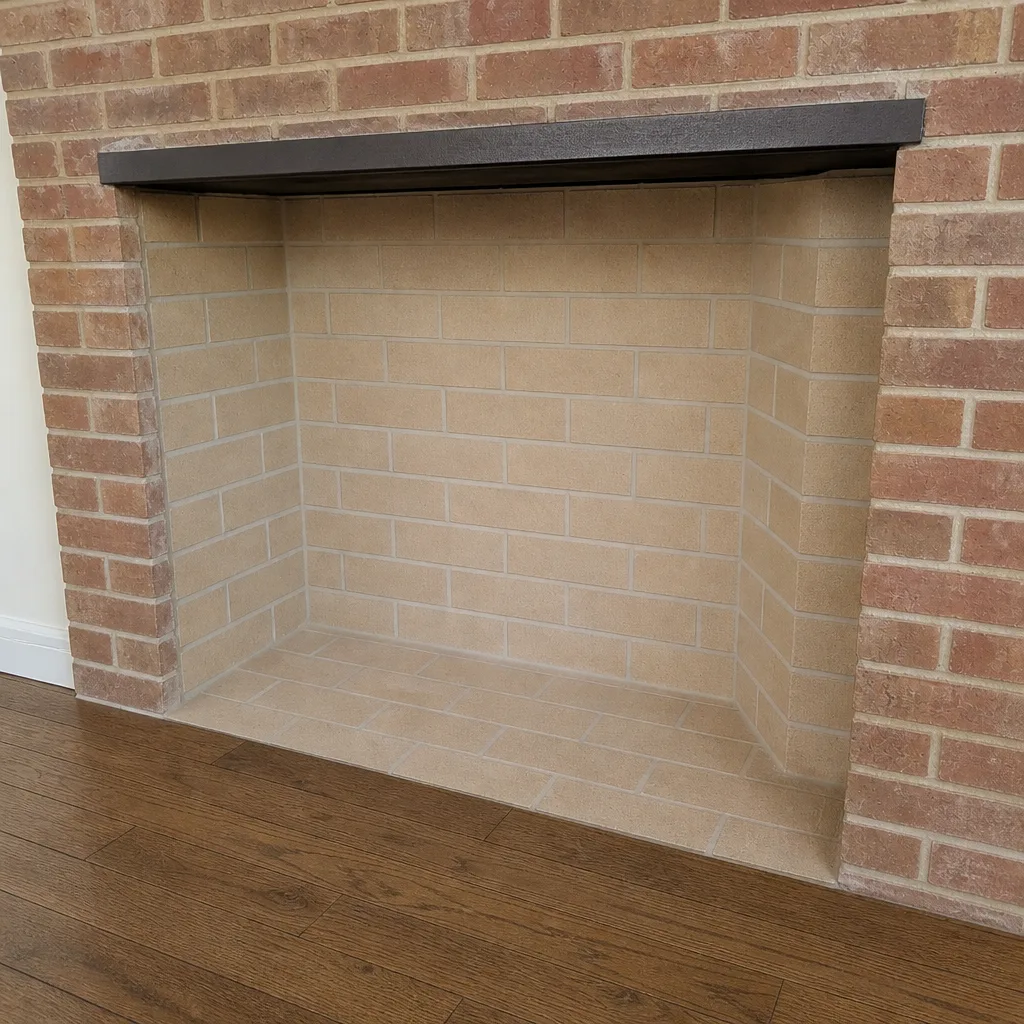 After
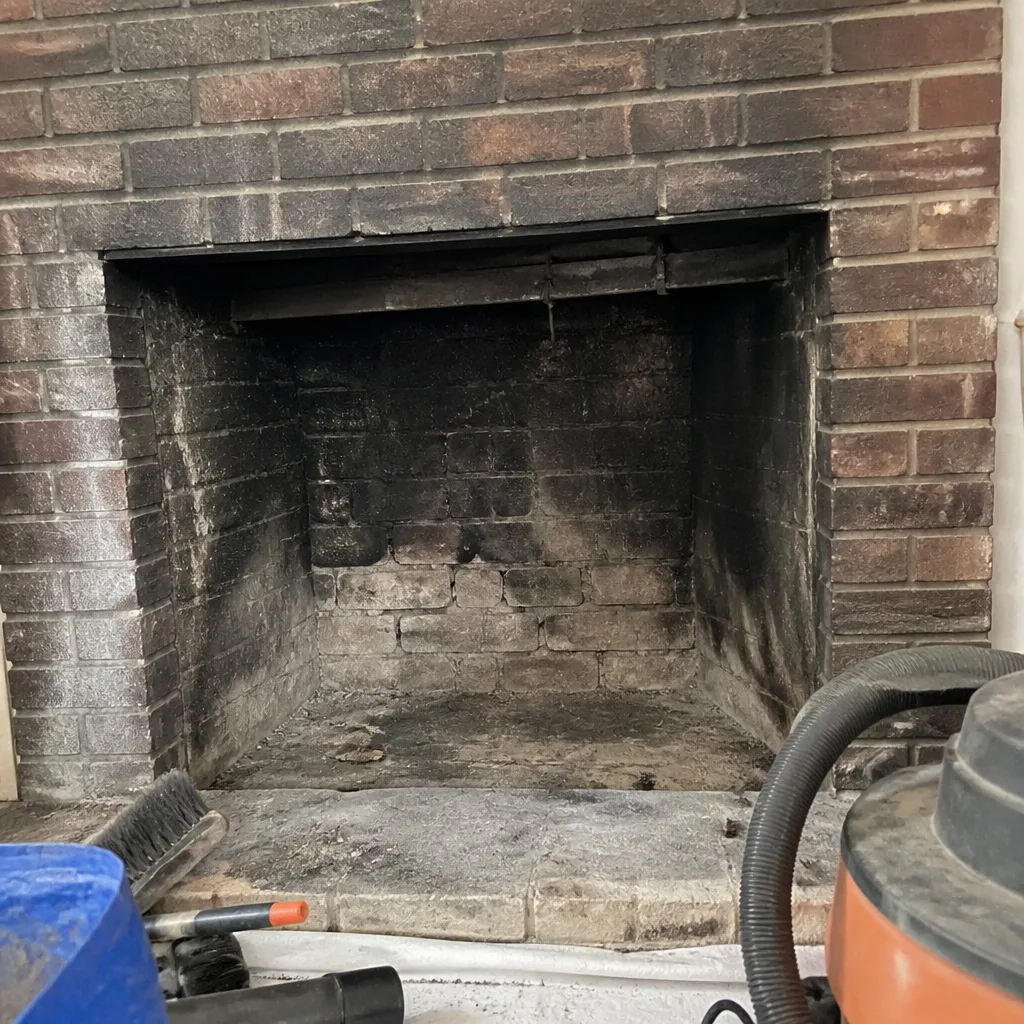 Before
 After
 Before
 After
When to Call a Professional
Some warning signs genuinely can wait for the next appointment. A faint campfire smell after a long winter, or a bit of soot in the firebox, is a routine cleaning trigger. Others shouldn’t wait. A petroleum smell on a warm day, smoke spilling into the room, dark staining on the ceiling above the hearth, a sulfur smell from a gas appliance, or a crown crack wide enough to hold water all call for a specialist visit before the next fire. The same goes for a pilot that keeps going out or a flue you know hasn’t been touched in years. If you’re unsure which category you’re in, that’s exactly what an inspection is for. Chimney Sweep Ridgewood offers free estimates in Ridgewood, call (877) 492-3239 and we’ll help you sort the urgent from the routine.
Frequently Asked Questions
An odor, especially a petroleum smell on a humid day with no fire burning. It points to creosote buildup or a damper that no longer seals, and it’s usually the earliest signal homeowners notice.
It’s not normal, and it usually does mean the chimney needs attention. Damp summer air pulls odors up from creosote or a leaky damper, so a smell that appears with the weather is a reason to book a sweep and inspection rather than wait.
There’s no single number, but an annual inspection is the reliable starting point. Cleaning is then scheduled whenever the inspection shows buildup, which for a daily-burning wood stove is usually once a year and for a lightly used fireplace less often. In our experience, scheduled inspections catch most problems while they’re still small.
We give an exact price in a written estimate before any work begins, based on what the sweep actually involves. The estimate is free and sets the final price, so there are no surprises later. Call (877) 492-3239 for an exact quote.
Rust streaks usually mean water is sitting where it shouldn’t, which leads to a cracked crown or failed flashing. Standing water on a crown is the most common path to masonry damage, and it’s a reason to get the exterior looked at before the next freeze-thaw cycle.
Yes. Gas appliances don’t build creosote, so the warning signs are different: soot at the flue collar, repeated pilot outages, condensation on the vent, and a loose connector. Any of these is a reason to have the vent inspected by a trained technician before the appliance runs again.
The Bottom Line
The dangerous chimney problems in Ridgewood homes rarely start with flames. They start with a smell that shows up with the weather, a stain that spreads across the surround, rust on the crown, or a pilot that keeps going out. Each one maps to a specific cause, and most are cheap to fix while they’re small and expensive to fix once they’re structural. Read the odor, check the exterior each season, document what you find, and let an inspection tell you what’s actually needed. One company can handle the sweep, the chimney cap & crown, and any repair, which keeps the diagnosis and the fix together.
If you’ve spotted any of these warning signs, or you’d rather have someone look before the next burning season, call (877) 492-3239 for a free estimate. We answer 24/7. Fast dispatch from 7am to 7pm, Sunday through Friday.
Written by the team at Chimney Sweep Ridgewood.