
Last updated November 25, 2026
 Sweep & inspection
 Caps & crowns
 Flue relining
 Masonry repair
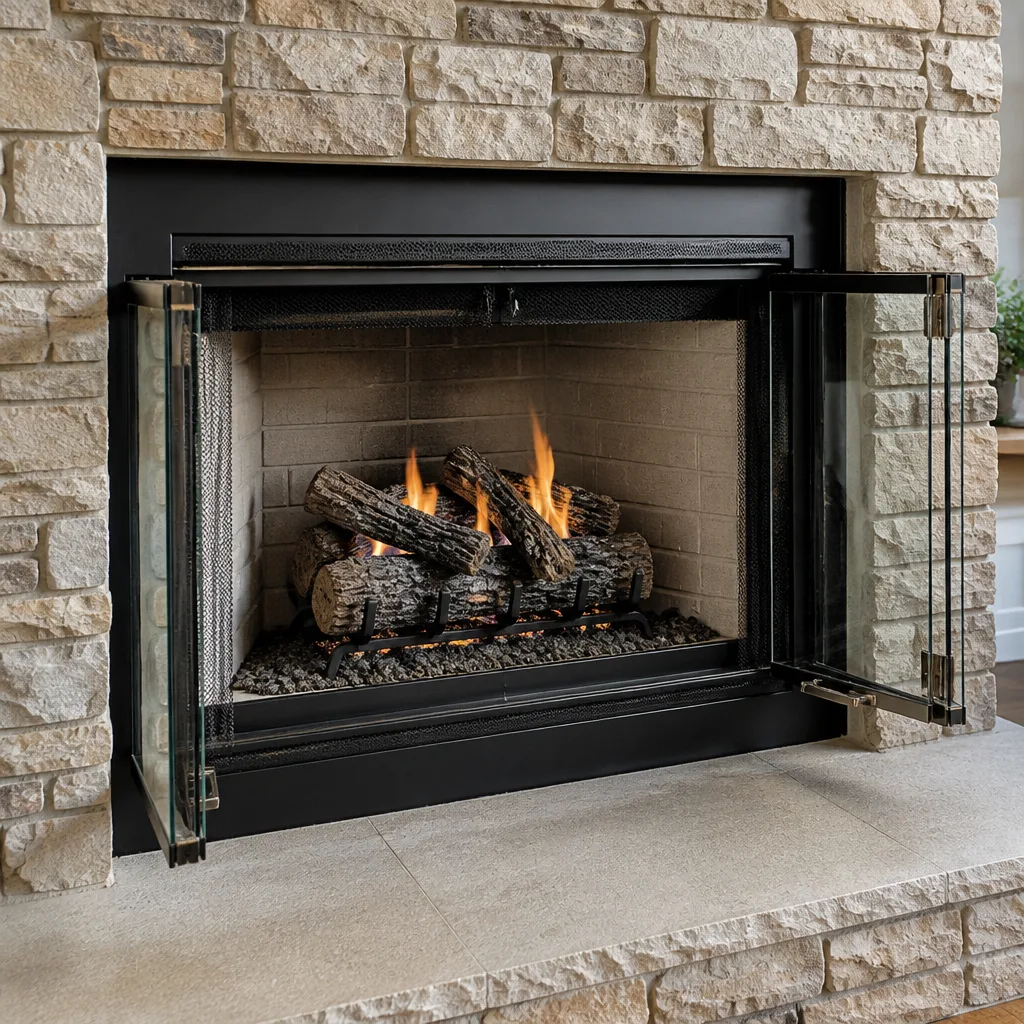 Gas fireplace service
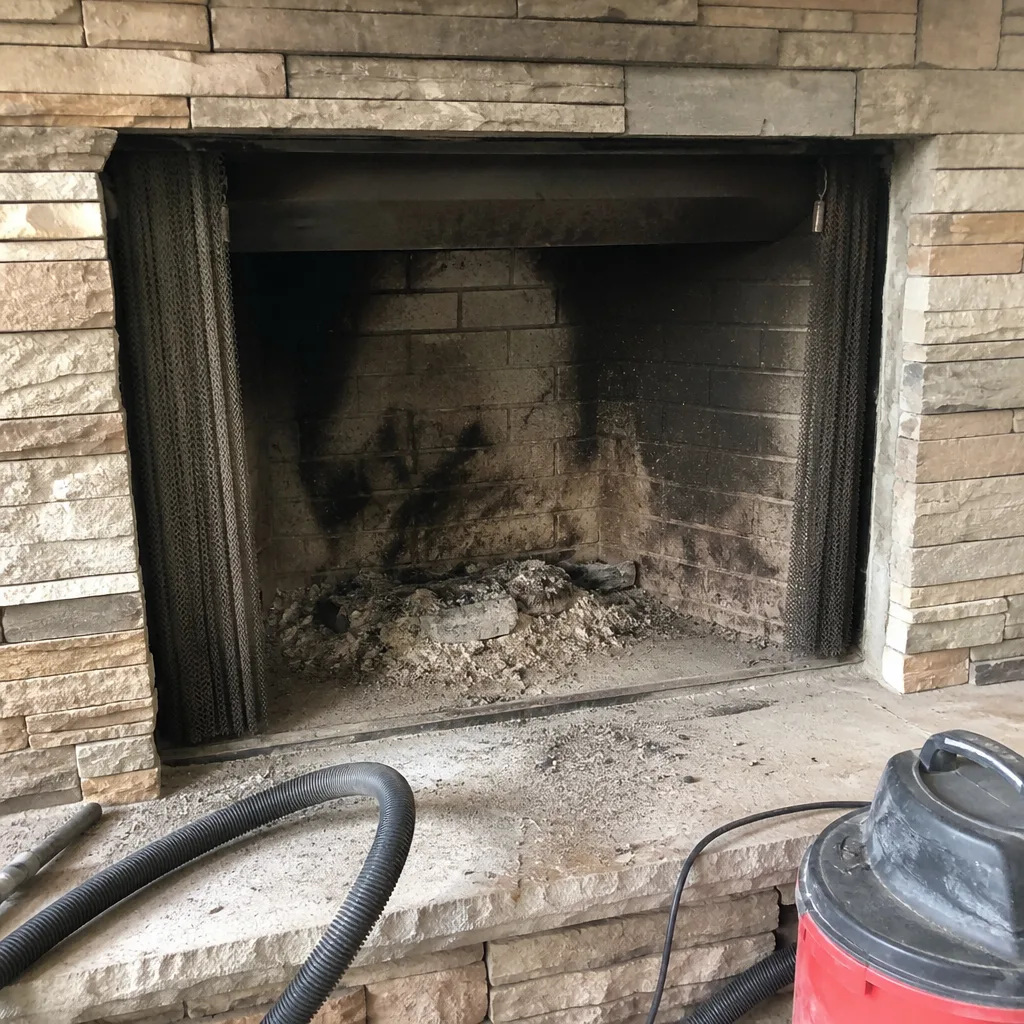
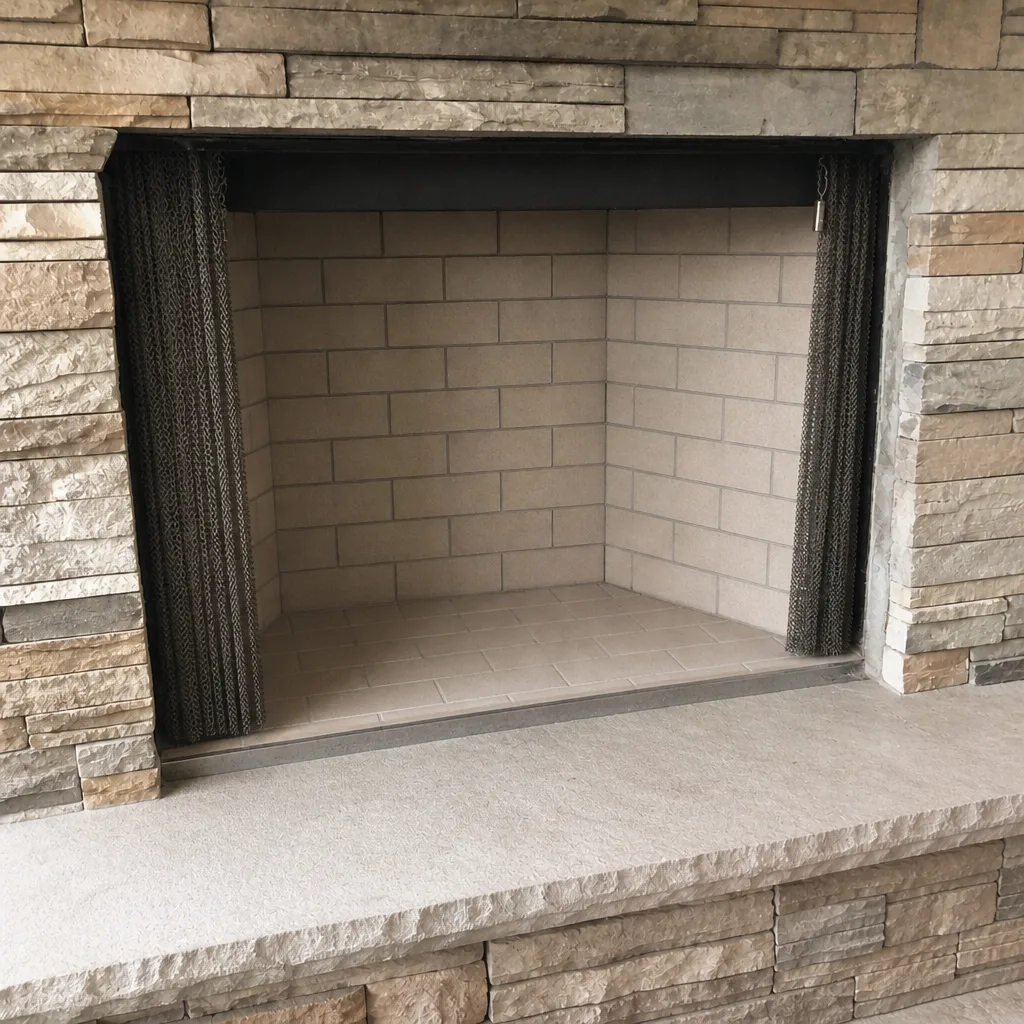
Level 1 sweep and inspection to the NFPA 211 annual standard - flue, crown, cap, and flashing checked and photographed
Chimney sweep logs do not sweep chimneys. They loosen some creosote - which then falls where a brush and vacuum still have to collect it.
Seasonal Chimney Cleaning Care for Ridgewood: Year-Round Homeowner’s Guide
Most chimney care advice you’ll read online was written for a house on ten rural acres burning cordwood from October to March. That calendar doesn’t fit Ridgewood. Plenty of homes here vent a gas furnace or water heater through the chimney all twelve months, which means acidic condensate is working on the flue in July just as surely as in January. Add a winter that swings above and below freezing dozens of times, and the masonry itself takes a beating no fall-only cleaning schedule ever addresses. In this guide we break the year into what actually needs doing and when, sorted by what your chimney vents: wood, gas, or oil. You’ll get a month-by-month calendar built around Ridgewood’s real climate, not a generic four-season template.
Quick Answer
Chimney care in Ridgewood runs on two tracks, not one. Wood-burning chimneys need sweeping based on how much you burn (roughly every cord, or annually at minimum) plus a spring inspection to catch freeze-thaw damage to the crown and mortar. Gas- and oil-vented chimneys need annual inspection and cleaning attention year-round because condensate and efflorescence build up between heating seasons. The single biggest mistake is treating chimney maintenance as a fall-only event.
Styles & brands we work with
- Sweep & inspection
- Caps & crowns
- Flue relining
- Masonry repair
- Gas fireplace service
Table of Contents
- Why a Fall-Only Schedule Misses Half the Damage Cycle
- Fall and Spring Tasks by Chimney Type: Wood, Gas, and Oil
- Freeze-Thaw Cycles and What a Spring Inspection Should Catch
- Summer Tasks: Caps, Screens, and Bird Nesting
- White Efflorescence on Gas-Vented Chimneys: What It Signals
- A Month-by-Month Service Calendar for Ridgewood
- What a Real Inspection Covers (and What It Doesn’t)
Why a Fall-Only Schedule Misses Half the Damage Cycle
The “clean once before winter” rule assumes your chimney rests for nine months. For a wood-only fireplace, that’s close enough. For the many Ridgewood homes where the chimney also vents a gas furnace or water heater, the flue never truly rests. Every time that appliance fires, it produces water vapor and mild acids that condense on the cooler walls of the flue. Between heating cycles that moisture sits there, quietly degrading a clay liner or eating at mortar.
That’s why we treat seasonal care as a year-round rhythm rather than a single appointment. The problems a fall cleaning catches (creosote, soot, blockages) are real. But the problems a spring or summer visit catches are different in kind: cracked crown shoulders, widened mortar joints, spalled brick faces, and liner deterioration from condensation. None of those show up on a fall checklist.
Ridgewood’s housing stock makes this matter more than in a new subdivision. Many of these chimneys have been through many winters, and older masonry absorbs water more readily each year. A schedule that only looks at the flue in autumn will keep missing the shell around it.
Fall and Spring Tasks by Chimney Type: Wood, Gas, and Oil
Your cleaning priority depends entirely on what the chimney vents. Here’s how we sort the work, season by season. If you’re not sure which category you’re in, that’s the first thing an inspection resolves. A chimney sweep visit tells you what you’re actually dealing with before anyone recommends anything.
Wood-Burning Chimneys
Fall priority: sweep the flue, remove creosote and soot, verify the damper and firebox, confirm the cap is intact before the burning season starts. Creosote is flammable, and glazed, third-degree creosote is the hardest to remove. This is also the SAFETY-critical category: a blocked or creosote-laden flue is a genuine fire and carbon monoxide hazard, and cleaning it is not a do-it-yourself task. Leave the flue work to a trained professional.
Spring priority: inspect the exterior. Creosote isn’t the issue in April; water is. Look at the crown, the mortar joints, the flashing, and the brick faces for signs the winter opened something up.
Gas-Vented Chimneys
Fall priority: inspect rather than sweep heavily. Gas doesn’t produce creosote, but it produces condensate and can leave white efflorescence on the liner. Verify the liner is sound and the venting is correct.
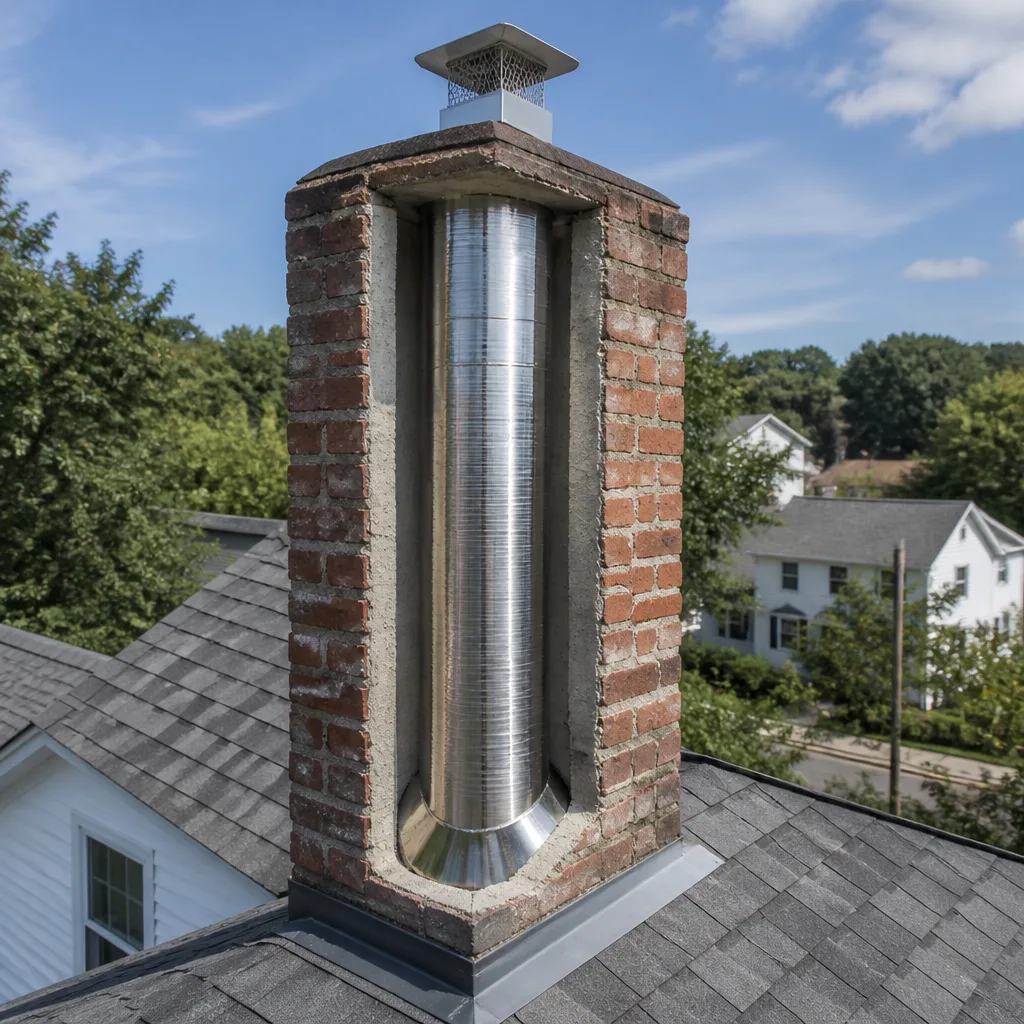
Spring priority: re-inspect the flue for condensation damage and check that the appliance connections are tight. A gas flue that’s been venting all winter deserves a second look once the heavy heating load eases. If the liner has deteriorated, options like HeatShield ceramic resurfacing can restore it without demolishing the chimney.
Oil-Vented Chimneys
Fall priority: sweep and inspect. Oil appliances leave soot and sulfur residue that need removal, and the flue should be checked for corrosion.
Spring priority: check for liner degradation and any signs the residue has attacked the flue walls over the winter.
Freeze-Thaw Cycles and What a Spring Inspection Should Catch
Ridgewood winters don’t stay cold. They oscillate. Water gets into a hairline crack during a thaw, freezes overnight, expands, and widens the crack a little more. Repeat that across a winter, and a crown that looked fine in October can be crumbling by April. This freeze-thaw cycling is the single biggest accelerant of masonry deterioration in this climate, and it does its worst work precisely when nobody is paying attention to the chimney.
A proper spring inspection should catch the following, in order of how we check them:
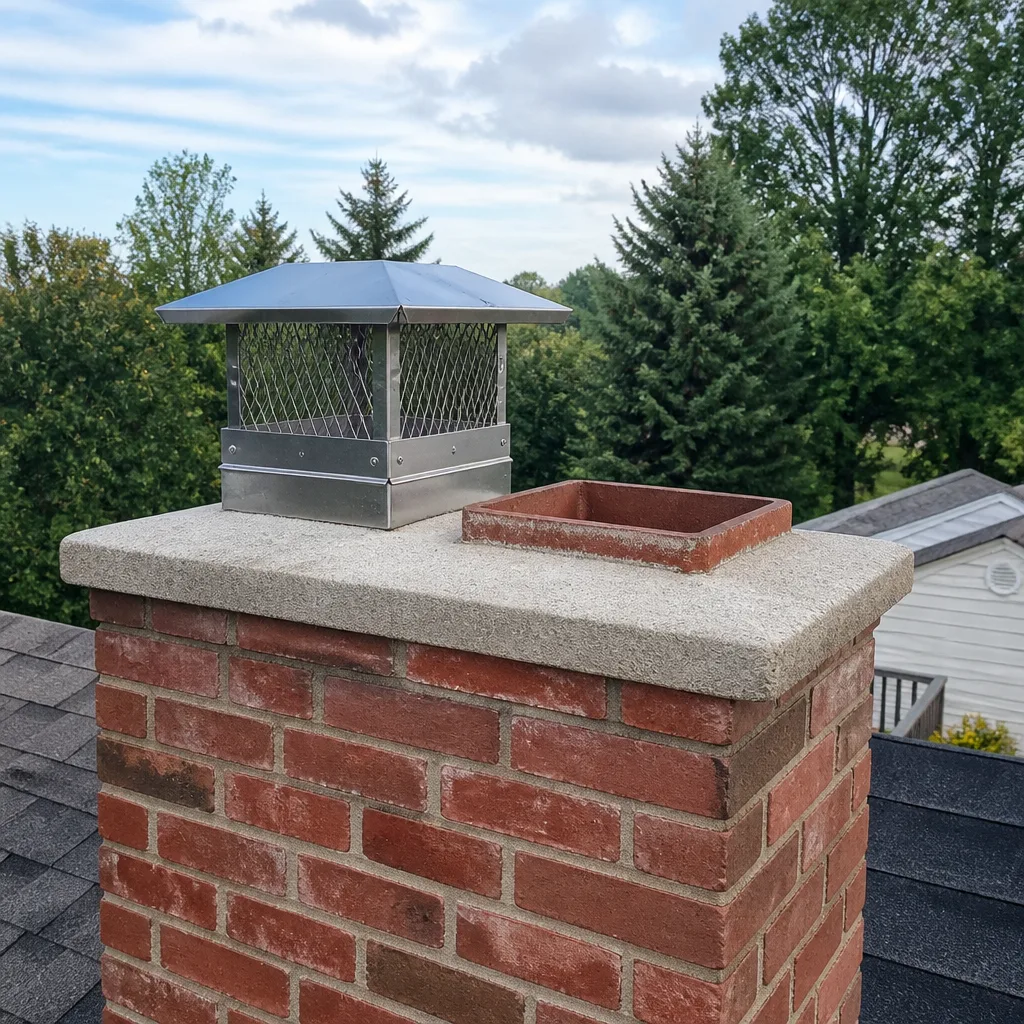
- The crown. The concrete cap on top of the chimney. Look for cracks, separation from the flue, and spalling. A failing crown lets water straight into the masonry.
- Mortar joints. Widened, recessed, or crumbling joints between bricks are where water enters. Repointing stops the cycle before the brick itself goes.
- Brick faces. Spalling (faces flaking or popping off) signals the brick has absorbed water and frozen.
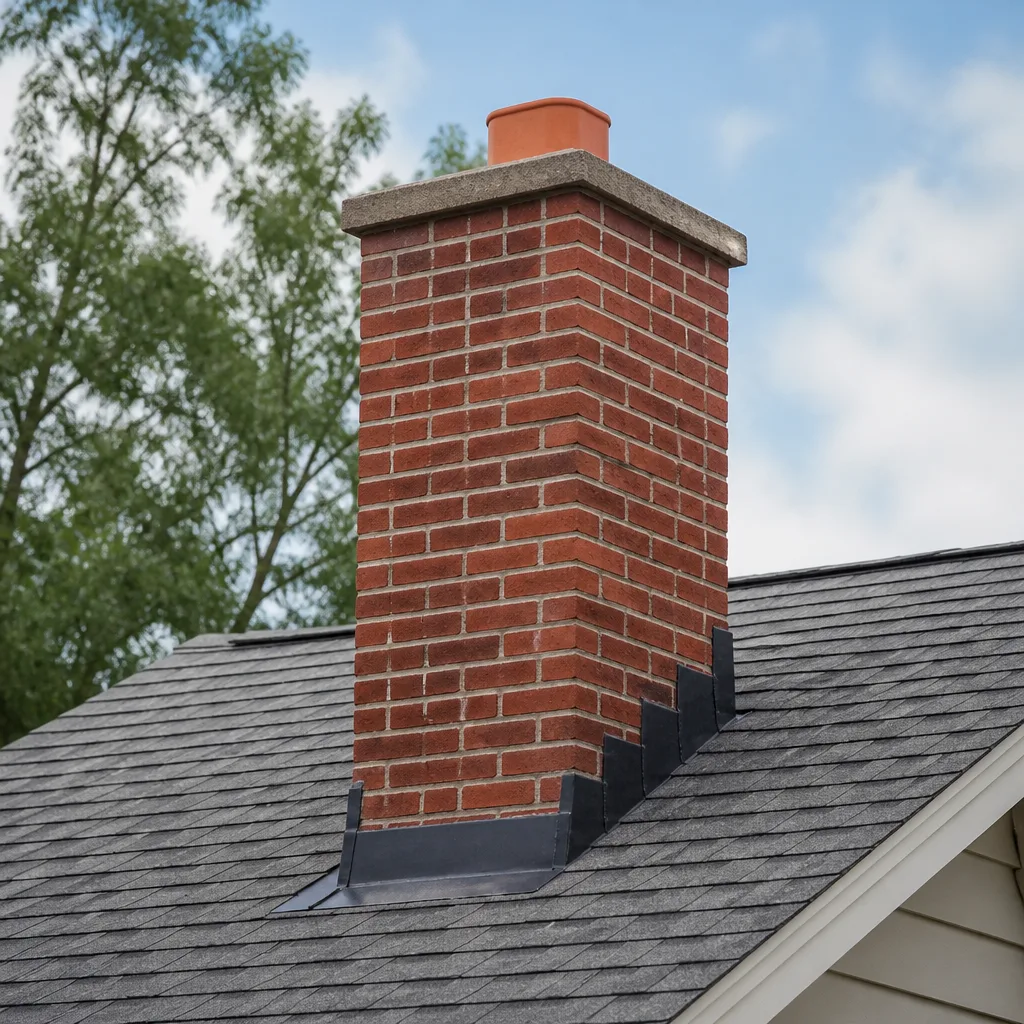
- Flashing. The seal where the chimney meets the roof. Failed flashing shows up as interior staining or damp masonry.
- The flue liner. Cracks or gaps in a clay tile liner, visible on camera.
What a spring inspection should not do is turn into a sales pitch for a rebuild. If we recommend structural work, we show you the camera evidence first. Sometimes the honest answer is that a repair can wait until a later season, and we say so.
Summer Tasks: Caps, Screens, and Bird Nesting
Summer isn’t a dead season for chimney care. It’s the season when the chimney is most vulnerable to things that have nothing to do with fire. On Ridgewood’s tree-lined blocks, birds and squirrels find an uncapped flue irresistible, and a nesting bird can obstruct a flue entirely. A blocked flue means the appliance that vents through it can’t vent, which is a serious carbon monoxide risk the moment the heating season returns.
Summer is when we look at the top of the system, not the inside of the flue:
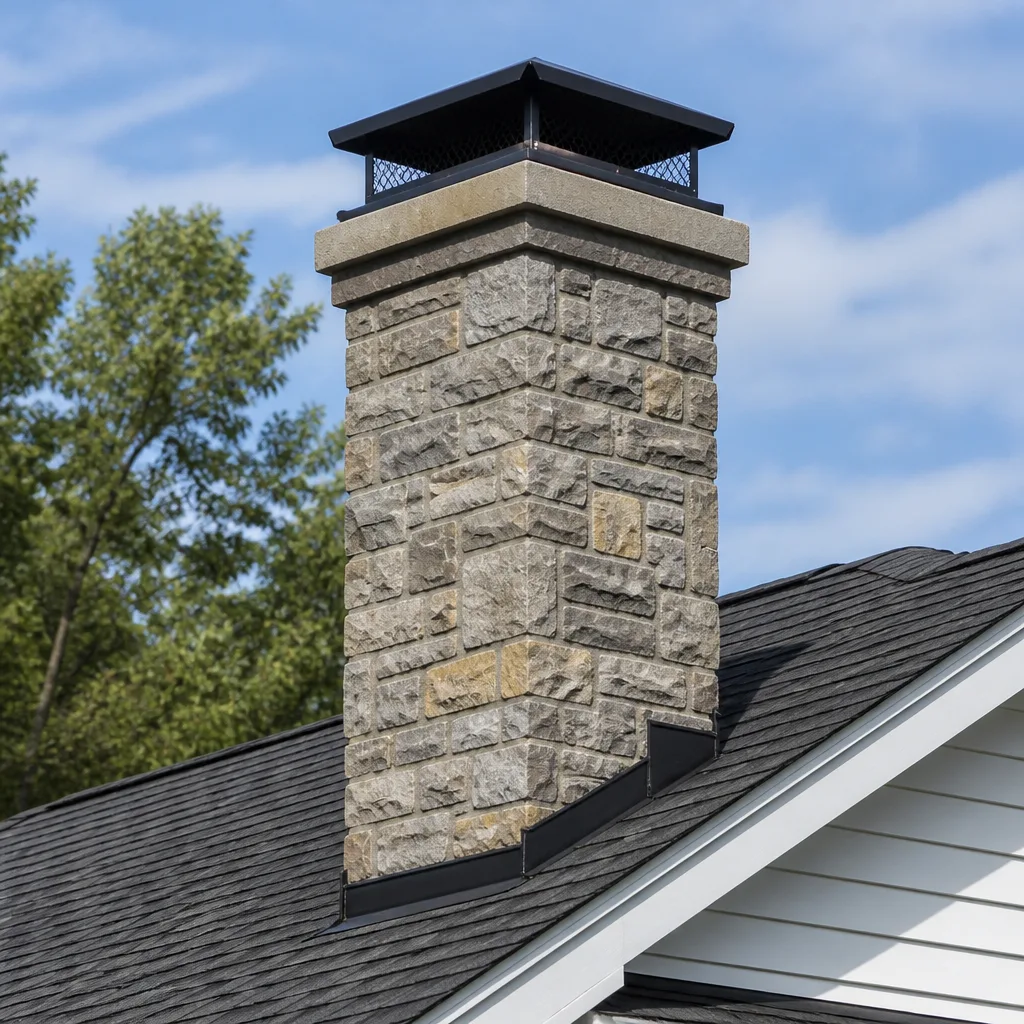
- Chimney cap. Is it intact and properly sized? A good cap keeps rain, animals, and debris out. This is the moment to address a missing or damaged cap with chimney cap & crown work before nesting season.
- Spark screen. Torn or missing screens let birds in and allow embers out.
- Crown condition. Re-check after the spring thaw and before the next freeze.
- Visible flue opening. A quick look down can confirm no nest, debris, or leaves have settled in.
If you’ve heard birds or scratching around the top of the chimney, don’t light a fire until it’s been checked. Blockage removal is part of a routine sweep, but it needs to happen before burning season, not after.
White Efflorescence on Gas-Vented Chimneys: What It Signals
If you notice a chalky white deposit on the inside of a gas-vented flue or on the brick around it, that’s efflorescence, and it’s a signal worth understanding. It forms when water carrying dissolved salts moves through masonry or condenses on the liner and evaporates, leaving the salts behind. On a gas-vented chimney, it usually points to condensation: the flue is running wetter than it should, and that moisture is migrating through the liner and brick.
Persistent efflorescence tells us a few things:
- The flue liner may be cooler than ideal for the appliance venting through it, causing excess condensation.
- The liner material itself may be degrading, giving moisture a path into the masonry.
- Ridgewood’s humid summers slow the drying-out process, so the deposits build between cleanings.
Efflorescence isn’t an emergency by itself, but it’s a reliable early warning. Caught early, liner damage from condensation can often be addressed with ceramic resurfacing rather than a full liner replacement or rebuild. Caught late, a compromised gas flue is a carbon monoxide concern, and that’s a reason to have it inspected rather than wait.
A Month-by-Month Service Calendar for Ridgewood
The generic advice is “book a sweep in fall.” Here’s how the year actually breaks down for a Ridgewood chimney, built around the local climate rather than a template. Treat the months as guidance, not rigid deadlines; a heavily used wood fireplace may need its sweep earlier, and a gas-only flue may need less frequent cleaning but more frequent inspection.
Winter (December-February)
Peak burning season for wood. Keep an eye out for smoke backing into the room, which signals a draft or blockage problem, and for any creosote smell. If you’re burning steadily, this is when creosote accumulates fastest. No service is typically needed mid-winter unless something goes wrong; this is the season the fall prep was for.
Early Spring (March-April)
The most important inspection window for masonry. Right after the last freeze-thaw cycling, the crown, mortar, and brick are at their most revealing. Book the post-winter inspection now so any water damage gets addressed before summer heat and the next freeze cycle compound it.
Late Spring (May)
Repair season. Crown repair, repointing, and flashing work are best done in mild, dry weather. Addressing chimney repair now means the masonry goes into the next winter sound.
Summer (June-August)
Cap and screen inspection before and during bird nesting season. Check for nests and debris. This is also a good window for liner assessment on gas-vented chimneys, since the flue is quieter and easier to evaluate.
Early Fall (September-October)
The classic sweep-and-inspect window, timed for the start of burning. Wood-burning chimneys get swept and verified before the first fire. Caps are re-checked. Any repair flagged in spring that’s still pending gets handled now.
Late Fall (November)
Final check before deep winter. Confirm everything is ready, and clear any last leaves or debris from the flue opening. After this, the system runs through the cold months largely on its own.
Here’s the same calendar as a quick reference:
- Wood-burning: sweep in early fall + inspect in spring. Two key visits.
- Gas-vented: inspect in spring and summer. Cleaning is lighter but inspection is essential.
- Oil-vented: sweep in fall + inspect in spring for corrosion.
What a Real Inspection Covers (and What It Doesn’t)
An inspection isn’t a formality tacked onto a sweep, and here it’s offered as a standalone service rather than a bundled upsell. A useful inspection answers a specific question: what condition is this system in, and what does it actually need? Here’s what it should cover.
- Exterior survey. Crown, cap, spark screen, flashing, mortar, and brick, checked from the top and from the ground.
- Flue assessment. A camera inspection of the liner, with photos you can see for yourself. This is the evidence that backs up any recommendation.
- Firebox and damper. For wood-burning systems, the firebox and damper are part of the system and part of the inspection.
- Appliance connections. For gas and oil, the connection between appliance and flue.
- A written summary. What’s sound, what’s wearing, and what needs attention now versus later.
What it should not be is a fog of vague warnings. If we recommend liner work, you’ll see the camera footage. If we recommend structural repair, we explain why and what happens if it waits. The rule we work by: nothing gets recommended without evidence you can see, and work that can safely wait gets called out as work that can wait.
When repair is needed, the products matter. HeatShield ceramic resurfacing lets us restore a deteriorated flue liner without full demolition, in many cases at a fraction of a rebuild cost. DuraFlex flexible liners handle wood-burning and gas appliance conversions. We also work with Gelco and Olympia Chimney components for caps, liners, and related parts, all to match the right product to the job rather than a one-size-fits-all substitute.
Common Mistakes to Avoid
- Treating care as a fall-only event. If your chimney vents a gas appliance, it works year-round and so does the damage. A single autumn visit misses the spring masonry problems entirely.
- Assuming a gas flue needs no attention because there’s no creosote. Gas flues don’t build creosote, but they build condensate and efflorescence, and those degrade liners quietly in Ridgewood’s humid summers.
- Skipping the summer cap check. On tree-lined blocks, an uncapped flue invites nesting that can fully obstruct it. That’s a carbon monoxide risk waiting for the heating season to arrive.
- Ignoring a cracked crown until the brick starts spalling. The crown is the chimney’s roof. Once it fails, freeze-thaw damage moves into the masonry, and repairs get bigger.
- Lighting a fire in a flue that hasn’t been checked since spring. Nests, debris, or a deteriorated liner can turn the first fire of the season into a hazard. Get the sweep done before you burn.
- Accepting a repair recommendation without seeing the evidence. Any liner or masonry work should come with camera images you can review yourself, not just a verbal warning.
- Booking a general handyman for chimney work. Chimney systems need specialists who know liners, crowns, and venting. Chimney Sweep Ridgewood is Chimney Sweep Ridgewood, focused on chimneys and fireplaces, not general contracting.
See the difference
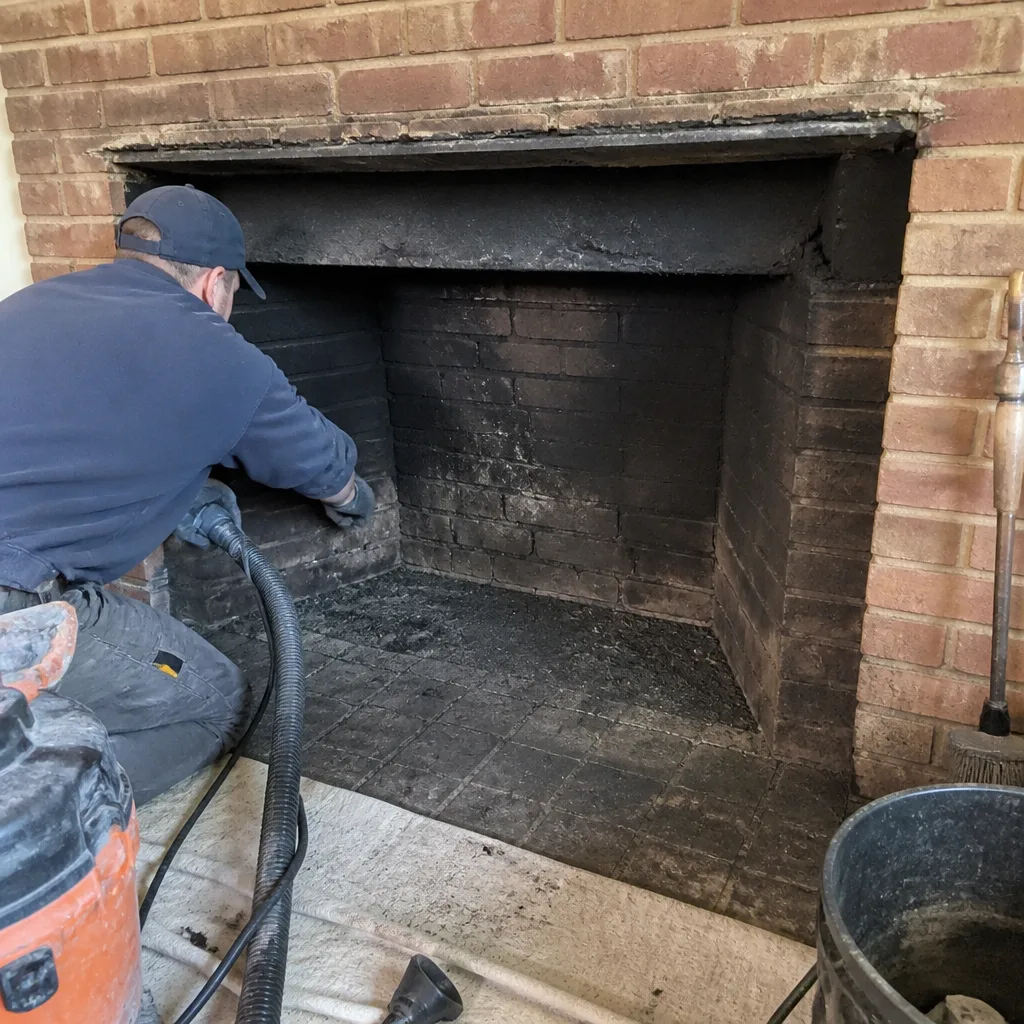 Before
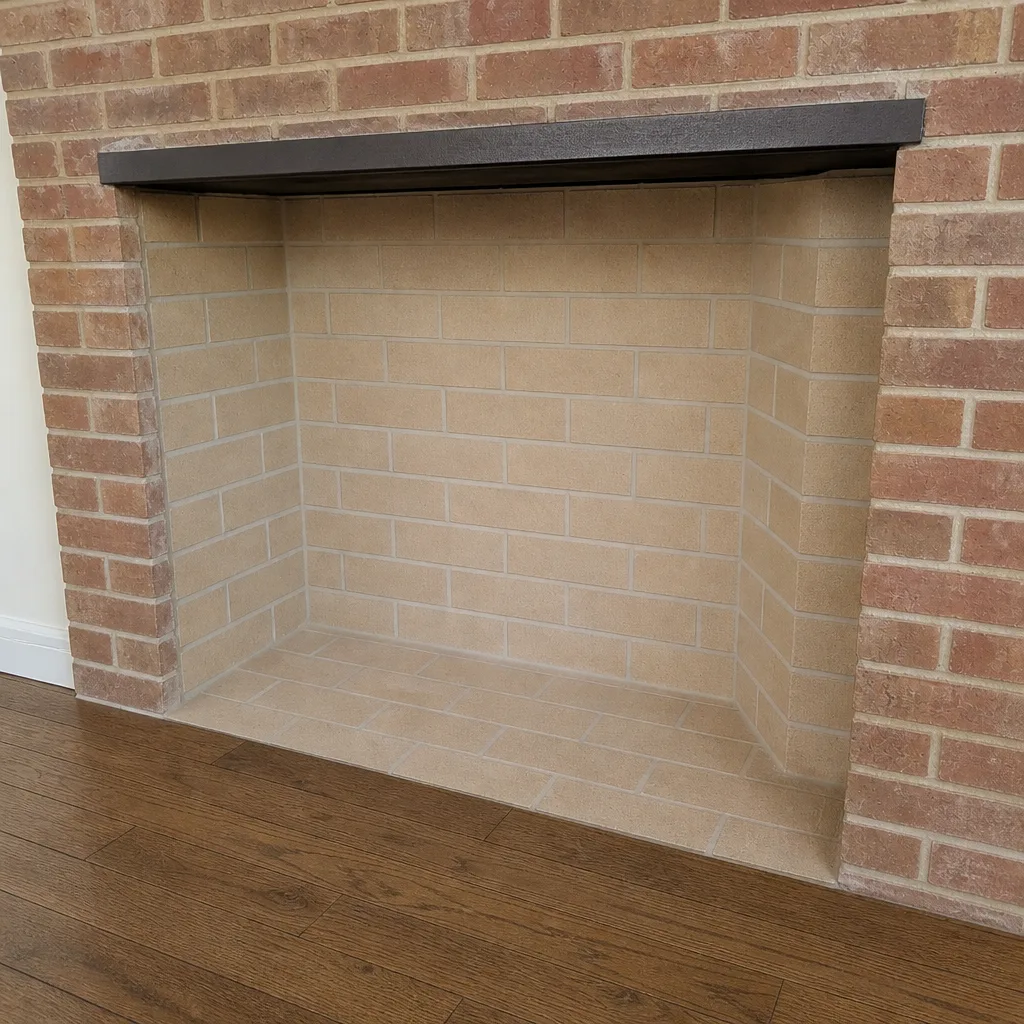 After
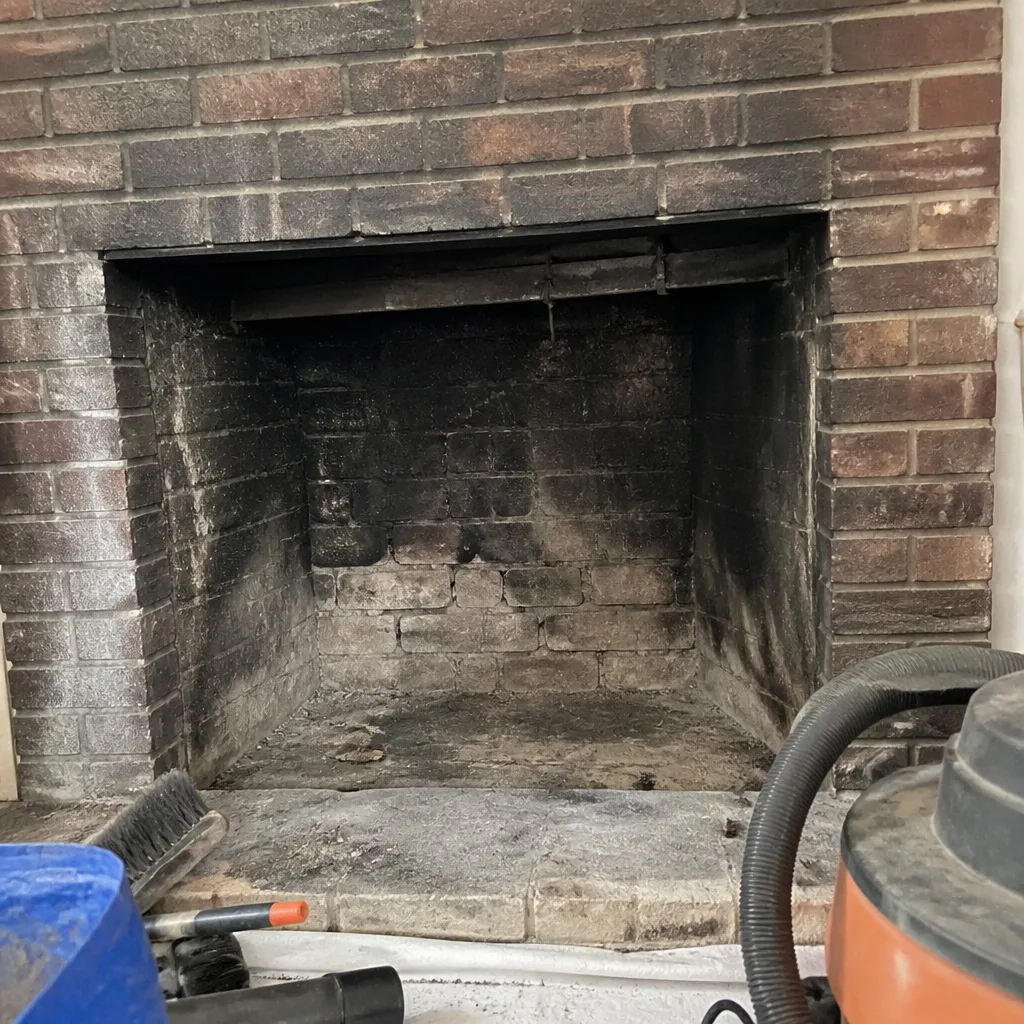 Before
 After
 Before
 After
When to Call a Professional
Some tasks you can schedule at your leisure. Others shouldn’t wait. Call us when you notice smoke backing into the room, a creosote smell that lingers between fires, staining on the ceiling near the chimney, crumbling mortar or brick visible from outside, birds or scratching sounds at the top of the flue, or persistent white efflorescence on a gas-vented flue. Call before the first fire of the season if the chimney hasn’t been swept. And call if the flue, liner, or masonry work is anything beyond a surface observation, because the high-tension parts and the structural repairs aren’t a do-it-yourself job. Chimney Sweep Ridgewood offers free estimates in Ridgewood. Call (877) 492-3239. We answer 24/7. Fast dispatch from 7am to 7pm, Sunday through Friday.
Frequently Asked Questions
Wood-burning chimneys should be swept roughly every cord of wood burned, or annually at minimum, plus a spring inspection to catch freeze-thaw damage to the crown and masonry. Gas-vented chimneys need less heavy sweeping but more frequent inspection for condensation and liner condition. Call (877) 492-3239 for an exact quote – estimates are free.
A single fall cleaning is a starting point, not a full schedule for most Ridgewood homes. Fall catches creosote and blockages, but the freeze-thaw damage to masonry happens over the winter, and a gas flue accumulates condensate year-round. The complete schedule is a fall sweep and a spring inspection, with a summer cap and screen check. Call (877) 492-3239 to book both.
White chalky deposits are efflorescence, and on a gas flue they usually point to condensation migrating through the liner and brick. It’s an early warning that the liner may be degrading. Get it inspected before it becomes a liner replacement rather than a repair. Call (877) 492-3239 for an inspection – estimates are free.
A new liner is only needed when there’s evidence the existing liner is compromised, and you should see that evidence, usually as camera images of cracks or gaps. We offer inspection as a standalone service, so you can find out exactly what your system needs without being pushed into repair. If the liner is sound, we tell you it’s sound. Call (877) 492-3239 to schedule an inspection.
Skipping care lets two risks build at once: creosote in a wood flue (a fire hazard) and water in the masonry and liner (a structural and carbon monoxide hazard). A blocked flue, whether from creosote, a nest, or a failed liner, can send carbon monoxide into the home. Neither is a risk worth ignoring. Call (877) 492-3239 to get on a proper schedule – estimates are free.
The spring inspection is the one that most reliably catches freeze-thaw damage, which is the dominant cause of masonry deterioration in this climate. It often reveals problems that haven’t yet shown themselves as leaks or visible symptoms. Catching a cracked crown or joint in spring is far less involved than waiting until brick spalls. Call (877) 492-3239 to book your spring inspection.
The Bottom Line
Chimney care in Ridgewood is a year-round rhythm, not a fall appointment. Wood-burning flues need a sweep before burning season and an inspection after winter. Gas and oil flues need attention spread across the year because condensate and residue don’t take a break. Ridgewood’s freeze-thaw cycles do most of their masonry damage between seasons, and a spring inspection is where that damage gets caught while it’s still small. The single change that matters most: stop treating maintenance as a once-a-year event and build in the spring and summer visits too. If you’re not sure where your chimney stands, a camera inspection gives you the answer you can see for yourself.
Call Chimney Sweep Ridgewood at (877) 492-3239 for a free estimate. We answer 24/7, with fast dispatch 7am to 7pm, Sunday through Friday.
Written by the team at Chimney Sweep Ridgewood.